

We may earn a commission when you buy through links on this page, at no extra cost to you. Learn more.
The best wine glass shelf stores stemware upright, clears the stem height above it, and keeps glasses in reach without crowding the bottles. An open wall shelf works for display in a dining room, a tiered counter shelf suits a small kitchen, and a deep built-in shelf fits a cabinet bar. Measure the tallest glass you own before buying, because the shelf above has to clear the stems or the glasses will not fit.
Stemware needs more room than most kitchen items. Stems are fragile, bowls are wide, and a glass that sits crooked on a shelf can tip when you reach past it. This guide sorts glass shelves by where they fit and who uses them, compares the main styles, and covers the measurements that matter most.
Quick Comparison of Wine Glass Shelf Types
Each shelf style trades off display, storage capacity, and how easy it is to reach a glass without bumping others. The table below gives a quick overview of the main options.
| Shelf style | Best location | Storage style | Main drawback |
|---|---|---|---|
| Open wall shelf | Dining rooms and bars | Glasses sit upright on a flat ledge | Dust builds on open rims |
| Tiered counter shelf | Small kitchens | Two or three levels for stemware | Takes counter space |
| Deep built-in shelf | Cabinets and alcoves | Enclosed storage with clear height | Needs planning during setup |
| Floating shelf with rail | Narrow hallways and nooks | Thin ledge with a lip to hold stems | Limited weight capacity for heavy glass |
| Freestanding display shelf | Living rooms | Open tiers on a stand | Can tip if overloaded |
Best for Dining Room Display
An open wall shelf turns stemware into a visible part of the room. Glasses sit on a flat ledge, which lets you pick the right one without lifting the others, and a shelf at eye level makes the set easy to use when guests arrive.
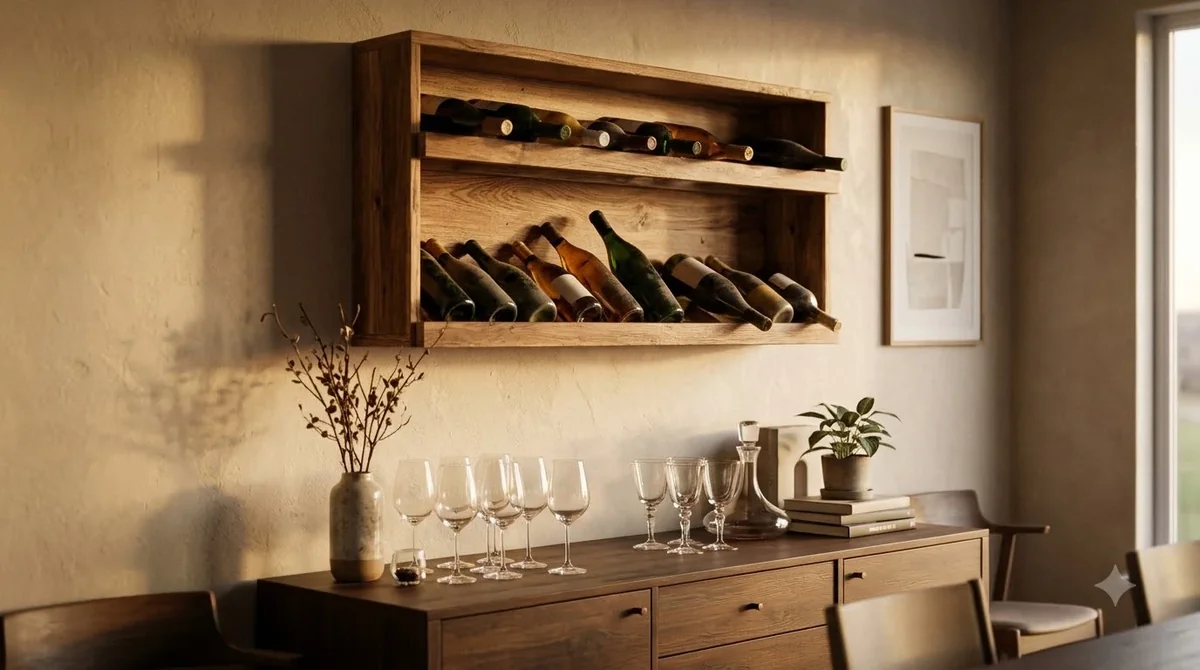
Plan the spacing around the bowl width rather than the stem alone. A Bordeaux-style glass has a wide bowl, while a Champagne flute is tall and narrow, so a shelf that fits one may crowd the other. Leave a gap between glasses so the rims do not touch when you add or remove one.
Dust is the main upkeep issue on an open shelf. Glasses with upturned rims collect dust quickly, so plan a weekly wipe and keep the shelf away from a cooking area where grease can settle on the rims.
Why it stands out: the glasses double as decor and stay in reach. Keep in mind: open rims need regular cleaning. Best for: households that want their glassware to be part of the room.
Best for Small Kitchens and Counter Space
A tiered counter shelf stacks stemware on two or three levels so you get more glasses in the same footprint. It keeps the tall pieces at the back and the shorter tumblers in front, which makes a crowded counter easier to manage.
Check the top shelf height against your cabinets. A tier that sits too close to an upper cabinet will force you to lift the glass straight up, and a stem can catch the shelf above. Choose a shelf that leaves a clear margin above the tallest glass you own.
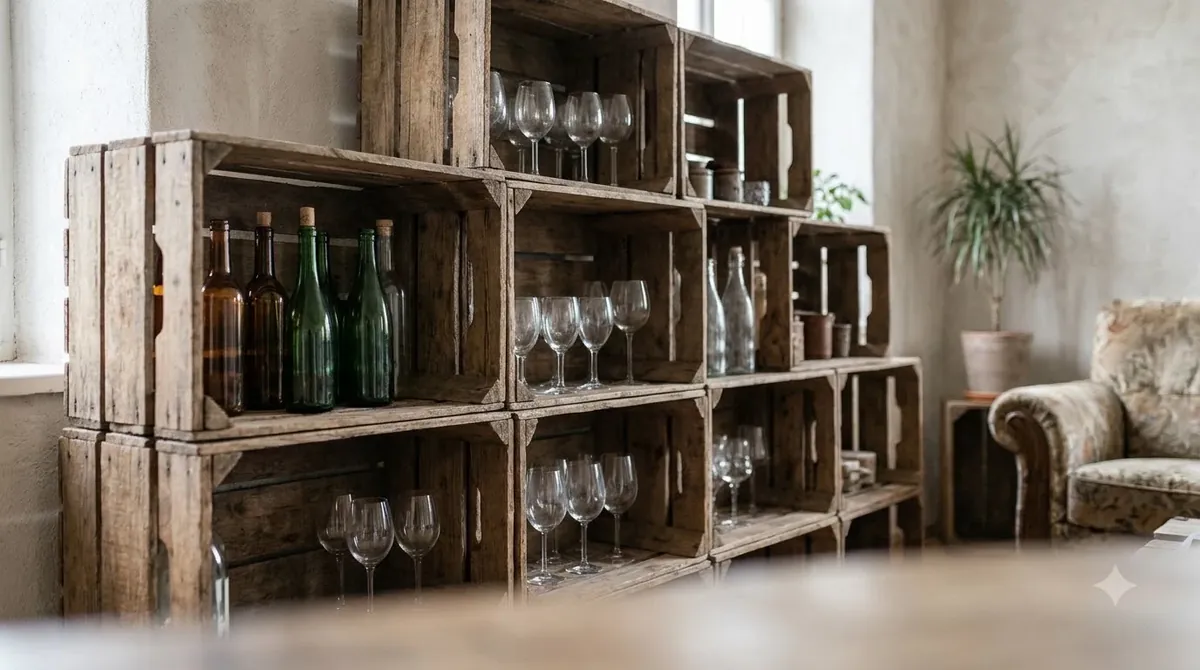
Keep the lowest tier for the glasses you use daily. Heavier, thicker tumblers belong on the bottom, since they are less likely to break if they slide when you set them down. Place a folded towel under the base to stop the shelf from scratching the counter.
Why it stands out: it adds capacity without new cabinets. Keep in mind: it takes up counter space and needs a stable base. Best for: small kitchens and apartments with limited storage.
Best for Cabinet Bars and Built-In Storage
A deep built-in shelf inside a cabinet keeps stemware hidden and protected, which suits a home bar that also serves as a sideboard. The enclosed space keeps dust off the rims and lets you store glasses without a visible clutter line.
Measure carefully before you build or buy. The space must be tall enough for the stems and deep enough for the bowl, and the shelf above needs to clear the tallest glass. A glass with a long stem needs more vertical room than a stemless tumbler, so measure the tallest piece first.
Think about access. A shelf that is too high means you will reach over the top of other glasses, which increases the risk of a chip. A lower shelf is easier to use daily, while a higher one works for less-used pieces such as decanters or special glasses.
Why it stands out: it keeps glasses clean and out of the way. Keep in mind: the layout needs planning before installation. Best for: people who want a permanent bar tucked into a cabinet.
Best for Narrow Hallways and Small Nooks
A floating shelf with a front rail is a slim option for a hallway, a dining nook, or the wall beside a fridge. The rail keeps the stems from sliding off, and the thin ledge takes up almost no floor space.
Weight limits matter more on a floating shelf. Check the bracket rating and the wall type before mounting, and load the shelf evenly so one side does not sag. Heavy crystal and thick-walled glasses are better placed on a sturdier shelf.
A floating shelf also works as a wine station with a single row of glasses and a few bottles on the floor below. Keep the glass row light, and keep the bottles below where a spill would not reach the wall.
Why it stands out: it uses wall space that would otherwise sit unused. Keep in mind: the weight limit is lower than a freestanding or built-in unit. Best for: small homes and tight spaces.
Best for Freestanding Display Units
A freestanding display shelf stands on its own and does not need wall anchors, which makes it useful for renters and anyone who moves furniture often. Open tiers show a range of glasses, and the unit can sit in a corner or beside a sofa.
Stability is the main concern. Place the heaviest items on the lowest tier, and keep the unit against a wall in a home with children or pets. An overloaded top tier can tip the whole unit, so spread the weight across the shelves.
Consider the rim height as well. Tall glasses on a top tier can be knocked by a passing hand, so keep the top tier for shorter or decorative pieces that are less likely to be moved.
Why it stands out: it needs no installation. Keep in mind: it needs a stable spot and even weight across tiers. Best for: renters and living rooms with a corner to spare.
How to Choose the Right Wine Glass Shelf
Start by measuring the tallest glass you own, then the widest bowl, then the space available. Those three numbers decide which shelf styles will work before you compare finishes.
| Factor | What to look for |
|---|---|
| Stem clearance | Leave a margin above the tallest stem so the shelf above does not catch it |
| Bowl width | Space glasses so a wide red bowl does not crowd a narrow flute |
| Weight capacity | Heavy crystal needs a sturdier shelf or a lower position |
| Access | Keep daily glasses at a height you can reach without lifting others |
| Mounting | Wall shelves need studs or rated anchors; freestanding units need a stable spot |
Glass size also affects how you plan the shelf. Stemware bowls vary widely, and a standard pour is usually a fraction of the bottle. The guide to how many glasses in a bottle of wine helps you estimate how many glasses a household needs on hand. For a fuller picture of glass types, the VinePair Wine 101 guide lists the serving topics that shape which glasses to buy.
Tip: Store glasses upright, never stacked inside each other, so the rims and bowls stay unmarked and the stems do not bend.
Frequently Asked Questions
What is the best wine glass shelf for a small kitchen?
A tiered counter shelf usually works best because it adds capacity without new cabinets. Choose one that leaves enough room under the upper cabinets so the tallest stems clear the shelf above.
How high should a wine glass shelf be?
Set the shelf so that the tallest glass you use clears the shelf or cabinet above it, with some margin. Measure the glasses with their stems, not just the bowls, before choosing a height.
Can wine glasses be stored upside down on a shelf?
Some racks hold glasses upside down, but a flat shelf that keeps them upright is simpler and reduces the chance of dust collecting inside the bowl. Upright storage also avoids pressure on the rim and stem.
How many glasses should a wine glass shelf hold?
Plan for the number of people you usually host, plus a few spares for breakage. A shelf that holds a range of sizes is more useful than one that only fits a single style of glass.
A good wine glass shelf fits the glasses you own and the space you have. Measure the stems, plan the spacing, and keep the everyday glasses within easy reach. For related storage, see the wine glass holder guide and the wine glass charms for telling similar glasses apart. For more ideas, browse the Accessories Library.
More in Wine Accessories
 Coravin Vs Vacu Vin: Choose the Right Wine Saver for Your BottlesUpdated Nov 21, 2026
 Zwilling Wine Stopper Review: Preserve Open Bottles LongerUpdated Nov 21, 2026
 Wine Enthusiast Wine Preserver Review: Features, Benefits and LimitationsUpdated Nov 21, 2026
 Wine Enthusiast Wine Stopper: An Easier Way to Reseal Open BottlesUpdated Nov 21, 2026
 Vintorio Wine Opener: Two-Step Cork RemovalUpdated Nov 21, 2026
 Zwilling Wine Aerator Review: Aerate, Pour, and Seal With One ToolUpdated Nov 21, 2026