

We may earn a commission when you buy through links on this page, at no extra cost to you. Learn more.
The best boxed dry white wine for crisp, refreshing everyday drinking is generally a Sauvignon Blanc, Pinot Grigio, or dry white blend with bright acidity and restrained residual sweetness. Bandit Sauvignon Blanc, Bota Box Sauvignon Blanc, Black Box Pinot Grigio, and Gratsi White are useful starting points, depending on whether you prefer citrus, orchard fruit, or a softer texture. The right choice combines a genuinely dry finish with good freshness, convenient packaging, and a size that suits how quickly you drink wine.
Boxed white wine has become a practical option for people who want an easy-to-pour house wine without opening a new bottle every evening. Modern selections include familiar grape varieties, regional blends, and less common grapes, so there is more to consider than simply choosing the least expensive package. A little knowledge about sweetness, acidity, grape variety, and packaging makes it easier to find a box that tastes appropriate with dinner and stays enjoyable between pours.
Who This Is For: Choosing a Boxed White That Suits Your Taste
The best boxed dry white wine depends on whether you prefer crisp citrus, delicate orchard fruit, or a fuller, rounder white with a dry finish. Start with the flavor profile you normally enjoy rather than assuming every wine described as white or refreshing will have the same sweetness and acidity.
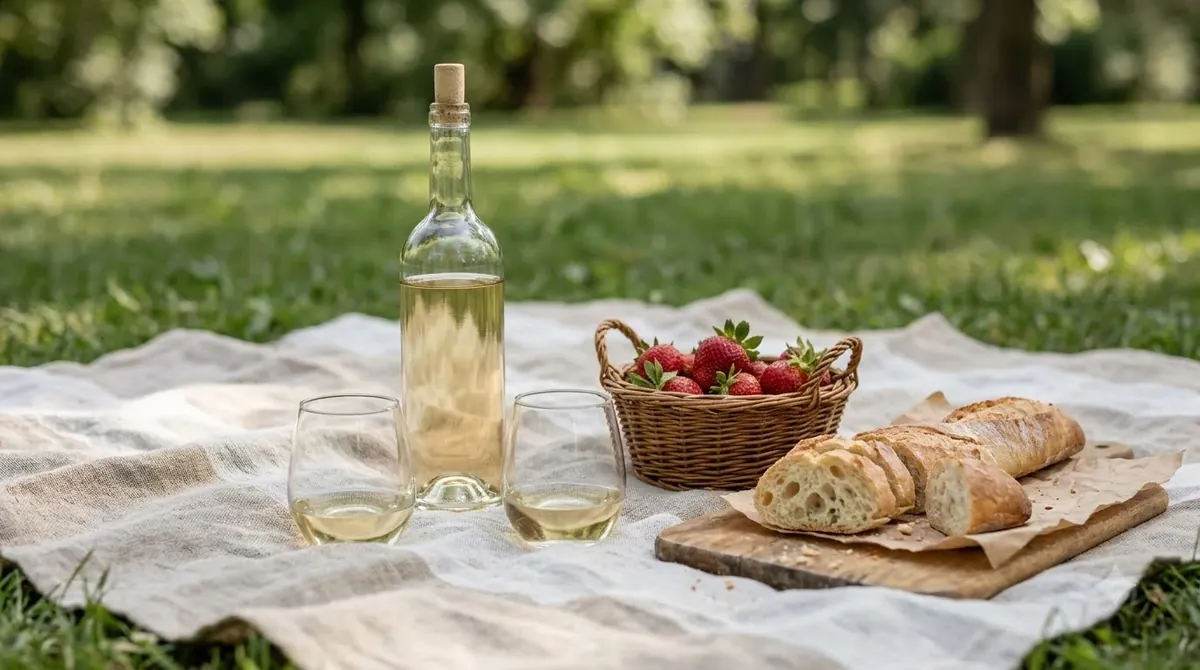
For drinkers who enjoy Sauvignon Blanc, a crisp boxed version is a natural starting point. Sauvignon Blanc typically has high acidity, which gives it a lively impression and makes it particularly useful alongside salads, seafood, fresh vegetables, and dishes with lemon. Bandit Sauvignon Blanc is a notable example: Food & Wine selected it as its overall favorite among the boxed white wines it evaluated, describing peach, melon, pineapple, and lime-zest characteristics. Bota Box Sauvignon Blanc is another option, with Total Wine highlighting lime, nectarine, and melon.
Pinot Grigio is worth considering if Sauvignon Blanc sometimes tastes too sharp or grassy. It usually offers a lighter-bodied profile with pear, apple, citrus, and relatively restrained aromatics. Black Box Pinot Grigio is a practical starting point, with Total Wine describing pear, honeydew, citrus, and apple characteristics. Its fruit profile makes it a versatile option for casual lunches, simple pasta, and mild seafood dishes.
Chardonnay suits people who prefer more body and texture. However, shoppers should distinguish between a crisp, unoaked style and a richer version with oak influence. Black Box Chardonnay is described by Food & Wine as a balanced California-style wine with orchard fruit, tropical fruit, vanilla, and toasted oak. The Kitchn also highlighted its smooth, buttery character, although some tasters found the vanilla and caramel notes too pronounced.
Boxed wine also makes sense for households that pour wine regularly but do not necessarily finish a bottle in one evening. A traditional 3-liter box contains the equivalent of four standard 750 ml bottles. That capacity can be useful for entertaining, shared meals, or maintaining a dependable house white. A smaller 1-liter package is more appropriate for occasional drinking or people who want to compare different styles without committing to a larger format.
For a broader understanding of grape varieties and flavor profiles, the dry white wine guide provides a useful foundation before choosing a particular boxed format.
Key Factors to Compare Before Buying
A good boxed white should balance dryness, acidity, body, grape character, and packaging quality. Comparing these characteristics is more useful than relying on a brand name or a general description such as crisp, smooth, or refreshing.
| Factor | What to Look For | Why It Matters |
|---|---|---|
| Sweetness | Dry or approximately 0–4 g/L residual sugar as a practical preference | Helps identify wines without an obvious sweet finish |
| Acidity | Bright, balanced freshness | Prevents the wine from tasting flat |
| Body | Light to medium for everyday drinking | Determines how substantial the wine feels |
| Small format | 1 liter | Provides approximately 6.8 standard 5 oz pours |
| Medium format | 1.5 liters | Provides approximately 10 standard 5 oz pours |
| Large format | 3 liters | Equals four 750 ml bottles or approximately 20 standard pours |
| Serving temperature | 45–50°F for light whites | Preserves freshness without making the wine excessively cold |
| After-opening freshness | Approximately 4–6 weeks for many bag-in-box wines | Provides a practical window for regular household use |
Sweetness is the first distinction to understand. A dry wine has little residual sugar, but fruit aromas can create the impression of sweetness even when the actual finish is dry. Peach, pear, pineapple, melon, and ripe apple are common examples. Their presence does not automatically mean that a wine contains substantial sugar.
Acidity is equally important. Sauvignon Blanc and Riesling typically have high acidity, while Chardonnay usually has medium acidity. Pinot Grigio commonly offers moderate to high freshness, depending on its origin and production style. A wine with sufficient acidity feels lively and can refresh the palate between bites of food. A wine with insufficient freshness may seem heavy or dull, especially when served alongside richer meals.
Body describes the weight of the wine in the mouth. Light-bodied whites are generally easier to drink with delicate dishes and simple lunches. Medium-bodied Chardonnay can work better with roasted poultry, creamy pasta, or richer fish preparations. The goal is to select a wine with enough structure for the meal without allowing its weight to overwhelm the food.
Packaging deserves its own consideration. Food & Wine notes that boxed wine can hold up to four times the volume of a standard bottle, while also reducing shipping weight and breakage concerns. However, a larger container is only useful if the household can consume its contents while the wine remains fresh. A smaller format can be the better decision for someone who pours wine infrequently.
Tip: Do not confuse fruity aromas with sweetness. A Sauvignon Blanc that smells strongly of ripe melon or tropical fruit can still have a dry finish. Look for a combination of dry-style labeling, refreshing acidity, and a clean finish when comparing options.
Step-by-Step: How to Find the Right Boxed White Wine
A simple shopping process makes choosing boxed white wine much easier. Follow these six steps to narrow the selection without getting distracted by packaging design or vague tasting descriptions.
- Decide how dry you want the wine. Start with a dry rather than sweet or semi-sweet style if you prefer a crisp finish. Remember that dry does not mean sour, and a wine with pronounced fruit aromas does not necessarily have substantial residual sugar.
- Choose your preferred grape variety. Select Sauvignon Blanc for high acidity and citrus character, Pinot Grigio for lighter orchard-fruit flavors, or Chardonnay for more body and texture. If you are uncertain, a white blend can provide a middle ground between two styles.
- Compare the flavor descriptions. Look for familiar terms such as lime, grapefruit, lemon, green apple, pear, melon, and white flowers. If you prefer freshness, avoid choosing a wine solely because its description emphasizes vanilla, caramel, or pronounced buttery flavors.
- Consider the production style. Stainless-steel fermentation often preserves fresh fruit and crisp acidity. Oak influence can contribute vanilla, toast, and a broader texture. Neither approach is automatically superior, but they produce different drinking experiences.
- Choose an appropriate package size. A 1-liter container provides about 6.8 five-ounce pours, while a 3-liter box provides about 20. Consider how often the wine will be served and how many people will share it before choosing a large format.
- Plan how you will store and serve it. Have refrigerator space available for the box after opening. Chill light whites to approximately 45–50°F, and use the dispensing tap to pour without repeatedly exposing the remaining wine to air.
These steps are particularly useful when shopping in a store with several brands but limited information about their individual wines. Comparing grape variety, dryness, and format first usually eliminates unsuitable choices quickly.
It is also helpful to think about when the wine will be consumed. A crisp Sauvignon Blanc might be ideal for a summer lunch, while a medium-bodied Chardonnay may be more appropriate for a dinner involving roast chicken or creamy pasta. If the same wine needs to serve several purposes, choose a balanced white blend or a relatively neutral Pinot Grigio.
For shoppers comparing several packaging options, the best boxed white wine overview provides additional context on the broader category, including styles that may be less dry or more fruit-forward than the wines discussed here.
Types and Styles of Boxed Dry White Wine Explained
Boxed dry whites are not one uniform category. Sauvignon Blanc, Pinot Grigio, Chardonnay, Picpoul, Grillo, and blended whites each bring different levels of acidity, body, aroma, and food compatibility.
1. Sauvignon Blanc: Best for Crispness and Citrus
Sauvignon Blanc is one of the strongest choices for someone who wants a refreshing, dry white. Its naturally high acidity provides a lively finish, while common aromas include lemon, lime, grapefruit, green apple, fresh herbs, and tropical fruit.
Bandit Sauvignon Blanc is a useful reference point for this category. Food & Wine highlighted its peach, melon, pineapple, and lime-zest qualities, while also recognizing its convenient resealable packaging. Bota Box Sauvignon Blanc offers another recognizable alternative, with Total Wine describing its flavor through lime, nectarine, and melon.
Serve Sauvignon Blanc at approximately 45–50°F. Its acidity works especially well with goat cheese, grilled shrimp, green salads, fresh herbs, and seafood served with lemon. It can also complement vegetable dishes containing asparagus or green beans.
2. Pinot Grigio: Best for Light, Easy Drinking
Pinot Grigio is generally a lighter-bodied white with relatively restrained aromas and a clean, refreshing profile. Depending on its origin, it may show lemon, pear, apple, melon, and subtle mineral notes.
Black Box Pinot Grigio is a useful option to investigate because Total Wine highlights its pear, honeydew, citrus, and apple characteristics. This flavor combination suits drinkers who want something approachable without the stronger aromatic intensity sometimes found in Sauvignon Blanc.
Pinot Grigio works well with grilled white fish, vegetable risotto, light pasta, chicken salad, and simple seafood dishes. Serve it around 45–50°F to maintain its fresh character. It is particularly convenient as a general-purpose refrigerator white when several people have different food preferences.
3. Chardonnay: Best for Texture and Versatility
Chardonnay can range from lean and crisp to rich and creamy. This difference depends on grape-growing conditions and winemaking decisions, including whether the wine receives oak treatment or malolactic fermentation.
For shoppers looking for a fuller white, Black Box Chardonnay deserves consideration. Food & Wine describes its orchard and tropical fruit, together with vanilla and toasted oak notes. The Kitchn also recognized its smooth, buttery character, although some tasters preferred less prominent caramel and vanilla flavors.
Not every Chardonnay is buttery or sweet. An unoaked version can remain relatively crisp, with apple, lemon, and pear characteristics. For a lighter alternative, look for descriptions emphasizing fresh fruit and restrained oak rather than creaminess.
Chardonnay generally has medium acidity. Serve a fuller version at approximately 50–55°F rather than refrigerator-cold, which can suppress its aromas and texture. It is a suitable companion for roast chicken, creamy mushroom pasta, grilled salmon, and shellfish.
4. Dry White Blends: Best for Balanced Everyday Drinking
White blends combine different grape varieties to create a particular balance of fruit, acidity, and body. They can be useful when a single-variety wine tastes too sharp, too light, or too rich for everyday use.
Gratsi White provides a relevant example. Food & Wine describes it as a Chardonnay and Sauvignon Blanc blend sourced from the South of France. Chardonnay contributes roundness and texture, while Sauvignon Blanc supplies additional acidity and citrus character.
Sandy Giovese Vino Bianco is another interesting option. The Kitchn describes it as light, crisp, and citrusy, with a relatively dry flavor despite a sweeter-smelling aroma. This distinction illustrates why shoppers should consider the actual finish rather than relying exclusively on the smell of a wine.
5. Picpoul and Grillo: Best for Exploring Less Familiar Grapes
Picpoul and Grillo are useful alternatives for shoppers who want something different from the familiar Chardonnay and Sauvignon Blanc categories. Both can offer refreshing acidity, but their aromatic profiles and regional identities give them distinct personalities.
Total Wine highlights Le Petite Frog Picpoul as its preferred boxed white wine, describing citrus and tropical fruit characteristics. Picpoul is particularly associated with southern France and is often appreciated for its lively freshness. It can work well with oysters, shellfish, grilled fish, and dishes featuring lemon.
Grillo is a white grape associated with Sicily. Food & Wine identifies Alileo Young Bianco as a boxed expression made from organically grown Grillo, describing lemon peel, ripe apple, and pear. Its crisp acidity and lightly aromatic character offer an alternative to conventional boxed Chardonnay.
These less familiar varieties are particularly worth considering if Sauvignon Blanc has become predictable or if Pinot Grigio seems too restrained. They can introduce different fruit and mineral characteristics while maintaining the refreshing qualities expected from a dry white.
For additional examples and tasting descriptions, Food & Wine’s boxed white wine tasting and rankings compares 15 selections and explains the differences between its leading choices.
Common Mistakes When Buying Boxed Dry White Wine
The most common shopping mistake is assuming that every crisp-looking white wine is dry. Other problems include choosing an unsuitable grape variety, confusing body with sweetness, and purchasing more wine than the household can comfortably consume.
Mistake 1: Assuming fruit-forward means sweet. A wine can smell like ripe peach, pineapple, or pear and still have a dry finish. Aromatic intensity and residual sugar are different characteristics. Sauvignon Blanc is a particularly good example because its fruit aromas can be pronounced while its acidity keeps the overall impression fresh.
Mistake 2: Treating all Chardonnay as buttery. Chardonnay is a versatile grape rather than a single fixed style. A stainless-steel-fermented example may be relatively lean and crisp, while oak-influenced versions can feel broader and richer. If a buttery finish is not appealing, select a Chardonnay described through apple, citrus, and fresh fruit instead.
Mistake 3: Choosing the largest package automatically. A 3-liter box contains four standard bottles, which is useful for frequent pouring but excessive for some households. Someone who drinks only a glass occasionally may prefer a 1-liter package. Package size should reflect actual consumption rather than the assumption that more capacity is always better.
Mistake 4: Ignoring acidity. A wine can be technically dry but still taste uninteresting if its acidity is too low for the drinker’s preference. For a refreshing style, Sauvignon Blanc and some Picpoul wines are useful starting points. A softer Chardonnay may be more appropriate for someone who dislikes pronounced sharpness.
Mistake 5: Assuming all boxed wines taste alike. The category includes different grape varieties, production techniques, packaging formats, and quality levels. Food & Wine’s evaluation of 15 boxed white wines identified substantial differences in aroma, flavor, and balance. Choosing based on the actual wine rather than the package alone is essential.
Mistake 6: Serving the wine too cold. Extremely cold wine can lose much of its aroma and appear less expressive. A light white is generally best around 45–50°F, while a fuller Chardonnay benefits from approximately 50–55°F. A short period outside the refrigerator can help a wine regain some aromatic definition.
Mistake 7: Confusing wine terminology. Dry, medium-dry, and sweet describe different levels of perceived or actual sweetness. If a wine is labeled semi-dry, it may not satisfy someone who prefers a completely dry finish. For additional clarification, the dry and sweet white wine comparison explains how sweetness differs from acidity and fruit character.
Mistake 8: Ignoring food compatibility. A very acidic Sauvignon Blanc may be excellent with fresh seafood but less appealing with a rich, creamy dish if the combination feels too sharp. A fuller Chardonnay can provide a better match for roast chicken or creamy pasta. Matching the weight and acidity of the wine to the food makes a noticeable difference.
Care and Storage Tips for Boxed White Wine
Proper storage helps boxed white wine maintain its freshness after opening. The dispensing system reduces the amount of air entering the remaining wine, but temperature, package condition, and storage time still affect quality.

Before opening, store the box in a cool, dark location rather than next to an oven, radiator, or sunny window. Excessive heat and repeated temperature changes can shorten the wine’s useful life. A refrigerator is particularly convenient for white wine because it keeps the contents ready for serving.
After opening, keep the box refrigerated whenever possible. A bag-in-box system allows wine to leave through the tap while the inner pouch gradually collapses, limiting the amount of oxygen that reaches the remaining wine. This is one reason boxed wine can remain usable much longer after opening than wine stored in an ordinary bottle with a conventional cork.
As a general practical guideline, bag-in-box wine can remain fresh for approximately 4–6 weeks after opening, depending on the wine, packaging, temperature, and handling. This is not a guarantee that every box will maintain its original flavor throughout that entire period. If the wine develops an unusually stale, bruised-apple, or vinegar-like character, its freshness has deteriorated.
Use the dispensing tap carefully. Avoid touching its outlet with glasses, dirty hands, or food containers. Close the tap properly after pouring and keep the box upright in the position recommended by its packaging design. This reduces leakage and makes dispensing more convenient.
Serving temperature also affects the experience. The following ranges provide a practical reference for common wine styles:
| Wine Style | Serving Temperature | Typical Food Pairings |
|---|---|---|
| Light Sauvignon Blanc | 45–50°F | Goat cheese, shrimp, salads |
| Pinot Grigio | 45–50°F | White fish, vegetables, light pasta |
| Picpoul | 45–50°F | Oysters, shellfish, grilled fish |
| Grillo | 45–50°F | Seafood, chicken, Mediterranean dishes |
| Fuller Chardonnay | 50–55°F | Roast chicken, creamy pasta, salmon |
Do not freeze the box to speed up chilling. A refrigerator provides more controlled cooling and reduces the risk of damaging the package. If the wine is warmer than desired, an ice bucket can help bring it down to serving temperature relatively quickly.
Another useful habit is to record the date the box was opened. This is particularly helpful when keeping several wines in the refrigerator. Although the dispensing system protects the remaining wine from much of the oxygen exposure associated with traditional bottles, it does not stop every chemical change that occurs during storage.
Finally, avoid treating boxed white wine as a cellar-aging format. These wines are generally intended for relatively early consumption rather than extended maturation. Their appeal is freshness, convenience, and accessibility. Buy a quantity that can be enjoyed within a reasonable period and keep it properly chilled after opening.
Total Wine’s boxed wine selection guide is another useful reference for comparing styles, including Picpoul, Sauvignon Blanc, Pinot Grigio, and Chardonnay.
Frequently Asked Questions
Does dry boxed white wine contain absolutely no sugar?
No. Dry wine can contain a small amount of residual sugar because fermentation does not necessarily convert every gram of grape sugar into alcohol. European wine regulations commonly distinguish dry white wines using residual-sugar thresholds that also account for acidity. Therefore, dry describes a category rather than an absolute absence of sugar.
Can boxed white wine be used for cooking?
Yes. Dry boxed Sauvignon Blanc, Pinot Grigio, and Chardonnay can all work in recipes that call for dry white wine. Use Sauvignon Blanc for lemon-forward seafood sauces and lighter vegetable dishes, or Chardonnay for creamy chicken and mushroom preparations. Avoid wines with pronounced sweetness when the recipe depends on a dry, balanced result.
Does boxed white wine need to breathe before serving?
Most fresh, light-bodied boxed whites do not require decanting or extended aeration. A few minutes in a glass is usually sufficient for their aromas to become apparent. Fuller Chardonnay can benefit from slightly warmer serving conditions, which allow its fruit and oak characteristics to become more expressive.
Can boxed white wine be frozen into wine ice cubes?
Wine can be frozen in a separate freezer-safe ice-cube tray for later cooking applications. The frozen cubes are useful for recipes that need a small quantity of wine without opening another package. Do not freeze the original boxed wine container, since expansion can damage the inner pouch or packaging.
Why does boxed white wine sometimes taste different from one purchase to another?
Many commercial boxed wines are blended to maintain a consistent house style rather than represent one specific harvest. The exact blend of grapes and lots can change as producers source different wines for production. Storage conditions during transportation and retail handling can also influence the freshness and character of the wine.
The best boxed dry white wine is ultimately the one that delivers the right balance of dryness, acidity, flavor, and convenience for your drinking habits. Start with Sauvignon Blanc for crisp citrus, Pinot Grigio for lighter fruit, or Chardonnay for a fuller texture, and compare package sizes before committing to a large box. With sensible refrigeration and careful storage, boxed white wine can be a dependable choice for everyday meals, casual entertaining, and an easy glass whenever the occasion calls for it.
More in Wine Buying Guides
 Riesling Gift: Choose a Bottle They’ll LoveUpdated Nov 21, 2026
 Sweet Red Wine Gift: Choose a Bottle They’ll LoveUpdated Nov 21, 2026
 Malbec Gift: How to Choose a Memorable Bottle for Any OccasionUpdated Nov 21, 2026
 Sherry Gift Ideas That Match Every Wine LoverUpdated Nov 21, 2026
 Moscato Gift: How to Choose a Sweet Wine They’ll LoveUpdated Nov 21, 2026
 Merlot Gift: How to Choose a Bottle They’ll AppreciateUpdated Nov 21, 2026