

We may earn a commission when you buy through links on this page, at no extra cost to you. Learn more.
The best wine glass lid is a snug, reusable cover that fits your glass rim and fits the way you drink. A silicone cover with a tight seal works well for patios and picnics, where insects are the main problem. A vented lid suits a glass you want to sip slowly, and a travel lid with a sealed snap suits cars and events. Choose the size first, because a lid that rocks on the rim or sits too low will do little.
A wine glass lid sounds like a minor accessory, but it solves a few real problems. It keeps insects out of a drink, slows the loss of aroma, and keeps spills down when a glass travels. This guide groups the common lid styles by use, compares them side by side, and explains what to check before buying.
Quick Comparison of Wine Glass Lid Styles
Each lid style trades off seal tightness, cleaning effort, and fit with different glass shapes. The table below gives a quick overview of the main options.
| Lid style | Best use | Material | Main drawback |
|---|---|---|---|
| Silicone patio cover | Outdoor dining and picnics | Flexible silicone | Can slip on very wide bowls |
| Vented lid | Slow sipping indoors | Plastic or silicone with openings | Less protection from insects |
| Snap-on travel lid | Cars, events, and walking | Plastic with a sealing rim | Harder to clean in tight spaces |
| Stemless tumbler lid | Casual drinking at home | Silicone or plastic | Fits only tumbler rims |
| Dishwasher-safe lid set | Frequent use and gatherings | Heat-tolerant silicone | Costs more per piece |
Best for Patio Dinners and Picnics
Outdoor drinking is where a glass lid earns its place. Flies, gnats, and wasps are drawn to sweet and aromatic drinks, and a silicone cover keeps them out while you eat. A flexible cover that stretches over the rim stays put in a breeze better than a rigid plastic disc.
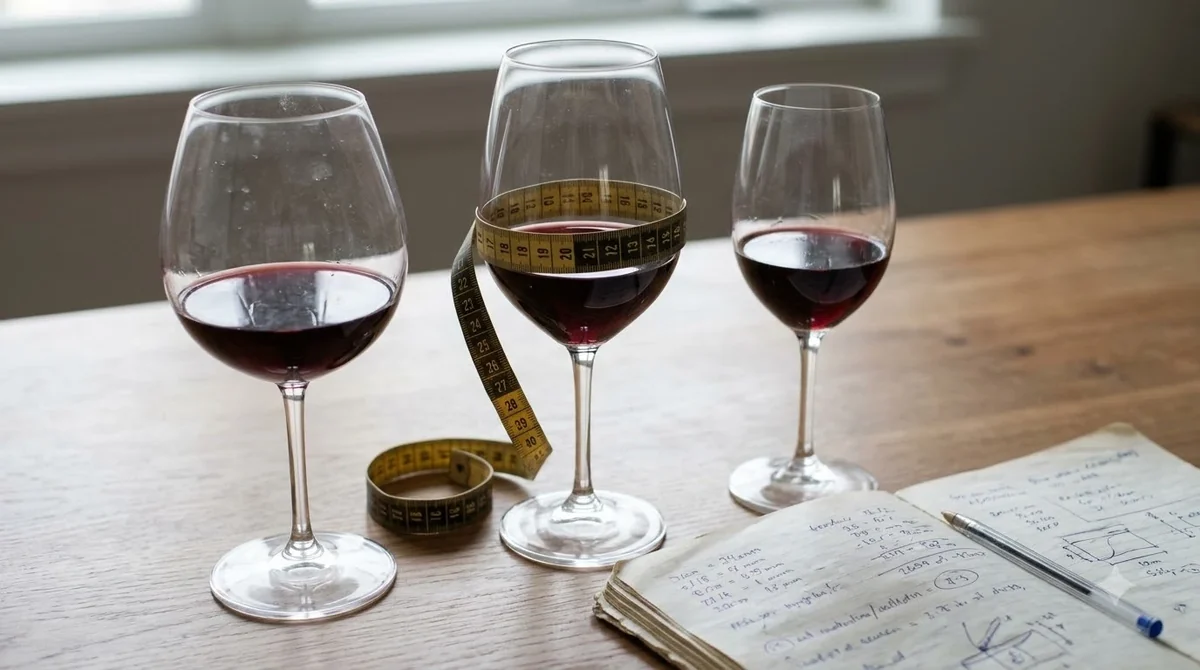
Choose a lid that matches your glass rim size. A cover that is too small will not seal, and one that is too large will slide off when you lift the glass. Stemmed glasses and stemless tumblers need different fits, so check the diameter of your most-used glass before you order a set.
Bowls that are wide at the top expose wine to more air, which can help some reds open up but can also let aromas fade faster in a hot, dry afternoon. A lid keeps the surface protected between sips, which is useful if you are not finishing the glass quickly.
Why it stands out: it keeps insects out without covering the glass completely. Keep in mind: a cover that fits too loosely will not do its job. Best for: hosts who eat outdoors often.
Best for Slow Sipping Indoors
A vented lid lets you keep a glass covered while still getting air to the wine. The openings allow some of the aroma to escape, so you can smell the glass without removing the cover, and they stop dust, pet hair, and stray crumbs from landing on the surface.
The point of a vented lid is control rather than complete sealing. Smaller openings slow the exchange of air, which suits crisp whites and sparkling wines that benefit from less oxidation. Wider openings suit reds that need a little more air as they sit.
Look for a lid with a flat, easy-to-grip handle or a tab so you can remove it without spilling. A lid that is hard to lift defeats the purpose of having one.
Why it stands out: it keeps the glass tidy while letting the wine breathe. Keep in mind: vented openings let in some insects. Best for: people who linger over a single glass at home.
Best for Travel and Events
A snap-on travel lid with a sealing rim is designed to be carried, so it needs a firm grip and a secure closure. It is useful at concerts, outdoor festivals, and on the way to a friend’s house, where a spill would be messy.
Check how the lid attaches. A lid that snaps onto the rim should click with a clear sound and should not twist off in a bag. Many travel lids have a small sipping opening, which limits splashes but makes it harder to drink quickly.
Cleaning is the trade-off. A travel lid has grooves and corners where residue can collect, so rinse it soon after use and dry it fully before storing.
Why it stands out: it stays closed in a bag or cup holder. Keep in mind: the sipping opening changes how you drink. Best for: people who take wine to events or bring it into a car.
Best for Stemless Tumblers at Home
Stemless glasses are common in everyday households because they stack easily and are harder to knock over. Their lids work differently from stemmed lids, since the rim is wider and the bowl sits lower on the table.
Stemless glasses are also held in the hand around the bowl, which warms the wine more than holding a stem. A lid can help slow that warming on a warm evening, though a chilled glass does the same job more reliably. The style is practical for casual drinking but less suited to formal wine tasting.
Choose a lid that sits flat on the rim without a gap. A flat silicone disc is often easier to use with tumblers than a deep dome, which can knock the drink when placed.
Why it stands out: it matches casual, everyday glassware. Keep in mind: stemless bowls warm faster in the hand. Best for: households that use tumblers for most wine drinking.
Best for Frequent Use and Dishwasher Cleaning
A set of heat-tolerant silicone lids is the most practical choice for people who use covers every week. Dishwasher-safe pieces save time, and a set lets you cover several glasses at once when guests arrive.
Check the label for the dishwasher setting. Top-rack cycles are gentler on silicone, and high heat can warp thin lids over time. If a lid is stained or smells after use, a quick soak in warm soapy water usually removes residue before it becomes a problem.
Store the set flat or hung so the lids keep their shape. A stack of warped lids will not seal well, which defeats the reason for buying them.
Why it stands out: it is easy to clean and covers several glasses. Keep in mind: the cost per piece is higher than a single lid. Best for: hosts and households that cover glasses regularly.
How to Choose the Right Wine Glass Lid
Start with where and how you drink. A patio needs a lid that seals against insects, a living room needs one that lets the wine breathe, and a travel setting needs a lid that stays closed in a bag.
| Factor | What to look for |
|---|---|
| Rim size | Measure your most-used glass and choose a lid that sits flat without gaps |
| Seal | Solid lids protect from insects; vented lids let the wine breathe |
| Grip | A tab or flat handle makes it easy to remove the lid without spilling |
| Cleaning | Smooth silicone rinses easily; snap-on lids need more attention to grooves |
| Glass type | Stemmed glasses and stemless tumblers need different fits |
It helps to think about how many glasses you cover at once. A single lid is useful for one person at a dinner, while a set helps when you pour for a group. For a sense of how much wine a bottle yields across glasses, the guide to how many glasses in a bottle of wine is a useful reference. For more on glassware basics, the VinePair Wine 101 guide covers glassware and serving details in one place.
Tip: Rinse a new lid before first use and let it air-dry. Silicone can carry a faint manufacturing smell that a rinse removes.
Frequently Asked Questions
What is the best wine glass lid for outdoor use?
A flexible silicone cover that seals against the rim is the most useful outdoor option. It keeps insects out without trapping the glass in heat, and it is easy to wipe clean between courses.
Do wine glass lids change the taste of the wine?
A lid mainly changes how much air reaches the wine and how much aroma you can smell. Sealed lids slow that exchange, while vented lids allow more. The difference is most noticeable with aromatic wines served over a longer period.
Can I put wine glass lids in the dishwasher?
Many silicone lids are dishwasher-safe, usually on the top rack. Check the label first, because high heat can warp thin lids and reduce how well they seal.
How do I stop a wine glass lid from slipping off?
Pick a lid that matches your rim size and sits flat on the glass. Avoid very deep domes on stemless tumblers, and press the lid evenly around the edge before setting the glass down.
A wine glass lid is a small purchase that does a useful job when it fits well. Match the lid to your rim size and to where you drink, then add a few spares for guests. Other ways to keep a table organized include a wine glass holder and a set of wine glass charms to tell glasses apart. For more ideas, browse the Accessories Library.
More in Wine Accessories
 Coravin Vs Vacu Vin: Choose the Right Wine Saver for Your BottlesUpdated Nov 21, 2026
 Zwilling Wine Stopper Review: Preserve Open Bottles LongerUpdated Nov 21, 2026
 Wine Enthusiast Wine Preserver Review: Features, Benefits and LimitationsUpdated Nov 21, 2026
 Wine Enthusiast Wine Stopper: An Easier Way to Reseal Open BottlesUpdated Nov 21, 2026
 Vintorio Wine Opener: Two-Step Cork RemovalUpdated Nov 21, 2026
 Zwilling Wine Aerator Review: Aerate, Pour, and Seal With One ToolUpdated Nov 21, 2026