

We may earn a commission when you buy through links on this page, at no extra cost to you. Learn more.
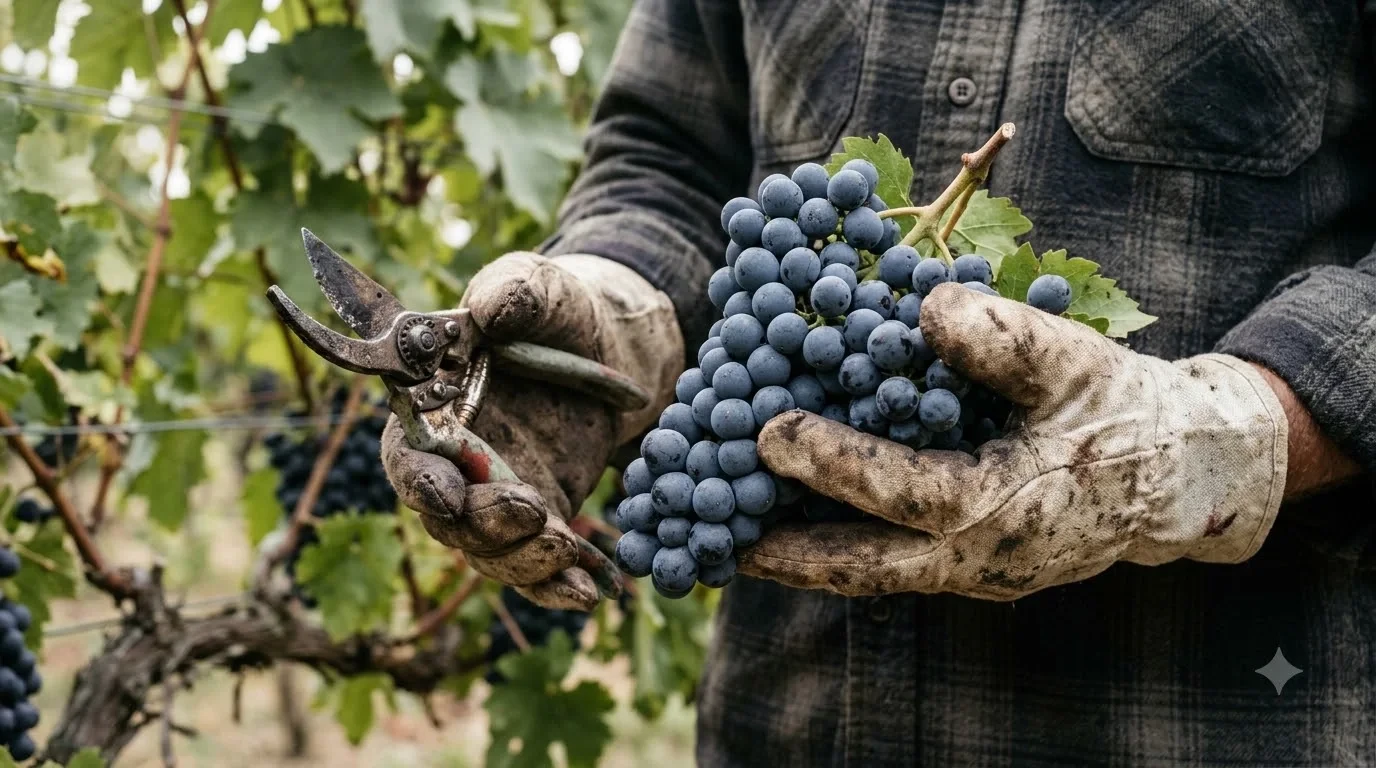
Portugal wine is known for its distinct native grapes, its fortified Port and Madeira, and a range of regions from the cool, green northwest to the hot, open plains of the Alentejo. Many of the country’s grapes are rarely grown elsewhere, which gives Portuguese wines a character that is hard to copy. Port is the best-known style, but table wines from Vinho Verde, the Douro, Dão, and the Alentejo are increasingly popular with drinkers who want something different. This guide covers the main regions, grapes, and styles, and offers practical advice for choosing a bottle.
Portugal is a small country with a long winemaking history, and its wine scene is more varied than many drinkers expect. The climate changes sharply from the wet Atlantic north to the dry, sunny south, and the country has hundreds of native grape varieties. That diversity means a bottle of Portuguese wine can taste very different depending on where it was grown. The sections below explain the regions, the grapes, and the main styles so you can read a label with confidence.
The Main Wine Regions
The Douro is the most famous region. Its steep valley is the home of Port, and it also produces table wines that have gained attention in recent years. According to the Wikipedia article on Portuguese wine, the Douro was demarcated in 1758, and the Douro Valley is a UNESCO World Heritage site. Its vineyards sit on schist soils, which help shape the concentrated, structured character of the region’s reds.
Vinho Verde lies in the northwest, in the Minho province. Its name refers to wines picked slightly under-ripe, which gives them a fresh, light style and a touch of natural sparkle in some bottles. Most Vinho Verde is white, and it is one of the most exported Portuguese wines after Port. Dão is a mountainous, temperate region in the centre of the country that was demarcated in 1908, and it is known for elegant reds and whites with good structure. The Alentejo, in the south, is a region of large vineyards on rolling plains, where some producers still ferment and age wine in large clay vessels, a method with roots in Roman times.
Port, Madeira, and Other Fortified Styles
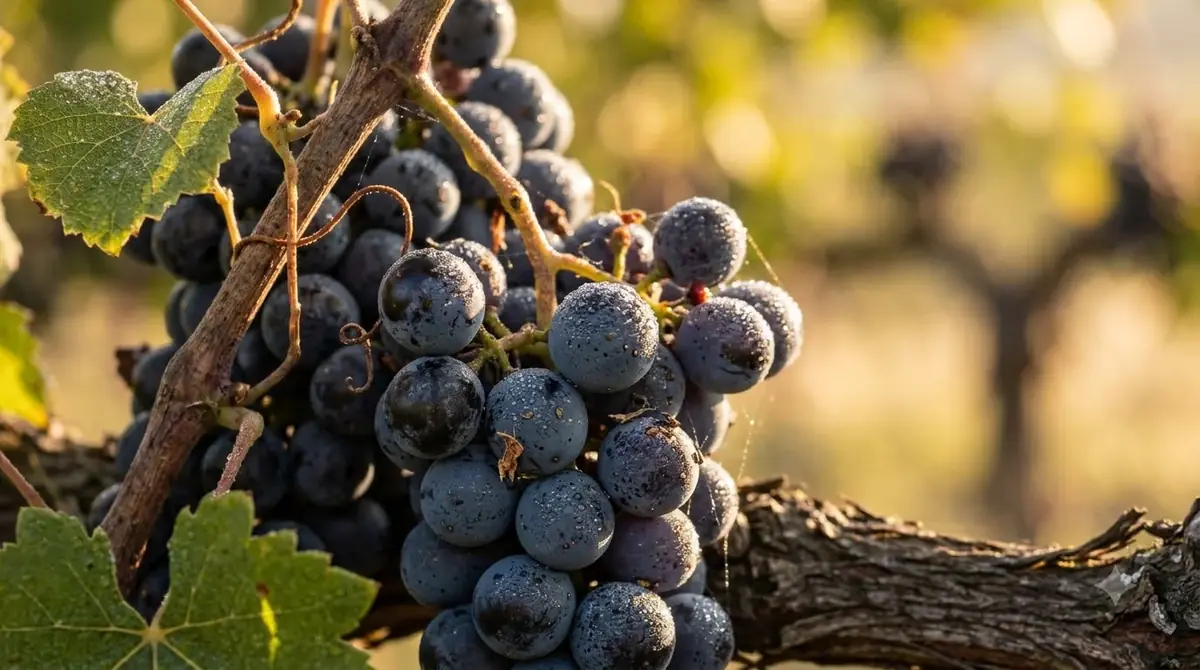
Port is made in the Douro and shipped from Porto, and it is one of the most recognizable fortified wines in the world. The Wikipedia article explains that English traders added Portuguese grape brandy to the wine to stop it spoiling on the long voyage to England, and documented export records date to 1679. The Methuen Treaty of 1703 helped build the modern export trade with England. Today the common styles include Tawny, which is aged in wood and shows nutty, dried-fruit flavors; Ruby, which is fresher and fruitier; White Port; and Late Bottled Vintage (LBV), which is a fuller red that is bottled after several years of aging in tank.
Madeira is a separate fortified wine from the island of the same name. It is known for its heat-stable character, which comes from a unique heating and aging process, and it can keep for a long time after opening. Its grapes include Sercial and Verdelho, which give dry and medium-dry styles. Setúbal, south of Lisbon, is known for sweet Moscatel wines. These fortified styles are a good starting point for readers who enjoy rich, complex wines after dinner.
The Grapes You Should Know
Portugal’s native grapes are the main reason its wines stand out. Among the whites, Alvarinho is the signature grape of Vinho Verde and gives aromatic, citrus-driven wines with good acidity. Arinto is widely planted and adds freshness and minerality, while Loureiro brings floral notes. Encruzado is valued in Dão for its texture and aging potential, and Antão Vaz is an important white in the Alentejo.
The reds are just as distinctive. Touriga Nacional is the best-known red variety and is central to Port as well as to premium table wines from the Douro, Dão, and Tejo. The Wine Folly grape guide to Touriga Nacional calls it “an increasingly important red” and lists blueberry, violet, and mint notes, with a recommended serving temperature of 60 to 68 degrees Fahrenheit in an oversized glass. Tinta Roriz, the local name for Tempranillo in parts of the country, is important in the Douro and Dão. Baga, which gives tannic, high-acid reds, is the signature grape of Bairrada. Aragonez and Trincadeira are widely planted in the Alentejo and the Tejo, where they produce ripe, warm-climate reds.
| Region | Best known for | Typical grapes |
|---|---|---|
| Douro | Port and structured table reds | Touriga Nacional, Tinta Roriz |
| Vinho Verde | Fresh, light whites and some sparkling styles | Alvarinho, Loureiro, Arinto |
| Dão | Elegant reds and whites with good structure | Touriga Nacional, Encruzado |
| Alentejo | Ripe, warm-climate reds and whites | Aragonez, Trincadeira, Antão Vaz |
| Madeira | Long-lasting fortified wine | Sercial, Verdelho |
Tip: Vinho Verde is a style name as much as a region. It is best served well chilled and is a natural partner for light seafood and salads.
Understanding Portuguese Labels
Portuguese labels use a classification system that is worth learning. DOC, which stands for Denominação de Origem Controlada, is the highest protected designation and covers the most protected wines, such as Port and Vinho Verde. IPR, or Indicação de Proveniência Regulamentada, covers wines with additional rules that sit outside a DOC region. Vinho Regional indicates a specific region without the full DOC framework, and Vinho de Mesa, or table wine, shows only the producer and Portuguese origin.
The system can seem complicated, but the practical rule is simple. A DOC or a named region on the label usually means the wine follows clear rules about grapes and production. A table wine can still be enjoyable, but it gives less information about where the grapes were grown. Check the grape names on the back label, since Portuguese producers often list several varieties in a single blend.
How to Serve and Pair Portuguese Wine
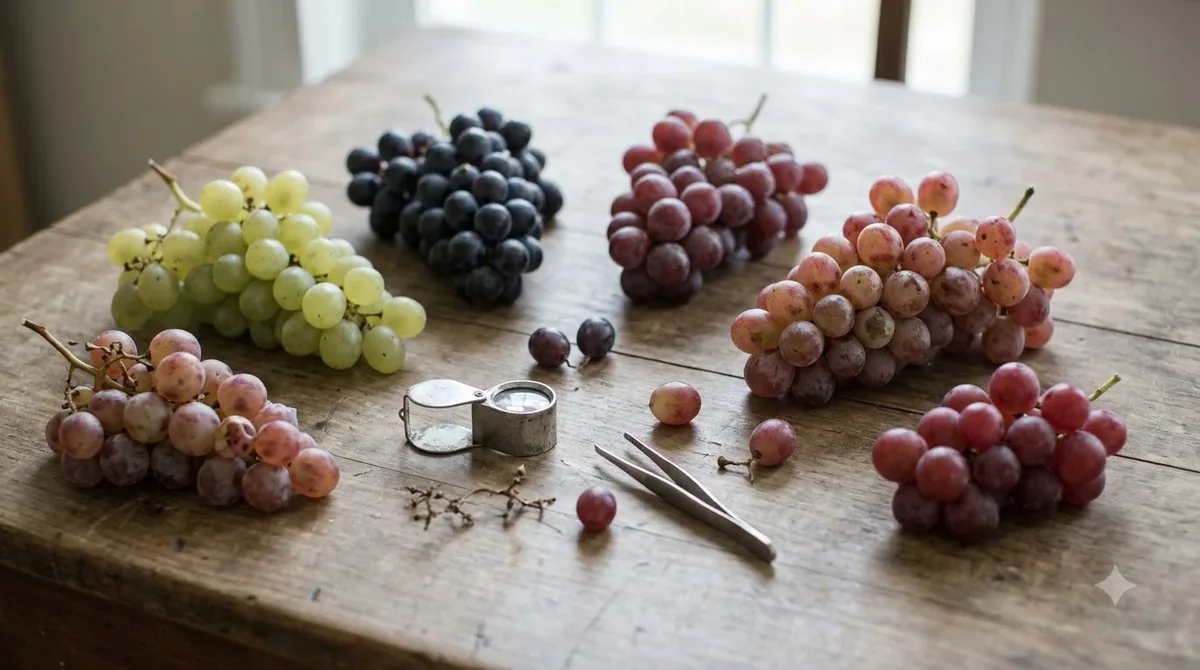
Serve white wines from Vinho Verde and Alvarinho well chilled, which keeps their fresh acidity lively. Reds from the Douro and Dão do well slightly cooler than room temperature, especially when they are young and firm. Tawny Port tastes best slightly chilled, while Ruby is often served at cellar temperature. Madeira can be enjoyed at room temperature, and dry styles are a good match for soup or nuts.
Portuguese food is a natural partner for local wine. Grilled fish and seafood suit Vinho Verde, and the region’s rustic roasts and stews fit well with the firmer reds of the Douro and the Alentejo. A simple cheese board with Port is a classic finish, and Tawny pairs especially well with nut-based desserts.
Choosing a Portuguese Bottle
If you are new to Portuguese wine, start with a Vinho Verde for a light, refreshing white, or with a Douro red for something structured and food-friendly. Those who enjoy dessert-style wines can explore Tawny or LBV Port, while readers who like complex, long-lasting wines may want to try a Madeira. Check the vintage and producer, and read a few independent tasting notes before buying a higher-level bottle, since the quality range is wide.
Look for wines that name a specific village, estate, or sub-region, as those labels usually say more about the wine’s character. Small producers in the Dão and Alentejo often offer excellent value compared with more famous regions, which makes Portugal a rewarding place to explore on a limited budget.
Frequently Asked Questions
What is the difference between Port and table wine from the Douro?
Port is a fortified wine, which means brandy is added during fermentation to stop it and leave residual sweetness. Table wines from the Douro are not fortified and tend to be dry. Both come from the same valley, but the winemaking and style are different.
Why is Vinho Verde called green wine?
The name refers to wines picked slightly under-ripe, which gives them a fresh, light character. It does not mean the wine is green in color. Most Vinho Verde is white and is meant to be enjoyed young.
Which Portuguese grape is the most famous?
Touriga Nacional is the best-known red grape, and it is central to Port and to premium table wines from the Douro, Dão, and Tejo. Alvarinho is the signature white grape of Vinho Verde.
Is Portuguese wine a good value compared with other European wine?
Often it is. Many regions offer distinctive, well-made wines at approachable levels, particularly from smaller producers in the Dão and Alentejo. Quality varies, so reading reliable tasting notes helps when you are choosing a bottle.
Portuguese wine rewards curiosity. Once you know the main regions and grapes, the labels become easier to read, and each bottle tells you something about its place. For a broader look at how countries compare, the wine regions section explains the systems behind many famous appellations. Readers who want to explore another European wine country can also look at the guide to Italy wine, and the guide to Bordeaux wine offers a classic French comparison.
More in Wine Regions
 Willcox Wine Trail: Discover Arizona’s High-Elevation Wine CountryUpdated Nov 20, 2026
 Yakima Valley Wine Region: Find the Best Styles to TryUpdated Nov 20, 2026
 Vosne Romanee Wine Tasting: Identify Aromas and Choose Better PairingsUpdated Nov 20, 2026
 Yakima Valley Wine Festival: Find the Best Seasonal Wine EventsUpdated Nov 20, 2026
 Wales Vineyards: Discover Cool-Climate Wines and Where to VisitUpdated Nov 20, 2026
 Yountville Wine Festival: Discover Napa Wines and Local FoodUpdated Nov 20, 2026