
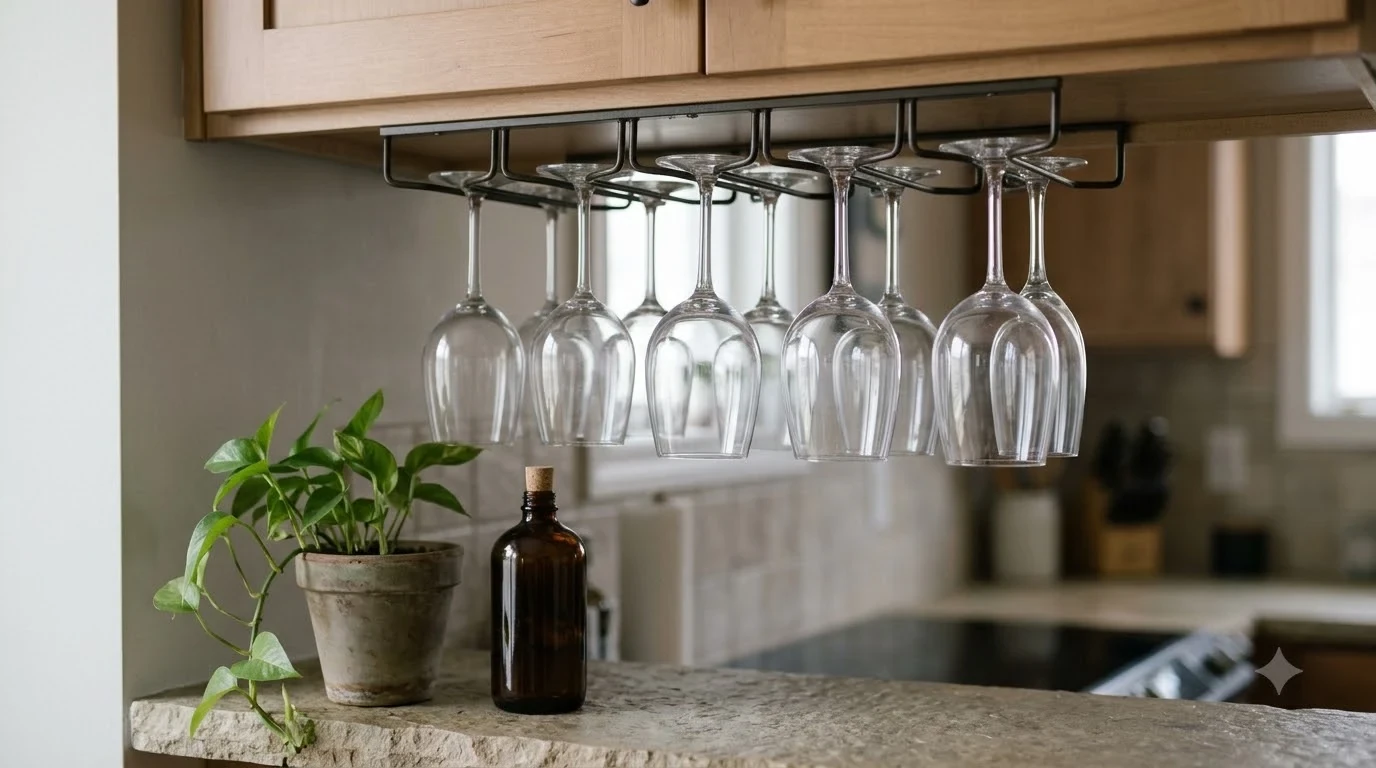

We may earn a commission when you buy through links on this page, at no extra cost to you. Learn more.
This schott zwiesel wine glass review finds that Schott Zwiesel is a strong choice for wine drinkers who want elegant crystal stemware with better everyday durability and convenient dishwasher cleaning. Its proprietary Tritan crystal technology combines clarity with resistance to breakage and scratching, while its collections offer different bowl shapes for red, white, and sparkling wines. The main limitation is that durability does not mean unbreakability, and choosing the right collection matters more than buying the brand name alone.
Wine glasses influence more than the appearance of a table. Bowl shape affects how aromas collect, rim thickness influences the drinking experience, and the weight and balance of a glass determine whether it feels comfortable during a long dinner. Schott Zwiesel approaches these details with a combination of traditional crystal-glass aesthetics and modern manufacturing technology.
The brand is particularly interesting for households that use their stemware regularly rather than reserving it for special occasions. Its glasses are designed to withstand repeated cleaning and everyday handling, but different collections have different shapes, proportions, and intended uses. This review examines the material, design, customer experiences, practical limitations, and alternatives to consider before choosing a set.
Specs and Key Features
Schott Zwiesel’s defining feature is its proprietary Tritan crystal glass, which combines visual clarity with practical resistance to everyday wear. The manufacturer’s Forté white wine glass provides a useful example of the specifications and construction available within the range.
| Specification | Manufacturer-listed detail |
|---|---|
| Brand | Schott Zwiesel |
| Glass material | Tritan crystal glass |
| Example collection | Forté (formerly Viña) |
| Example glass type | White wine glass |
| Capacity | 404 ml |
| Height | 217 mm |
| Diameter | 82 mm |
| Manufacturing method | Machine-blown |
| Finish | Clear crystal |
| Package quantity | 4 glasses |
| Dishwasher suitability | Yes |
| Intended wines | Riesling, Sauvignon Blanc, Chardonnay, Silvaner, and others |
These measurements belong specifically to the Forté white wine glass, not every Schott Zwiesel model. The company’s broader selection includes different bowl sizes, shapes, and capacities, so buyers should compare individual product specifications rather than assume that every glass has the same proportions.
Understanding Tritan crystal
Tritan is the material technology that distinguishes much of Schott Zwiesel’s stemware. The manufacturer describes its crystal as clear and brilliant, with particular resistance to breakage and dishwasher use. It also highlights a fine rim, thin walls, carefully considered shapes, and a stable base as design characteristics.
These characteristics address a common compromise in wine glass shopping. Very delicate crystal can look refined and feel light but may require more careful handling. Heavier everyday glasses can withstand regular use but sometimes sacrifice the fine rim and elegant proportions that wine enthusiasts prefer. Schott Zwiesel aims to combine these qualities rather than forcing buyers to choose one or the other.
There is an important distinction between Tritan crystal and ordinary Tritan plastic. They are different materials. Schott Zwiesel uses the Tritan name for its proprietary crystal-glass technology, not the plastic commonly associated with reusable water bottles.
Construction and everyday functionality
The machine-made construction of collections such as Forté makes consistent dimensions and practical everyday use possible. A stable foot helps the glass stand securely, while the stem provides a way to hold the wine without warming it unnecessarily with the hand.
Clarity is another important feature. Transparent glass allows drinkers to assess a wine’s color, intensity, and visual condition. That matters when comparing a pale Sauvignon Blanc with a deeper Chardonnay or examining the ruby and garnet tones of different Pinot Noir wines.
The practical advantage is that these glasses are not designed solely for occasional formal dinners. They can serve at casual meals, weekend gatherings, and more structured wine tastings without requiring a separate set of fragile stemware for every occasion.
What Owners Like About Schott Zwiesel Glasses
Customer feedback frequently highlights the combination of attractive appearance, comfortable handling, and resistance to ordinary wear. These qualities make the brand appealing to people who want their wine glasses to remain part of the regular dinnerware rotation.
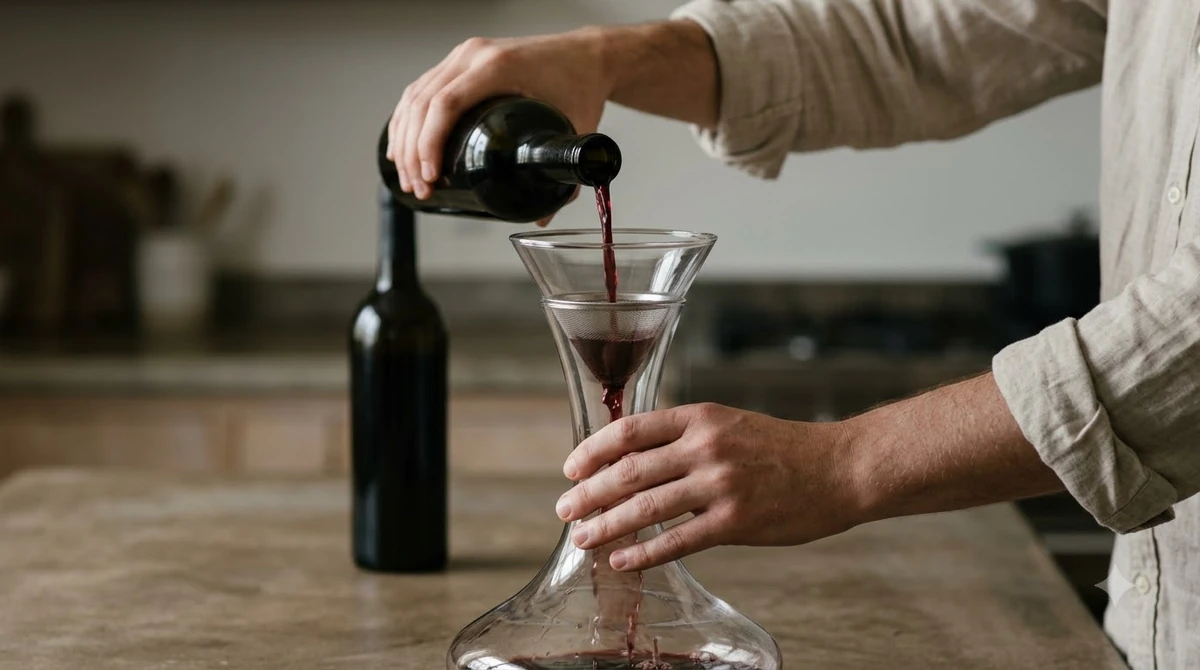
Reviews published by specialist retailer IWA Wine offer useful examples of owner experiences with Schott Zwiesel’s Pure Cabernet glasses. Customers mention good balance, a thin rim, attractive clarity, and suitability for repeated use. One owner also describes using the Cabernet glass as an all-purpose option for several years while appreciating its continued shine.
These comments are useful because they address practical characteristics that are difficult to judge from a product photograph. A glass can look elegant online but feel awkward when filled, lifted, or carried across a dining table. Feedback about balance and rim comfort suggests that the design works for at least some regular users.
Clarity and appearance
Clear crystal is one of the brand’s most recognizable strengths. Schott Zwiesel glasses have a clean, understated appearance that works with both contemporary table settings and traditional dinnerware. Their transparent construction also avoids decorative details that might distract from the wine itself.
The clarity is especially useful for people who serve different wine styles throughout the week. A pale Pinot Grigio, a golden Chardonnay, and a dark Cabernet Sauvignon all benefit from an unobstructed view of the liquid.
For entertaining, the simple appearance is also versatile. A matching set can work for a casual dinner, a holiday meal, or a more formal wine-focused gathering without looking out of place.
Comfortable rims and balance
Owners frequently mention the drinking edge as a positive feature. A fine rim creates a more refined contact point than the thick rolled edges found on some inexpensive everyday glasses. It does not change the fundamental quality of the wine, but it can make the physical drinking experience more pleasant.
Balance matters just as much. A wine glass should feel stable when standing on a table and comfortable when lifted by the stem. A broad bowl with a narrow base can look impressive, but poor proportions can make it feel awkward during repeated use.
Customer comments about the Pure Cabernet glass suggest that its shape and weight are appealing to people who prefer a substantial bowl without an excessively heavy overall feel. Individual preferences differ, however, so people who strongly prefer extremely lightweight handmade stemware may have a different experience.
Practical durability
Dishwasher suitability is one of the most attractive features for households that use wine glasses several times a week. Instead of treating every glass as a delicate object that must be washed separately, owners can incorporate suitable machine-made models into their normal cleaning routine.
Reviews also mention continued shine and clarity after repeated use. That is particularly valuable for households that want matching glassware for several years rather than replacing cloudy or damaged pieces frequently.
Still, owner experiences are individual reports, not controlled durability tests. The strongest purchasing case comes from combining these reports with the manufacturer’s material specifications and care instructions.
Common Complaints and Limitations
Schott Zwiesel’s durability reputation should not be confused with a promise that its glasses cannot break. The glasses remain crystal stemware with exposed rims, stems, and bases that can be damaged by impact, twisting, or careless storage.
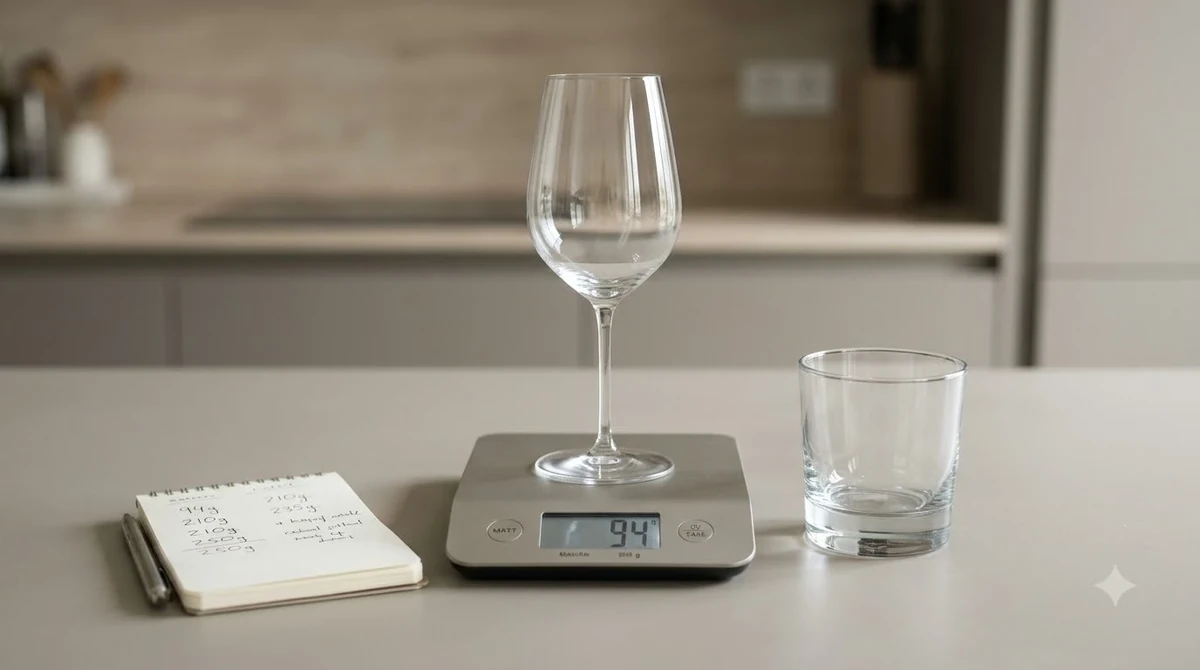
Customer feedback on IWA Wine includes criticism from owners who experienced chipped or broken glasses despite the durability claims. Other customers report years of satisfactory use. This difference illustrates why Tritan technology should be understood as an improvement in resistance rather than a guarantee against accidental damage.
Durable does not mean indestructible
The stem is one of the most vulnerable parts of any traditional wine glass. Pressure applied in the wrong direction can cause a break even when the bowl and base are relatively resistant to everyday knocks. A glass can also chip if its rim strikes another glass, a metal tap, or a hard surface.
Schott Zwiesel’s Tritan technology is intended to improve durability, not eliminate the physical limitations of glass. Owners should still avoid stacking stemware, forcing glasses into crowded dishwasher racks, or gripping a bowl and twisting the stem during polishing.
This distinction is especially important for households with children, frequent parties, or limited cupboard space. A more durable glass is a sensible choice, but it is not necessarily the ideal option for situations where breakage is a constant possibility.
Collection differences can cause confusion
Another potential difficulty is the number of collections and product variations. Schott Zwiesel offers glasses intended for different wine varieties, and the differences are not always obvious from a photograph. Two glasses may have similarly shaped bowls but different capacities, heights, or rim proportions.
The Forté white wine glass, for example, has a listed capacity of 404 ml and a height of 217 mm. Those dimensions should not be applied to a Pure red wine glass or a Vervino white wine model. Buyers who want a matching set should compare the exact collection and glass type rather than relying on the brand name alone.
Not every drinker wants machine-made stemware
Some wine enthusiasts prefer individually crafted glasses with exceptionally delicate walls and distinctive handmade proportions. Schott Zwiesel’s machine-made collections prioritize consistency and everyday functionality, which may not appeal to someone whose main interest is owning highly specialized tasting stemware.
That does not make machine-made glass inferior. It means the intended experience is different. People who value convenient cleaning, matching replacements, and practical durability may prefer this construction, while collectors may prioritize craftsmanship and individuality.
There is also a difference between a refined drinking rim and the absolute lightness of very delicate stemware. Buyers who are particularly sensitive to glass weight should pay attention to the individual collection rather than assuming every Schott Zwiesel glass will feel identical.
Who Should Buy Schott Zwiesel and Who Should Skip It
Schott Zwiesel is best suited to people who want crystal wine glasses that can handle frequent entertaining and routine cleaning without giving up a polished appearance. Its broad selection also makes it practical for households that serve more than one wine style.
Who should consider buying
- Regular wine drinkers: People who pour wine several evenings a week can benefit from glasses designed for regular use rather than occasional display.
- Frequent hosts: Matching sets create a consistent table presentation for dinner parties, family celebrations, and gatherings with several guests.
- Dishwasher users: People who prefer machine cleaning will appreciate the dishwasher suitability of the manufacturer’s machine-made Tritan crystal collections.
- Wine enthusiasts building a collection: Different bowl shapes make it possible to select dedicated glasses for Cabernet Sauvignon, Pinot Noir, Chardonnay, and sparkling wines.
- Buyers who value clear, understated design: The transparent crystal construction works with many table settings and does not introduce distracting decoration.
- Restaurants and hospitality settings: The combination of consistent construction and practical durability makes appropriate collections worth considering for professional service.
Who should consider alternatives
- People seeking unbreakable drinkware: Crystal is not the right material if complete resistance to breakage is the main requirement.
- Outdoor entertainers: Picnics, poolside gatherings, and crowded outdoor events may be better served by purpose-built non-glass drinkware.
- Collectors of handmade glassware: Those who prioritize individually crafted pieces may prefer specialist handmade alternatives.
- Minimal-storage households: Traditional stemmed glasses require careful cupboard space and cannot be stacked like many tumblers.
- People who rarely drink wine: A single versatile glass or a small mixed-use set may make more sense than buying several specialized shapes.
For most households, the most important decision is not whether Schott Zwiesel is a reputable name. It is whether the particular collection matches the wines being served, the available storage space, and the way the glasses will be cleaned.
How It Compares to Alternatives
Schott Zwiesel occupies a useful middle ground between basic everyday glassware and highly delicate specialist stemware. Its main point of distinction is the combination of Tritan crystal, refined proportions, and dishwasher-oriented practicality.
Its collections should be compared by their intended purpose rather than treated as interchangeable. Pure, Forté, and Vervino are useful examples of the range of options discussed by retailers and the manufacturer, with different designs intended for different serving preferences.
Schott Zwiesel Pure
Pure is a collection worth considering for drinkers who want a contemporary appearance and glasses designed around particular wine styles. The Pure Cabernet glass is one example of the larger-bowl approach, and customer feedback on IWA Wine highlights its balance, clarity, and relatively fine rim.
Its proportions make it a reasonable option for people who regularly serve fuller-bodied reds such as Cabernet Sauvignon. A larger bowl gives the wine room for swirling and allows aromas to collect above the liquid, although the correct serving temperature and wine condition remain more important than the glass alone.
Pure is a particularly interesting choice for people who want their stemware to look refined while remaining practical enough for regular use. Those who prefer compact, simple glasses may find another collection more suitable.
Schott Zwiesel Forté
Forté, previously called Viña, is a practical collection with an emphasis on everyday functionality. The manufacturer’s white wine glass has a 404 ml capacity, a 217 mm height, and a machine-blown Tritan crystal construction.
The manufacturer lists wines including Riesling, Sauvignon Blanc, Chardonnay, Silvaner, and Grüner Veltliner as suitable choices. This makes the white wine glass particularly relevant for households that regularly serve aromatic and refreshing white wines.
Forté is worth considering if straightforward everyday stemware is more important than choosing an elaborate assortment of highly specialized shapes. Its practical orientation is a strong reason to consider it for a first matching wine glass set.
Schott Zwiesel Vervino
Vervino offers another approach to wine-specific glassware. Williams Sonoma describes its Sauvignon Blanc glasses as crystal stemware with laser-cut rims and Tritan titanium technology. Its product information also identifies the glasses as dishwasher-safe and designed for light white wines.
This collection deserves attention from people who want a dedicated white wine glass rather than a general-purpose bowl. Sauvignon Blanc and other aromatic whites benefit from shapes that allow aromas to develop without relying on the very large bowls associated with some red wine glasses.
Vervino is therefore a sensible collection to compare with Forté when selecting white wine stemware. The better choice depends on preferred proportions, available matching pieces, and the particular wine styles served most frequently.
Choosing a broader glassware set
For shoppers who are still comparing brands and styles, a broader Glassware Brands overview can help establish which characteristics matter most. A dedicated wine glass set comparison is also useful when the goal is to equip an entire household rather than purchase one specialized glass.
People who prefer fewer pieces should also consider a universal wine glass. A well-proportioned all-purpose glass can handle many everyday red and white wines, although it will not reproduce every advantage of a specialized Burgundy, Cabernet, or sparkling wine shape.
For sparkling wine drinkers, a dedicated best champagne glass comparison is useful because a flute or tulip-shaped sparkling glass serves a different purpose from a conventional red or white wine glass.
Care, Cleaning, and Long-Term Performance
Schott Zwiesel’s dishwasher-friendly construction is a significant practical advantage, but proper loading and cleaning remain important. Following the manufacturer’s temperature, spacing, and drying recommendations helps preserve clarity and reduces unnecessary stress on the glass.
The manufacturer recommends a dishwasher temperature between 50°C and 55°C, with 65°C as the maximum. It also recommends short programmes and sufficient space between glasses, rather than allowing stemware to touch during a wash cycle. Its complete glass handling and care instructions provide additional guidance on cleaning, storage, and temperature changes.
Dishwasher care
Start by removing visible food residue and checking that the dishwasher’s filters, nozzles, and spray arms are clean. Position each glass securely so that it cannot move into another glass or an object during the cycle. The upper rack is preferable when it provides enough clearance from the spray arm.
Use a suitable glassware programme and avoid excessively long cycles lasting several hours. High temperatures and repeated mechanical contact are unnecessary sources of stress. Water quality also matters: mineral deposits can leave spots or reduce the visual clarity of otherwise well-maintained glassware.
Tip: Keep a small gap between every glass in the dishwasher, use the manufacturer’s recommended 50°C to 55°C temperature range, and open the dishwasher promptly after the cycle. Most avoidable cleaning damage comes from poor loading and glass-to-glass contact rather than ordinary washing itself.
Drying and polishing
After washing, allow steam to escape by opening the dishwasher promptly. Remove the glasses carefully, holding them by the stem or foot instead of gripping the bowl and applying pressure to the stem.
For hand drying and polishing, choose a clean lint-free cloth. The manufacturer specifically recommends pure linen or microfiber. These materials help prevent fibers from being left on the glass and reduce the need for repeated polishing.
Thin-walled glasses require particular attention. If polishing a delicate glass, support the bowl and foot separately rather than twisting the bowl while holding the base. That movement can place unnecessary pressure on the stem and create a break even when the glass is otherwise in good condition.
Storage between uses
Store stemware in a cupboard with enough vertical clearance to prevent rims from touching shelves or neighboring objects. Avoid tightly packing several glasses together, especially if the cupboard is opened and closed frequently.
Stemmed glasses should not be stacked unless the manufacturer specifically designs them for stacking. Stacking creates pressure on rims and increases the possibility of scratches or chips. If space is limited, a smaller number of versatile glasses may be more practical than a large assortment of specialized pieces.
Before using a glass, inspect the rim and bowl for cracks, chips, or sharp fragments. A damaged glass should no longer be used. Durability technology cannot make damaged crystal safe to drink from.
Frequently Asked Questions
Are Schott Zwiesel wine glasses made in Germany?
Zwiesel Glas identifies Zwiesel in the Bavarian Forest as its principal production location and corporate headquarters. Its manufacturing operations include both machine-made and handmade glassware, although individual product ranges can have different production arrangements. Buyers interested in the origin of a particular model should distinguish the general company manufacturing location from the production details of that specific glass.
Are Schott Zwiesel glasses lead-free?
Zwiesel Glas describes its Tritan crystal as a modern crystal-glass material developed for clarity and durability without relying on traditional lead crystal formulations. This is an important distinction for shoppers comparing modern crystal glassware with traditional lead crystal. Buyers can consult the material information for the particular collection they are considering.
Can Schott Zwiesel wine glasses be used for water?
Yes. Wine glasses can also serve water at meals, although their bowl shapes and stems may make them less convenient than ordinary tumblers for some households. A larger red wine bowl can comfortably accommodate water, while smaller white wine glasses can be useful for formal table settings. Using a wine glass for water does not change its intended wine-specific design.
What is the difference between machine-made and handmade Zwiesel glasses?
Machine-made glasses are produced using manufacturing equipment designed to create consistent dimensions across a collection. Handmade glasses involve more individual craftsmanship and can have distinctive variations in shape and construction. Zwiesel Glas offers both categories, so the manufacturing method should be considered separately from the material technology when comparing collections.
Do Schott Zwiesel glasses have a special identifying sound?
Zwiesel Glas refers to the characteristic sound of its Tritan crystal as the Zwiesel note. The company uses this distinctive sound as part of its brand identity. It is a descriptive feature of the material and glass construction rather than a practical test that buyers should use to determine whether a glass is genuine or undamaged.
Schott Zwiesel is a convincing option for households that want attractive crystal stemware with practical everyday durability, clear construction, and convenient cleaning. Forté is particularly worth considering for straightforward everyday use, while Pure and Vervino offer alternatives for drinkers with more specific preferences. Choose the collection and bowl shape that match the wines you actually serve, and follow the manufacturer’s care instructions to keep the glasses looking their best over time.
More in Wine Glasses
 Spiegelau Crystal Wine Glasses That Bring Clarity to Every PourUpdated Nov 21, 2026
 Zalto Crystal Wine Glasses: Are They Worth the Investment?Updated Nov 21, 2026
 Villeroy And Boch White Wine Glasses for a More Cohesive TableUpdated Nov 21, 2026
 Zalto Wine Glasses On Sale: Find the Right Denk’Art GlassUpdated Nov 21, 2026
 Zwiesel Glas Champagne Glasses: Features, Quality and Buying AdviceUpdated Nov 21, 2026
 Zwiesel Glas Decanter Review: A Durable, Elegant Choice for Wine ServiceUpdated Nov 21, 2026