

We may earn a commission when you buy through links on this page, at no extra cost to you. Learn more.
The paksh decanter is a 23.75-ounce Italian-crafted glass serving vessel with a geometric stopper, weighted base, and versatile design for wine and spirits. The Paksh Capitol model is an attractive option for home bars and formal tables, particularly for people who value substantial glassware and a fitted stopper. However, its bottle-like shape and relatively modest capacity make it better suited to serving and displaying wine than to traditional wide-surface-area wine aeration.
The Paksh Capitol Glass Decanter is an interesting crossover between a wine-serving vessel and a traditional whiskey decanter. Its clear glass construction, substantial base, and distinctive stopper give it a formal appearance, while its capacity accommodates a useful amount of wine for a small gathering. The important distinction is that an attractive decanter is not automatically an effective aerating vessel. Understanding its construction, pouring characteristics, and intended use makes it easier to decide whether this Paksh model deserves a place in a wine collection.
Specs and Key Features of the Paksh Capitol Decanter
The Paksh Capitol combines a 23.75-ounce capacity with thick Italian-crafted glass and a geometric stopper. Its design emphasizes presentation, stability, and beverage storage rather than the broad bowl associated with many dedicated wine aerators.
Paksh Novelty identifies this product as the Capitol Glass Decanter, model PN-CD. The listing describes a clear glass vessel with sloped sides, a weighted base, and a stopper incorporating a plastic contact tip. These details give the product a recognizable appearance without relying on decorative patterns or colored glass.
Capacity is an important consideration for wine drinkers. A standard 750 ml wine bottle contains approximately 25.4 fluid ounces, while the Capitol is listed at 23.75 ounces. That means the decanter cannot accommodate the entire contents of a standard bottle if filled to its stated maximum capacity. The difference is small enough for serving purposes to remain practical, but buyers should understand that the vessel is not a full-bottle decanter.
| Specification | Paksh Capitol details |
|---|---|
| Brand | Paksh Novelty |
| Product name | Capitol Glass Decanter |
| Model number | PN-CD |
| Capacity | 23.75 fl oz |
| Material | Italian-crafted glass |
| Color | Clear |
| Stopper | Geometric glass stopper with plastic contact tip |
| Base | Weighted base |
| Body design | Sloped sides and smooth exterior |
| Listed dimensions | 10.5 x 5.5 x 3 inches |
| Engraving | Smooth sides suitable for personalization |
| Intended beverages | Wine, whiskey, bourbon, brandy, juice, and water |
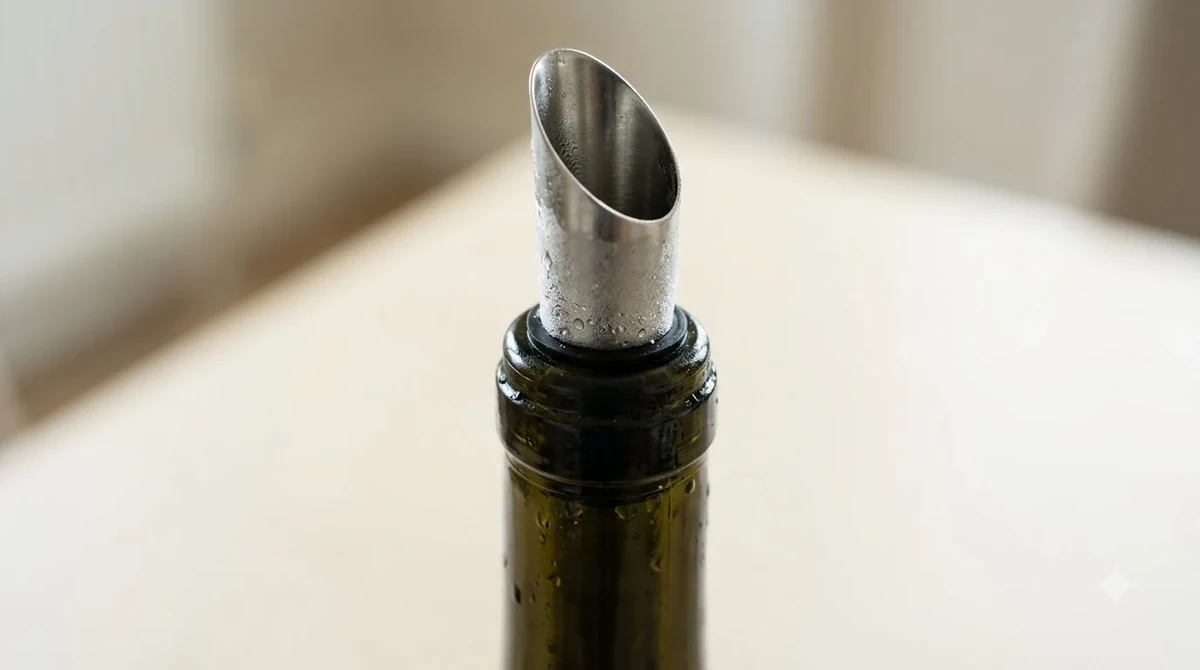
One of the more interesting features is the stopper. Its plastic contact point is intended to improve the fit against the glass opening and reduce the possibility of chipping when the stopper is inserted or removed. The design also aims to limit evaporation during storage. That is useful for a serving vessel, although a stopper should not be treated as a substitute for proper wine preservation equipment.
The weighted base is another practical feature. A stable bottom can make a difference when a vessel is placed on a dining table or home bar, particularly when guests are pouring drinks throughout an evening. The sloped sides are also intended to provide a more controlled grip than a completely straight-sided bottle.
There is one specification worth distinguishing: the product description gives the vessel’s dimensions as 10.5 by 5.5 by 3 inches, while the listed shipping-package dimensions are different. Buyers measuring a shelf or cabinet should allow additional clearance rather than assuming the shipping dimensions describe the finished vessel.
For shoppers comparing different glassware categories, the Paksh design belongs more naturally alongside decorative bar decanters than specialized wine-serving equipment. A separate collection of Glassware Brands can help identify other styles of glassware for a coordinated home bar.
What Owners Like About Its Construction and Appearance
Owner feedback highlights the substantial glass construction, attractive appearance, and stopper design as the product’s main strengths. These are meaningful advantages for a decanter that may spend as much time on display as it does being used for serving.
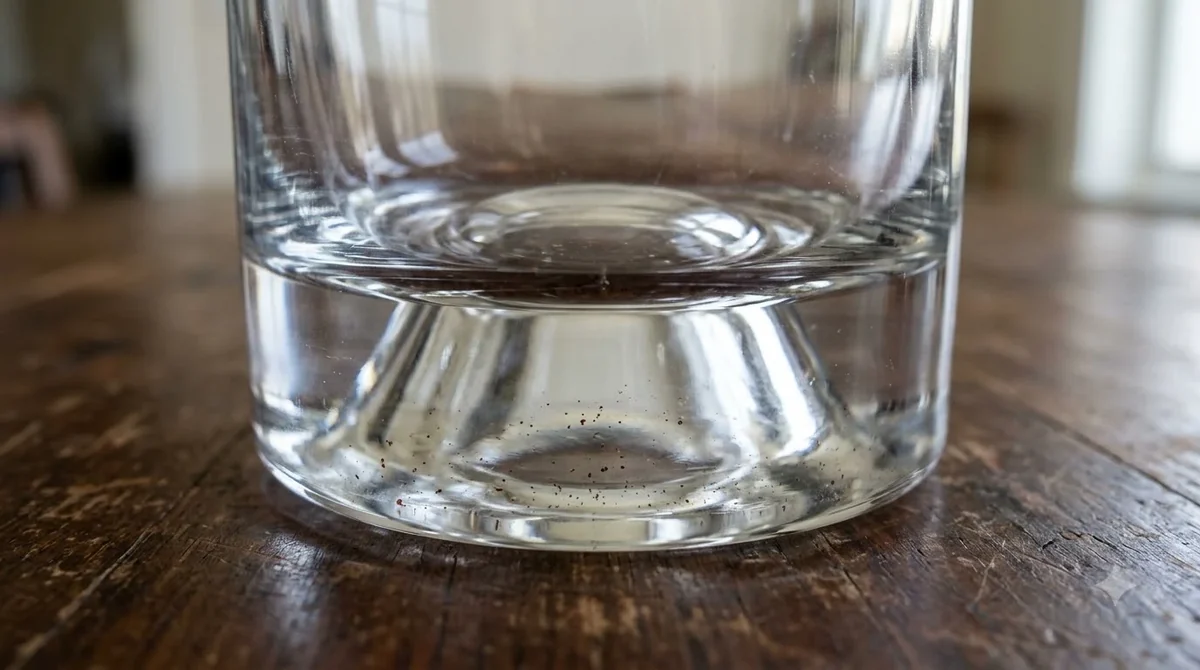
Several customer comments on the Advanced Mixology product listing describe the vessel as heavy, attractive, and well made. Owners also mention the stopper’s convenient handling and the decanter’s suitability for a home bar. These observations suggest that its strongest appeal is the combination of visual presentation and a substantial feel rather than technical wine-aeration performance.
The thick-glass construction is particularly relevant to buyers who dislike lightweight decorative vessels. A heavier decanter can feel more substantial when lifted from a table, and the weighted base helps it remain steady when resting on a level surface. These features suit a formal dinner setting, where a serving vessel becomes part of the table presentation.
Another point of interest is the clear exterior. Unlike colored or heavily patterned glass, a transparent decanter lets the wine’s natural color remain visible. That matters when presenting a deep-colored Cabernet Sauvignon, a ruby-red Merlot, or a lighter Pinot Noir. It also makes the decanter easier to coordinate with different styles of dinnerware and wine glasses.
The stopper and storage appeal
The geometric stopper provides a distinctive finishing detail. It is large enough to be visually prominent, and the plastic contact tip is intended to protect the glass-to-glass contact area. Owners who appreciate decorative barware may find this more appealing than a plain cork or an exposed open neck.
The stopper also provides a practical way to cover the vessel between servings. For a home bar, that can help keep dust and other airborne particles out of the remaining liquid. Its intended airtight fit is a useful feature, but the presence of a stopper does not establish that the decanter can preserve an opened wine for several days.
Personalization is another selling point. The smooth exterior is specifically promoted as suitable for engraving or monograms. This creates an opportunity for a wedding, housewarming, retirement, or anniversary gift. A personalized decanter can feel more considered than an ordinary bottle of wine, particularly when the recipient enjoys entertaining.
For wine enthusiasts building a complete serving setup, pairing this vessel with suitable wine glasses makes more sense than treating the decanter as a standalone purchase. Matching clear glassware can create a consistent presentation without requiring every item to come from the same collection.
Common Complaints and Practical Limitations
The main concerns surrounding the Paksh Capitol involve pouring control and stopper handling. Customer feedback includes a report of liquid running down the outside during pouring and another describing a stuck stopper component.
Pouring performance deserves particular attention because a decanter is handled differently from a stationary decorative bottle. Its contents must move through the opening at a controlled rate, without creating drips that run down the exterior or leave marks on the table. One customer review on Advanced Mixology specifically reports that liquid dribbles down the side during pouring despite careful handling.
This is a relevant limitation for anyone who regularly serves several guests. A vessel can look attractive and feel sturdy while still being less convenient than a decanter with a specially designed pouring lip. Wine service involves repeated pouring, so even a minor issue can become noticeable during a dinner party.
The stopper deserves similar consideration. Its plastic contact tip is intended to help establish a snug fit and reduce chipping, but one customer reported that the rubber component became stuck inside the neck after extended storage. The reviewer also described difficulty removing it. This is an individual report, not proof that every unit has the same problem, but it identifies a component that deserves careful attention.
Capacity is not the same as aeration performance
The 23.75-ounce capacity is useful for smaller serving portions, but the Capitol should not be confused with a broad-bowled wine aerator. A vessel’s ability to expose wine to oxygen depends partly on the surface area of the liquid in contact with air. A narrow-necked or bottle-like design may provide less exposed surface than a wide-bottomed decanter.
That distinction matters for young, tannic red wines. Wine Enthusiast explains that oxygen exposure can release certain volatile compounds and change how aromas develop. Its guidance also emphasizes that excessive exposure can eventually diminish flavor. The shape and intended use of the serving vessel therefore matter as much as its appearance.
The Capitol is also not a replacement for specialized wine equipment. It does not have a stated integrated aeration mechanism, a documented filtration system, or a dedicated sediment-catching accessory. Anyone expecting those functions should look at a purpose-built wine decanter instead.
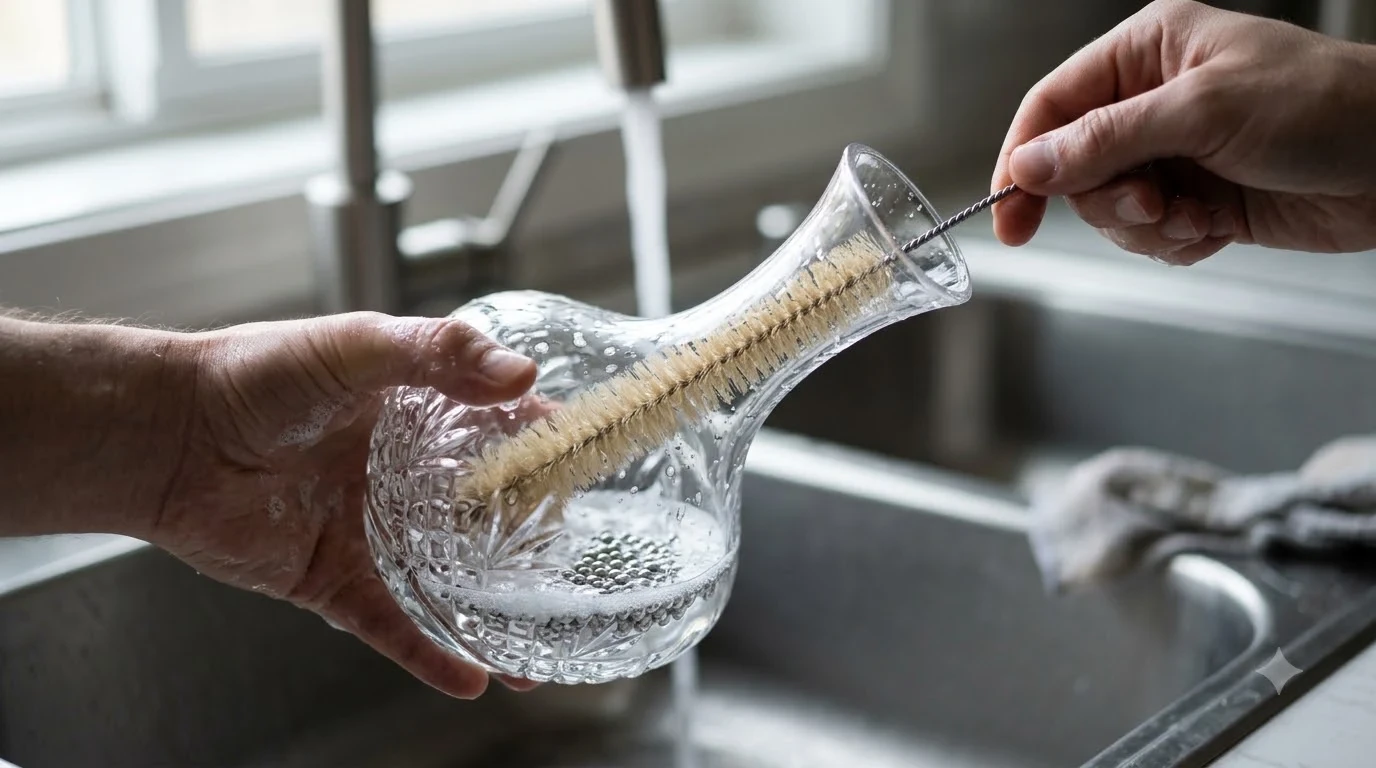
Cleaning is another practical consideration. The product listing does not provide a confirmed dishwasher-safe designation or detailed cleaning instructions. Buyers should avoid assuming that thick glass automatically means dishwasher compatibility. The narrow opening and fitted stopper also deserve attention because residue around the neck or stopper contact point can affect subsequent use.
Tip: Before using the Capitol for an important dinner, fill it with water and practice pouring over a sink. This gives you a chance to assess the flow, inspect the stopper fit, and become familiar with its weight before serving an expensive bottle of wine.
These limitations do not make the Capitol a poor purchase. They simply indicate that its strengths lie in presentation and general beverage storage, while its pouring characteristics and aeration suitability require more consideration than its appearance might initially suggest.
Who Should Buy the Paksh Capitol and Who Should Skip It
The Paksh Capitol is most suitable for people who want a substantial decorative glass vessel for a home bar, occasional wine service, or entertaining. It is less suitable for buyers whose primary concern is maximizing wine aeration or decanting a complete standard bottle.
For a household that serves wine occasionally, the 23.75-ounce capacity can be sufficient for smaller pours. A typical five-ounce wine serving means the vessel can accommodate several portions, although actual serving capacity depends on how much room is left for handling and pouring. It is particularly appropriate for a small dinner where appearance matters as much as convenience.
Its clear glass construction also works across different wine styles. A dark Syrah, a medium-bodied Merlot, and a lighter Pinot Noir all look attractive in a transparent serving vessel. The same design can also accommodate whiskey or brandy, making it more versatile than a decanter intended exclusively for wine.
Buy it if presentation is a priority
Consider the Capitol if the following characteristics match your needs:
- You prefer substantial, clear glass rather than lightweight decorative plastic or thin glass.
- You want a geometric stopper that contributes to the appearance of a home bar.
- You appreciate a weighted base and sloped sides for handling.
- You want a multipurpose vessel for wine, whiskey, bourbon, brandy, and other thin liquids.
- You are interested in personalized engraving for a housewarming or wedding gift.
- You generally serve smaller portions instead of transferring a full 750 ml bottle.
- You value a traditional bottle-like silhouette that can remain visible on a bar or dining table.
These features make the Paksh a reasonable choice for occasional entertaining. It can provide a more formal presentation than serving directly from the bottle, especially when paired with coordinated stemware and a clean table setting.
Skip it if technical wine service comes first
There are also situations where another type of decanter would be more appropriate. Buyers who regularly open young, powerful Cabernet Sauvignon, Nebbiolo, or Petite Sirah may prefer a broad-based vessel designed to maximize wine-to-air contact. Those wines can benefit from 30 to 60 minutes of aeration, depending on their structure and condition.
Collectors who frequently serve mature Bordeaux, Barolo, or aged Rioja should also consider the importance of controlled pouring. Their main requirement may be separating wine from sediment rather than displaying a decorative stopper. A decanter with a suitable opening and enough room for a controlled pour can make that task easier.
The Capitol may also be inconvenient for households that want to transfer a full standard wine bottle in one operation. Its listed capacity is smaller than the approximately 25.4 ounces contained in a 750 ml bottle. A larger wine decanter is a more straightforward choice for that purpose.
Finally, people who want verified dishwasher-safe glassware should look for an explicit care specification before buying. The available Capitol listing does not establish that the product is dishwasher safe, so buyers should not assume it can be placed in an automatic dishwasher.
How the Paksh Capitol Compares to Other Decanter Styles
The Capitol occupies a middle ground between a decorative spirits decanter and a practical wine-serving vessel. Comparing it with wide-based aerating decanters, narrow-necked sediment decanters, and simple carafes helps establish where its design makes the most sense.
A wide-based wine decanter is usually the more appropriate choice for young red wines that need exposure to oxygen. Its broad bowl increases the liquid’s contact with air, making it useful for wines such as young Cabernet Sauvignon and Syrah. The Paksh Capitol’s more compact, bottle-like proportions place less emphasis on this function.
A narrow-necked decanter serves a different purpose. It can help limit additional oxygen exposure while allowing wine to be separated from sediment. This can be particularly helpful with delicate older wines, which may lose aromatic character if they remain exposed to air for too long.
A simple glass carafe, meanwhile, is often the most practical option for everyday service. It can transfer wine from bottle to table without the extra weight or decorative stopper of a formal decanter. For casual meals, that simplicity may be more useful than an elaborate design.
| Decanter style | Main purpose | Best application | Comparison with Paksh |
|---|---|---|---|
| Paksh Capitol | Presentation and beverage serving | Home bars and small gatherings | Distinctive stopper and weighted base |
| Wide-base wine decanter | Greater oxygen exposure | Young, structured reds | Better suited to aeration |
| Narrow-neck wine decanter | Controlled transfer and reduced air exposure | Older, delicate wines | More specialized for careful decanting |
| Simple glass carafe | Everyday serving | Casual dinners and water service | Usually simpler in appearance and handling |
Paksh versus a dedicated wine aerator
A wine aerator is designed to introduce air as wine passes through the device. Some models attach directly to the bottle, while others use a handheld pouring mechanism. They are generally more convenient for quickly aerating a young wine without waiting for it to rest in a separate vessel.
Wine Enthusiast distinguishes between aerators and decanters by explaining that aerators primarily increase oxygen exposure during pouring, while decanters can also help separate sediment. For young, powerful reds, the two approaches can complement each other, but they do not serve exactly the same purpose.
The Paksh Capitol does not claim to incorporate a specialized aeration mechanism. It is better understood as a serving and storage vessel that can provide some air exposure during transfer. Buyers should avoid expecting the same speed or aeration effect as a dedicated wine aerator.
Which glassware works best alongside it?
Glassware selection should reflect the wine being served rather than the decanter’s decorative style. Cabernet Sauvignon and Syrah benefit from generous red-wine bowls, while Pinot Noir is commonly served in a glass that emphasizes its delicate aromas. The right stemware can contribute more to the overall serving experience than matching every piece of equipment.
For sparkling wine, dedicated champagne flutes are a more suitable choice than pouring bubbles into a conventional decanter. Sparkling wine depends on retained carbonation, and transferring it into a vessel designed for still wine can cause unnecessary loss of bubbles.
Decanter magazine also emphasizes the importance of using a clean vessel and controlling the amount of air exposure. Its guide to decanting wine explains why older wines require particularly careful handling and why a bright light can help identify sediment during pouring.
Frequently Asked Questions
These answers address practical details that may influence the buying decision, including serving quantities, wine compatibility, and care considerations.
Can the Paksh Capitol decanter hold an entire standard wine bottle?
No. Its stated capacity is 23.75 fluid ounces, while a standard 750 ml bottle contains approximately 25.4 fluid ounces. The difference is about 1.65 ounces, so a small amount of wine will remain in the original bottle. For a full-bottle transfer, choose a larger vessel.
Can the Paksh decanter be used for white wine?
Yes. The product description identifies wine as a suitable beverage, and there is no stated restriction to red wine. A full-bodied Chardonnay can benefit from brief aeration in some circumstances, while crisp Sauvignon Blanc is generally better served with limited unnecessary oxygen exposure. Keeping the wine at its appropriate serving temperature remains important.
Does the Paksh Capitol work for serving dessert wine?
It can be used as a presentation vessel for dessert wines, provided the opening and pouring flow suit the particular wine. Sweet wines are commonly served in smaller portions than standard five-ounce still-wine servings. A dedicated dessert-wine glass can help concentrate the aromas and make smaller pours easier to appreciate.
Does wine sediment indicate that a bottle has gone bad?
No. Sediment can form naturally as pigments, tannins, and other compounds settle during bottle aging. Some unfiltered wines can also contain natural deposits. The presence of sediment alone does not establish that a wine is spoiled, although it can affect the texture of a pour.
Can the Paksh Capitol be used as a water carafe?
Yes. Its product description specifically includes water and fresh juice among its intended uses. The clear glass appearance also makes it suitable for a dining table where a separate water vessel is preferred. It should be cleaned thoroughly between different beverages to prevent lingering aromas or residue.
The Paksh Capitol is best viewed as an attractive multipurpose decanter rather than a specialized wine-aeration tool. Its substantial glass, geometric stopper, and weighted base make it appealing for home bars and occasional entertaining, while its capacity and reported pouring concerns deserve consideration. For buyers who prioritize presentation and versatility, it is a worthwhile option to consider; dedicated wine enthusiasts seeking maximum aeration or precise sediment separation should compare it with purpose-built wine decanters before deciding.
More in Wine Glasses
 Spiegelau Crystal Wine Glasses That Bring Clarity to Every PourUpdated Nov 21, 2026
 Zalto Crystal Wine Glasses: Are They Worth the Investment?Updated Nov 21, 2026
 Villeroy And Boch White Wine Glasses for a More Cohesive TableUpdated Nov 21, 2026
 Zalto Wine Glasses On Sale: Find the Right Denk’Art GlassUpdated Nov 21, 2026
 Zwiesel Glas Champagne Glasses: Features, Quality and Buying AdviceUpdated Nov 21, 2026
 Zwiesel Glas Decanter Review: A Durable, Elegant Choice for Wine ServiceUpdated Nov 21, 2026