

We may earn a commission when you buy through links on this page, at no extra cost to you. Learn more.
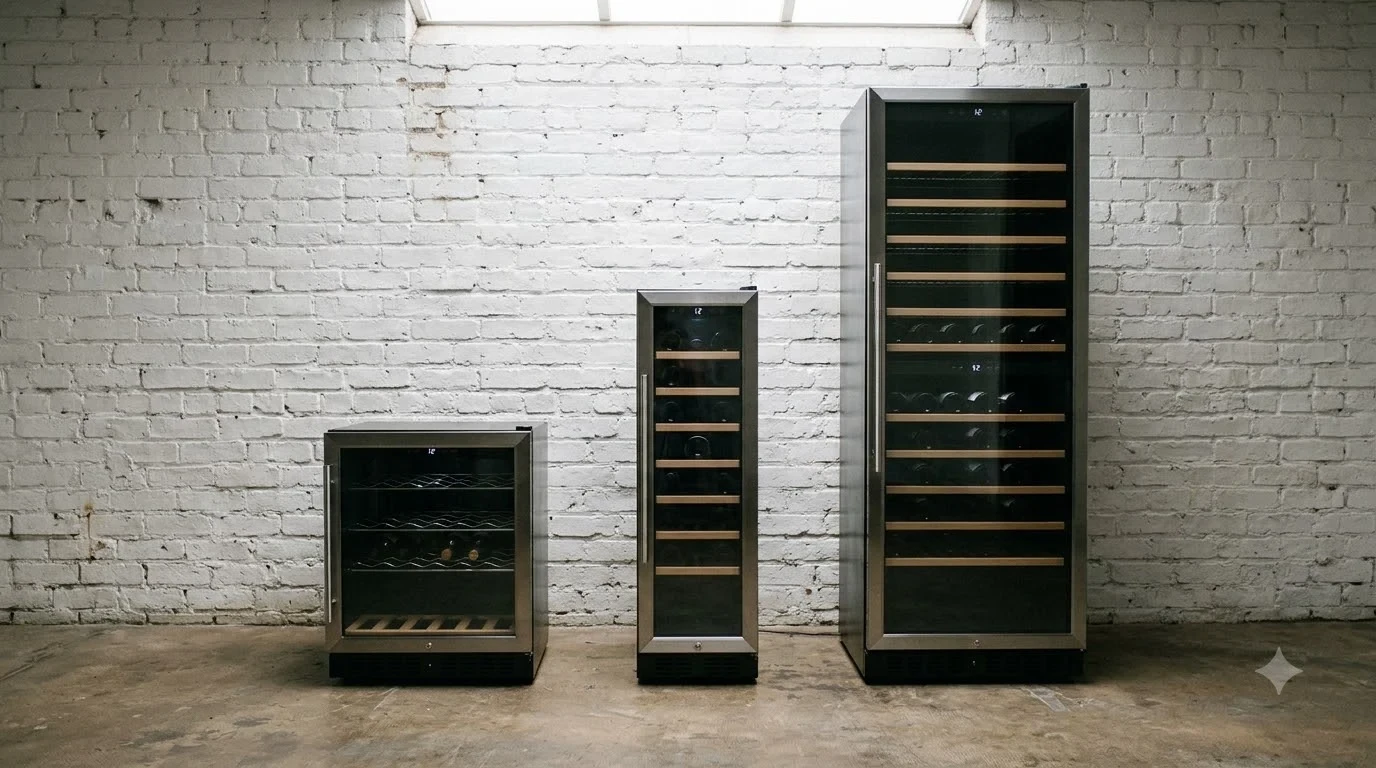
The best thermoelectric wine cooler is a small, quiet, single-zone unit for a room that stays cool, because a thermoelectric design has no compressor and no circulating fluid, which keeps it compact and simple to place. It suits a few bottles of white, sparkling or light red kept at a steady serving temperature. It is less suited to a large collection or a warm kitchen, where the unit has to work harder to shed heat. This guide explains how the technology works, then matches thermoelectric models to five real buyer needs.
A thermoelectric wine cooler, also called a thermoelectric wine fridge, uses the Peltier effect rather than the compressor found in most larger wine refrigerators. When current flows through a junction of two different conductors, heat is released or absorbed at that junction. A cooler arranges many such junctions so that one side of the unit becomes cold while the other side gives off heat. The design is compact and has no moving parts in the cooling system, which is why these units are common in small spaces. The trade-off is efficiency. The Wikipedia article on the thermoelectric effect notes that Peltier devices roughly operate at efficiencies as low as 5% or sometimes as high as 12%, so the unit is best judged by how well it holds temperature for the bottles it is meant to hold.
Quick Comparison: Thermoelectric Wine Cooler vs Compressor Models
The table compares thermoelectric units with compressor wine refrigerators by the features that most buyers weigh first. Use it to decide whether a thermoelectric design fits your room and collection before you look at the five groups below.
| Feature | Thermoelectric cooler | Compressor refrigerator |
|---|---|---|
| Cooling method | Peltier junctions, no compressor | Compressor and circulating refrigerant |
| Size | Compact, fits small spaces | Larger, often built for a full collection |
| Moving parts in the cooling system | None | Compressor and fan |
| Efficiency | Low, around 5% to 12% for Peltier devices | Higher for the same cooling job |
| Best room | Cool living room, bedroom or office | Kitchen, garage or a large storage space |
Best for a Quiet Living Room or Bedroom
A thermoelectric unit suits a room where noise matters, because it has no compressor cycling on and off.
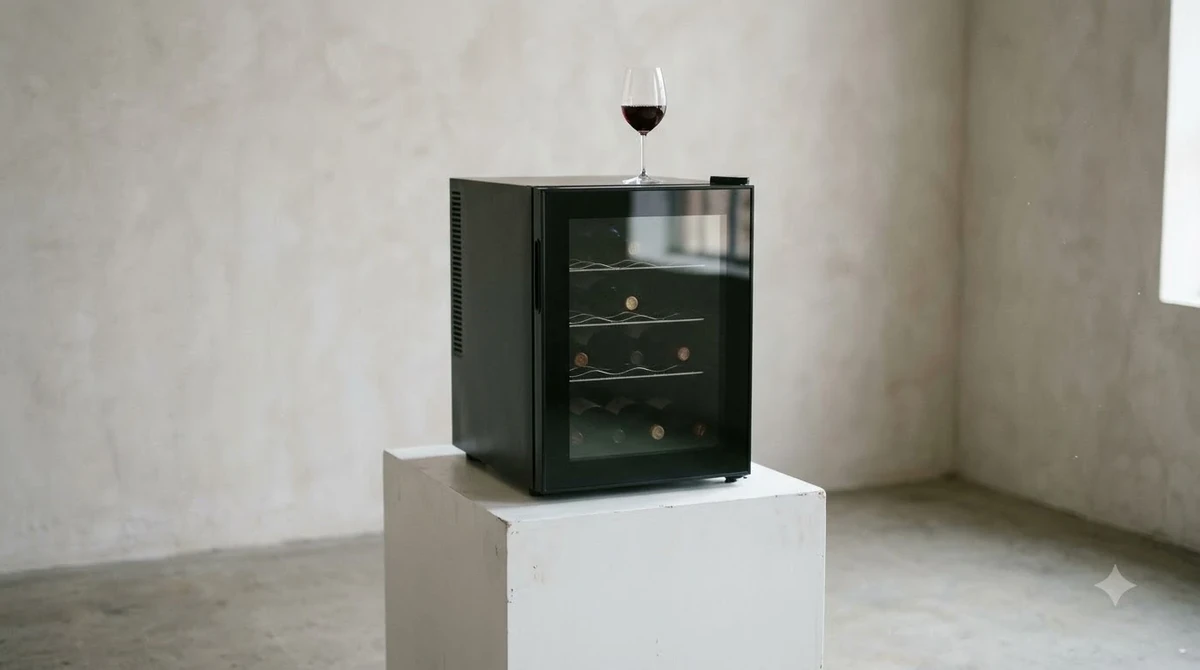
Why it stands out: with no compressor and no fluid loop, a thermoelectric cooler runs with fewer moving parts than a compressor model. That makes it a practical choice for a living room or bedroom where a few bottles sit on a shelf.
Keep in mind: the low efficiency means the unit can struggle to reach a very cold setting in a warm room. Keep it away from the sun and in a space where the air around the back can move freely, since the heat it removes has to go somewhere.
Best for: wine drinkers who keep a few bottles of white or light red in a quiet room and want them at a steady serving temperature.

- Capacity
- 20 bottles (750 mL)
- Cooling
- Thermoelectric, dual unit
- Temp Range
- 46–66°F
- Shelves
- 5 removable wire racks
Apartment dwellers and anyone short on floor space can set this single-zone cabinet on a counter or tabletop. Dual-unit thermoelectric cooling runs without vibration, so bottle sediment stays settled, and external touch controls adjust 46–66°F without opening the door. Five removable wire racks, a mirrored double-paned UV door, and soft LED lighting round out the 20-bottle interior.
Pros & ConsView
- Vibration-free thermoelectric cooling
- Touch controls set 46–66°F from outside
- Five removable racks fit varied bottle shapes
- Lowest setting of 46°F is warmer than compressor models
- Holds only 20 bottles
Best for Small Apartments and Countertops
A compact thermoelectric cooler fits a counter or a narrow shelf, which makes it the right pick for a small apartment where a full wine refrigerator takes too much room.
Why it stands out: the small footprint is the main advantage of the Peltier design. A thermoelectric cooler can sit beside the coffee maker or on a sideboard, and it can be moved when the room changes. It is also a good first wine fridge for someone who is not yet sure how many bottles they will keep.
Keep in mind: the capacity of a compact unit is limited, and it will not hold a full case of mixed bottles. Check the number of bottles the model lists and leave clearance around the vents so the unit can release heat.
Best for: renters, students and anyone with a small kitchen who wants a few bottles of wine within reach.

- Capacity
- 6 bottles (750 mL)
- Cooling
- Thermoelectric
- Temp Range
- 46°F to 66°F, single zone
- Install
- Freestanding, countertop
Thermoelectric cooling is chosen here to minimise noise and vibration, which helps in a kitchen or dining room where the cooler sits within earshot. Digital touch controls set a single zone between 46°F and 66°F, and the double-paned mirrored glass door blocks UV while LED lighting shows off the bottles. Two removable wire shelves and adjustable feet help on uneven counters.
Pros & ConsView
- Quiet thermoelectric cooling limits vibration
- UV-protective double-paned glass door
- Digital controls span 46°F to 66°F
- Holds only six standard bottles
- Single zone cannot split reds and whites
Best for Under-Counter Kitchen Use
A thermoelectric unit can work under a counter in a kitchen that stays cool, but it needs more care with airflow than a compressor model.
Why it stands out: a slim under-counter unit lets you store bottles next to the glasses and the bar tools without using extra floor space. The cabinet-style fit also keeps bottles out of sight when the cabinet door is closed, which many kitchens prefer.
Keep in mind: a thermoelectric cooler in a closed cabinet can run warm at the back, because the heat it removes has to leave the unit. Leave the recommended gap around the vents, and avoid placing it beside an oven or a dishwasher that gives off heat. Compressor models are often a better match for a busy kitchen.
Best for: cool kitchens and apartments where the wine sits beside other drinks and the room stays at a steady temperature.
Best for Gifts and First-Time Wine Fridges
A thermoelectric cooler is an easy gift for someone starting a wine collection, because it is compact and does not need much planning to place.
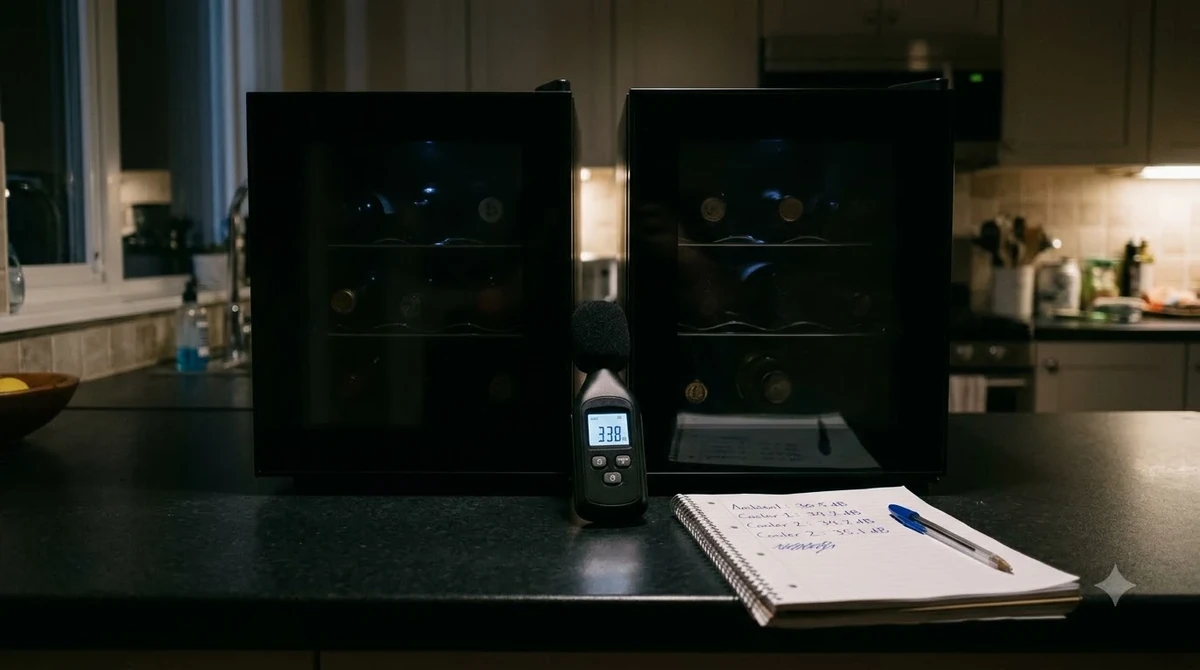
Why it stands out: a small unit gives a new wine drinker a way to keep a few bottles at a steady temperature without a large appliance. It is simple to set up, and the controls are usually straightforward, which suits someone who is new to storing wine at home.
Keep in mind: a first unit may not hold the collection the recipient builds later. Check the number of bottles, and ask whether the recipient plans to store wine for years or to keep a rotation of bottles they drink soon.
Best for: housewarmings, birthdays and graduation gifts for people who drink wine often and want a sensible first appliance.
Best for Serving a Few Bottles at the Right Temperature
A single-zone thermoelectric cooler is a good fit when you want every bottle at one serving temperature, not a mix of cellar zones.
Why it stands out: a single shelf setting keeps the bottles at the same temperature, which suits a set of whites, rosés or sparkling wines that you serve together. It avoids the need to juggle two zones when the collection is small.
Keep in mind: a single zone cannot hold reds and whites at their separate best temperatures at the same time. If you keep both styles regularly, look for a dual-zone model or a second small unit.
Best for: hosts who serve one or two styles of wine at a party and want the bottles ready without a long wait.

- Capacity
- 20 bottles
- Cooling
- Thermoelectric
- Temp Range
- 46-65°F
- Power
- 75 watts
An adjustable thermostat from 46 to 65°F and a soft-touch digital panel make it simple to dial in a serving temperature before guests arrive. The black tinted mirror glass door has a recessed handle and key lock, and five removable scalloped chrome shelves with stainless trim hold up to 20 bottles. Soft interior LED lighting has its own on-off switch, and the unit draws 75 watts.
Pros & ConsView
- Adjustable thermostat from 46 to 65°F
- Low 75-watt power draw
- Mirror glass door with key lock
- 20.5 by 15.79 inch footprint needs dedicated space
- Holds far more than a few bottles
How to Choose a Thermoelectric Wine Cooler
Start with the room and the number of bottles you plan to keep. A thermoelectric unit fits a cool, quiet space and a small rotation of wine. Then check these points before you buy.
- Room temperature: a thermoelectric cooler works best in a room that stays cool, so check the typical temperature where it will sit.
- Capacity: compare the bottle count with the number you actually keep, not the largest number on the box.
- Zones: a single zone suits one style of wine, while a dual zone handles reds and whites at separate temperatures.
- Airflow: leave the clearance the maker recommends, since the unit has to release the heat it removes.
- Noise: with no compressor, a thermoelectric unit is usually quieter, which matters in a bedroom or living room.
Tip: set the temperature after the unit has run for a while, and check it with a thermometer rather than trusting the dial. A cooler in a warm room can take longer to settle than the display suggests.
Frequently Asked Questions
What is a thermoelectric wine cooler?
It is a compact wine fridge that cools with the Peltier effect, where current across a junction of two conductors moves heat from one side to the other. It has no compressor, which keeps it small and quiet, but its efficiency is lower than a compressor unit.
Is a thermoelectric wine fridge as good as a compressor model?
For a few bottles in a cool room, a thermoelectric unit can do the job well. For a large collection or a warm kitchen, a compressor model is usually the better match because it cools more efficiently and handles heat better.
Are thermoelectric wine coolers quiet?
Generally yes. With no compressor or circulating fluid, the cooling system has fewer moving parts. A fan may still run, so check the noise level before you place the unit in a bedroom.
Where should a thermoelectric wine cooler go?
Place it in a cool, shaded spot away from the sun and heat sources, with clear space around the vents. The unit has to release the heat it removes, so a crowded cabinet or a hot corner will reduce its performance.
If you are planning the space, the guide to an under counter wine cooler covers built-in fits, and the single zone wine cooler guide explains when one temperature is enough. For how long opened wine keeps, see how long does wine last after opening.
More in Wine Fridges by Type
 Best White Wine Fridge for Reliable Chilling and StorageUpdated Nov 20, 2026
 Best Smart Wine Fridge for Steady Temperatures and Remote ChecksUpdated Nov 18, 2026
 Best Black Under Counter Wine Fridge Options for Kitchens and IslandsUpdated Nov 18, 2026
 Best Black Slim Wine Fridge for Narrow Gaps and Dark KitchensUpdated Nov 18, 2026
 Best Built In Dual Zone Wine Fridge Options by Kitchen LayoutUpdated Nov 18, 2026
 Best Slim Built in Wine Cooler: 5 Space-Saving Styles for Tight KitchensUpdated Nov 18, 2026