

We may earn a commission when you buy through links on this page, at no extra cost to you. Learn more.
Le Creuset champagne flutes are a good fit for buyers who want a traditional, narrow sparkling-wine glass with a refined look, lead-free machine-blown glass, and a four-piece set. Their tall profile and pointed base are designed to showcase a steady stream of bubbles, while the thin rim keeps the glass feeling more delicate than everyday tumblers. The main trade-off is the familiar one with classic flutes: they suit celebratory pours and younger sparkling wines better than slow, aroma-focused tastings of complex Champagne.
Le Creuset’s glassware range is smaller and more understated than its famous cookware collection, but these flutes have a clear job: make Champagne, Prosecco, and other sparkling wines look at home at the table. This review looks at the published specifications, the limited owner feedback available, and the shape-related compromises to consider before choosing them.
Specs and Key Features
The set combines a familiar flute silhouette with a pointed interior base, a slim stemmed profile, and a machine-blown lead-free glass construction. Four glasses are included, and Le Creuset lists a 10.2-inch height, German origin, top-rack dishwasher compatibility, and a five-year warranty for its US product listing.
In the manufacturer’s description, the narrow shape and pointed bottom are intended to encourage bubble formation and help the wine stay cooler for longer. Le Creuset also points to thin rims and shaped bowls as details intended to support the taste and texture of Champagne and sparkling wine. Those are design aims rather than a guarantee that every bottle will taste better; wine temperature, freshness, and the style of the wine still matter.
| Specification | Published detail |
|---|---|
| Set size | 4 champagne flutes |
| Material | Lead-free machine-blown glass |
| Exterior dimensions | 2.8 in. long × 2.8 in. wide × 10.2 in. high |
| Country of origin | Germany |
| Cleaning | Top-rack dishwasher-safe; hand washing recommended |
| Warranty | 5 years |
| Capacity on US listing | Not stated |
The US listing is the most useful baseline for shoppers in the United States, but it does not provide a bowl-capacity figure. The Le Creuset US product page lists the dimensions and set details without stating volume. International retailer pages for the same product code do not agree: one lists 265 ml and another lists 290 ml. That difference is a reason not to treat an overseas capacity figure as a confirmed specification for every regional version. If glass capacity is a deciding factor, ask the seller to confirm the exact item being shipped rather than assuming that all listings describe an identical production run.
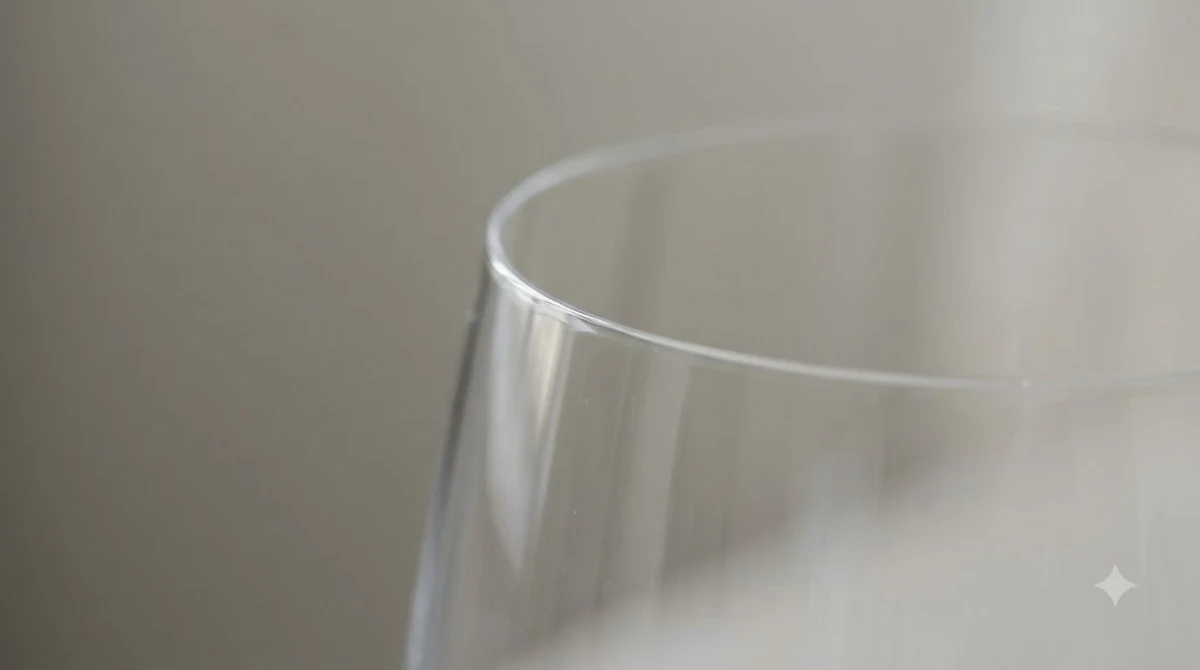
The construction language is also worth reading precisely. Le Creuset describes the flutes as lead-free machine-blown glass, not as hand-blown crystal, and its stated durability claim should be understood in that context. The glasses are still breakable stemware, and a thin rim or stem deserves the same careful handling as any other fine glass. The steady base and machine-blown construction may feel reassuring, but neither makes the set unbreakable.
What Owners Like
The clearest positive signal is the classic appearance: buyers looking for a slim, formal glass get a four-piece set with a narrow bowl, a clean silhouette, and a pointed base. Publicly visible owner feedback is sparse, so it is better to treat the available praise as an early impression than as proof of long-term durability or universal satisfaction.
One Australian retailer page for the Le Creuset flute listing shows a single verified-purchaser review that praises the glasses’ appearance and perceived value. That is encouraging as far as first impressions go, but one short comment cannot establish how well the stems hold up after years of use, how easily the glasses store, or whether every buyer finds the rim comfortable. A separate retailer page for a 290 ml listing does not display submitted product reviews, so there is little evidence to treat the positive note as a broad consensus.
The product design itself explains much of the likely appeal. A flute creates a vertical column for bubbles to rise through, so the sparkling wine’s movement stays visible instead of spreading across a wide surface. The narrow opening also keeps the aromas gathered in a smaller space, which can make young, fresh sparkling wines feel focused. That presentation works particularly well at a dinner toast, a wedding table, or a New Year’s Eve gathering where the look of the pour matters as much as detailed aroma evaluation.
There is also practical value in buying a matching set of four rather than collecting mismatched glasses one at a time. Four matching pieces make place settings look deliberate and give a household enough stemware for a small dinner with guests. The glasses are intended for a range of sparkling wines, not solely Champagne from France, so the same set can serve a celebratory Prosecco, Cava, or domestic sparkling wine without requiring separate glassware for each bottle.
Common Complaints
The biggest drawbacks are inherent to the classic flute format rather than confirmed defects in this particular set: the narrow bowl gives complex wines less room to open, and the tall stemmed shape needs careful storage. The limited owner feedback also means there is not enough public evidence to make a confident claim about long-term breakage rates, cleaning complaints, or consistency from one set to another.
First, the 10.2-inch height may be inconvenient in a low cabinet or a crowded glass rack. Measure the shelf and dishwasher rack before ordering, especially if the glasses will be stored upright. A tall, narrow bowl can also be awkward to reach with a wide cleaning brush, and a crowded dishwasher load raises the chance of neighboring glasses touching. Le Creuset permits occasional top-rack dishwasher cleaning, but recommends hand washing; that is a meaningful distinction for anyone who wants to put every glass through a full dishwasher cycle after each gathering.
Second, the flute shape is not the most revealing option for every bottle. The narrow mouth emphasizes the rise of bubbles and can concentrate aromas, but it does not offer as much open surface area for mature, layered Champagne to breathe. If the household mostly opens vintage Champagne, extended lees-aged sparkling wine, or bottles chosen for subtle brioche, nut, and mineral notes, a tulip glass or a suitable white-wine glass may give more room for the aromas to develop. The limitation is a matter of shape, not a flaw unique to Le Creuset.
Third, the specification trail has a small but notable gap. The US product page lists the dimensions and set count but not capacity, while international retailer listings for one product code show two different volumes, 265 ml and 290 ml. That makes capacity comparisons less straightforward than the exterior dimensions. The US page does state a five-year warranty, but buyers should read the current warranty terms to understand what is covered; a warranty should not be assumed to cover accidental drops, chipped rims, or ordinary mishandling.
Who Should Buy and Who Should Skip
These flutes make the most sense for a household that serves sparkling wine at celebrations, prefers the recognizable Champagne-glass silhouette, and wants matching stemware for four people. They also suit hosts who often pour younger, crisp sparkling wines and value visible bubbles, a compact footprint across the table, and the polished look of a tall flute. The machine-blown lead-free glass and five-year stated warranty add useful reassurance for a set that is meant to see regular use, provided the owner handles it as breakable glassware.
They are less compelling for a buyer who wants one glass to cover every wine style. The tall narrow bowl is specialized: it is not a replacement for a Burgundy glass, a broad white-wine bowl, or a universal tasting glass. A person who often moves from Champagne to Chardonnay, Pinot Noir, and aromatic Riesling may be better served by versatile wine glasses and a smaller number of dedicated flutes for parties. The best choice depends on how often sparkling wine appears in the rotation, rather than on the Le Creuset name alone.
Skip this set if storage space is tight, if the household strongly prefers dishwasher-first care, or if the main goal is to examine the evolving aromas of premium vintage Champagne. The 10.2-inch height is a real measurement to plan around, and hand washing is the brand’s preferred cleaning method even though the top rack is permitted occasionally. Buyers who are not attached to the traditional look should compare tulip-style sparkling glasses before deciding.
For a home bar that already has several glass shapes, these flutes can fill a specific serving role without needing to replace existing stemware. For a first glassware purchase, however, a general-purpose wine glass may offer more flexibility. Readers comparing different flute profiles can start with our guide to champagne flutes, while those choosing one dedicated sparkling-wine vessel can use our comparison of the best champagne glass to weigh classic presentation against aroma performance.
How It Compares to Alternatives
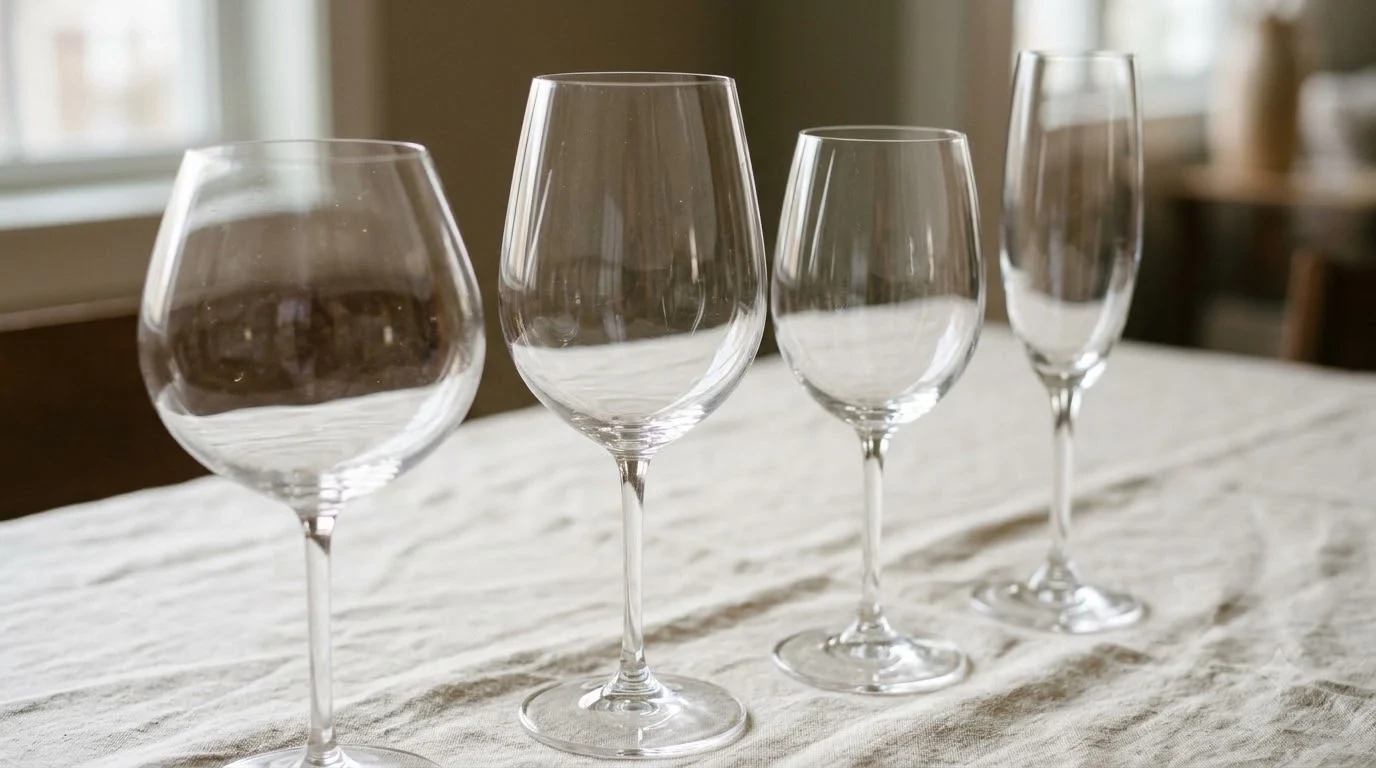
Le Creuset’s four-glass set and 10.2-inch profile sit firmly in the classic-flute camp: tall, narrow, and intended to hold the visual line of rising bubbles. Its strengths are easiest to appreciate beside two alternatives, the shallow coupe and the wider tulip glass. Each shape changes the balance between bubble display, aroma release, and ease of serving, so the choice should follow the bottle and occasion rather than a single rule about the “correct” Champagne glass.
Compared with a coupe, the flute is the more practical choice for preserving visible effervescence during a toast. A coupe spreads the wine over a broader surface, which allows carbonation to dissipate more quickly; its reward is a dramatic silhouette and an open bowl that works well for Champagne towers or sparkling cocktails. The flute gives up some of that open aromatic space in exchange for a longer-lasting bubble display and a more contained pour. For a wedding toast or a pre-poured welcome drink, that is often a sensible trade.
A tulip glass is the more direct alternative for someone who wants both bubbles and a fuller aromatic picture. Its bowl is wider than a flute but narrows toward the rim, giving the wine more space to develop while still directing aromas toward the nose. Moët & Chandon describes the tulip as a balance between aroma enhancement and bubble preservation, while its guide characterizes the flute as especially useful for celebrations and pre-pouring. For a young, lively sparkling wine, the Le Creuset flute remains a reasonable choice; for a complex bottle meant for slow sipping, a tulip is the stronger all-round tasting shape.
Wine professionals do not agree that every bottle should be served in the same vessel. In Wine Enthusiast’s comparison of flutes and coupes, sommeliers describe the flute as useful for concentrating the aromas of younger sparkling wines, while a wider glass can give older, more complex Champagne room to evolve. That distinction is more useful than treating the flute as either outdated or universally ideal. The Le Creuset set should be judged as a traditional-purpose glass, not as a universal solution for every sparkling wine style.
There is also a practical brand-versus-shape decision. Le Creuset’s name, German origin, lead-free machine-blown construction, and stated five-year warranty will matter to shoppers already building a coordinated tabletop collection. Yet the brand does not change the basic physics of a narrow flute: other well-made flutes will also emphasize bubbles, and tulip-shaped glasses will still provide more aromatic space. A shopper who prioritizes style and matching pieces may prefer the Le Creuset set, while a buyer focused on tasting performance should compare bowl shape and rim width first. Our overview of Glassware Brands can help put the brand’s glassware offer in context.
For a simple decision, choose the Le Creuset flutes when appearance, a four-piece match, and traditional sparkling-wine service rank highest. Choose a tulip if one glass must handle both celebratory bubbles and more demanding tasting sessions. Choose a coupe when the visual effect of a broad shallow bowl matters more than preserving carbonation through a long pour.
Frequently Asked Questions
These final details help match the glasses to serving habits, bottle size, and sparkling-wine style. They cover temperature, portions, sweetness terms, and the production methods behind two familiar alternatives to Champagne.
What temperature should sparkling wine be served at?
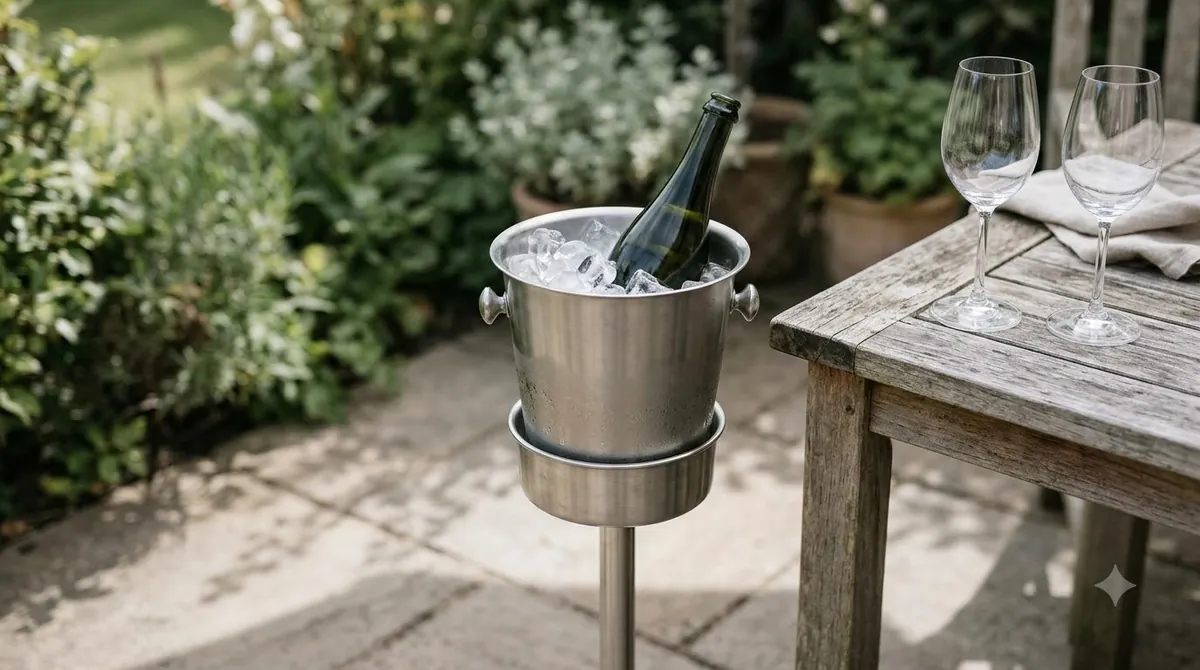
Most sparkling wines are best served around 40–50°F. A colder bottle keeps the first pours brisk, while allowing the wine to warm slightly in the glass can make its aromas easier to notice. Avoid leaving an opened bottle on a warm counter during a long toast.
How many servings are in a standard 750 ml bottle?
A 750 ml bottle provides about five standard 5-ounce pours. Smaller celebration pours can stretch the bottle to more guests, but they also reduce the amount of wine each person receives. For a dinner with four guests, one bottle allows a generous first pour with a little left over.
Is Extra Dry Champagne sweeter than Brut?
Yes. In the sparkling-wine sweetness scale, Extra Dry is sweeter than Brut, despite the name suggesting the opposite. The sequence from driest to sweetest is Brut Nature, Extra Brut, Brut, Extra Dry, Dry, Demi-Sec, and Doux.
What grape is used in Prosecco?
Prosecco is made primarily from the Glera grape and is typically produced using the tank method for its second fermentation. Many examples are bottled around 11–12% alcohol by volume. That fresh, fruit-forward profile makes Prosecco a natural match for a flute-style serving glass.
How is Cava different from Prosecco?
Cava undergoes its second fermentation in the bottle, while Prosecco is typically made by the tank method. The bottle-fermented process is also used for Champagne, although the grapes and regional rules differ. The method can shape texture and flavor, but either wine can be served in a flute.
Le Creuset’s four-piece flutes are a considered choice for hosts who like the traditional sparkling-wine presentation and are comfortable caring for tall stemware. Their main advantage is the classic flute experience; buyers who value aroma development above bubble display should compare tulip glasses before choosing. The specifications are clear on dimensions and care, but the US listing leaves capacity unstated, so that detail is best confirmed with the seller.
More in Wine Glasses
 Marquis Red Wine Glasses Review: Find the Right Fit for Red WineUpdated Nov 21, 2026
 Orrefors Stemless Wine Glasses: Elegant Everyday Wine ServingUpdated Nov 21, 2026
 Marquis White Wine Glasses: Elegant Stemware for Everyday White WineUpdated Nov 21, 2026
 Luigi Bormioli Atelier Wine Glasses for Better Varietal PouringUpdated Nov 21, 2026
 Mikasa Wine Glasses Set Of 8 Review: Stylish Glassware for EntertainingUpdated Nov 21, 2026
 Marquis Stemless Wine Glasses Review: Features, Fit, and CareUpdated Nov 21, 2026