

We may earn a commission when you buy through links on this page, at no extra cost to you. Learn more.
Lav champagne glasses are practical, affordable-style glassware options for serving Champagne, Prosecco, and other sparkling wines, with several collections offering different capacities and shapes. The Misket, Empire, Lal, and Venue ranges provide choices for traditional flute enthusiasts and households that need straightforward entertaining glassware. Their main appeal is functional design, clear glass presentation, and accessible everyday styling, although buyers should compare individual collection specifications before choosing a set.
LAV offers more than one type of champagne glass, so the name alone does not tell you exactly what you are buying. Its catalog includes narrow flutes, wider champagne glasses, and complementary stemware, with capacities ranging from 190 ml to 235 ml in the Misket champagne selections. Retailer listings also document dishwasher-safe Empire and Venue options. This review examines the available specifications, practical strengths, customer feedback, and important limitations to help you decide whether LAV belongs in your glassware cabinet.
Specs and Key Features
LAV’s champagne glass selection is best understood as a collection of individual designs rather than one standardized product. The Misket, Lal, Empire, and Venue ranges offer different dimensions, capacities, and set configurations, making it important to compare the actual glass rather than relying on the brand name.
The Misket mis535 is a traditional narrow flute with a listed capacity of 190 ml, a height of 193 mm, and a diameter of 50 mm. Its relatively compact capacity makes it appropriate for controlled pours at celebrations and dinner parties. The same collection also includes the mis550 champagne glass, which holds 235 ml and has a much wider 96 mm diameter. These are noticeably different serving styles, even though both are intended for sparkling wine.
The Empire collection offers another traditional option. Its champagne flute has a 220 ml capacity, stands 210 mm tall, and measures approximately 50 mm wide. The retailer describes it as transparent glass with a tapered rim and dishwasher-safe care instructions. The Lal lal545 is a larger flute at 230 ml and 225 mm tall, while the Venue collection offers a 7.5-ounce flute in a six-piece set.
| Collection and model | Capacity | Height | Diameter or width | Notable details |
|---|---|---|---|---|
| Misket mis535 | 190 ml | 193 mm | 50 mm | Traditional champagne flute |
| Misket mis550 | 235 ml | 135 mm | 96 mm | Wide champagne glass |
| Empire emp541 | 220 ml | 210 mm | 49 mm | Classic flute design |
| Lal lal545 | 230 ml | 225 mm | 50 mm | Tall champagne flute |
| Nevakar nev539 | 195 ml | 205 mm | 54 mm | Traditional flute |
| Venue | 7.5 oz | 9.06 in | 1.93 in | Six-piece set |
The measurements above come from LAV’s published catalog and the corresponding retailer product specifications. The different measurement units reflect the original listings. The Misket, Empire, Lal, and Nevakar specifications are particularly useful because they show that LAV offers several distinct flute proportions rather than simply changing the collection name.
One important distinction concerns the difference between nominal capacity and a normal serving. A 220 ml glass does not need to be filled to the rim. A standard wine serving is approximately 5 ounces, or about 148 ml, so a 220 ml flute provides additional room above the liquid. That space helps prevent spills and leaves room for the rising bubbles to remain visible.
The published specifications do not establish that every LAV collection uses identical glass composition, manufacturing methods, or dishwasher-care instructions. For example, Wayfair describes Venue as machine-made glass, while the Empire listing confirms dishwasher-safe care. Buyers should avoid assuming that a feature listed for one range automatically applies to another.
What Owners Like About LAV Champagne Glasses
The strongest documented appeal of LAV champagne glasses is their straightforward design. Clear glass, recognizable flute proportions, and practical serving capacities make the collections suitable for birthdays, holiday meals, wedding celebrations, and casual weekend gatherings.
The Venue collection illustrates this appeal particularly well. Its six-piece configuration gives households a coordinated group of glasses rather than requiring individual purchases. Wayfair lists the set as clear, smooth-finished glass with a 7.5-ounce capacity. The listed height of approximately 9.06 inches also gives it the familiar appearance of a traditional champagne flute.
Customer feedback provides some additional evidence, although the available sample is limited. Wayfair’s Venue listing contains 10 reviews: seven five-star ratings, two four-star ratings, and one three-star rating. This distribution indicates generally favorable feedback among the customers represented on that listing, but it is too small to establish long-term durability across all LAV collections.
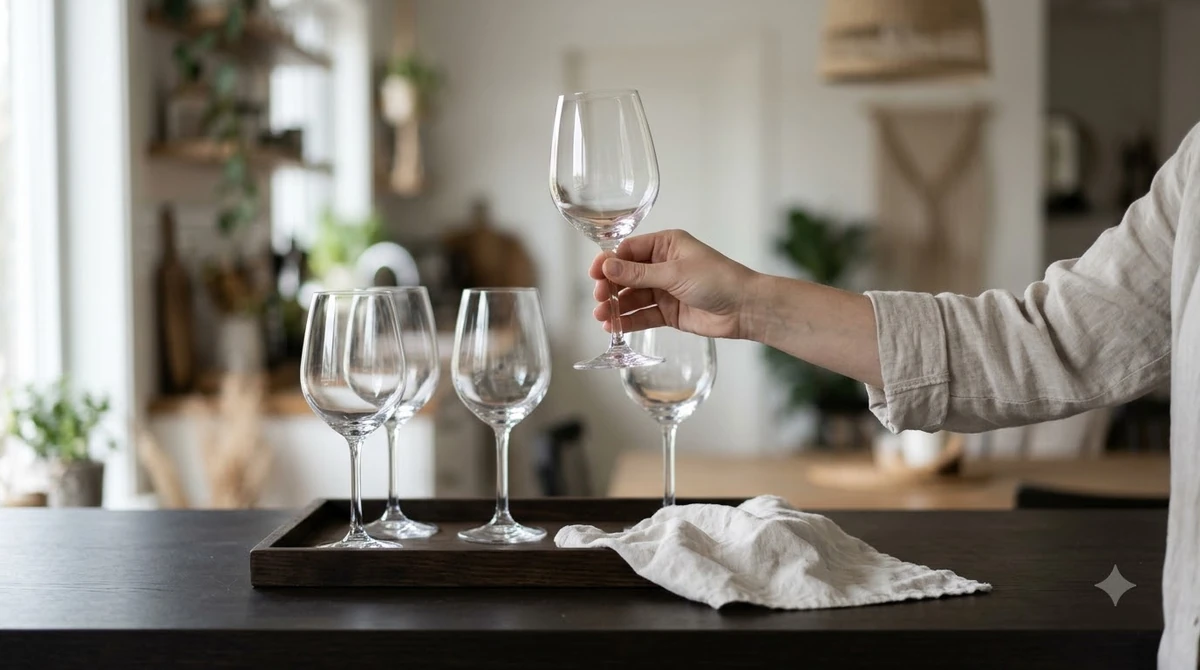
The Empire collection has a similarly practical proposition. A 220 ml capacity provides enough room for a typical sparkling-wine serving without making the glass excessively large. Its tapered rim is intended to direct fragrance toward the nose, while the narrow body makes the bubbles easy to observe. For a household that regularly serves Prosecco or non-vintage Champagne at social gatherings, these are useful design characteristics.
Convenient capacities for entertaining
Capacity matters more than it might initially seem. A glass that is too small can make serving sparkling wine awkward, while an oversized bowl may encourage larger pours than necessary. LAV’s flute capacities, particularly the 190 ml Misket and 220 ml Empire, provide reasonable room for measured servings.
The larger 230 ml Lal flute and 235 ml Misket champagne glass offer different proportions for people who prefer more room in their glass. These options may also be useful for sparkling cocktails, although the wider Misket mis550 is better understood as a champagne-style glass than as a conventional flute.
Coordinated glassware collections
Another advantage is the availability of related stemware within individual collections. Misket, for example, includes wine, brandy, martini, beer, and margarita glasses in addition to champagne designs. This makes it easier to create a coordinated table setting without selecting unrelated shapes from different manufacturers.
The same general idea applies to Lal, which includes wine glasses and an all-purpose glass alongside its champagne flute. A coordinated set can make a dining table look more consistent during a dinner party, especially when guests receive different beverages.
Common Complaints and Limitations
The most important limitation of LAV champagne glasses is that product information and customer feedback vary between collections. A dishwasher-safe specification for Empire or Venue should not be treated as proof that every Misket, Lal, or Nevakar glass has the same care requirements.
There is also limited independent customer feedback available for some individual models. The Venue listing has 10 customer reviews, but that is not enough to make a reliable claim about years of use, resistance to accidental impacts, or performance across different dishwashers. The available retailer information is more useful for understanding dimensions and features than for establishing long-term reliability.
Another consideration is the difference between a flute’s appearance and its performance during a serious Champagne tasting. Narrow flutes make rising bubbles visually prominent and can help preserve effervescence. However, their restricted bowls and openings provide less space for complex aromas to develop than wider wine glasses.
This is not an issue exclusive to LAV. It is a general characteristic of traditional flute-shaped glassware. Wine Enthusiast discusses the debate between flutes and coupes and notes that some professionals favor wider wine glasses because they allow Champagne’s aromatic qualities to develop more fully. Its explanation of Champagne flutes versus coupes is useful when deciding which shape suits a particular occasion.
Traditional flutes are not universal tasting glasses
A flute works particularly well when the celebration is part of the experience. The tall, narrow shape gives sparkling wine a distinctive presentation and creates a visible stream of bubbles. However, someone comparing vintage Champagne, blanc de blancs, and blanc de noirs may prefer a wider tulip-shaped glass.
The Misket mis550 provides a useful alternative within LAV’s own catalog because its 96 mm diameter gives the wine a substantially wider opening than the 50 mm mis535 flute. It is not necessarily a replacement for a dedicated tasting glass, but its proportions make it a different serving choice.
Glassware requires careful handling
Like other glass stemware, champagne flutes have a relatively narrow stem and a base that can be vulnerable to knocks. A dishwasher-safe label is useful, but it does not mean a glass is unbreakable. Overcrowded dishwasher racks, contact with plates, and abrupt temperature changes can all create avoidable risks.
There is also a practical storage issue. Tall flutes may not fit comfortably in shallow cupboards or certain kitchen drawers. The 225 mm Lal flute and 210 mm Empire flute require more vertical space than the shorter 135 mm Misket champagne glass.
Tip: Before ordering a LAV set, compare its height with your dishwasher rack and cupboard clearance. A 225 mm flute may require different storage arrangements from a shorter 193 mm design.
Who Should Buy and Who Should Skip LAV Champagne Glasses
LAV champagne glasses make the most sense for households that want coordinated, traditional-looking glassware for regular celebrations. They are especially relevant for people who serve sparkling wine at birthdays, holiday dinners, wedding receptions, brunches, and informal gatherings.
The Empire flute is a sensible starting point for shoppers who want a traditional shape and documented dishwasher-safe care. Its 220 ml capacity and 210 mm height provide familiar proportions, while the retailer listing offers a 12-piece set. This larger set configuration can be practical for households that regularly host groups rather than only serving two people.
Venue is another option for buyers who prefer a smaller six-piece set. Its 7.5-ounce capacity and approximately 9.06-inch height make it a conventional entertaining glass. The listed dishwasher-safe construction is also useful for people who do not want every post-party cleanup to involve handwashing individual glasses.
Good candidates for LAV glassware
- Casual hosts: People who serve Prosecco, Champagne, or other sparkling wines during family gatherings.
- New households: Buyers assembling their first coordinated collection of stemware.
- Event organizers: People who need several matching glasses for dinners and celebrations.
- Practical shoppers: Buyers who prioritize clear glass, conventional styling, and documented care information.
- Mixed-glassware households: People who want champagne glasses that coordinate with matching wine and cocktail glasses.
There are also shoppers who may prefer a different style. Someone who regularly purchases expensive vintage Champagne or organizes comparative wine tastings may want a dedicated tulip-shaped glass with more room for aromatic development. The traditional LAV flute can still serve the wine, but it is not necessarily the most expressive tasting vessel.
Likewise, people who dislike delicate stemware or have limited cupboard space should consider shorter glass designs. A 225 mm flute can be inconvenient in a crowded kitchen, and any tall glass requires sufficient clearance when being loaded into a dishwasher.
When another glass shape makes more sense
If presentation is the main priority, a classic flute remains attractive. If aroma is the priority, a tulip-shaped sparkling-wine glass is a stronger candidate. If the glass is intended primarily for cocktails, a coupe may be more appropriate, depending on the recipe and serving style.
For shoppers comparing broader options, our guide to champagne flutes explains the differences between traditional and alternative sparkling-wine glass shapes. A wider selection of wine glasses can also help identify a more versatile design for households that serve both still and sparkling wine.
How LAV Champagne Glasses Compare to Alternatives
LAV’s traditional flutes compete primarily with other types of sparkling-wine glassware rather than one specific alternative model. The main decision is whether you want the visual appeal of a narrow flute, the aromatic flexibility of a tulip, or the open presentation of a coupe.
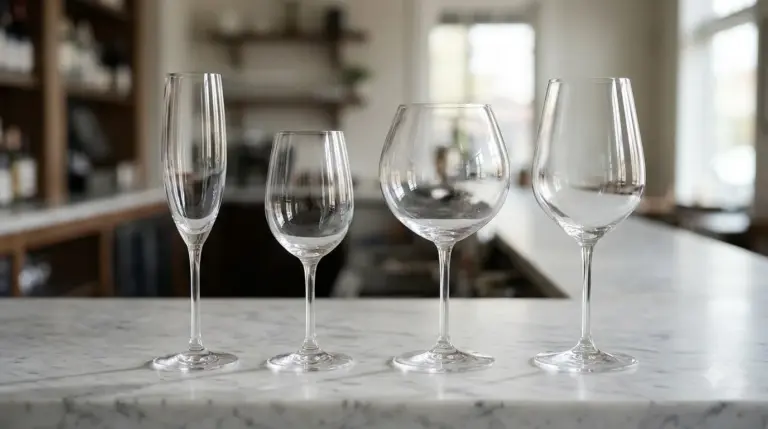
These shapes have different purposes. A flute emphasizes the rising bubbles and gives sparkling wine a recognizable celebratory appearance. A tulip offers more room for aromas while retaining a narrower opening. A coupe provides a broad, shallow bowl that is visually distinctive but allows carbonation to dissipate more quickly.
Wine Enthusiast’s discussion of Champagne glass styles highlights the advantages and disadvantages of these traditional designs. Flutes have a strong presentation advantage, while wider glasses can provide a better opportunity to appreciate delicate aromas. This distinction is important when evaluating the Misket, Empire, and Lal collections.
LAV flute versus a tulip-shaped glass
A traditional LAV flute is the more straightforward choice for parties where appearance, consistent servings, and visible bubbles matter. Its narrow bowl also makes it easier to arrange several glasses on a serving tray without occupying excessive space.
A tulip-shaped glass is better suited to someone who wants to spend more time examining the wine. The wider lower bowl provides room for aromatic compounds to develop, while the narrower upper portion helps direct those aromas toward the nose.
For a casual Prosecco toast, the traditional flute is entirely appropriate. For a complex vintage Champagne that deserves more attention, a tulip-shaped glass is a stronger option.
LAV flute versus a coupe
The coupe offers a very different visual experience. Its shallow bowl and wide opening make it suitable for certain sparkling cocktails and decorative presentations. However, the larger exposed surface allows carbonation to escape more quickly than in a narrow flute.
The flute is therefore generally more practical for someone who wants the familiar appearance of sparkling wine with a steady stream of bubbles. The coupe is better for people who prioritize vintage styling, cocktail presentation, or a particular event theme.
LAV flute versus a regular wine glass
A regular wine glass offers greater versatility, especially if it has a moderately sized bowl and a narrowing rim. It can serve Chardonnay, Sauvignon Blanc, Pinot Noir, and sparkling wine without requiring a dedicated vessel for every grape variety.
However, a regular wine glass takes up more table space and may not provide the same visual effect as a tall flute during a large toast. People who regularly host celebrations may find that keeping both types of glassware is a practical compromise.
Shoppers building a broader collection can also compare the shapes discussed in our guide to red wine glasses. For additional brand and collection information, the Glassware Brands overview provides another starting point.
Frequently Asked Questions
Where is LAV glassware manufactured?
LAV is a Turkish glassware company, and retailer descriptions identify Turkey as the country of manufacture for certain products. The specific manufacturing origin can vary by product and listing, so buyers purchasing multiple collections should compare the country-of-origin information attached to each item.
Can LAV champagne glasses be used for sparkling cocktails?
Yes, traditional flutes can serve sparkling cocktails such as a Mimosa or a Bellini. Their narrow openings help keep the presentation tidy, particularly when the drink contains carbonated ingredients. Wider champagne glasses can also be used for cocktails that benefit from more room for fruit garnishes.
How many LAV champagne glasses should a household own?
A household that normally hosts two to four people may find four to six glasses sufficient for ordinary celebrations. People who regularly entertain larger groups may prefer 12 or more matching glasses. It is also useful to keep a few additional pieces available because accidental breakage can make replacing an individual glass difficult.
Can sparkling wine be served in LAV glasses other than flutes?
Yes. LAV’s Misket collection includes a wider champagne glass alongside its traditional flute. A wider glass can provide more room to assess the aromas of Champagne, Cava, and other sparkling wines. The choice depends on whether presentation, bubble display, or aromatic detail is the main priority.
How should champagne glasses be polished without leaving lint?
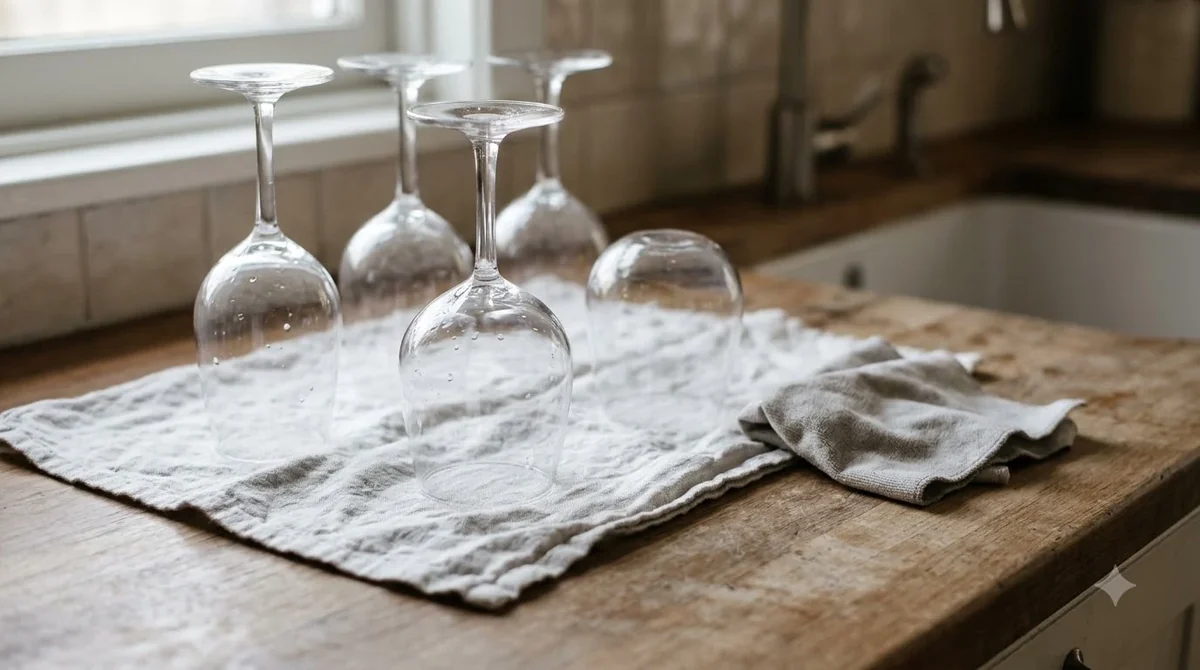
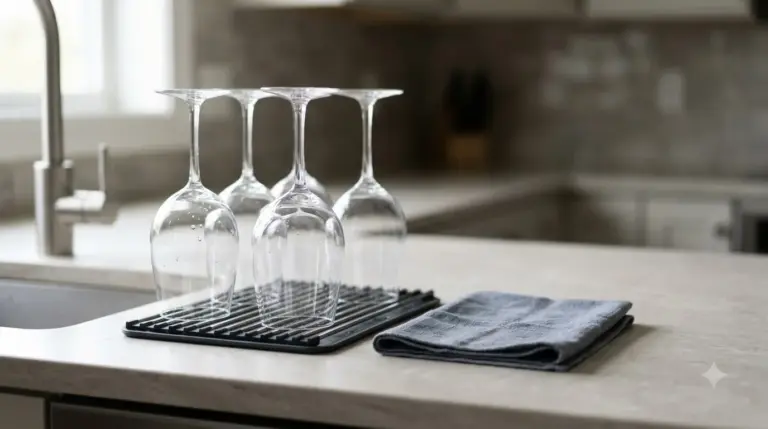
Use a clean, lint-free microfiber or glass-polishing cloth after washing. Hold the bowl carefully rather than twisting the stem and base in opposite directions, which can place unnecessary stress on the connection. Allowing the glasses to dry fully before storage also helps prevent water spots from remaining on the surface.
LAV champagne glasses are worth considering if you want recognizable flute styling, practical serving capacities, and several coordinated collection choices. The Empire and Venue options are particularly straightforward for entertaining, while Misket offers more variety for people who want to compare narrow and wider champagne glasses. Choose the shape and set size that suit your serving habits, storage space, and preferred style of sparkling wine.
More in Wine Glasses
 Spiegelau Crystal Wine Glasses That Bring Clarity to Every PourUpdated Nov 21, 2026
 Zalto Crystal Wine Glasses: Are They Worth the Investment?Updated Nov 21, 2026
 Villeroy And Boch White Wine Glasses for a More Cohesive TableUpdated Nov 21, 2026
 Zalto Wine Glasses On Sale: Find the Right Denk’Art GlassUpdated Nov 21, 2026
 Zwiesel Glas Champagne Glasses: Features, Quality and Buying AdviceUpdated Nov 21, 2026
 Zwiesel Glas Decanter Review: A Durable, Elegant Choice for Wine ServiceUpdated Nov 21, 2026