

We may earn a commission when you buy through links on this page, at no extra cost to you. Learn more.
Bormioli Rocco crystal wine glasses are a strong choice for drinkers who want clear, lead-free stemware with a refined rim and extra protection around the stem. The InAlto Tre Sensi collection is the clearest fit for that brief: its Star Glass is identified as crystal glass in Bormioli Rocco’s technical materials and as lead-free Star Glass in the U.S. product description. A laser-cut rim, one-piece pulled stem, and XLT treatment give the design more substance than its delicate appearance suggests, although it is still glassware that deserves careful handling.
The name Bormioli Rocco covers a broad glassware catalog, not one uniform crystal range. This review focuses on InAlto Tre Sensi, a wine-focused line created with the Italian Association of Sommeliers, and distinguishes its lead-free Star Glass construction from the brand’s other wine glasses. The practical question is whether its clarity, proportions, and reinforced stem make it a good everyday choice as well as a table-ready one.
Specs and Key Features
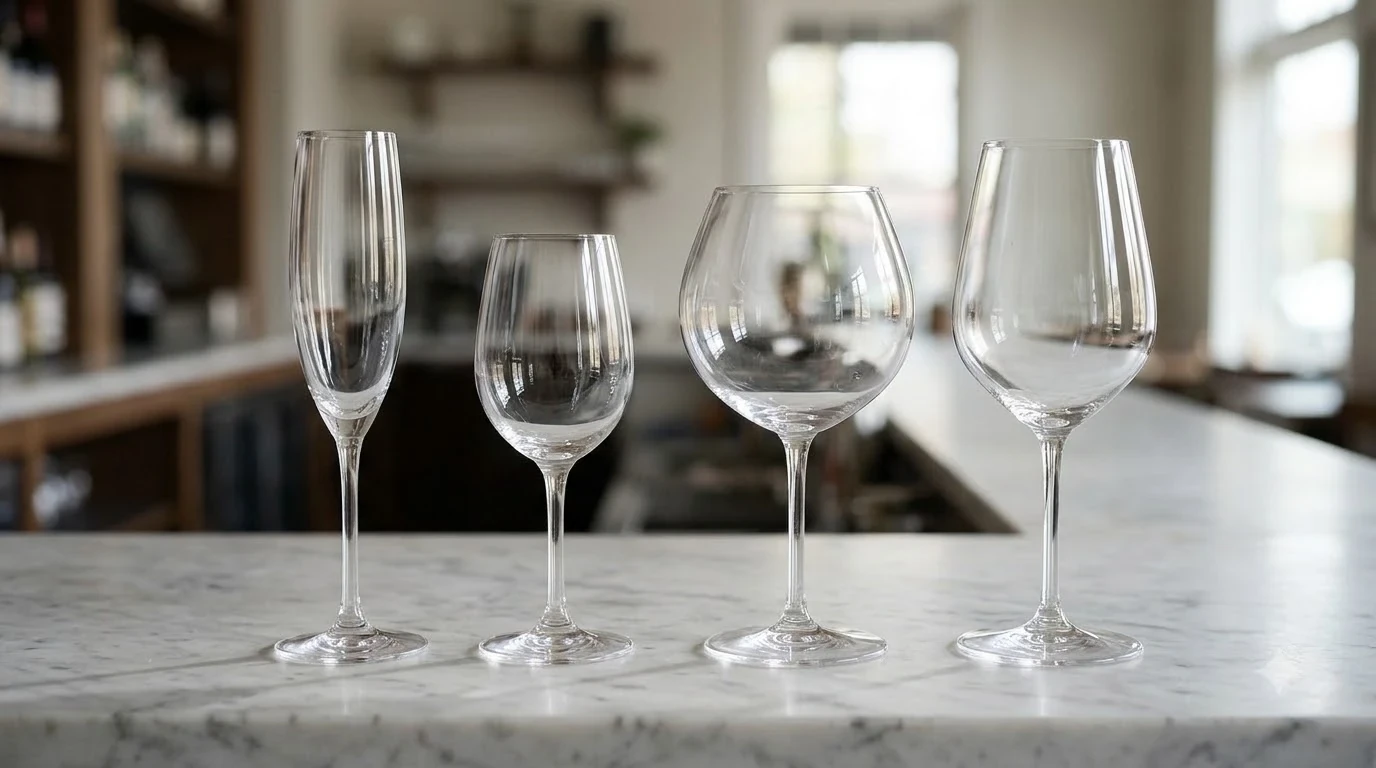
InAlto Tre Sensi combines a clear crystalline material with a gently rounded bowl, a narrow opening, a thin laser-cut rim, and a stem drawn from the bowl as one piece. The U.S. range centers on three still-wine sizes, sold in sets of six, with the 14.5-ounce Medium serving as the most versatile starting point.
| Size | Capacity | Height | Maximum diameter | Best fit |
|---|---|---|---|---|
| Medium | 14.5 fl oz (43 cl) | 8.7 in | 3.4 in | Still red, white, and rosé |
| Large | 18.5 fl oz (55 cl) | 9.25 in | 3.5 in | Larger red-wine bowl |
| Extra Large | 22 fl oz (65 cl) | 9.5 in | 3.75 in | More room for swirling and aeration |
The U.S. listing rounds the Medium to 3.4 inches across and 8.7 inches high; the collection brochure gives the same model as 43 cl and 220 mm tall. Capacities are bowl volumes, not serving recommendations, so leave room above the wine for swirling. The manufacturer’s Medium product listing provides the full feature and care details.
Material wording deserves a closer look. The U.S. product page calls the material lead-free Star Glass with clarity comparable to crystal, while the technical brochure identifies Star Glass as crystal glass. The most accurate description is lead-free crystalline glass, not traditional lead crystal. Wine Enthusiast notes that lead-free crystal can retain clarity while allowing thinner walls and finer rims; its overview of stemware materials explains the distinction.
The Medium is recommended for still red, white, and rosé wines. Its stem is hot-pulled from the bowl as one piece, its rim is laser cut, and its foot is flat and stable; the manufacturer also lists it as dishwasher safe. XLT is applied to the stem to protect against abrasion and washing-related stress, not to make the glass unbreakable if it hits a sink or counter.
What Owners Like
The owner feedback available for the U.S. Medium set is positive but sparse. A customer describes the glasses as pretty and says they feel delicate without seeming skimpy or excessively lightweight in the hand. It is a useful description of the intended balance: a fine-looking glass that still has enough presence to feel composed rather than flimsy.
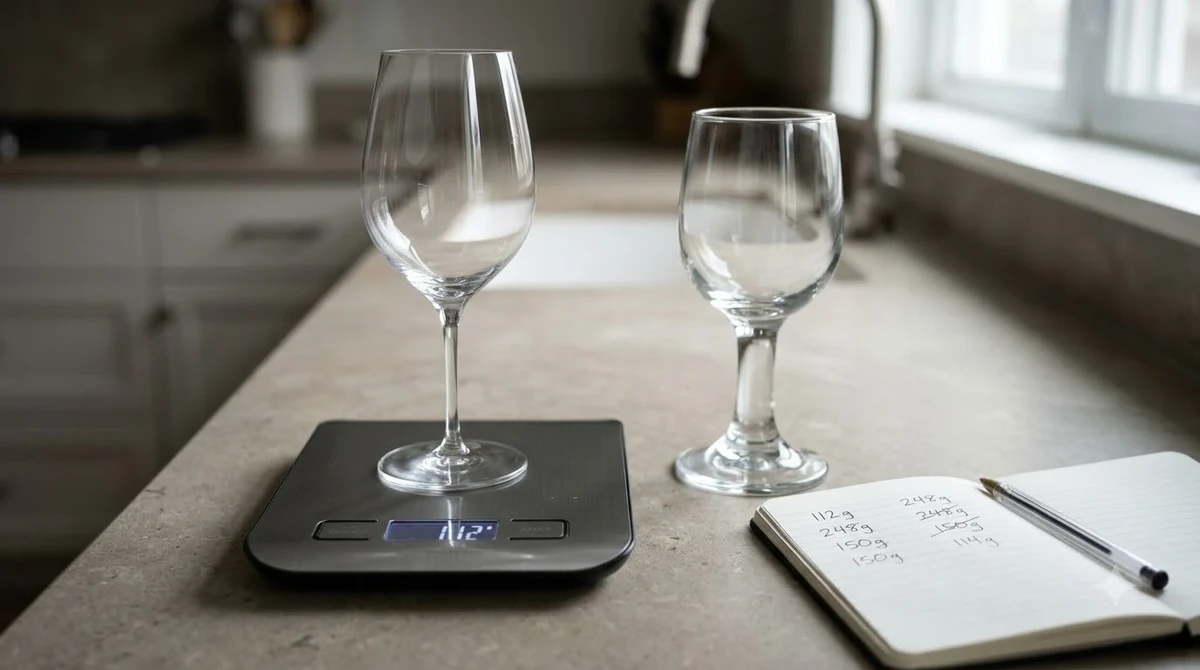
Clear Star Glass lets the wine’s color remain visible, while the curved bowl gives room to swirl and the narrower rim gathers aromas near the nose. The laser-cut edge is intended to feel more refined at the lip than a thick, rolled rim. The three still-wine sizes share a coordinated look, so a mixed setting can feel consistent without requiring several unrelated designs.
The collaboration with the Italian Association of Sommeliers gives the range a defined wine-service purpose. It does not mean a glass will make an average bottle taste exceptional or replace sensible serving temperature and pouring. Rather, the bowl, taper, rim, and stem are designed to support the basic sequence of looking at, smelling, swirling, and drinking wine.
Common Complaints
The most obvious reservation is delicacy. The available owner comment uses that exact idea, even while finding the glasses substantial enough in the hand. That is not evidence of a widespread breakage problem, but it is a reminder that a thin-rimmed crystal-style glass is not the best choice for a crowded sink, an outdoor picnic, or a household where glassware is frequently knocked together.
The XLT treatment should also be understood narrowly. Bormioli Rocco describes it as a protective treatment for the stem, designed to reduce abrasion and preserve stem strength over repeated use. That does not make the bowl, rim, or foot shatterproof, and it does not remove the need to keep the glasses separated during storage and washing. Wine Enthusiast’s glassware-material discussion makes the broader trade-off clear: a delicate, thin-rimmed crystal glass can offer a more refined drinking feel, but break-resistant materials make more sense in settings where knocks and drops are likely.
A second limitation is the thin amount of model-specific owner evidence. The available public feedback cannot establish a pattern for chipping, dishwasher damage, clouding, or long-term stem performance. Shoppers should not confuse the brand’s general customer-review totals with a deep sample for this particular set. The practical verdict has to rest mostly on the maker’s specifications and the limited direct feedback that is available.
Some buyers may also want a more narrowly specialized silhouette. The Medium is recommended for several still-wine colors rather than one grape, and the larger bowls give more room but take up more cabinet space. Drinkers who prefer a separate Burgundy bowl, Bordeaux bowl, and compact white-wine glass may want a more varietal-specific assortment instead of a three-size family built around broad still-wine use.
Who Should Buy and Who Should Skip
InAlto Tre Sensi makes the most sense for a home wine drinker who wants lead-free crystal-style clarity, a fine drinking edge, and a coherent set of stemmed glasses. It suits dinner parties, comparative tastings, and regular meals where guests are likely to notice clear glass and balanced proportions. The Medium is the practical first choice for a mixed red-and-white household; the Large or Extra Large makes more sense when fuller-bodied reds are served often and the cabinet has room for taller bowls.
It is a sensible step up from thick tumblers for someone who wants six matching glasses without moving into hand-blown, individually varied stemware. Anyone comparing the wider range of crystal wine glasses should judge rim feel, bowl shape, and durability together rather than treating the word crystal as a guarantee of one drinking experience. For a broader material comparison, the guide to lead free crystal wine glasses separates lead-free crystalline options from traditional lead crystal and ordinary soda-lime glass.
Skip the line if drop resistance, outdoor use, or rough handling is the main priority. A patio, campsite, busy rental property, or family table with young children is usually better served by thicker break-resistant glass. It is also a poor fit for shoppers who dislike tall stems or do not want to give delicate glassware careful storage; XLT protects one part of the glass but does not make the bowl or rim shatterproof.
How It Compares to Alternatives
Within Bormioli Rocco’s catalog, InAlto Uno is the closest named alternative. The distributor’s product brochure gives both InAlto Uno and InAlto Tre Sensi Star Glass, a laser-finished rim, and XLT stem treatment, so their basic technology is similar. Uno offers a 15.9-ounce Medium bowl, a 21.5-ounce XL bowl, and a 13-ounce Small bowl among its listed stemware sizes; Tre Sensi’s corresponding Medium, XL, and Small sizes are 14.5, 22, and 10.3 ounces. In practice, the choice comes down to which bowl proportions and capacities work better for the wines and serving sizes in the home.
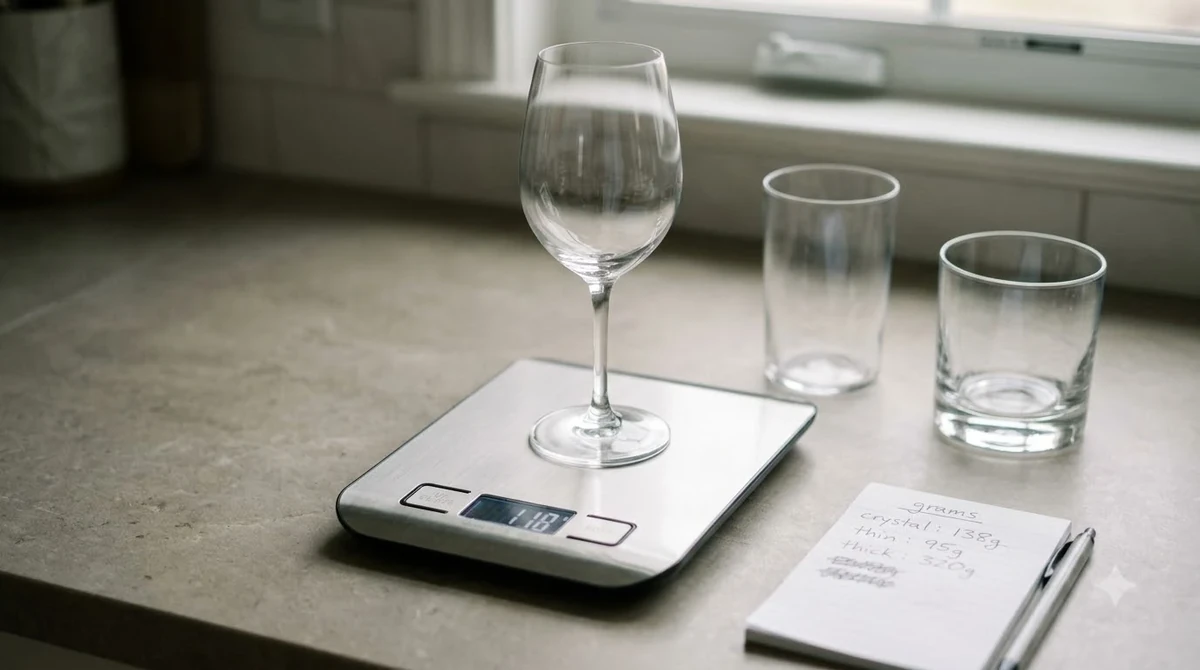
Tre Sensi has the clearer sommelier-oriented identity: Bormioli Rocco says it was developed with the Italian Association of Sommeliers, and the wider brochure includes two dedicated sparkling glasses. Uno is presented more broadly as design-led service glassware, with stemmed and stemless options shown. Someone who wants a more generous mid-size bowl or a stemless choice may prefer Uno; Tre Sensi is the more direct fit for a home focused on still-wine service.
Electra is another named alternative in the brochure. It also uses Star Glass, laser-cut rims, pulled-stem construction, and XLT, but is described as a wider modern stemware range. Premium and Nexo also appear as Bormioli Rocco wine-glass collections, although their names alone do not establish that their capacities or proportions match Tre Sensi. Outside the brand, the central choice is between fine-rimmed lead-free crystal and heavier everyday glass: one emphasizes sip feel and clarity, the other makes more sense for frequent knocks. The broader wine glasses guide compares those priorities across glass types.
Cleaning, Handling, and Storage
The manufacturer marks the Tre Sensi Medium dishwasher safe, but also advises washing products before first use, handling glass carefully, and avoiding sudden temperature changes unless the product is designed for thermal use. The sensible approach is to use a dishwasher only when the glasses can sit securely without touching plates, cookware, or one another. Avoid wedging a stem against a rack support or loading the rack so tightly that vibration can make the glasses knock together.
Hand washing offers more control around the stem and rim. Use a stable basin, keep the glass away from hard taps and metal utensils, avoid twisting the bowl against the foot, and rinse thoroughly so detergent scent does not remain. Strong soap or cloth odors can distract from wine aromas, while abrasive pads can damage a fine rim.
Tip: When drying or polishing a stemmed glass, support the bowl and stem without twisting the stem against the foot. A firm twist in opposite directions puts stress on the narrowest part of the glass.
Let the glasses dry fully before storing them upright on a stable shelf, with enough space that one rim cannot strike another. Keep the cabinet free of strong food, detergent, and cleaning-product odors. Jancis Robinson’s glassware-care guidance recommends upright storage away from dust and strong smells; Bormioli Rocco also advises inspecting each piece before use and discontinuing use if it is chipped or cracked.
Frequently Asked Questions
These answers cover a few details that are easy to miss when comparing the U.S. product listing with the collection’s wider technical brochure. They also help clarify which parts of the Tre Sensi range are intended for still wine and which are shaped for sparkling wine.
Does Star Glass change the color of the wine?
Bormioli Rocco’s technical catalog describes Star Glass as neutral and says it does not alter the color of the liquid it contains. The same section shows a light-transmission comparison for red wine in Star Glass and red wine outside the glass, with the curves closely aligned. That is a manufacturer-reported laboratory result, not an independent test of every glass in the collection.
Does the Tre Sensi collection include glasses for sparkling wine?
Yes. The collection brochure lists a Sparkling glass with a 21.5 cl capacity, or about 7⅓ ounces, and a Sparkling Mini at 15 cl, or 5 ounces. The Mini is 7 inches tall, while the larger Sparkling glass is 7¾ inches tall.
What is the smallest stemmed Tre Sensi wine glass?
The wider collection brochure lists a Small wine glass with a 30.5 cl capacity, or about 10⅓ ounces. Its listed height is 204 mm, roughly 8 inches, and its maximum diameter is 76.5 mm, or 3 inches. This is a smaller still-wine bowl, not the same model as the 5-ounce Sparkling Mini.
How much wine should go into the 14.5-ounce Medium glass?
A 5-ounce pour is a useful standard serving and leaves plenty of room in a 14.5-ounce bowl. Jancis Robinson recommends filling a wine glass no more than halfway, which gives the wine space to be swirled and its aromas room to collect. The bowl’s full capacity is not a suggested serving size.
Should wine glasses be stored upside down?
Jancis Robinson recommends storing wine glasses upright in a spot protected from dust and strong smells. That also keeps the rim from resting directly on a shelf, where dust or residue can collect inside the bowl. Use a stable shelf with enough clearance that the stems and bowls do not touch neighboring pieces.
Bormioli Rocco’s InAlto Tre Sensi is a persuasive choice for careful wine drinkers who value lead-free crystalline clarity, a refined rim, and a stem designed to stand up better to regular use. Its available owner comment is encouraging but too limited to prove long-term durability, so the strongest reason to buy is the combination of considered shape and practical stem treatment. Choose the Medium for broad still-wine use, then add the larger bowls only when your serving habits and storage space justify them.
More in Wine Glasses
 Spiegelau Crystal Wine Glasses That Bring Clarity to Every PourUpdated Nov 21, 2026
 Zalto Crystal Wine Glasses: Are They Worth the Investment?Updated Nov 21, 2026
 Villeroy And Boch White Wine Glasses for a More Cohesive TableUpdated Nov 21, 2026
 Zalto Wine Glasses On Sale: Find the Right Denk’Art GlassUpdated Nov 21, 2026
 Zwiesel Glas Champagne Glasses: Features, Quality and Buying AdviceUpdated Nov 21, 2026
 Zwiesel Glas Decanter Review: A Durable, Elegant Choice for Wine ServiceUpdated Nov 21, 2026