

We may earn a commission when you buy through links on this page, at no extra cost to you. Learn more.
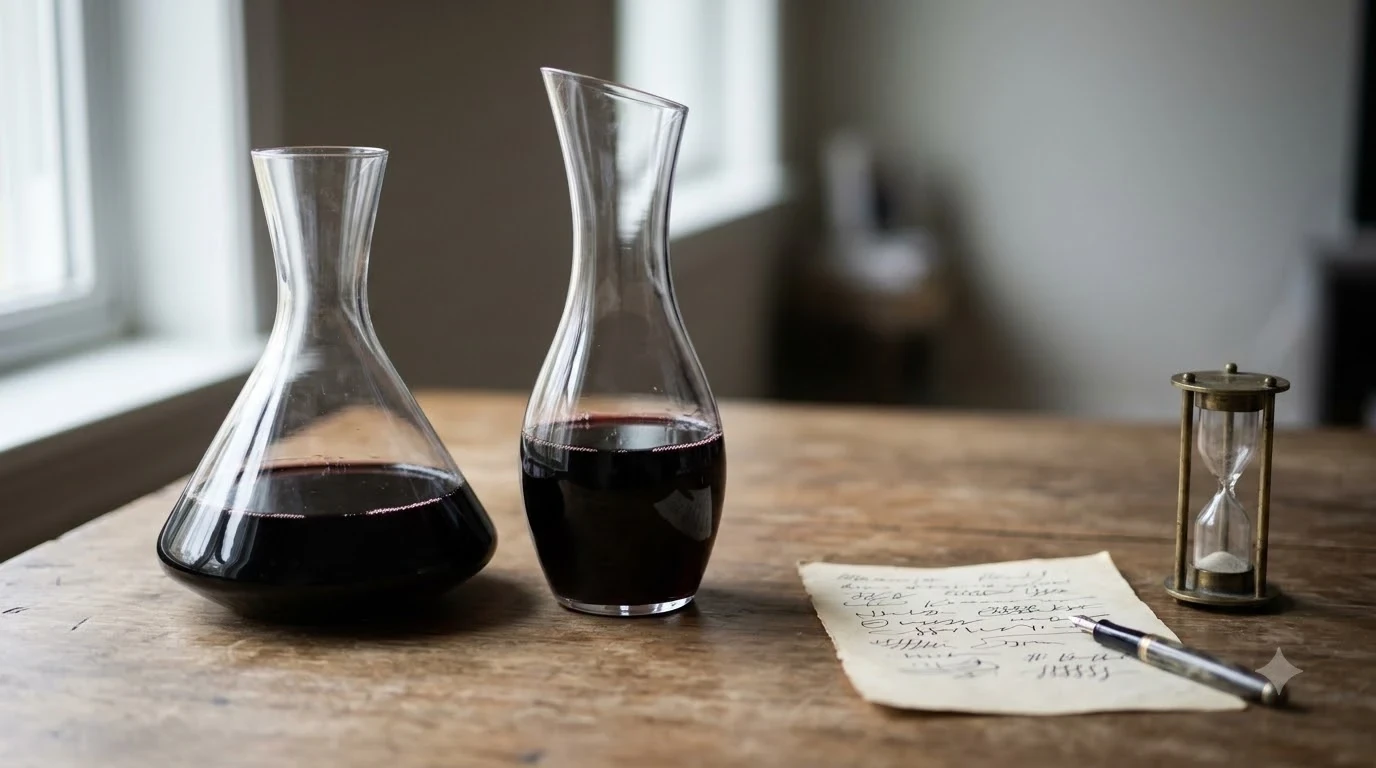
The grassl decanter is a premium, lightweight mouth-blown crystal decanter designed for wine drinkers who value elegant presentation, controlled pouring, and functional aeration. The Vigneron Series model combines Swiss design principles with traditional glassmaking and a distinctive lightweight construction. Its 1,000 ml listed capacity accommodates a standard 750 ml bottle, although its relatively compact dimensions and featherlight feel may not suit everyone looking for a large, heavy-duty decanter.
Grassl Glass is known for producing delicate, functional wine glassware rather than oversized decorative pieces. Its Vigneron Series Decanter follows the same philosophy, offering a minimalist silhouette intended to complement serious wine service. However, a premium decanter should do more than look attractive on a dining table. Capacity, oxygen exposure, sediment separation, pouring control, and cleaning requirements all influence whether a particular design makes sense for regular use. This review examines the Grassl model’s specifications, strengths, limitations, and suitability for different wine-drinking habits.
Specs and Key Features
The Grassl Vigneron Series Decanter is a mouth-blown, non-lead crystal vessel with a streamlined shape and lightweight construction. Its listed dimensions make it suitable for a standard bottle of wine without requiring the substantial storage space associated with some oversized decanters.
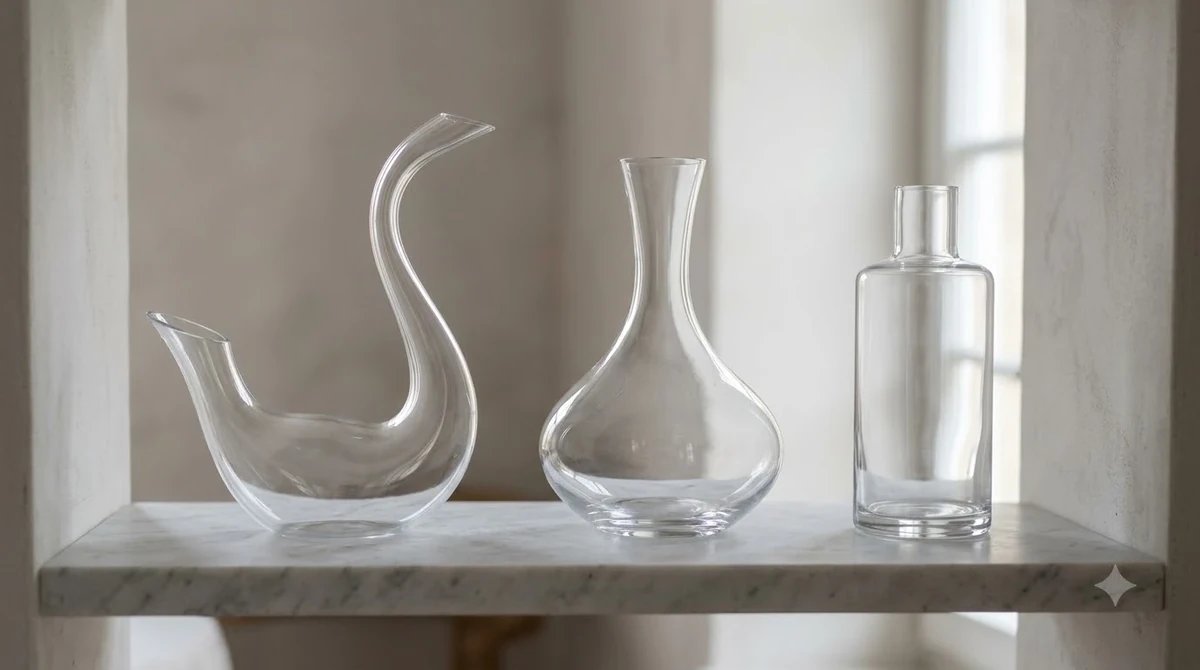
Grassl’s official collection lists the decanter at 1,000 ml, while US distributor CJF Selections publishes a height of 9 inches and a width of 5.9 inches. These specifications provide a useful starting point for understanding its size and how it might fit into a home wine-service setup.
| Specification | Grassl Vigneron Series Decanter |
|---|---|
| Brand | Grassl Glass |
| Collection | Vigneron Series |
| Material | Non-lead crystal |
| Manufacturing | Mouth-blown |
| Listed capacity | 1,000 ml / 33.81 fl oz |
| Height | 230 mm / 9 inches |
| Width | 150 mm / 5.9 inches |
| Primary purpose | Wine aeration and sediment separation |
| Suitable wine styles | Young and mature red or white wines |
| Dishwasher suitability | Listed as dishwasher-safe by CJF Selections |
One detail deserves attention: product listings across different retailers do not always agree on the decanter’s capacity. The official Grassl US collection and CJF Selections list 1,000 ml, while other retailer descriptions have published different capacities or bottle-size descriptions. The table above uses the manufacturer’s collection listing and the corresponding US distributor specifications rather than combining incompatible measurements.
The 1,000 ml capacity is sufficient for a standard 750 ml bottle, leaving approximately 250 ml of nominal additional space. That does not mean the entire remaining volume should be considered usable aeration space. The amount of wine in the vessel, its bowl geometry, and the exposed liquid surface all influence how effectively oxygen interacts with the wine.
The non-lead crystal construction is another important feature. Grassl describes its glassmaking materials and manufacturing process as designed to produce clear, lightweight crystal. The brand’s official philosophy emphasizes traditional craftsmanship, functionality, and usability rather than decorative complexity. More information about the company’s approach is available on the official Grassl Glass website.
For buyers comparing this decanter with matching drinking vessels, the wine glasses category is a useful starting point. A well-chosen decanter and appropriate glasses can make a wine-service setup more consistent, particularly when serving several different styles during one meal.
What Owners Like
The most frequently highlighted advantage of the Grassl Decanter is its exceptionally lightweight construction. Its minimalist design, mouth-blown crystal, and ability to accommodate a standard bottle also make it appealing to wine enthusiasts who prefer functional equipment with a refined appearance.
Lightweight handling
A decanter becomes considerably more demanding to handle once it contains wine. A standard 750 ml bottle holds enough liquid to make an already heavy glass vessel uncomfortable during repeated pouring. Grassl’s lightweight construction addresses that issue by keeping the empty vessel relatively light.
CJF Selections publishes customer feedback describing the decanter as almost weightless and praising its shape and handling. One customer specifically mentions pouring Cabernet Sauvignon into the vessel and swirling the wine inside to encourage aeration. This type of feedback is particularly relevant for buyers who plan to use a decanter regularly rather than reserve it for occasional formal dinners.
However, lightweight construction does not automatically mean better handling for every person. A decanter needs enough balance to remain comfortable when filled, tilted, and returned to a table. People accustomed to thicker, heavier crystal may initially find a featherlight vessel less reassuring.
Minimalist appearance
The Vigneron Series design is restrained rather than ornamental. It avoids elaborate cuts, colored glass, and complicated decorative details, allowing the wine itself to remain the visual focus.
This makes the decanter appropriate for several dining environments. It can sit comfortably beside traditional crystal wine glasses, contemporary tableware, or a simple collection of clear glass serving pieces. Its clean appearance also complements other Grassl Vigneron products without requiring an entire matching collection.
For wine enthusiasts who prefer coordinated glassware, the minimalist aesthetic can be a practical advantage. A simple crystal decanter is less likely to compete visually with different wine glasses or stemware used throughout a meal.
Traditional mouth-blown construction
Grassl emphasizes traditional mouth-blown glassmaking throughout its collection. The company describes a production process involving experienced artisans, controlled heating, slow cooling, and additional finishing steps.
That approach distinguishes the Vigneron Decanter from mass-produced glass vessels. Buyers interested in craftsmanship may appreciate the production method, particularly if they already own handmade wine glasses and prefer similar construction for their serving accessories.
Still, mouth-blown manufacturing should be understood as a construction characteristic, not an automatic guarantee of superior aeration or pouring performance. Those functions depend on the finished vessel’s geometry and practical handling characteristics as well.
Common Complaints
The Grassl Decanter’s main compromises are connected to the same characteristics that make it attractive: its lightweight construction and relatively compact format. Buyers should consider its oxygen-exposure limitations, handling feel, and cleaning requirements before choosing it over a larger traditional decanter.
Limited oxygen exposure compared with larger bowls
Food & Wine identifies the Grassl Vigneron Decanter’s smaller size as a potential limitation because it does not provide as much oxygen interaction as some larger decanters. This is an important distinction for people who regularly open young, highly structured red wines.
Decanting works partly by increasing the wine’s contact with air. A broad, shallow bowl can expose a larger liquid surface, while a narrower or more compact design may offer less exposure depending on its shape and fill level.
For example, a young Cabernet Sauvignon from Napa Valley may benefit from additional aeration when its tannins and concentrated fruit initially make it seem closed. A wide-bowled decanter may provide more room for spreading the wine across a broad surface. The Grassl design can still serve this purpose, but buyers should not assume that every decanter produces identical aeration.
The featherlight feel is not for everyone
Food & Wine also notes that some users may feel uncomfortable handling the Grassl Decanter because it is unusually light. This is a reasonable consideration for anyone who associates a premium glass vessel with substantial weight and a thick, reassuring base.
Pouring a full 750 ml bottle requires confidence in the balance between the neck, body, and base. A lightweight design can reduce fatigue, but it can also feel unfamiliar when the vessel is filled and tilted over a wine glass.
People with limited experience handling delicate crystal may prefer a more substantial decanter. This is especially relevant when serving wine at a crowded dinner table, where accidental contact with plates, serving utensils, and other glassware is more likely.
Care requires attention
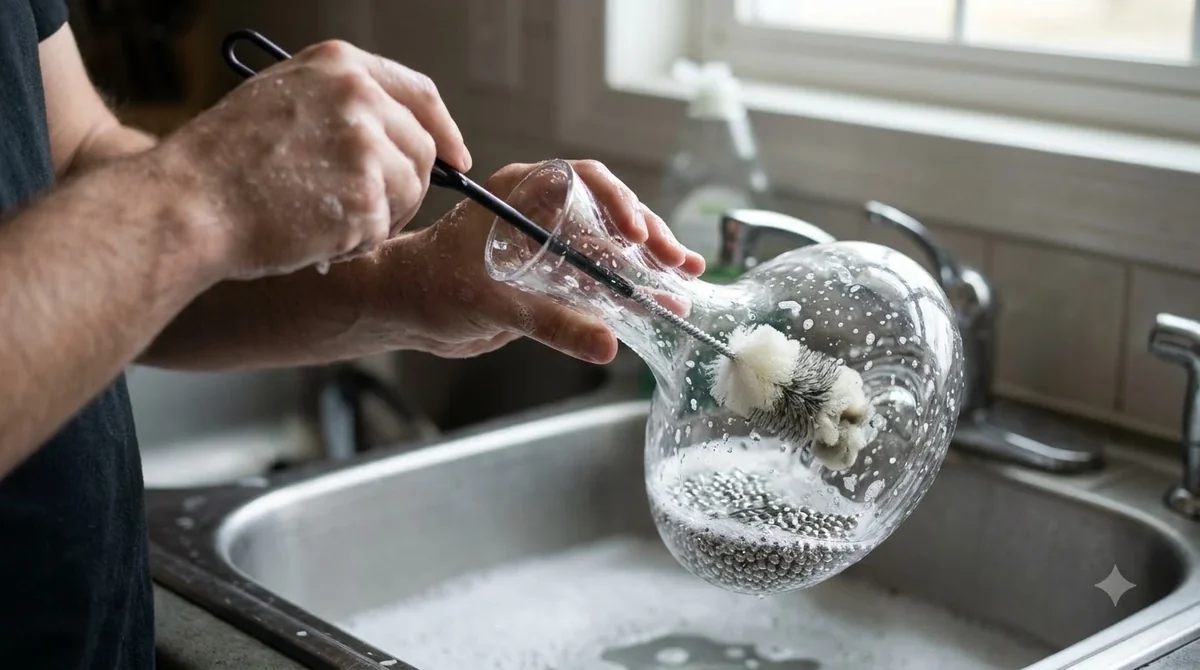
Although CJF Selections lists the Grassl Decanter as dishwasher-safe, its mouth-blown crystal construction deserves careful treatment. A crowded dishwasher can expose glassware to contact with other dishes, racks, and utensils.
Drying can also become inconvenient when water remains inside the vessel. Narrow openings and curved interior surfaces make some decanters harder to dry completely than ordinary drinking glasses.
These are not necessarily defects in the Grassl design. They are practical considerations that apply to many delicate crystal decanters. Owners who prioritize quick, uncomplicated cleaning may prefer a simpler, heavier vessel with a more accessible interior.
Who Should Buy and Who Should Skip
The Grassl Vigneron Series Decanter is best suited to wine enthusiasts who value lightweight crystal, understated design, and a vessel intended for regular wine service. It is less compelling for buyers who prioritize maximum oxygen exposure, heavy construction, or a large format for decanting several bottles at once.
Who should consider it
Wine collectors who already own Grassl glassware: The decanter fits naturally into the Vigneron Series design philosophy. Buyers who appreciate the brand’s lightweight, functional approach may prefer a matching serving vessel rather than introducing a noticeably different style of crystal.
Cabernet Sauvignon and Merlot drinkers: These wines are common candidates for decanting, particularly when young. Cabernet Sauvignon typically has high tannin, while Merlot generally has softer, medium tannin. Both can benefit from thoughtful aeration, depending on their age and structure.
Hosts who value presentation: A clean, transparent decanter can make serving wine feel more considered without introducing an elaborate centerpiece. The Grassl design works particularly well with a restrained dining setup and matching crystal stemware.
People who dislike heavy glassware: Its featherlight construction may appeal to those who find substantial decanters cumbersome during pouring and serving.
Who should skip it
Buyers seeking maximum aeration: A larger decanter with a wide, shallow bowl may be a better choice for wines that benefit from substantial oxygen exposure. This can matter when regularly serving young, powerful Syrah, Cabernet Sauvignon, or Nebbiolo.
People who prefer substantial glass: If a decanter needs to feel heavy and reassuring in the hand, Grassl’s lightweight approach may not match expectations.
Large-group entertainers: The listed 1,000 ml capacity accommodates a standard bottle, but people regularly serving multiple bottles may find a larger vessel more practical. A second decanter or an oversized alternative may be preferable for bigger gatherings.
Buyers seeking inexpensive everyday equipment: The Grassl Vigneron Decanter belongs to the premium end of wine accessories. Its traditional craftsmanship and lightweight crystal are appealing, but they may be unnecessary for someone who only decants wine occasionally.
Tip: Before purchasing, consider the wines you actually serve. If you frequently open young Cabernet Sauvignon or Syrah, compare the Grassl with a broad-bowled decanter. If your priority is a lightweight, elegant vessel for standard-bottle service, the Grassl design may be a better match.
How It Compares to Alternatives
The Grassl Decanter competes with traditional wide-bowled decanters and other premium crystal designs, but its defining characteristic is its lightweight construction. The right alternative depends on whether the priority is aeration, capacity, ease of handling, or a distinctive serving appearance.
Grassl versus the Zalto Denk’Art Carafe No. 150
The Zalto Denk’Art Carafe No. 150 is a useful comparison for people considering premium crystal decanters. Food & Wine lists the Zalto vessel with a 1,600 ml capacity, making it substantially larger than the Grassl’s officially listed 1,000 ml capacity.
That additional room makes the Zalto more appropriate for buyers who regularly decant larger quantities or prefer extra capacity. Food & Wine also describes its vertical, vase-like shape and reports that the tested model allowed wine to develop with air exposure over time.
The Grassl offers a more compact alternative. Its lightweight construction may appeal to someone who prioritizes handling over capacity, while the Zalto is a more logical option for buyers who need space for larger pours.
Grassl versus the Luigi Bormioli Vinea
The Luigi Bormioli Vinea takes a more conventional approach with a bulbous base, narrow neck, and angled rim. Food & Wine highlights its controlled pouring characteristics and reports that the tested design improved a full-bodied red within 15 minutes, with further changes over the following 45 minutes.
Its published specifications include a 746 ml capacity and a weight of 1.36 pounds. Those characteristics make it an interesting alternative for someone who wants a relatively traditional bottle-sized decanter rather than an especially lightweight crystal vessel.
The Grassl has a different appeal. Its emphasis on mouth-blown crystal, understated appearance, and minimal weight makes it more appropriate for someone who values the overall glassmaking approach as much as the decanting function.
Grassl versus a conventional wide-bowled decanter
A conventional wide-bowled decanter may be the more practical choice for wine drinkers whose primary objective is maximum surface exposure. Its larger base can provide more room for wine to spread out, which may be useful when opening young, concentrated reds.
However, a large bowl does not guarantee better wine in every situation. Decanting time, wine age, temperature, and the wine’s structure all affect the outcome. A delicate mature Pinot Noir, for instance, does not necessarily need the same aggressive aeration approach as a young Cabernet Sauvignon.
The Grassl is better understood as a premium serving and aeration vessel rather than a specialized high-capacity aeration system. Buyers should compare its practical characteristics with their usual wine styles instead of assuming that a larger or lighter design is automatically superior.
People assembling a complete glassware collection may also want to compare red wine glasses and champagne flutes before choosing complementary serving accessories. The shape of the drinking glass influences the wine’s presentation and aroma experience, while the decanter performs a separate serving and aeration role.
Care, Cleaning, and Everyday Use
Proper care helps preserve the clarity and appearance of mouth-blown crystal. The Grassl Decanter is listed as dishwasher-safe by CJF Selections, but careful washing and storage remain sensible for a lightweight vessel that may be more vulnerable to accidental knocks than heavier glassware.
Clean it immediately after serving
Wine residue becomes more difficult to remove as it dries. After serving, empty the remaining wine and rinse the interior with lukewarm water. This helps prevent colored deposits from Cabernet Sauvignon, Syrah, and other deeply pigmented reds.
For routine cleaning, use a gentle approach and avoid rough brushes or abrasive materials that could scratch the crystal. If a cleaning solution is needed, choose a mild, unscented product and rinse thoroughly so that no detergent residue remains.
Allow sufficient drying time
Water trapped inside a decanter can leave visible spots after drying. Place the vessel upside down at a slight angle in a stable drying position, allowing air to circulate through the opening.
A soft, lint-free microfiber cloth can help remove exterior water marks. Avoid forcing a cloth through a narrow opening, as applying pressure to the neck can create unnecessary stress on delicate glass.
Store it separately from heavy items
Store the Grassl Decanter in a location where it cannot collide with metal accessories, ceramic serving pieces, or heavier glassware. A dedicated shelf with sufficient clearance is preferable to a crowded cabinet.
Its minimalist shape makes it suitable for display, but a stable storage location is more important than keeping it permanently visible. When storing it on an open shelf, avoid placing it near the edge or directly beneath frequently handled kitchen equipment.
Use an appropriate decanting method
For a young red wine, pour steadily into the decanter rather than splashing the wine unnecessarily. A young, full-bodied Cabernet Sauvignon may benefit from approximately 30 to 60 minutes of decanting, although the ideal duration varies with the wine.
For an older bottle, sediment separation is often more important than extended aeration. Allow the bottle to settle before opening, then pour slowly and stop when sediment approaches the neck. The Grassl Decanter can serve this purpose, provided the wine is transferred carefully.
For a more structured approach, pour a small sample immediately after opening and revisit it at 15-minute intervals. This gives a practical indication of whether the wine is becoming more expressive or losing its freshness during aeration.
Frequently Asked Questions
Where is Grassl Glass based?
Grassl Glass describes its design approach as Swiss design combined with traditional glassmaking. The brand works with an official distributor network rather than presenting every regional market as a direct-sales operation. Its website provides regional purchasing information for customers looking for authorized sellers.
Does the Grassl Decanter have a stopper?
The published Vigneron Series Decanter specifications from CJF Selections do not identify a dedicated stopper as a standard included component. Buyers who need a covered vessel for temporary storage should confirm accessory compatibility with their retailer before purchasing a separate stopper.
Can the Grassl Decanter be used for rosé wine?
Yes. A decanter can be used for rosé when additional aeration or sediment separation is appropriate. However, most fresh, fruit-driven rosé wines are ready to serve directly from the bottle, so transferring them is generally a matter of presentation or a specific serving preference rather than a requirement.
Can sparkling wine be served from the Grassl Decanter?
Although a general wine decanter can physically hold sparkling wine, transferring it usually reduces carbonation. Traditional sparkling wines such as Champagne and Cava are normally served directly from the bottle to preserve their bubbles. A dedicated Champagne glass is generally more appropriate for routine sparkling-wine service.
Does the Grassl Decanter come with a lifetime warranty?
Warranty and satisfaction policies depend on the seller. CJF Selections advertises a lifetime satisfaction guarantee for its Grassl glassware, subject to its stated return conditions, including the requirement that returned items remain undamaged. Buyers should distinguish a retailer’s satisfaction guarantee from a manufacturer’s warranty covering accidental breakage.
The Grassl Vigneron Series Decanter is an appealing option for wine enthusiasts who appreciate lightweight, mouth-blown crystal and understated presentation. Its compact 1,000 ml listed capacity and minimalist design make it suitable for standard-bottle service, although buyers seeking maximum aeration or a heavier, more substantial vessel may prefer a traditional alternative. For someone who values craftsmanship and elegant everyday wine service, Grassl is a distinctive decanter worth considering.
More in Wine Glasses
 Bormioli Rocco Crystal Wine Glasses for Clear, Refined Wine ServiceUpdated Nov 21, 2026
 Iittala White Wine Glasses Review: Elegant Everyday StemwareUpdated Nov 21, 2026
 Govino Decanter Review: A Shatterproof Wine Serving SolutionUpdated Nov 21, 2026
 Hudson Bay Wine Glasses for a More Informed Glassware PurchaseUpdated Nov 21, 2026
 Gabriel Glas White Wine Glasses: A Versatile Upgrade for Aromatic WhitesUpdated Nov 21, 2026
 Gabriel Glas Red Wine Glasses for Versatile Red Wine ServiceUpdated Nov 21, 2026