
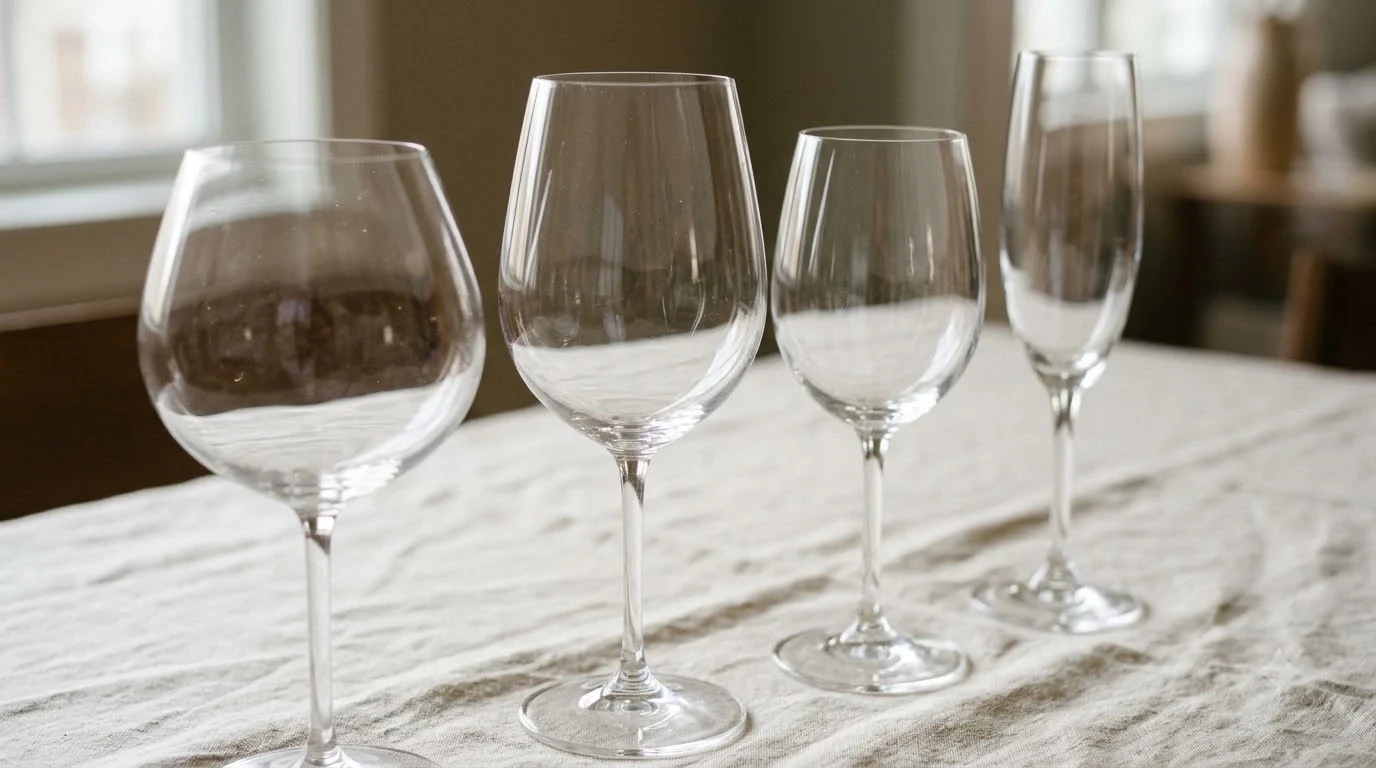

We may earn a commission when you buy through links on this page, at no extra cost to you. Learn more.
Gabriel glas white wine glasses are an excellent choice for wine drinkers who want one elegant, versatile crystal glass for aromatic whites, Chardonnay, rosé, and other wine styles. The Gabriel-Glas StandArt combines a 510 ml bowl, a thin laser-cut rim, and continuous single-piece lead-free crystal construction. Its universal shape provides room for swirling and aroma development, while its machine-blown construction makes it practical for regular use compared with exceptionally delicate specialty glasses.
A dedicated white wine glass can make a difference at the dinner table, but maintaining several different glass shapes is not always practical. Gabriel-Glas approaches that problem with a universal design intended to accommodate different grapes and wine styles without sacrificing the features that make fine stemware enjoyable. Its StandArt and Gold Edition models share the same general silhouette but offer different construction methods and weights. Understanding those differences helps determine whether this glassware is a sensible addition to a home wine collection.
Specs and Key Features
Gabriel-Glas StandArt is a large-capacity universal wine glass made from lead-free crystal, with a gently tapered bowl and a particularly thin rim. Its dimensions provide enough room for aromatic whites to develop while accommodating the swirling commonly used when evaluating more complex wines.
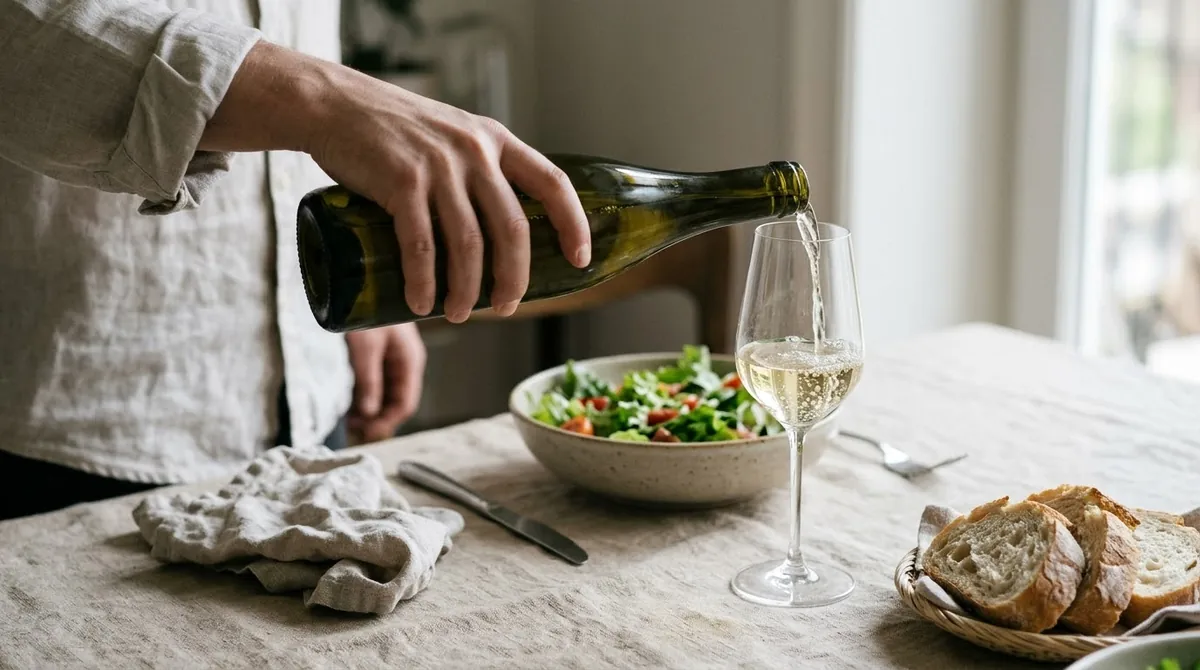
The StandArt measures 230 mm tall and holds 510 ml, giving it considerably more internal space than a small, traditional white wine glass. Its bowl measures 95 mm across, narrowing toward a 66 mm opening. This shape gives the wine a relatively broad surface area while directing aromas toward the drinker. The opening is also wide enough to make the glass practical for wines that benefit from repeated swirling and smelling.
The glass is made from lead-free crystal and uses a single-piece manufacturing process. According to the manufacturer, molten crystal is formed into the bowl, the stem is pulled, and the footplate is shaped without joints or glue. This construction is an important feature because traditional multi-piece stemware can have vulnerable connection points where the bowl, stem, and base meet.
The laser-cut and diamond-polished rim is another defining feature. A thin, even rim creates less of a physical barrier between the wine and the drinker’s mouth than a thick, rolled lip. The result is a refined drinking experience without requiring an extremely lightweight, hand-blown glass.
| Specification | Gabriel-Glas StandArt |
|---|---|
| Glass type | Universal wine glass |
| Material | Lead-free crystal |
| Manufacturing | Machine-blown, single-piece construction |
| Capacity | 510 ml / 17.29 fl oz |
| Height | 230 mm / 9.05 inches |
| Maximum bowl width | 95 mm / 3.74 inches |
| Rim diameter | 66 mm / 2.59 inches |
| Approximate weight | 150 g / 5.29 oz |
| Rim finish | Laser-cut and diamond-polished |
| Dishwasher safe | Yes |
These specifications make the StandArt a substantial but manageable piece of stemware. Its 150-gram weight is noticeable compared with some extremely lightweight premium glasses, but that additional weight can be reassuring during everyday handling. The wide foot also provides a stable foundation when the glass is placed on a dining table or tasting counter.
Another useful feature is its dishwasher compatibility. Gabriel-Glas reports testing its crystal for brilliance and clarity after 1,000 washing cycles under EU testing standards. This does not mean that the glass is unbreakable or immune to damage, but it does make routine cleaning more convenient than it would be with some particularly delicate alternatives.
For buyers primarily interested in white wine, the important specifications are the 510 ml capacity, 95 mm bowl width, and 66 mm opening. Together, these dimensions offer a useful balance between space for aromatics and a rim that does not feel excessively wide during drinking.
The manufacturer also recommends filling the glass to approximately the widest part of its bowl. That leaves room above the wine for aromas to collect without requiring an unusually small serving. A standard 5-ounce pour is a sensible starting point for everyday wine service, even though the glass itself can hold considerably more.
What Owners Like
The strongest appeal of Gabriel-Glas StandArt is its combination of refined appearance, practical weight, and versatility. Independent editorial reviewers appreciate the way it balances the feel of premium crystal with construction that is suitable for regular dining and entertaining.
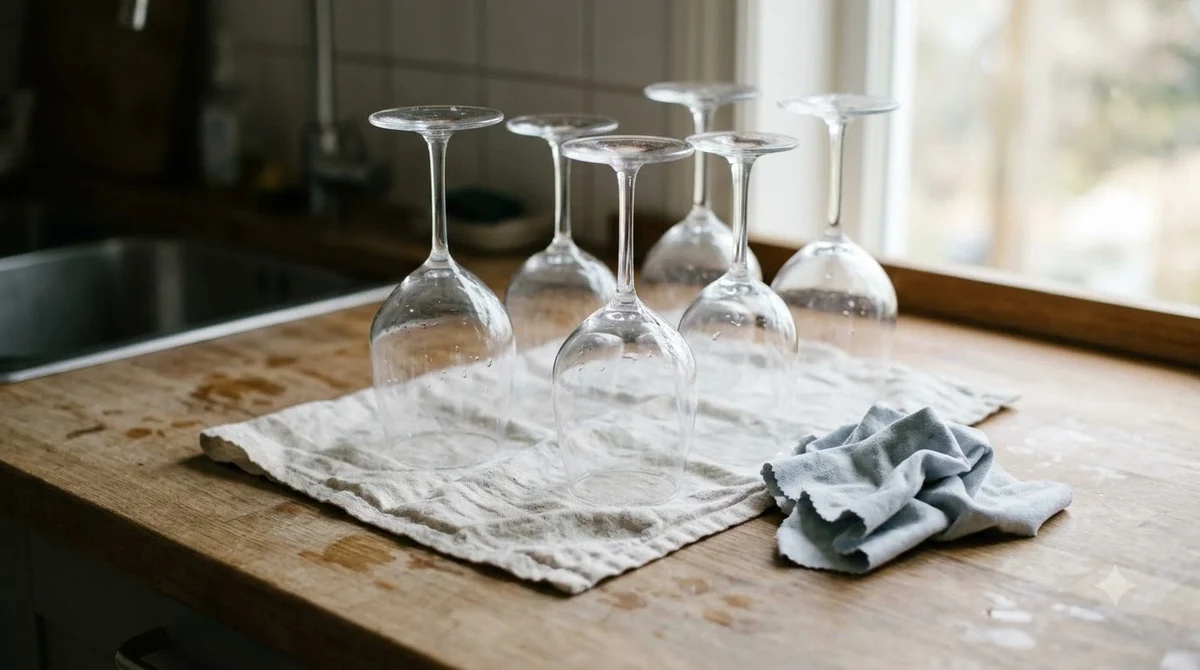
The slightly conical bowl gives the glass a distinctive appearance without looking overly specialized. A traditional white wine glass often has a relatively narrow bowl to preserve freshness and direct aromas toward the nose. Gabriel-Glas takes a different approach by providing more room for swirling while retaining a controlled opening. This makes it particularly useful for households that serve several types of wine during the same meal.
For example, a Sauvignon Blanc from New Zealand can benefit from a glass that concentrates its recognizable citrus, herbal, and tropical fruit aromas. A Chardonnay from California may benefit from the extra room to explore its apple, pear, and oak-influenced characteristics. The StandArt can accommodate both without requiring a change of stemware between courses.
Independent editorial coverage also supports its appeal. Bon Appétit’s review highlights the thin rim, elegant stem, and slightly conical shape. The reviewer particularly appreciates that the machine-blown construction provides a more reassuring feel than some delicate-looking alternatives. That assessment is useful for people who want attractive glassware without treating every dinner service like a formal wine competition.
Wine Folly also included Gabriel-Glas StandArt among its preferred universal glasses after comparing five premium designs. Its assessment emphasizes the glass’s value and its ability to perform alongside more expensive alternatives. The review also highlights how the glass presents fruit flavors in a sequential way, making it useful for comparative tastings and exploring differences between wines. The full comparison is available in Wine Folly’s universal wine glass comparison.
Another positive feature is the manufacturer’s focus on the drinking experience rather than appearance alone. The broad lower bowl provides room for aeration, while the tapered sides direct aromas toward the opening. The design is especially appealing to people who enjoy examining a wine before taking the first sip.
Owners also have a practical reason to appreciate the single-piece construction. Because the bowl and stem do not rely on a traditional joined connection, there is no conventional seam at that junction. This does not prevent accidental breakage, but it removes one potential weak point associated with some assembled wine glasses.
The glass is also versatile enough for entertaining. A host can use the same stemware for an opening glass of sparkling wine, a white wine with appetizers, and a red wine with the main course. That consistency can simplify table settings and reduce the number of different glass shapes that need to be stored.
For people who enjoy a mixed collection of wines, this flexibility is arguably more useful than owning an elaborate assortment of specialized glasses. A single well-designed universal glass can cover most ordinary occasions while leaving room for specialty stemware when a particular wine genuinely calls for it.
The design also suits casual comparative tastings. Pouring two different white wines into identical glasses helps keep the presentation consistent. For example, comparing an unoaked Chardonnay with a lightly oaked version becomes easier when the glass shape is not another variable in the tasting.
Common Complaints
Gabriel-Glas StandArt has several practical advantages, but its design is not ideal for every buyer. Its relatively large bowl, premium crystal construction, and universal proportions introduce compromises that matter if you prefer compact white wine stemware or have limited cupboard space.
The first potential drawback is its size. A capacity of 510 ml is generous for a glass intended to serve both red and white wine. It provides room for swirling, but it can look oversized on a small dining table or feel cumbersome in a crowded dishwasher. People accustomed to smaller white wine glasses may also find the bowl unnecessarily large for a simple weekday pour.
Its height of 230 mm is another consideration. Measure your cupboard shelves and dishwasher racks before purchasing a full set. Although the manufacturer recommends dishwasher use, a glass still needs enough clearance to remain stable and avoid contact with plates, cutlery, or neighboring stemware.
Weight is a matter of preference as well. At approximately 150 grams, StandArt is not an ultra-lightweight glass. Some wine drinkers prefer the nearly weightless feel of a mouth-blown stem, especially when drinking delicate white wines. Others appreciate a little more substance because it makes the glass feel less intimidating during ordinary use.
The 66 mm opening is relatively generous compared with some narrow white wine glasses. That is useful for broader aromatic expression and makes drinking comfortable for many people. However, buyers who specifically prefer a tightly tapered glass for very delicate aromatic wines may prefer a dedicated Riesling or Sauvignon Blanc design.
There is also the question of crystal maintenance. Dishwasher compatibility should not be confused with resistance to every detergent or washing condition. Gabriel-Glas warns against aggressive cleaning products, particularly dishwasher tablets and chlorine-containing liquid detergents in its Swiss care guidance. Poor loading practices can still result in chips or breakage.
Another limitation is that a universal glass cannot perfectly reproduce every specialist bowl shape. A large Bordeaux glass, a narrow Champagne flute, and a small aromatic white wine glass serve somewhat different purposes. StandArt is designed to cover a wide range rather than optimize every possible grape variety individually.
Finally, the Gold Edition is a different proposition for buyers who prioritize delicacy above practicality. Its approximately 90-gram weight gives it a much lighter feel than StandArt. However, that additional lightness may not be necessary for someone who wants a dependable everyday glass rather than an especially refined piece for formal tastings.
These limitations do not make StandArt a poor purchase. They simply show why buyers should compare the actual dimensions and construction rather than assuming that a premium universal glass will suit every household. A smaller glass may be more comfortable for people who primarily serve modest pours of crisp white wine.
Who Should Buy and Who Should Skip
Gabriel-Glas StandArt is best suited to wine drinkers who regularly alternate between white, red, rosé, and sparkling wines and want one consistent glass shape. It is especially appealing to people who value aroma presentation, a thin rim, and dishwasher-friendly construction.
White wine enthusiasts who regularly drink Chardonnay, Chenin Blanc, Sauvignon Blanc, Pinot Grigio, and dry Riesling should find the universal design useful. The broad bowl gives wines room to release their aromas, while the tapered opening helps concentrate those aromas during smelling. It is particularly convenient when serving several different white wines at a dinner party.
People who enjoy more substantial white wines may appreciate the design even more. An oak-influenced Chardonnay or a textured white Rhône blend can benefit from a larger bowl that allows repeated swirling. A narrow glass can make these wines feel comparatively restrained, particularly when they have developed complex aromas during bottle aging.
StandArt also makes sense for households that drink both white and red wine. Rather than purchasing separate everyday glasses for Sauvignon Blanc, Pinot Noir, and Cabernet Sauvignon, buyers can use the same glass across different courses. The 510 ml capacity and 95 mm bowl width are sufficient for ordinary pours while leaving space for aeration.
It is also a reasonable choice for people who host tastings. Consistent glass shapes make it easier to compare several wines because differences in presentation are less likely to come from changing bowl designs. A host can pour two whites side by side and examine how acidity, fruit intensity, and aromatic development differ.
StandArt can also simplify glassware purchases for couples and small households. Instead of buying a separate collection for every grape variety, buyers can start with a matching set of universal glasses and add specialist pieces later. This approach is particularly practical for people who enjoy a broad selection of wine but do not have a dedicated stemware cabinet.
However, buyers with limited storage should think carefully before choosing this design. A 230 mm-tall glass with a relatively broad bowl needs more room than compact restaurant-style stemware. If most of your wine consumption involves small servings of crisp white wine, a smaller specialist glass may be more practical.
Dedicated Champagne enthusiasts may also want a separate sparkling wine glass. StandArt can serve Champagne and other sparkling wines, but people who prefer a narrow flute to preserve a focused stream of bubbles may prefer specialty stemware for formal sparkling wine service.
Likewise, buyers who want the lightest possible hand-blown glass should consider the Gold Edition rather than StandArt. The approximately 60-gram weight difference is significant when handling the two versions side by side. The Gold Edition is aimed at people who appreciate the tactile qualities of hand-blown crystal, while StandArt is the more practical everyday option.
For shoppers comparing different types of white wine glasses, the main question is whether versatility matters more than grape-specific proportions. If one glass needs to cover most of the wine collection, Gabriel-Glas is a compelling option. If you mainly drink one particular style, a specialized design may offer a more tailored experience.
Tip: Before ordering a set, measure the height of your storage shelves and dishwasher rack. The StandArt’s 230 mm height and 95 mm maximum bowl width can make a difference in compact kitchens.
How It Compares to Alternatives
Gabriel-Glas StandArt occupies a useful middle ground between inexpensive everyday stemware and very lightweight premium hand-blown glasses. Its defining qualities are its universal bowl, approximately 150-gram weight, and single-piece construction.
The closest comparison within the same brand is Gold Edition. Both versions share the same general silhouette and 510 ml capacity, but their production methods create a noticeably different feel. StandArt is machine-blown, while Gold Edition is mouth-blown and weighs approximately 90 grams. The latter is better suited to people who value handmade craftsmanship and exceptional lightness.
The distinction is not simply cosmetic. Holding a 90-gram glass and a 150-gram glass produces a different tactile experience, especially when swirling a small amount of wine. The Gold Edition has a more delicate feel, while StandArt provides a more substantial grip and is easier to choose for regular household use.
Another comparison is the Zalto Denk’Art Universal Glass, which Wine Folly included alongside Gabriel-Glas among its preferred universal wine glasses. Wine Folly particularly praised Zalto for its fruit presentation in red wines, while describing Gabriel-Glas as an impressive value that performed well against much more expensive competitors.
For someone who mainly drinks white wine, both designs are worth considering. The important differences involve weight, rim feel, construction, and personal preference. A person who enjoys an extremely lightweight glass may prefer Zalto or Gabriel-Glas Gold Edition, whereas someone who wants a more substantial everyday stem may prefer StandArt.
Traditional specialist white wine glasses are another alternative. A narrow Riesling glass can be attractive for delicate aromatic wines, while a broader Chardonnay glass can suit richer, fuller-bodied whites. These dedicated shapes may offer a more tailored presentation, but they also require separate storage and additional purchases.
Buyers comparing a complete collection should also consider the broader selection of wine glasses available for different occasions. A universal glass is convenient, but it does not mean that every wine drinker needs to abandon traditional stemware. A dedicated red wine glass can still make sense for someone who regularly serves mature Cabernet Sauvignon, Syrah, or other structured reds.
For more brand comparisons, the Glassware Brands overview provides another useful starting point. Comparing construction, bowl dimensions, and weight across manufacturers is more helpful than choosing stemware based on appearance alone.
Overall, StandArt is particularly convincing as an everyday premium universal glass. Its construction and design give it an advantage over basic stemware, while its additional weight makes it less intimidating than some exceptionally delicate alternatives. The decision between StandArt and a specialist glass should come down to drinking habits rather than prestige alone.
Frequently Asked Questions
These answers cover practical details that can help buyers decide how to use, maintain, and choose Gabriel-Glas stemware.
Are Gabriel-Glas white wine glasses made in Austria?
Gabriel-Glas is associated with Austria and was founded by Swiss wine critic René Gabriel. The company’s Swiss FAQ identifies its production facility as the Rona factory in Lednické Rovne, Slovakia. Brand origin and manufacturing location are therefore two different details.
Does Gabriel-Glas make stemless wine glasses?
The brand’s principal Gabriel-Glas collection is built around its universal stemmed design. Its wider product catalog also includes other glassware and accessories, so buyers looking specifically for stemless designs should examine the current catalog rather than assume every collection follows the same format.
Is Gabriel-Glas crystal suitable for professional wine tastings?
Yes. The manufacturer identifies wine tastings and gastronomy among the intended applications for StandArt. Its universal shape is also useful in comparative tasting sessions because different wine samples can be presented in the same glass design.
Should Gabriel-Glas wine glasses be stored upside down?
Gabriel-Glas North America’s care guidance recommends storage in a well-ventilated area. The manufacturer also suggests hanging glasses by their bases when possible. This helps avoid trapping unwanted odors inside the bowls and reduces unnecessary contact with the drinking rims.
Can Gabriel-Glas glasses be used for spirits?
The manufacturer’s Swiss FAQ lists spirits among the possible uses for its universal glass. Its large opening and aromatic bowl can accommodate drinks beyond conventional table wine. Nevertheless, buyers who regularly serve whiskey or brandy may still prefer dedicated spirits glassware for those occasions.
Gabriel-Glas StandArt is a strong option for anyone looking for premium white wine stemware that can also handle red, rosé, and sparkling wines. Its 510 ml capacity, carefully finished rim, and single-piece construction provide a practical combination of presentation and everyday usability. For most households seeking one versatile premium glass, StandArt is the more sensible starting point, while Gold Edition remains an appealing alternative for those who prioritize exceptional lightness and hand-blown craftsmanship.
Before choosing a set, consider your cupboard dimensions, preferred wine styles, and whether you value everyday practicality or an especially delicate drinking experience. Those three considerations will make it easier to select the Gabriel-Glas version that best suits your table.
More in Wine Glasses
 Spiegelau Crystal Wine Glasses That Bring Clarity to Every PourUpdated Nov 21, 2026
 Zalto Crystal Wine Glasses: Are They Worth the Investment?Updated Nov 21, 2026
 Villeroy And Boch White Wine Glasses for a More Cohesive TableUpdated Nov 21, 2026
 Zalto Wine Glasses On Sale: Find the Right Denk’Art GlassUpdated Nov 21, 2026
 Zwiesel Glas Champagne Glasses: Features, Quality and Buying AdviceUpdated Nov 21, 2026
 Zwiesel Glas Decanter Review: A Durable, Elegant Choice for Wine ServiceUpdated Nov 21, 2026