

We may earn a commission when you buy through links on this page, at no extra cost to you. Learn more.
The Duralex wine tumbler is a practical choice for casual wine drinking, combining the iconic Picardie design with impact-resistant tempered glass, convenient stacking, and easy dishwasher care. Its rounded, stemless shape works particularly well for everyday red, white, and rosé wine service. However, it is not a specialist tasting glass, and its relatively compact bowl offers less room for swirling and aroma development than a traditional stemmed wine glass.
Duralex Picardie tumblers have a recognizable French café appearance, with curved sides, horizontal bevels, and a substantial everyday feel. Although originally designed as versatile drinking glasses rather than dedicated wineware, their practical construction makes them an appealing option for households that prefer uncomplicated glassware. The important decision is choosing a capacity that accommodates a proper wine pour without making the glass uncomfortable or difficult to handle.
Specs and Key Features
The Duralex Picardie is a tempered-glass tumbler with several sizes suitable for wine service. Its main advantages are practical construction, stackable storage, and compatibility with everyday cleaning routines rather than specialist wine-tasting geometry.
| Specification | Available information |
|---|---|
| Product collection | Duralex Picardie |
| Material | Tempered glass |
| Country of manufacture | France |
| Collection introduction | 1954 |
| Small listed capacity | 3.25 oz. |
| Common everyday size | 8.45–8.75 oz. |
| Larger listed capacity | 12.2–12.5 oz. |
| Largest Williams Sonoma size | 17.5 oz. |
| Dishwasher compatible | Yes |
| Microwave compatible | Yes |
| Storage | Stackable |
| Glass construction | Impact-resistant tempered glass |
The Picardie collection was introduced in 1954, according to Duralex’s product information. Its distinctive appearance comes from a gently curved profile and recognizable beveled bands around the glass. Rather than using a narrow stem and a large bowl, the design places the drinking surface directly above a stable base. That makes it suitable for tables where glasses are frequently picked up, put down, and moved around.
Tempered glass is the defining functional feature. Williams Sonoma describes Duralex glass as approximately 2.5 times stronger than ordinary glass, while Sur La Table also identifies the material as nonporous and suitable for repeated everyday use. These descriptions explain the appeal of the collection, but they should not be interpreted as a guarantee against breakage. A hard impact, a damaged rim, or an unfortunate collision with another glass can still cause failure.
Capacity deserves particular attention because the Picardie range includes several noticeably different proportions. A small glass intended for espresso or juice is not interchangeable with a larger tumbler intended for a generous wine serving. The 8.45-ounce version is especially recognizable as an everyday size, while the 12.2-ounce and larger options provide additional room for wine and ice-free beverages.
There are also differences between catalog listings and retailer size descriptions. Some retailers use rounded ounce measurements, while the manufacturer’s European listings use centiliters. For example, a 25 cl glass corresponds to approximately 8.45 US fluid ounces, making it important to compare actual capacities rather than relying on slightly different product names.
What Owners Like
Owner feedback and retailer descriptions point to three recurring strengths: a comfortable everyday shape, practical durability, and easy storage. These characteristics make the Picardie especially attractive for casual meals, outdoor dining, and households that want one style of glass for several beverages.
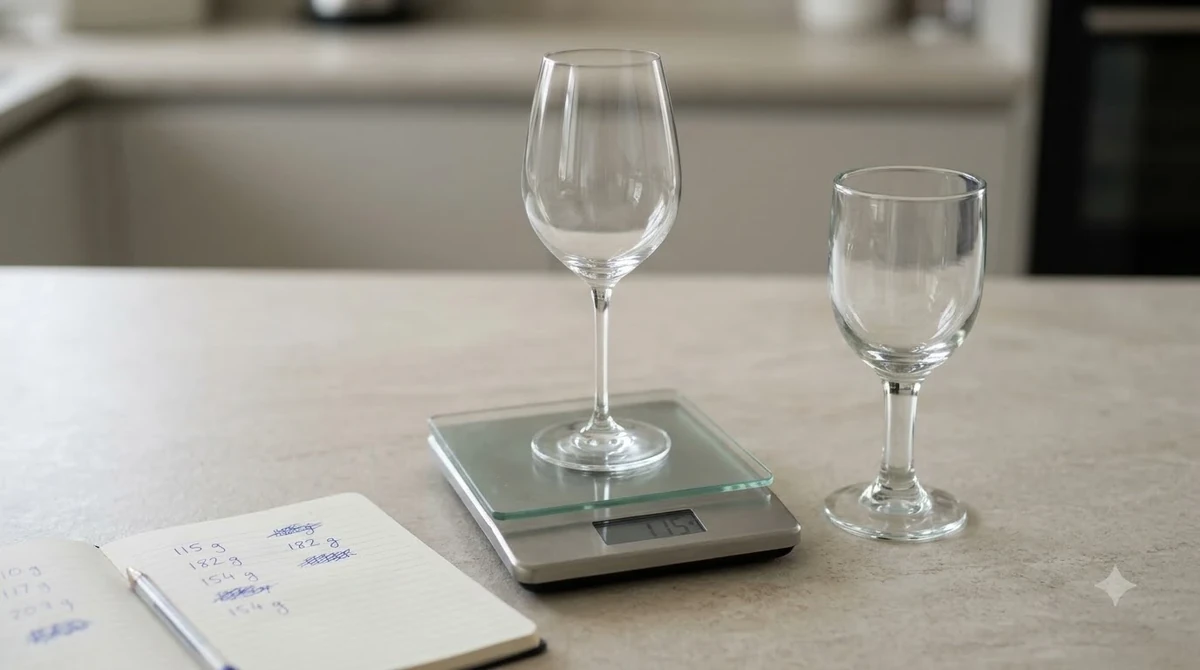
The first advantage is its recognizable shape. The curved sides and beveled exterior give the tumbler a distinctive appearance without making it feel overly formal. The glass has enough visual character to look intentional on a dining table, yet it does not demand the careful handling associated with delicate stemware. It fits naturally into a relaxed dinner setting, a kitchen breakfast table, or a weekend gathering.
Customer feedback summarized by WebstaurantStore includes positive comments about the glass’s everyday durability, attractive colors, and convenient size. Several customers also appreciate its ability to stack, which is useful in kitchens with limited cabinet space. These observations are consistent with the product’s design: the glass is intended for repeated service rather than occasional use at formal wine dinners.
The second strength is versatility. Sur La Table explicitly describes the Picardie as suitable for serving wine as a stemless glass. It can also serve water, juice, iced tea, coffee, or other everyday beverages. That flexibility can reduce the number of different drinking glasses a household needs to keep available.
For wine drinkers, versatility is particularly useful when hosting an informal gathering. A single style of glass can accommodate a chilled Sauvignon Blanc, a glass of rosé, and a casual pour of Pinot Noir. Guests do not need separate pieces of stemware for every drink, and the table maintains a consistent appearance.
The tempered-glass construction is another appealing feature. Duralex describes the glassware as impact-resistant, and Williams Sonoma highlights its resistance to chips and breakage compared with ordinary glass. This makes the collection a sensible consideration for busy kitchens, apartments, and family dining areas where glassware receives frequent use.
Stackability also matters more than it might initially appear. A cabinet filled with traditional stemmed wine glasses can become difficult to organize, especially when the bowls are wide and the stems need clearance. Picardie tumblers are easier to arrange in compact groups, making it possible to store several glasses without dedicating an entire shelf to delicate stemware.
Color options add another point of appeal. The Picardie range has been offered in different tinted finishes, including shades such as Marine, green, and amber. These finishes can complement a casual table setting and help distinguish individual glasses during a gathering. Clear glass remains the better choice for anyone who regularly evaluates wine color and clarity.
Finally, the straightforward cleaning routine is a practical advantage. The manufacturer lists dishwasher compatibility, so everyday cleanup does not require hand-washing each tumbler. For people who drink wine several evenings a week, this simple convenience can be more valuable than an elaborate glass design that requires extra care.
Common Complaints
The Picardie is not without limitations, particularly when it is used as dedicated wineware. Its smaller bowl, thicker-looking construction, and stemless profile make it less suitable for detailed tasting than a purpose-built wine glass.
The biggest compromise is the available bowl space. Wine glasses are traditionally designed with a bowl that narrows toward the rim, allowing wine to be swirled while concentrating aromas near the opening. A standard Picardie tumbler has a more uniform drinking shape and less room for this movement. An 8.45-ounce glass, in particular, can feel crowded if someone tries to serve a full 5-ounce wine pour and leave enough space for swirling.
This does not mean the glass makes wine taste bad. A casual pour of Merlot, Cabernet Sauvignon, or Chardonnay can still be enjoyable. The distinction is that the glass is designed around everyday drinking rather than the more specific needs of professional or enthusiast tasting. People who compare vintages, assess subtle aromatic differences, or regularly serve premium wines may notice the difference.
The absence of a stem is another potential drawback. A stemmed glass allows someone to hold the wine without placing their hand directly around the bowl. With a Picardie tumbler, the hand naturally contacts the glass and can transfer warmth to the beverage. This is especially relevant for full-bodied whites and sparkling wines that benefit from cooler serving temperatures.
There is also a question of presentation. Traditional wine glasses create a more formal appearance at dinner parties, weddings, and special occasions. A Duralex tumbler looks more like a casual café glass. That is part of its appeal, but it may not satisfy someone looking for classic wine-service aesthetics.
Although tempered glass is designed to offer better resistance than ordinary glass, it is not indestructible. WebstaurantStore’s customer feedback includes reports of occasional breakage, alongside positive comments about long-term everyday use. The mixed experiences are a useful reminder that impact resistance is a material advantage, not a promise that a tumbler will survive every fall or collision.
Another potential issue is the variation between sizes. The smaller options can be useful for water, espresso, and small wine samples, but they are not ideal for a generous serving. Conversely, the largest glasses can feel bulky when someone wants a simple glass for a modest pour. Choosing the wrong capacity can make the entire collection less satisfying.
Colored versions create a further limitation for wine enthusiasts. A tinted glass can make it harder to evaluate the natural appearance of a wine. This is not a concern during ordinary drinking, but it matters when assessing the color of a pale rosé, a golden Chardonnay, or the garnet tones of an aged red.
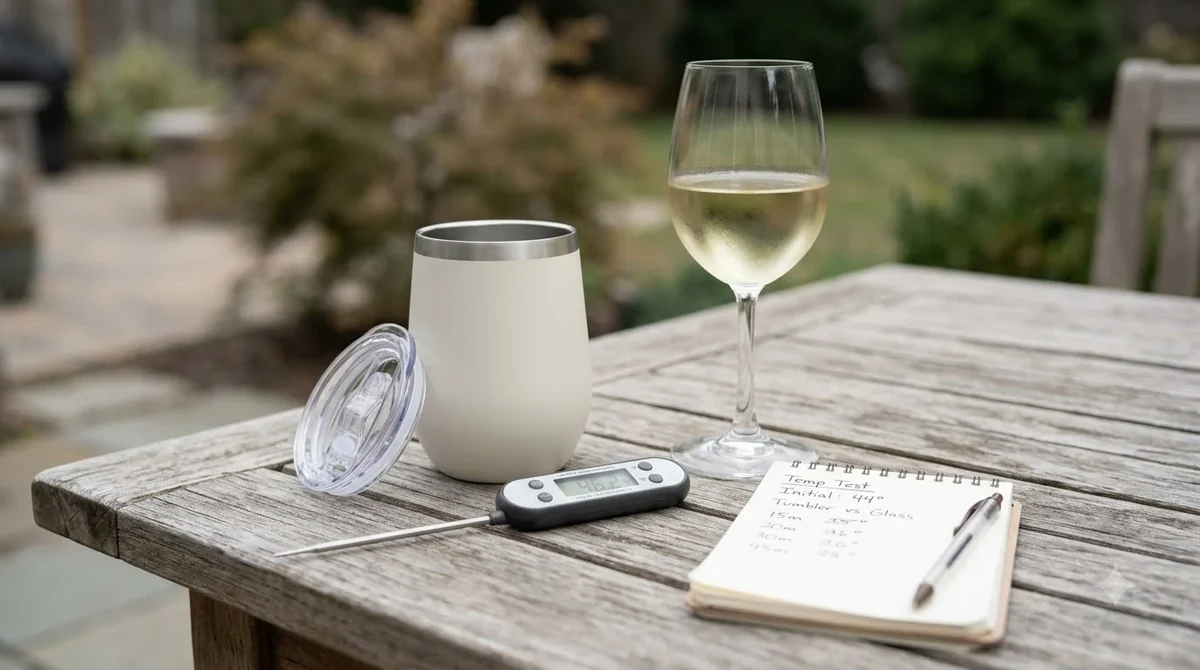
Finally, the Picardie does not provide the same insulation as a double-wall insulated tumbler. Its tempered-glass body is intended for ordinary drink service, not for maintaining a cold beverage temperature over an extended outdoor session. People who prioritize temperature retention should consider dedicated insulated glassware instead.
Who Should Buy and Who Should Skip
The Duralex Picardie is best suited to people who want attractive, practical, multipurpose glassware for everyday meals and casual wine drinking. It is less appropriate for wine enthusiasts who prioritize aroma evaluation, temperature control, and formal presentation.
Who should buy it
Everyday wine drinkers: If wine is usually served with dinner rather than examined in a dedicated tasting session, the Picardie offers a convenient alternative to traditional stemware. It works for relaxed pours of Cabernet Sauvignon, Merlot, Pinot Noir, Chardonnay, and rosé.
Small households: People living in apartments or compact homes can benefit from the stackable shape. The glasses take up less storage space than a collection of wide-bowled stemware, and their versatility means fewer separate drinking-glass styles are necessary.
Frequent hosts: The consistent design works well for informal entertaining. A collection of clear Picardie tumblers can be used for water and wine without making the table look mismatched. Their everyday construction also makes them a practical choice when guests are serving themselves.
Families and busy kitchens: Tempered glass offers a practical advantage in environments where glassware is handled frequently. The dishwasher-compatible construction also makes cleanup more straightforward after everyday meals.
People who enjoy French café styling: The beveled shape gives the tumbler a distinctive appearance. Anyone who appreciates simple, recognizable glassware may find it more appealing than plain cylindrical drinking glasses.
Who should skip it
Serious wine tasters: If you regularly evaluate aromas, acidity, tannins, and subtle flavor differences, a dedicated wine glass is a better choice. Its larger bowl and tapered opening offer more room for swirling and aroma collection.
Collectors of formal stemware: The Picardie is a casual tumbler, not a replacement for elegant stemmed glassware at formal dinners. Its proportions and appearance communicate a different style of service.
People who prioritize temperature control: The glass has no double-wall insulation. If maintaining chilled wine during a long outdoor gathering is important, a dedicated insulated tumbler is a more suitable option.
Wine educators and competition tasters: Clear, purpose-built wine glasses are preferable when participants need to assess visual characteristics and aromas consistently. Colored Picardie glasses are especially unsuitable for exercises involving wine appearance.
People who need genuinely unbreakable drinkware: Tempered glass is still glass. Anyone looking for a material that can tolerate repeated drops onto hard surfaces should consider an appropriate alternative rather than assuming the Picardie cannot break.
Tip: If you want one Picardie size primarily for wine, start by considering the 12.2- to 12.5-ounce category rather than the smallest tumbler. The extra capacity gives a 5-ounce pour more room, although a traditional wine glass remains preferable for swirling and detailed tasting.
How It Compares to Alternatives
The Duralex Picardie occupies a useful middle ground between ordinary household drinking glasses and specialist wine stemware. Its strengths are durability, versatility, and compact storage, while dedicated wine glasses have the advantage in aroma presentation and serving technique.
Compared with conventional stemmed wine glasses, the Picardie is easier to store and less cumbersome to handle during informal meals. It also avoids the long stem that can make delicate glasses awkward to arrange in crowded cabinets. However, the traditional wine glass has a more suitable bowl for swirling and assessing aromatic complexity.
A dedicated wine glass also offers better control over how the wine is held. Keeping fingers away from the bowl can help maintain the intended serving temperature, especially with chilled white wines and sparkling wine. This distinction is useful for anyone serving a Sauvignon Blanc at approximately 45–50°F or a full-bodied Chardonnay at approximately 50–55°F.
For casual red wine drinking, the difference may be less important. A glass of Merlot or Pinot Noir served at a comfortable temperature can be enjoyed perfectly well in a Picardie tumbler. The key is recognizing that the glass is a practical drinking vessel, not a specialized tasting instrument.
Compared with other everyday tumblers, the Picardie has a more distinctive exterior. Its beveled bands provide a recognizable French café appearance, while the tempered construction makes it suitable for repeated household use. Plain cylindrical tumblers may offer a simpler aesthetic, but they do not have the same characteristic profile.
People considering a wider selection of everyday glassware can browse this guide to wine tumblers. It helps distinguish conventional glass tumblers from options designed specifically for wine service, including choices with different capacities and shapes.
For people who regularly drink wine outdoors, insulated alternatives are another consideration. An insulated wine tumbler can provide better temperature retention than an ordinary single-wall glass. The insulated wine tumbler category is therefore more appropriate for picnics, patios, and extended outdoor gatherings where keeping a beverage cold matters.
Traditional stemware remains the stronger option for someone building a dedicated wine collection. A guide to wine glasses can help identify appropriate shapes for different wine styles, from aromatic whites to full-bodied reds. The distinction is straightforward: the Picardie is an everyday glass that can serve wine, while specialized wine glasses are designed around the wine itself.
Another useful comparison is the broader glassware market. The Glassware Brands guide provides additional context for shoppers comparing manufacturers, designs, and different approaches to everyday and dedicated wine service.
For a closer look at the manufacturer’s listed features, Duralex’s Picardie product information describes the collection’s construction, available capacities, and care instructions. Retailer specifications also provide useful size comparisons; Williams Sonoma’s Picardie collection listing details dimensions, stackability, and dishwasher compatibility.
Overall, the Picardie makes the most sense when convenience is more important than precise wine presentation. It is a sensible addition to a home that already owns stemware, or a practical everyday option for someone who rarely needs a specialist tasting glass.
Care and Everyday Use
Duralex Picardie tumblers are designed for regular use, and the manufacturer lists both dishwasher and microwave compatibility. A few sensible handling habits can help preserve their appearance and reduce avoidable damage.
Before using a new glass, Duralex recommends washing it. Ordinary dishwashing is sufficient for routine maintenance, and the manufacturer advises avoiding abrasive cleaning products. Abrasive materials can leave marks or affect the appearance of the surface over time, so a normal dishwasher cycle or gentle hand-washing is the better approach.
The manufacturer’s thermal-shock information is another useful feature. Duralex references EN 1183 testing at 130°C, while Williams Sonoma lists temperature resistance between -4°F and 212°F for its Picardie products. These specifications indicate suitability for a range of hot and cold beverage applications, but they should not encourage unnecessary temperature experiments.
In particular, the manufacturer explicitly advises against using the glasses on stovetops or in conventional ovens. Microwave compatibility does not make a drinking tumbler suitable for direct heating on a burner or baking in an oven. Those are different applications with different risks.
Storage is relatively simple. Because Picardie glasses are designed to stack, they can be arranged in compact groups in a kitchen cabinet. Avoid forcing glasses together or twisting them if they become stuck. A gentle separation is preferable to applying pressure to the rims.
It is also sensible to inspect the rim and base occasionally. A chipped edge or visible crack is a reason to stop using that particular glass. Tempered glass is more resistant to certain forms of impact than ordinary glass, but damage can still compromise its integrity.
For wine service, the best approach is to pour a moderate amount rather than filling the glass to the rim. A standard 5-ounce serving is a useful reference for a 750 ml bottle, which provides approximately five glasses. A larger Picardie tumbler gives this amount more breathing room than the smallest sizes.
Temperature matters regardless of the glass used. Light whites and rosé generally work well at 45–50°F, full-bodied whites at 50–55°F, and light reds at 55–60°F. A Picardie tumbler does not regulate wine temperature, so serve the wine at an appropriate temperature and avoid holding a chilled drink in your hands for longer than necessary.
For sparkling wine, a traditional flute or sparkling wine glass is usually more suitable than a standard tumbler because it is designed to present bubbles and aromas. The Picardie can still be used for casual sparkling-wine service, but it should not be considered a specialist sparkling glass.
Finally, clear glasses are the best choice when wine appearance matters. Colored versions are attractive for everyday beverages, but transparent glass makes it easier to assess the color and clarity of a red, white, or rosé wine.
Frequently Asked Questions
Is Duralex Picardie glassware made in France?
Yes. Duralex identifies Picardie glassware as French-made, with manufacturing in La Chapelle-Saint-Mesmin. The collection’s French production is part of its established identity as everyday café-style glassware.
When was the Duralex Picardie design introduced?
Duralex identifies 1954 as the year the Picardie collection was created. Its beveled exterior and curved profile have helped distinguish the design across generations of household and commercial glassware.
Are Duralex tumblers free from lead and cadmium?
Sur La Table describes Duralex glassware as free of lead, cadmium, and BPA. These material characteristics are separate from its tempered construction and are useful considerations when comparing everyday drinking glasses.
What happens if a tempered Duralex glass breaks?
Sur La Table explains that the glass is designed to break into smaller pieces rather than the large jagged shards associated with some ordinary glass breakage. This can make cleanup less hazardous, but broken pieces should still be handled carefully and disposed of properly.
Can Duralex Picardie glasses be used for hot coffee?
Yes. Duralex identifies the collection as suitable for hot and cold beverages, and Williams Sonoma specifically describes its use for coffee and café au lait. The glasses are also listed as microwave-compatible, although they are not intended for stovetop or conventional oven use.
The Duralex Picardie is a strong everyday glassware choice for people who appreciate practical construction, compact storage, and classic French café styling. Its tempered glass and versatile capacities make it suitable for casual wine service, although dedicated stemware remains the better option for serious tasting and formal occasions. For a household that values convenience as much as appearance, the Picardie is a worthwhile addition to the glassware cabinet.
More in Wine Glasses
 Spiegelau Crystal Wine Glasses That Bring Clarity to Every PourUpdated Nov 21, 2026
 Zalto Crystal Wine Glasses: Are They Worth the Investment?Updated Nov 21, 2026
 Villeroy And Boch White Wine Glasses for a More Cohesive TableUpdated Nov 21, 2026
 Zalto Wine Glasses On Sale: Find the Right Denk’Art GlassUpdated Nov 21, 2026
 Zwiesel Glas Champagne Glasses: Features, Quality and Buying AdviceUpdated Nov 21, 2026
 Zwiesel Glas Decanter Review: A Durable, Elegant Choice for Wine ServiceUpdated Nov 21, 2026