


We may earn a commission when you buy through links on this page, at no extra cost to you. Learn more.
Crate and barrel crystal wine glasses are worth considering if you want elegant, thoughtfully shaped stemware with options ranging from decorative handcrafted designs to durable Schott Zwiesel Tritan crystal. The important distinction is that Crate & Barrel sells several different glass materials and collections, not one uniform type of crystal. Montrose and Clair offer different approaches to everyday serving, while Ezra Optic provides a more decorative, handcrafted appearance. The right choice depends on your preferred design, glass-care routine, wine styles and expectations for durability.
Wine glasses influence more than the appearance of a dinner table. Bowl proportions affect how wine reaches the nose, rim shape influences the drinking experience, and the material determines how much care a glass needs. Crate & Barrel offers an extensive stemware assortment, including pieces made with Schott Zwiesel Tritan glass and handcrafted crystalline glass from Krosno. This review examines the differences, explains what the product specifications actually mean and identifies the most important considerations before choosing a set.
Specs and Key Features of Crate & Barrel Crystal Wine Glasses
Crate & Barrel’s strongest glassware options combine attractive proportions with clearly identified materials and practical specifications. The Montrose, Clair and Ezra Optic collections illustrate three different approaches to crystal-style wine service.

One important distinction is that the word crystal does not automatically describe every wine glass in the retailer’s assortment. Schott Zwiesel Tritan is a specialized crystal glass material, while Krosno’s Ezra Optic collection uses crystalline glass. These descriptions should not be treated as interchangeable manufacturing specifications. Checking the individual collection’s construction and care requirements is more useful than relying on the retailer’s general glassware category.
The following comparison focuses on specifications published by Crate & Barrel. It also illustrates why shoppers should compare individual pieces rather than judge a collection by appearance alone.
| Collection | Material | Capacity | Set or format | Care |
|---|---|---|---|---|
| Montrose | Schott Zwiesel Tritan crystal | 23 oz. | Set of 6 | Dishwasher-safe |
| Clair White | Schott Zwiesel Tritan glass | 12.75 oz. | Set of 4 | Hand wash |
| Clair Red | Schott Zwiesel Tritan glass | 16.9 oz. | Set of 4 | Hand wash |
| Clair Champagne | Schott Zwiesel Tritan glass | 8.8 oz. | Set of 4 | Hand wash |
| Ezra Optic Red | Crystalline glass | 10.82 oz. | Individual option | Verify individual care instructions |
| Ezra Optic White | Crystalline glass | 7 oz. | Individual option | Verify individual care instructions |
| Ezra Optic Champagne | Crystalline glass | 6 oz. | Individual option | Verify individual care instructions |
The Montrose collection is particularly interesting because it combines a large 23-ounce capacity with thin walls and a fine stem. Crate & Barrel describes the material as lead-free and resistant to breaking, chipping and scratching. Its dishwasher-safe specification also makes it a practical choice for households that prefer less demanding cleanup.
Clair takes a different design approach. Its wide, square-shaped bowl and angled profile create a contemporary silhouette, while tapered walls direct aromas toward the nose. The white version holds 12.75 ounces, and the collection includes separate red wine and champagne designs. The important limitation is its hand-wash requirement.
Ezra Optic stands out visually. Its gently rippled surface, fine facets and light blue appearance create more decorative interest than the relatively understated Montrose design. The collection is handcrafted by Krosno artisans and identified as lead- and cadmium-free by Crate & Barrel.
These are meaningful differences for shoppers. Montrose prioritizes versatility and practical care, Clair emphasizes modern geometry, and Ezra Optic places more emphasis on decorative craftsmanship.
What Owners Like About the Design and Drinking Experience
The strongest appeal of these collections is the combination of visual clarity, distinctive silhouettes and different levels of formality. Shoppers can select understated stemware for regular dinners or more decorative pieces for occasions where presentation matters.
Montrose has a particularly useful balance of appearance and functionality. Its thin walls and fine stem give the glasses a refined appearance without relying on elaborate decoration. The generous 23-ounce bowl also provides room for swirling wine without bringing the liquid too close to the rim.
That capacity is useful for Cabernet Sauvignon, Merlot and Pinot Noir. A larger bowl gives these wines room to release aromas, although the capacity is not a recommendation to fill the glass completely. A conventional wine pour is approximately 5 ounces, leaving plenty of space above the liquid for swirling.
Clair appeals to shoppers who prefer contemporary table settings. Its squared-off bowl makes it visually different from traditional rounded stemware, while the tapered upper section provides a more focused drinking opening. The design also creates a consistent appearance across red wine, white wine and sparkling wine service.
Ezra Optic is the more decorative alternative. Its subtle ripples and facets catch light differently from a completely smooth glass, making it particularly suitable for formal dinners, celebrations and coordinated entertaining. The collection’s champagne, white and red wine shapes also make it possible to maintain a consistent visual theme across several beverage styles.
Material transparency matters as well. Clear glass allows the color of wine to remain visible, which is useful when serving pale Sauvignon Blanc, golden Chardonnay or deeply colored Syrah. Decorative glass can still show wine color effectively, provided the finish does not obscure the liquid.
Why crystal clarity matters
Schott Zwiesel explains that its Tritan crystal glass combines brilliance with resistance to breakage and dishwasher use. Its design characteristics include fine rims, thin walls and stable bases. These features help explain why Tritan products appeal to people who want a refined appearance without choosing the most delicate traditional stemware.
For additional material comparisons, the distinctions discussed in our guide to lead free crystal wine glasses are useful when evaluating different manufacturing approaches. Lead-free construction is an important specification, but it does not automatically establish that every glass has identical durability, clarity or care requirements.
Owners considering a particular collection should also distinguish between documented construction characteristics and personal preferences. A thin rim may feel refined to one drinker but too delicate to another. A large bowl may be attractive for red wine but inconvenient in a crowded kitchen cabinet.
Common Complaints and Potential Drawbacks
The main drawbacks to consider are collection-specific care requirements, delicate glass components and the possibility of choosing an attractive shape that does not suit everyday habits. Not every crystal-style glass is designed for the same level of handling or convenience.
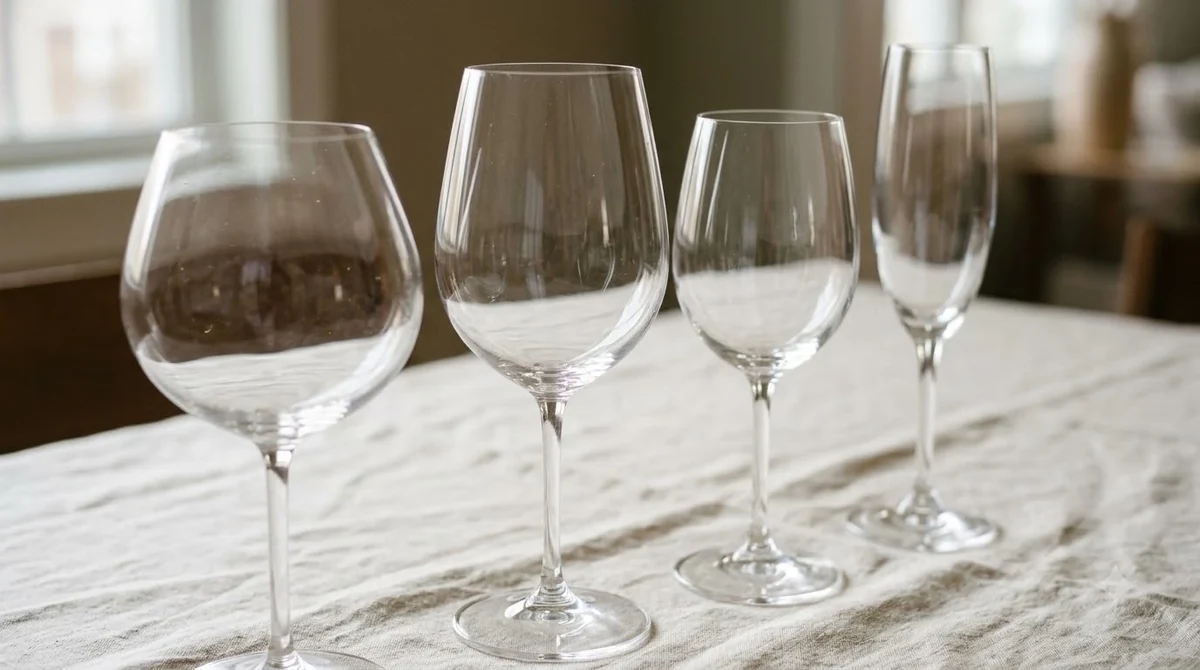
The first issue is cleaning. Montrose is listed as dishwasher-safe, but Clair requires hand washing. That difference matters if several people share kitchen responsibilities or if stemware is used frequently for dinner parties. A household that automatically puts all glassware in the dishwasher may find Clair less convenient.
Handcrafted decorative glassware also requires more attention during handling. Ezra Optic’s rippled surfaces and fine details create visual character, but the collection should not be assumed to have the same durability characteristics as Schott Zwiesel Tritan. Crate & Barrel identifies its material and craftsmanship, but those descriptions do not establish that it has the same resistance specifications as Montrose.
Another potential complaint is capacity. The Ezra Optic white wine glass holds 7 ounces, which is considerably smaller than Montrose’s 23-ounce all-purpose design. Some drinkers prefer a larger bowl even for white wines because it gives them more room to swirl and appreciate aromatic varieties.
Conversely, a large glass is not always the most convenient option. It takes up more cabinet space, requires more room at the dining table and can feel oversized when serving modest portions. People who entertain in smaller spaces may prefer compact stemware.
Availability and assortment differences
Crate & Barrel’s online assortment changes, and individual products may be unavailable even when other pieces from the same general category remain listed. The Montrose product page, for example, has displayed an item-unavailable notice despite retaining its specifications and product information. That is a useful reminder not to assume that every reviewed collection is continuously available.
There is also a distinction between purchasing a complete coordinated set and buying individual pieces. The Clair white wine glasses are offered as a set of four, while Ezra Optic product pages identify individual glass types and their respective specifications. Shoppers planning a complete collection should confirm the number of pieces included before ordering.
Finally, some shoppers may expect every glass marketed under crystal stemware to have the same composition. This is not a safe assumption. Tritan crystal, handcrafted crystalline glass and ordinary glass are different product descriptions, and the individual manufacturer’s specifications should guide the decision.
Who Should Buy and Who Should Skip These Glasses
Crate & Barrel crystal wine glasses make the most sense for people who care about presentation and want to select glassware according to their preferred wine styles and entertaining habits. They are less suitable for shoppers who want every glass to be inexpensive, interchangeable and maintenance-free.
Montrose is a strong choice for regular wine drinkers. Its 23-ounce capacity accommodates different wine styles, while the dishwasher-safe Tritan construction is appealing for frequent use. The six-piece format is also convenient for households that regularly serve several guests.
People who prefer minimalist interiors may appreciate its thin walls and fine stems. It has enough visual refinement for a formal dinner without looking overly decorative on an everyday table.
Clair is better suited to contemporary table settings. Its angular design provides a more distinctive appearance than conventional rounded stemware. The separate red, white and champagne shapes also make it attractive to people who want coordinated glasses for different beverages.
However, shoppers who strongly prefer dishwasher convenience should think carefully before choosing Clair. Its hand-wash instruction makes it a less obvious match for households that want to clean all their glassware together.
Ezra Optic is the decorative choice. Its handcrafted construction and textured finish are particularly appealing for people who enjoy distinctive glassware and coordinated table arrangements. It is also worth considering as a gift for someone who appreciates decorative home accessories.
On the other hand, people who prioritize straightforward maintenance and durability specifications may prefer a Tritan collection. Ezra’s appearance and craftsmanship are compelling, but the published information does not establish that it offers the same dishwasher and impact-resistance characteristics as Montrose.
Tip: Choose your glasses according to how you actually serve wine. If you regularly pour Cabernet Sauvignon, Syrah and Pinot Noir, consider a generous bowl. If Sauvignon Blanc, Riesling and sparkling wine are more common at your table, smaller dedicated glasses may be more practical. A coordinated collection is attractive, but it should still fit your everyday drinking habits.
Shoppers comparing several retailers should also consider the broader selection in our crystal wine glasses guide. It provides a useful starting point for comparing traditional crystal, modern lead-free materials and different stemware shapes.
How It Compares to Alternatives
The most useful comparison is between the different glassmaking approaches rather than treating every crystal-style product as equivalent. Schott Zwiesel Tritan and Krosno crystalline glass both offer attractive clarity, but their documented product characteristics and care requirements differ.
Montrose illustrates the practical side of the Schott Zwiesel approach. Its 23-ounce capacity, lead-free material and dishwasher-safe construction make it appealing for people who use wine glasses frequently. The emphasis is on combining a fine appearance with resistance to everyday wear.
Clair uses the same general Tritan material family but changes the experience through its angled silhouette and separate wine-specific shapes. Its hand-wash instruction demonstrates why shoppers should not assume that all products using the same glass material have identical maintenance requirements.
Ezra Optic offers a different appeal through handcrafted crystalline glass. Rather than emphasizing the same published durability specifications as Montrose, it focuses on decorative details, artisan production and coordinated styling.
The manufacturer Zwiesel provides further context in its official explanation of Tritan crystal glass. It describes the material’s clarity, dishwasher resistance and break resistance, as well as design features such as thin walls and fine rims.
Understanding the difference between Tritan and crystalline glass
Tritan is the name of Schott Zwiesel’s specialized crystal glass technology. Its published characteristics emphasize durability, brilliance and suitability for dishwasher use. This makes it particularly relevant for shoppers who want a more refined appearance than ordinary everyday glassware without necessarily accepting the maintenance demands associated with delicate stemware.
Crystalline glass is another glass category used for premium-looking drinkware. Krosno’s official product information describes its handmade crystal glasses as lead-free and highlights clarity, craftsmanship and individual production characteristics. Its care recommendations vary by product, with selected handmade pieces specifically recommending hand washing.
Neither category should be judged by its name alone. Rim thickness, bowl proportions, base stability, production method and care instructions all contribute to the overall experience.
For shoppers considering other materials, our wine glasses comparison offers a broader perspective on glassware styles, capacities and practical differences. It is particularly useful if the main priority is finding one versatile glass rather than building a complete collection.
Which features matter most?
For daily use, dishwasher compatibility and resistance to ordinary handling are useful priorities. For formal occasions, a finer rim, carefully proportioned bowl and distinctive appearance may be more important. For wine enthusiasts who serve several varieties, dedicated shapes can provide a more tailored drinking experience.
The key is to compare like with like. A handcrafted decorative glass should not be evaluated solely by the durability specifications of an industrially engineered crystal glass. Likewise, a highly durable all-purpose glass may not deliver the visual character that someone wants for a special dinner.
Care, Handling and Long-Term Use
Proper cleaning and storage help preserve clarity and reduce accidental damage, particularly with fine stems and thin rims. The most important rule is to follow the care instructions for the exact collection rather than applying one cleaning routine to every glass.
Montrose is listed as dishwasher-safe, making it the more convenient option for people who prefer machine cleaning. Even dishwasher-safe stemware benefits from careful placement, adequate spacing and protection from contact with heavier dishes.
Clair requires hand washing according to its Crate & Barrel product information. Use warm water, mild dish soap and a soft sponge. Avoid twisting the bowl and stem in opposite directions, because this can place unnecessary pressure on the narrow connection between them.
For delicate or handcrafted crystalline glass, hand washing is a sensible approach when the manufacturer recommends it. Rinse thoroughly and dry with a clean, lint-free cloth. Hold the bowl securely rather than gripping the stem while applying pressure to remove stubborn marks.
Preventing cloudiness and water spots
Cloudiness can develop for several reasons, including mineral deposits, detergent residue and glass-surface damage. Rinsing thoroughly and allowing glasses to dry without crowding can reduce visible water marks.
When polishing, use a clean microfiber or specialized glassware cloth. Avoid abrasive materials and aggressive scrubbing, especially on decorative surfaces. For particularly fine glassware, handle one piece at a time rather than stacking several glasses in a sink.
Storing wine glasses safely
Store stemware where the bowls and rims cannot knock against one another. A cabinet with enough vertical clearance is preferable to a crowded shelf where glasses touch when removed. If using a hanging rack, confirm that the design securely supports the particular stem and foot dimensions.
Avoid stacking stemmed wine glasses. The weight of another glass can damage a rim or place pressure on an unstable bowl. Keep decorative glasses separate from heavy tumblers and cookware, and avoid exposing cold glass to sudden temperature changes.
These habits are especially useful for coordinated collections. Replacing one broken piece may be difficult if a particular design is no longer available, so careful storage helps preserve a matching set.
Frequently Asked Questions
Are Crate & Barrel crystal wine glasses suitable for professional wine tasting?
Several collections have shapes suitable for evaluating wine aromas and appearance, but they are not all designed as standardized professional tasting glasses. For formal wine competitions, standardized tasting glass specifications are more appropriate. A large bowl and clear material can still make Montrose useful for casual comparative tastings at home.
Can crystal wine glasses affect the perceived flavor of wine?
The glass itself does not change the chemical composition of wine, but its shape can influence aroma concentration and how liquid reaches the palate. Rim thickness, bowl width and opening diameter can affect the drinking experience. These differences are particularly noticeable when comparing aromatic wines such as Riesling and Sauvignon Blanc.
How many wine glasses should a household keep?
A practical starting point is six glasses for a household that regularly entertains small groups, although two to four may be sufficient for occasional drinking. Households that serve several wine styles may prefer separate red, white and sparkling glasses. Storage space and typical guest numbers are more useful considerations than buying a large collection simply for appearance.
What is the difference between crystalline glass and soda-lime glass?
Crystalline glass is formulated to provide characteristics associated with premium crystal, including clarity and a refined appearance. Soda-lime glass is a widely used conventional glass material found in everyday drinkware. Actual performance varies according to composition, manufacturing method and finished design, so material names alone do not determine the durability of a particular wine glass.
Are stemless crystal wine glasses better for small dining tables?
Stemless glasses can be easier to arrange on crowded tables because they have a lower profile and do not require the same vertical clearance as traditional stemware. They also eliminate the possibility of breaking a narrow stem. However, the hand warms the bowl more directly, which can be less desirable for chilled white wines and sparkling wines.
Crate & Barrel offers several compelling approaches to crystal-style wine service, from the practical Montrose collection to the contemporary Clair design and decorative Ezra Optic glassware. Montrose is the strongest starting point for shoppers who value versatility and dishwasher convenience, while Clair and Ezra Optic suit people who place greater emphasis on distinctive presentation. Compare each collection’s material, capacity and care requirements before choosing, and select the glasses that complement both your favorite wines and your everyday table.
More in Wine Glasses
 Spiegelau Crystal Wine Glasses That Bring Clarity to Every PourUpdated Nov 21, 2026
 Zalto Crystal Wine Glasses: Are They Worth the Investment?Updated Nov 21, 2026
 Villeroy And Boch White Wine Glasses for a More Cohesive TableUpdated Nov 21, 2026
 Zalto Wine Glasses On Sale: Find the Right Denk’Art GlassUpdated Nov 21, 2026
 Zwiesel Glas Champagne Glasses: Features, Quality and Buying AdviceUpdated Nov 21, 2026
 Zwiesel Glas Decanter Review: A Durable, Elegant Choice for Wine ServiceUpdated Nov 21, 2026