

We may earn a commission when you buy through links on this page, at no extra cost to you. Learn more.
Amazon basics wine glasses are practical, affordable everyday glassware for households that want simple designs, convenient cleaning, and functional wine-serving sizes without paying for premium crystal. The range includes stemmed white wine glasses, larger red wine glasses, and stemless alternatives. Their straightforward construction makes them appealing for casual dinners and entertaining, although thicker rims, ordinary glass construction, and limited refinement distinguish them from more specialized wine glasses. The right choice depends on how much room you want for swirling, whether you prefer a stem, and how frequently you entertain.
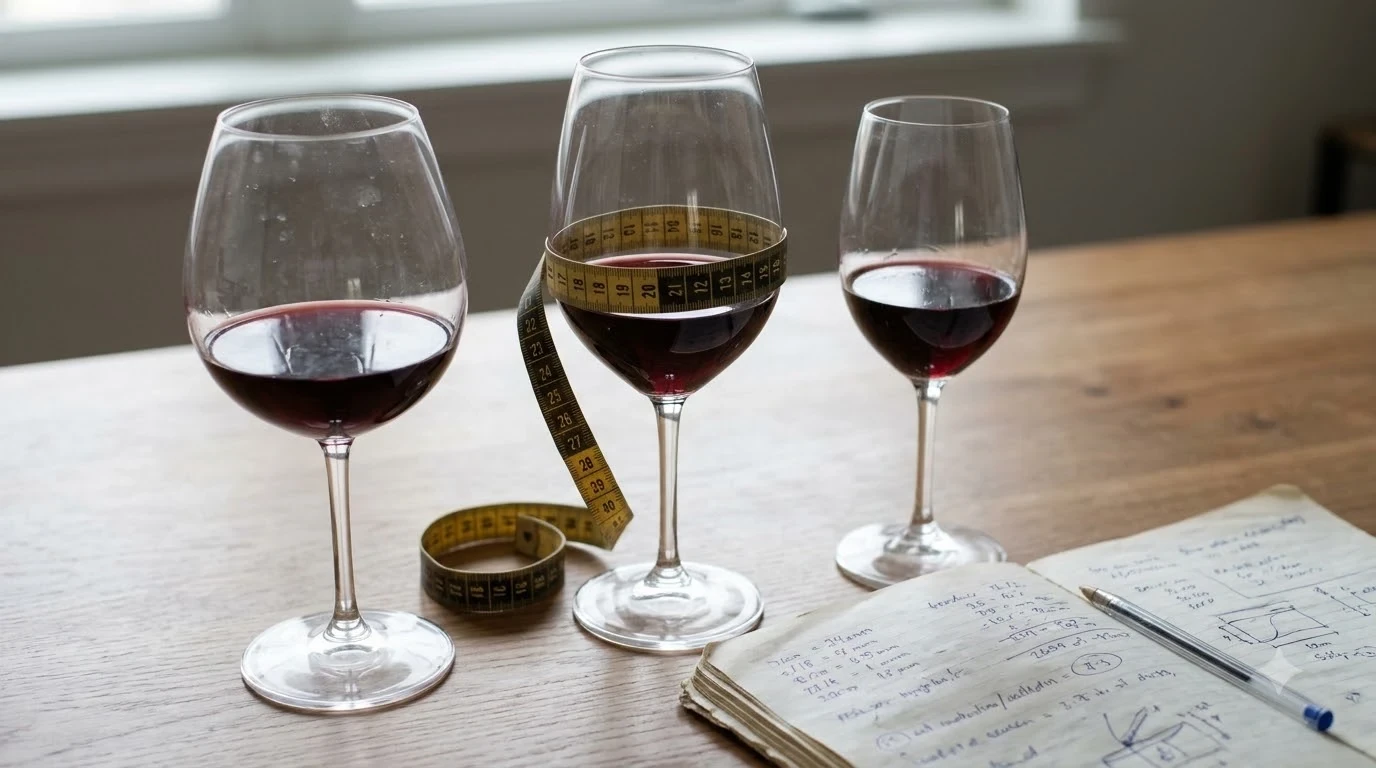
Choosing wine glasses is not simply about finding something transparent that holds a drink. Capacity, bowl shape, rim thickness, balance, and cleaning requirements all influence how enjoyable a glass is to use. Amazon Basics targets shoppers who prioritize practical household glassware over delicate presentation pieces. Its different configurations also mean that shoppers should compare individual listings rather than assume every Amazon Basics wine glass has the same dimensions or construction. This review examines the available designs, their useful features, their limitations, and the circumstances in which another type of glass might make more sense.
Specs and Key Features
Amazon Basics wine glasses focus on uncomplicated glass construction, recognizable silhouettes, and convenient everyday use. The most important distinction is capacity: the stemmed white wine glasses hold 12 ounces, while the larger red wine glasses hold 20 ounces, making them suitable for different serving preferences.
The available designs cover several common household requirements. The 12-ounce stemmed white wine glasses provide a relatively compact option for Sauvignon Blanc, Chardonnay, and other white wines. The 20-ounce red wine glasses provide a larger balloon-shaped bowl, while the 14-ounce stemless white wine glasses offer an alternative for people who prefer a shorter, more compact shape.
These are functional glassware choices rather than premium crystal pieces. Advanced Mixology describes the 20-ounce red wine model as lead-free soda ash glass, with a long stem, round flat base, and dishwasher-safe construction. Its product description also identifies a limited one-year warranty. The specifications make it a practical household option, but they should not be interpreted as evidence that the glass has the thin rim or refined balance associated with premium wine service.
| Model or configuration | Capacity per glass | Set quantity | Construction and design | Cleaning |
|---|---|---|---|---|
| Stemmed white wine glasses | 12 oz | 4 | Clear glass, classic stemmed design | Dishwasher-safe |
| Stemmed red wine glasses | 20 oz | 4 | Lead-free soda ash glass, balloon-shaped bowl | Dishwasher-safe |
| Stemless white wine glasses | 14 oz | 4 | Clear glass, stemless design | Dishwasher-safe |
Capacity deserves particular attention because the number printed on a product listing describes the maximum volume the glass can hold, not the amount of wine that should normally be poured. A standard wine serving is approximately 5 ounces. Consequently, a 12-ounce glass can accommodate a sensible serving while leaving some room for aromas, although its smaller bowl provides less swirling space than a larger red wine glass.
The 20-ounce red wine version provides considerably more room above a typical serving. That additional space can be useful with Cabernet Sauvignon, Merlot, and Syrah, where swirling helps release aromatic compounds. The larger bowl is also visually more appropriate for red wine service than a small, narrow drinking glass.
One distinction is important when comparing these specifications: the 14-ounce stemless white wine model is not simply the stemmed 12-ounce model with its stem removed. It is a separately listed configuration with a different capacity. Buyers should compare the actual listing and product photographs before ordering multiple sets.
What Owners and Product Descriptions Like
The strongest appeal of Amazon Basics wine glasses is their straightforward practicality. Their clear appearance, familiar shapes, four-glass packaging, and dishwasher-safe descriptions make them useful for everyday meals, small gatherings, and households replacing mismatched glassware.
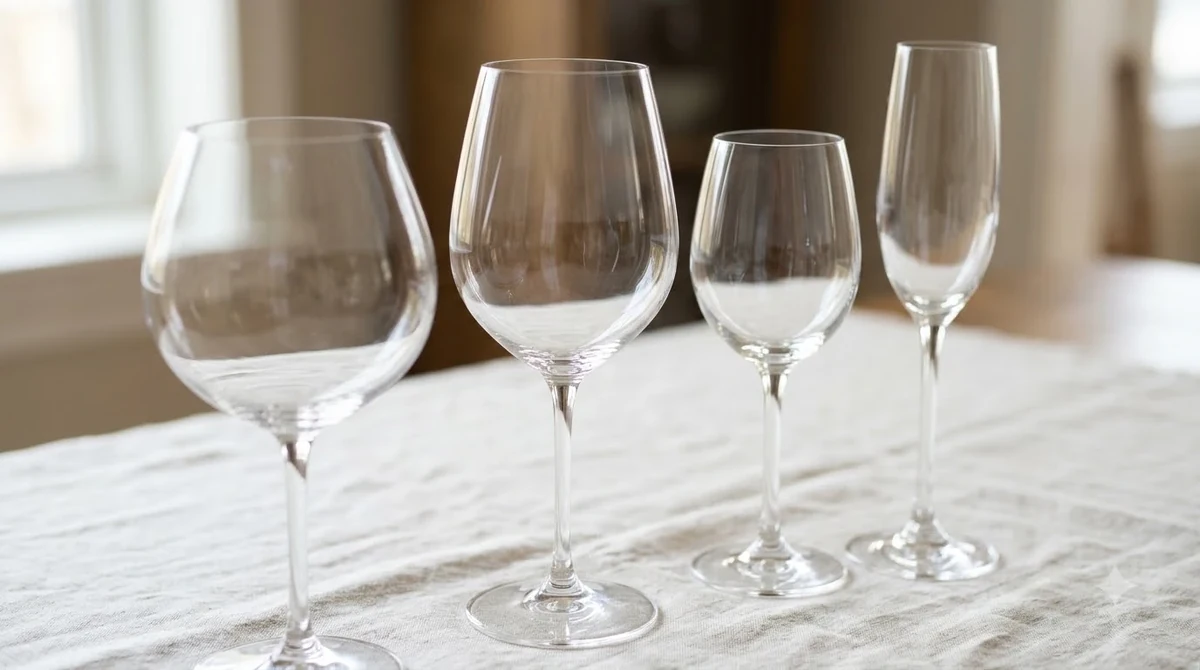
The traditional stemmed design is one of the range’s most useful characteristics. Holding a wine glass by its stem reduces direct contact with the bowl, helping prevent the warmth of your hand from unnecessarily increasing the temperature of chilled wine. This matters particularly with Sauvignon Blanc, Riesling, and sparkling wines, which generally benefit from cooler serving temperatures.
The larger red wine glasses also have a useful shape for people who regularly drink full-bodied reds. A balloon-shaped bowl offers more surface area for the wine to interact with air than a narrow drinking glass. Although the glass itself does not change the wine’s composition, its shape influences how aromas collect and reach the nose.
Another advantage is that the designs are uncomplicated. Clear glass works with different dinnerware colors, table settings, and dining-room styles. There are no elaborate patterns or decorative coatings that make the glasses difficult to coordinate with existing household pieces.
The four-piece packaging is particularly convenient for smaller households. Couples can keep a matched set for regular dinners without needing to dedicate substantial cupboard space to a dozen specialist glasses. A four-glass set can also serve as a starting point for someone furnishing a first apartment or replacing older glassware.
For households that entertain occasionally, matching glasses provide a more organized table than a collection of unrelated tumblers. The same basic design can be used for casual Friday dinners, holiday meals, and informal celebrations. If a household regularly serves several wine styles, purchasing complementary configurations can also provide flexibility without requiring a large specialist glassware collection.
Product descriptions from Advanced Mixology identify the red wine model as dishwasher-safe and made from lead-free soda ash glass. These are useful practical specifications for shoppers who want ordinary household glassware rather than delicate traditional crystal. Its flat base and stemmed construction also provide a familiar format for carrying and setting down a glass.
For a broader comparison of everyday and specialist designs, the wine glasses selection provides useful context on the differences between ordinary glass, crystal, and universal bowl shapes. A more expensive glass is not automatically necessary for every household. The appropriate choice depends on the frequency of use, personal preference, and expectations for the drinking experience.
However, positive product descriptions should be kept in perspective. Dishwasher-safe construction does not mean that a glass cannot break, and a large capacity does not automatically make a glass suitable for every wine. Amazon Basics is best understood as practical household glassware with a functional design, rather than an alternative to specialist tasting equipment.
Common Complaints and Limitations
The main compromises associated with Amazon Basics wine glasses involve material refinement, physical weight, and the difference between ordinary household glass and premium crystal. Shoppers who expect exceptionally thin rims, delicate stems, or specialized tasting shapes may find the designs less satisfying.
Rim thickness is one of the most noticeable differences between economical glassware and higher-end wine glasses. A thicker or rounded rim can feel more substantial against the lips, while a thin, finely finished rim generally provides a more delicate drinking experience. The difference may seem minor during a casual meal, but it becomes more apparent when comparing glasses side by side.
Drop of Drink identifies the 12-ounce Amazon Basics stemmed white wine glasses as a practical budget choice but lists their less refined clarity and somewhat heavy feel among the limitations. These observations reflect an important distinction: clear household glass can present wine attractively without delivering the same visual brilliance and delicate handling associated with quality crystal.
Weight can also influence comfort. Some people prefer a substantial glass because it feels stable and less delicate. Others prefer lightweight stemware that is easier to lift, swirl, and handle over a long dinner. Neither preference is inherently wrong, but shoppers who strongly favor lightweight glasses should pay attention to the physical design rather than capacity alone.
Another potential limitation is that the smaller white wine configuration offers less room for swirling than a larger universal wine glass. A 12-ounce glass can comfortably hold a normal serving, but the remaining space may feel restricted to someone who enjoys generously swirling aromatic white wines or using one glass for larger red wine pours.
The opposite issue applies to larger red wine glasses. Their 20-ounce capacity can look oversized to people accustomed to compact household stemware. The capacity is useful for providing headspace, but it does not mean that the glass should be filled to its maximum. A normal 5-ounce pour occupies only a portion of the available bowl.
Stemless designs involve another trade-off. Removing the stem reduces the number of fragile connecting points and makes the glass easier to fit into many cupboards. However, holding the bowl directly transfers warmth from your hand to the wine. This can become noticeable with chilled whites and rosé, particularly during longer meals in a warm room.
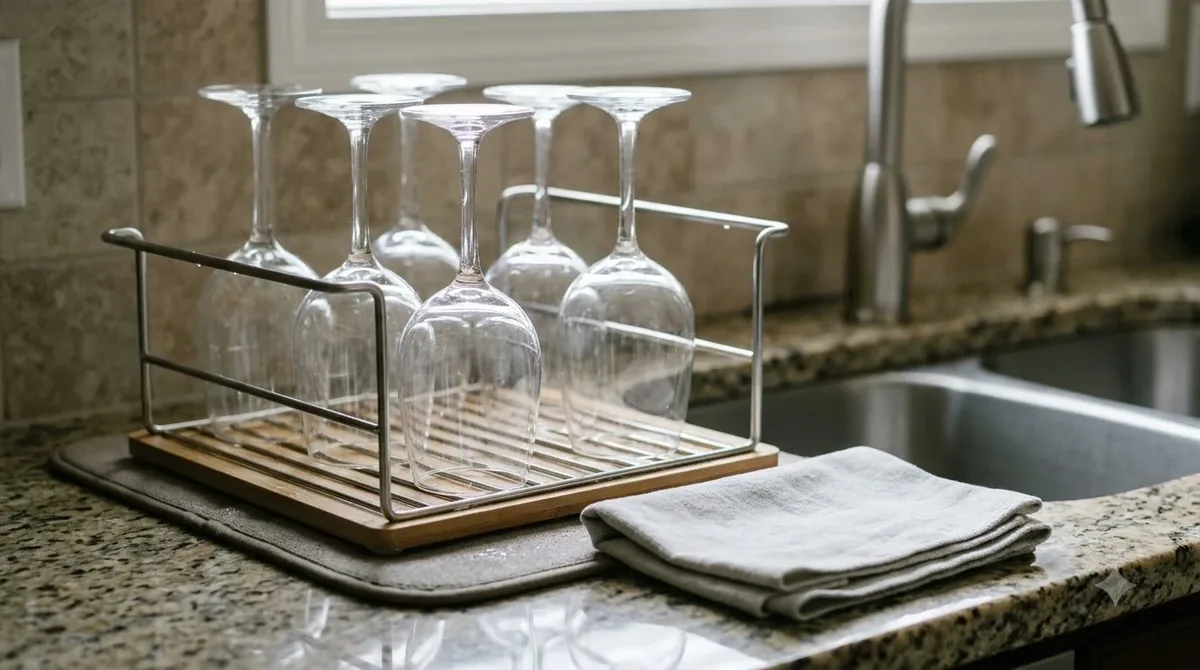
Glass breakage is another consideration. A dishwasher-safe label refers to cleaning suitability, not immunity to impacts or thermal shock. Glasses can still chip when they touch one another, strike a metal rack, or experience sudden temperature changes. The red wine product description specifically warns against temperature differences of 194 degrees Fahrenheit or greater.
Shoppers should also consider the limitations of ordinary glass when choosing a gift. Premium crystal often has thinner walls, a more refined rim, and greater visual brilliance. A basic clear-glass set can still make a useful household present, but someone building a specialized wine collection may prefer a more distinctive product.
These limitations do not make the Amazon Basics range unsuitable. They simply explain why its appeal is strongest among buyers who prioritize straightforward serving, convenient cleaning, and practical everyday use rather than exceptional craftsmanship.
Who Should Buy and Who Should Skip
Amazon Basics wine glasses make the most sense for shoppers who need dependable household glassware for ordinary dinners, occasional guests, and casual wine drinking. They are less compelling for collectors, formal wine enthusiasts, and people who place a high priority on thin crystal rims or specialized tasting shapes.
Who should consider buying them?
First-apartment households: Someone moving into a new apartment may need basic kitchen and dining equipment without building an expensive collection immediately. A four-piece set provides a simple starting point for serving wine at dinner. The classic clear appearance also makes the glasses easy to coordinate with existing plates, cutlery, and table accessories.
Everyday wine drinkers: People who open a bottle of Merlot with dinner or serve Chardonnay on weekends generally do not need a different glass for every grape variety. A practical stemmed glass can accommodate a wide selection of wines, particularly when the household prefers uncomplicated tableware.
Small households: A four-glass configuration is convenient for couples and smaller families. It offers enough matching pieces for ordinary meals without requiring substantial storage space. People who entertain infrequently may find this quantity more appropriate than purchasing a large hospitality-style collection.
Casual hosts: Hosts who need coordinated glassware for informal gatherings may appreciate the straightforward design. Four matching glasses can provide consistency at a dinner table, while additional sets can be selected according to the number of guests and the types of wine being served.
Practical shoppers: Anyone who prioritizes dishwasher convenience and familiar shapes over luxury materials may find the range appealing. The advertised cleaning suitability is particularly useful in busy households where handwashing every glass after dinner is inconvenient.
Who should skip them?
Dedicated wine tasters: People who regularly compare Pinot Noir, Cabernet Sauvignon, and aromatic white wines may benefit from specialist bowls designed around individual grape varieties. A general-purpose household glass is convenient, but it does not provide the same degree of shape specialization.
Crystal enthusiasts: Anyone who values exceptionally thin rims, light weight, and brilliant clarity should consider quality crystal instead. The difference is especially apparent when comparing ordinary soda ash glass with finely finished crystal stemware.
Frequent formal entertainers: People who regularly host large dinner parties may need more than four matching glasses. They may also prefer a larger collection with a consistent design across red, white, and sparkling wine service.
People who prefer stemless glassware: The stemmed versions are not ideal for someone who specifically wants compact tumblers that can be handled without worrying about a delicate stem. In that case, the separate 14-ounce stemless white wine configuration is more relevant.
Outdoor users: Ordinary glass is not the ideal option for poolside gatherings, camping, or situations where dropped glass presents a particular concern. Reusable shatter-resistant alternatives are more suitable for those environments.
Tip: Choose your glass according to the wines you actually serve. A 12-ounce stemmed glass works for moderate white wine pours, while a 20-ounce balloon-shaped glass provides more room for swirling Cabernet Sauvignon and Merlot. If you regularly serve both styles, consider having both configurations rather than forcing one glass to perform every task.
For people who primarily enjoy Cabernet Sauvignon, Syrah, and other fuller-bodied reds, a dedicated red wine glasses comparison can help determine whether a larger bowl is worthwhile. The 20-ounce Amazon Basics configuration offers a straightforward starting point, but more specialized bowls may appeal to frequent tasters.
How It Compares to Alternatives
Amazon Basics competes most directly with ordinary household wine glasses rather than luxury crystal stemware. Its main advantage is practical simplicity, while more specialized alternatives prioritize different combinations of durability, weight, appearance, and wine presentation.
One useful comparison is ordinary soda ash glass versus modern reinforced crystal. Tray & Toast explains that economical soda-lime glass generally has thicker rims than crystal, a difference that becomes noticeable when drinking from both materials. Its wine glass material and design guide also discusses how bowl shape and construction influence the everyday drinking experience. Crystal is commonly preferred by people who want thinner, lighter, and more refined glassware.
The practical difference is not that one material makes the wine objectively better. Rather, the physical construction influences how the glass feels, how it handles light, and how delicate it appears. For a household serving wine a few times each month, ordinary glass may be entirely satisfactory. For someone who regularly hosts formal tastings, crystal may justify the additional investment.
Another comparison involves the stemmed and stemless formats. Amazon Basics offers both approaches, allowing buyers to prioritize either traditional wine service or compact storage. Stemmed glasses help keep hands away from chilled wine, while stemless glasses can be easier to arrange in smaller cupboards.
There is also a difference between general-purpose glasses and specialist wine bowls. A medium-sized bowl with a tapered opening is versatile because it provides room for aromas to collect. A dedicated Burgundy glass, by contrast, uses a wider bowl to accommodate aromatic wines such as Pinot Noir. A Bordeaux-style glass has a different profile intended for fuller-bodied red varieties.
Tray & Toast identifies Schott Zwiesel Tritan crystal as an example of modern crystal glassware designed to combine a refined feel with dishwasher suitability. Its discussion of Libbey glassware also illustrates the appeal of larger household sets for entertaining. These alternatives demonstrate that shoppers are choosing between different priorities rather than simply comparing brand names.
Amazon Basics is therefore best viewed as a practical entry-level option. It does not need to outperform premium crystal in every category to be useful. Its appeal is that the glassware provides familiar serving shapes and convenient everyday functionality without requiring buyers to invest in specialized wine equipment.
For shoppers who prefer a shorter format, the stemless wine glasses comparison provides additional context on storage, handling, and bowl design. Stemless glassware is not automatically more durable, but removing the stem eliminates one part that can break during handling.
Another useful consideration is quantity. A household that regularly hosts six or eight guests may benefit more from purchasing additional ordinary glasses than from investing in a small number of premium pieces. A wine glass collection should reflect the number of people who actually sit around the table, not simply the number of styles available in a retailer’s catalog.
Ultimately, Amazon Basics occupies a practical position between basic drinking tumblers and specialist wine stemware. It is a sensible choice for routine use, but the range should not be mistaken for an enthusiast-focused collection designed to showcase every grape variety.
Frequently Asked Questions
Can Amazon Basics wine glasses be used for cocktails?
Yes. Clear stemmed wine glasses can serve certain cocktails, including wine-based spritzes and fruit-forward mixed drinks. The larger 20-ounce bowl can also accommodate drinks served with ice, although dedicated cocktail glassware may be more appropriate for specific recipes and presentation styles.
Can Amazon Basics wine glasses be used for water and juice?
Yes. Their clear construction and conventional shapes make them suitable for serving water, juice, and other cold beverages. However, using wine glasses for everyday water service means they may need washing more frequently, which can increase handling and breakage over time.
Can Amazon Basics wine glasses be stacked?
Stemmed wine glasses should generally not be stacked because the bowl and stem can place pressure on the glass underneath. Stemless models may be easier to arrange in compact storage, but stacking should only be considered if the particular design allows it without rim-to-rim contact. Upright storage with adequate spacing is the safer general approach.
Does the 20-ounce red wine glass hold more than a standard wine bottle serving?
Yes. A 20-ounce glass has substantially more capacity than a typical 5-ounce serving. A standard 750-milliliter wine bottle contains approximately 25.4 fluid ounces, so its contents represent roughly five standard glasses. The larger bowl is intended to provide headspace for aroma and swirling rather than encourage larger pours.
Can Amazon Basics wine glasses be used for sparkling wine?
They can be used for serving sparkling wine, although traditional flutes and tulip-shaped sparkling wine glasses are more specifically designed for this purpose. A narrower glass generally helps retain visible bubbles for longer, while a wider wine bowl provides more room for aromas to develop. The best choice depends on whether presentation or aromatic expression is the priority.
Amazon Basics wine glasses are a sensible choice for households that want uncomplicated, dishwasher-safe glassware in familiar serving sizes. The 12-ounce stemmed white wine model, 20-ounce red wine version, and 14-ounce stemless alternative cover different everyday preferences. Their main compromises are ordinary glass construction and less refined handling than premium crystal. For practical dinners and casual entertaining, they offer a straightforward solution; for specialized wine tasting, a more carefully engineered glass may be worth considering.
More in Wine Glasses
 Eisch Red Wine Glasses Review: Features, Quality, and PerformanceUpdated Nov 21, 2026
 Bormioli Rocco Wine Glasses Set Of 4: A Practical Italian Glassware ReviewUpdated Nov 21, 2026
 Duralex Decanter Review: What Wine Lovers Should Know Before BuyingUpdated Nov 21, 2026
 Duralex Champagne Glasses: A Practical Choice for Sparkling WineUpdated Nov 21, 2026
 Crate And Barrel Crystal Wine Glasses for Elegant Everyday ServingUpdated Nov 21, 2026
 Bormioli Rocco White Wine Glasses: Durability, Specs, and Lineup ReviewUpdated Nov 21, 2026