

We may earn a commission when you buy through links on this page, at no extra cost to you. Learn more.
A Duralex decanter is not a dedicated wine-decanter product identified in Duralex’s published glassware catalog; the brand is better known for its durable, French-made tempered drinking glasses. Its Le Picardie collection offers practical glassware for serving wine, water, and other beverages, but a drinking tumbler does not provide the shape, capacity, or pouring control of a traditional wine decanter. Wine lovers considering this purchase should understand the distinction before choosing Duralex glassware or investing in a separate decanting vessel.
Duralex has an established reputation for practical glassware, recognizable designs, and tempered-glass construction. Its products can make an attractive addition to a casual wine-serving setup, particularly if durability and everyday versatility matter more than formal presentation. However, buying a Duralex drinking glass and buying a wine decanter are two different decisions. This review examines the manufacturer’s documented products, their strengths and limitations, and the alternatives worth considering if the main goal is improving wine service.
Specs and Key Features: What Duralex Actually Makes
Duralex is primarily a glassware manufacturer, and its recognizable Le Picardie collection consists of drinking glasses rather than dedicated wine-decanting vessels. Its tempered-glass construction, practical capacities, and French manufacturing make the collection interesting for everyday entertaining, but buyers should not confuse these characteristics with traditional decanter specifications.
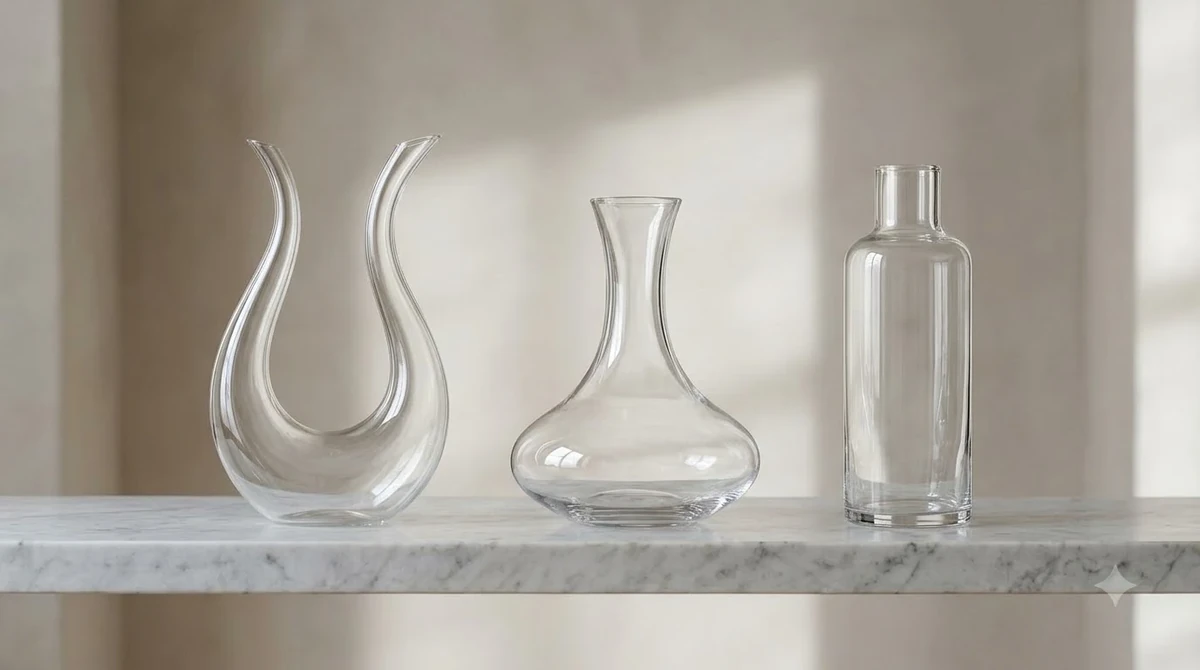
The manufacturer’s product catalog separates its range into drinkware, hot-drink products, dinnerware, glass storage, and bakeware. Le Picardie appears within the drinkware category. The official collection includes several tumbler capacities, from compact espresso formats to larger drinking glasses. These products are designed to accommodate everyday beverages, including water and other cold or hot drinks.
One important distinction concerns the word decanter. A wine decanter generally has a broad body that exposes wine to air, a narrower neck that helps control pouring, and a capacity suitable for holding a substantial portion of a bottle. A drinking tumbler has a different purpose. It provides a vessel for an individual serving, not a container intended to hold and aerate an entire bottle.
The manufacturer’s official Le Picardie product information documents tempered-glass construction, microwave compatibility, dishwasher compatibility, and thermal-shock resistance. Those are useful characteristics for everyday glassware, but they do not establish decanter functionality.
Documented specifications
| Specification | Documented information |
|---|---|
| Brand | Duralex |
| Recognizable collection | Le Picardie |
| Product category | Tempered drinking glassware |
| Documented espresso-cup capacities | 9 cl, 13 cl, 16 cl |
| Other catalog capacities | 20 cl, 25 cl, 31 cl, 36 cl, 50 cl |
| Construction | Tempered glass |
| Manufacturing origin | France |
| Thermal-shock specification | Up to 130°C under EN 1183 |
| Dishwasher compatibility | Documented for the espresso-cup product |
| Microwave compatibility | Documented for the espresso-cup product |
| Dedicated wine-decanter specifications | Not established by the reviewed catalog |
These specifications describe documented Duralex glassware, not an independently verified decanter model. In particular, the 130°C thermal-shock specification is not a recommendation to pour boiling water into a cold glass or to use the product for every temperature-related task. It is a manufacturer-stated resistance characteristic under a defined standard.
The Le Picardie collection also has a distinctive appearance. Its curved sides and beveled vertical details make the glasses recognizable without requiring elaborate decoration. Clear glass keeps the color of a beverage visible, while colored versions provide a more casual table setting. This makes the collection useful for people who want coordinated everyday drinkware rather than specialized wine-service equipment.
For buyers who specifically need a decanter, the most important missing information is not a decorative detail or an additional color option. It is a confirmed vessel capacity, bowl diameter, neck design, pouring lip, and suitability for holding wine during aeration. Without those specifications, a drinking glass should not be represented as a dedicated decanter.
What Owners Like About Duralex Glassware
The main appeal of Duralex is its practical combination of tempered glass, recognizable styling, and everyday versatility. Buyers who want drinking glasses that can move between casual meals, coffee service, and informal wine gatherings have several useful options within the Le Picardie collection.
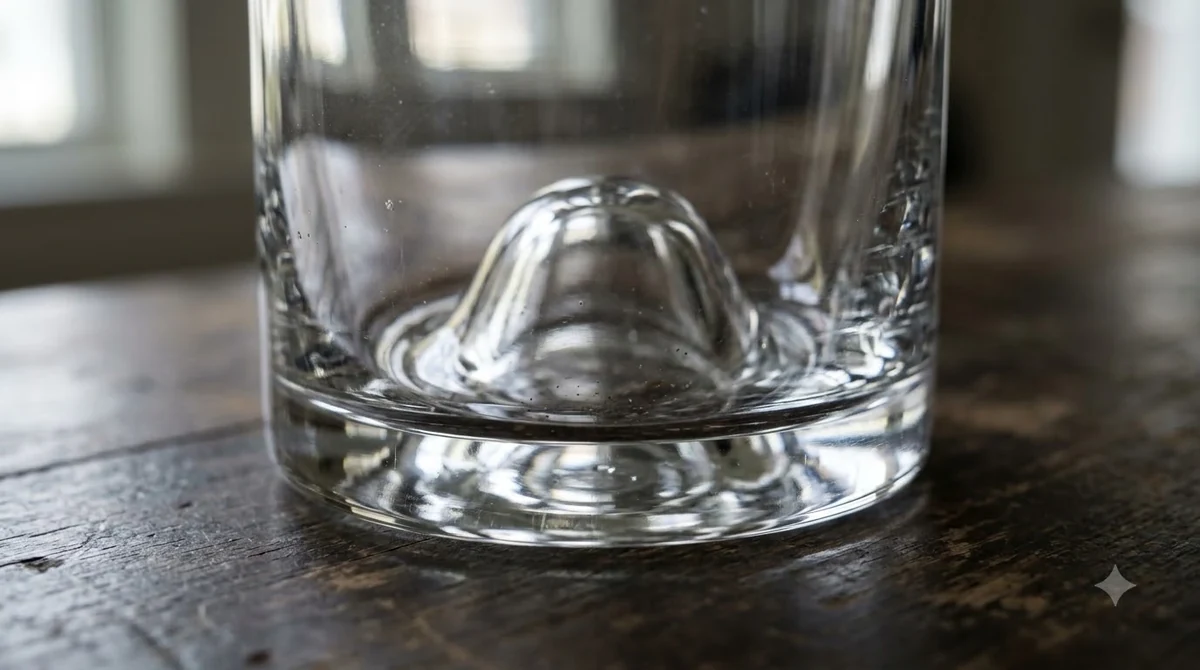
Tempered glass is the most significant functional characteristic. According to Duralex, the manufacturing process involves heating formed glass close to its softening point and then cooling it rapidly through ventilation. This process creates controlled stresses within the material, improving its resistance to mechanical and thermal shocks.
The manufacturer’s catalog states that its tempered glass can be up to six times stronger than annealed glass. This does not mean that the products are unbreakable. Glass can still break after a sufficiently hard impact, damage to an edge, or exposure to unsuitable conditions. Nevertheless, the construction is an important consideration for households that use their drinkware frequently.
Practical capacities for everyday service
Le Picardie offers different capacities for different serving situations. The 9 cl format is suited to small espresso servings, while the 13 cl and 16 cl options provide additional room for compact drinks. Larger formats such as 25 cl, 31 cl, and 36 cl are more practical for water, juice, cocktails, and casual wine service.
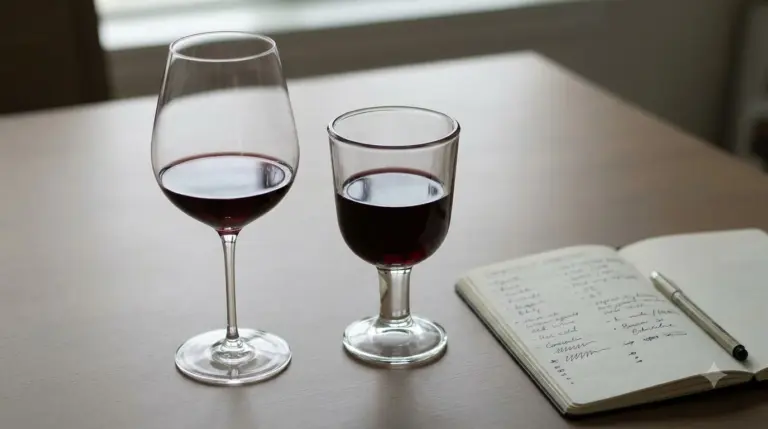
For a wine gathering, a 25 cl or 31 cl glass offers more flexibility than an espresso-sized vessel. A typical wine pour is 5 ounces, approximately 148 ml. That leaves useful space in either of those larger glasses, although the shape of a tumbler does not necessarily provide the same aroma concentration as a purpose-designed wine glass.
For anyone assembling a casual wine setup, the distinction between glass types matters. A useful starting point is comparing the options in our guide to wine glasses. A suitable wine glass provides room to swirl and evaluate aromas, while a Duralex tumbler is primarily a practical drinking vessel.
Easy-care characteristics
The official Le Picardie espresso-cup description confirms dishwasher compatibility. This is helpful for households that regularly serve drinks to several guests and prefer not to wash every piece by hand.
Duralex also documents microwave compatibility for that particular espresso-cup product. However, microwave compatibility should not be interpreted as permission to use the same glass on a stovetop or in a conventional oven. The manufacturer specifically advises against both uses and recommends avoiding abrasive cleaning products.
Another advantage is the availability of clear and colored glassware. Clear pieces suit a neutral table, while sapphire, green, black, and other colors can add visual interest. A mixed-color service can work particularly well for informal gatherings where matching every place setting is not essential.
These strengths make Duralex a credible choice for everyday drinkware. They do not make it a substitute for the aeration and sediment-management functions of a traditional wine decanter.
Common Complaints and Limitations
The biggest limitation for someone searching for a Duralex decanter is the difference between the advertised search term and the documented product category. Duralex offers practical drinking glasses, but the reviewed manufacturer materials do not establish a dedicated wine decanter with the characteristics expected by wine enthusiasts.
This distinction can lead to several purchasing misunderstandings. A large tumbler may look like a convenient container for wine, but its shape and function remain different from those of a proper decanter. Buyers should evaluate the actual vessel rather than relying on a brand name or a broad product description.
Limited aeration compared with a decanter
Wine aeration involves exposing wine to oxygen through contact with air. The effect depends on the wine, its age, its structure, and the amount of exposed surface area. A broad decanter creates a larger wine-air interface than a typical narrow drinking glass, which can be useful when serving certain young, structured red wines.
A Duralex tumbler can hold a small serving of wine, but it is not designed to maximize the exposed surface of an entire bottle. Pouring wine into several individual glasses also creates a different serving process from transferring a bottle into one decanting vessel.
For example, a young Cabernet Sauvignon may benefit from 30 to 60 minutes in a suitable decanter. Pouring a small amount directly into a glass and allowing it to sit is not the same as aerating the full bottle. A softer Pinot Noir may need less aggressive treatment, making a dedicated decanter less essential in some situations.
Pouring control is another consideration
Traditional wine decanters generally have an opening and neck designed to help direct the flow of wine into individual glasses. Some also have a carefully shaped lip to reduce drips. A regular tumbler is not designed for this purpose.
When pouring from a large drinking glass, the absence of a dedicated pouring neck can make serving less controlled. This may not matter when preparing an informal drink for one person, but it becomes more noticeable when transferring wine for several guests.
Capacity is not the same as useful decanter capacity
A large Duralex glass may hold more liquid than a smaller tumbler, but a vessel’s total capacity does not tell buyers whether it is suitable for decanting. A proper decanter needs sufficient room for the wine and an appropriate body shape that exposes the liquid to air.
For example, a 50 cl tumbler holds half a liter at its nominal capacity. That is still less than the 750 ml contents of a standard wine bottle. Even when a vessel is large enough to hold a bottle, that fact alone does not establish that its shape, stability, or pouring design is appropriate for decanting.
Another potential disappointment is the absence of decanter-specific care and handling instructions in the reviewed Duralex materials. Wine decanters can require different cleaning tools and storage arrangements, especially when their bodies have narrow openings or unusual shapes. A general glassware care description cannot replace instructions for a specialized vessel.
Who Should Buy Duralex and Who Should Skip It
Duralex is a sensible option for people seeking durable everyday drinking glasses with recognizable French styling. It is less suitable for shoppers whose primary objective is to purchase a traditional wine decanter for aeration, sediment separation, or formal wine presentation.
Who should consider Duralex
Casual wine drinkers who already own suitable wine glasses may appreciate Duralex as additional everyday glassware. The Le Picardie collection can accommodate water, juice, cocktails, and informal wine servings without requiring a separate set of delicate glasses for every beverage.
Households that prioritize practical cleaning and frequent use may also appreciate the documented tempered-glass construction. Dishwasher compatibility on the official espresso-cup product is particularly useful for people who regularly serve several guests.
Buyers who enjoy French glassware design have another reason to consider the brand. The Le Picardie collection has a recognizable appearance, with multiple capacities and color options that can fit both neutral and colorful table settings.
Who should skip it
Wine enthusiasts who regularly decant full bottles should choose a dedicated wine decanter instead. A proper decanter is designed to accommodate a larger quantity of wine and provide an appropriate surface for exposure to air.
People who frequently serve mature red wines with sediment should also look for a vessel designed specifically for controlled decanting. Separating sediment requires careful pouring, a suitable opening, and a stable container. A drinking tumbler does not provide the same convenience.
Formal entertainers may prefer a traditional glass decanter for presentation. Its silhouette can become part of the table setting, particularly when serving a special bottle at dinner. Duralex drinkware can complement that setup, but it does not necessarily replace the centerpiece.
Finally, buyers looking for a particular model number, decanter capacity, or manufacturer warranty should avoid assuming those specifications exist simply because a retailer uses the word Duralex in a listing. Product documentation should identify the actual item being sold and its intended use.
Tip: Before buying anything advertised as a Duralex decanter, confirm whether it is actually a drinking glass, carafe, pitcher, or dedicated wine decanter. Look for a documented model name, capacity in liters or milliliters, dimensions, pouring design, and manufacturer instructions. A familiar brand name does not make different glassware categories interchangeable.
How Duralex Compares to Wine Decanter Alternatives
Duralex and traditional wine decanters serve different purposes, so the best comparison begins with the intended use. Duralex offers practical drinking glasses, while dedicated decanters are designed to hold wine before serving and, depending on their shape, expose it to air or help separate sediment.
There are several common alternatives worth understanding before choosing a wine-serving setup. Each has a different balance of capacity, aeration, presentation, and cleaning requirements.
Traditional wide-base glass decanters
A wide-base decanter is a conventional option for young red wines that may benefit from exposure to air. Its broad body increases the exposed surface area of the wine, while its neck provides a controlled route for pouring.
This shape is particularly useful for structured varieties such as Cabernet Sauvignon and Syrah. These wines can have substantial tannin, and suitable aeration may help their aromas and texture become more approachable during service.
However, a broad base does not automatically make a decanter suitable for every wine. Fragile older reds may require more careful handling, and extended aeration is not always desirable. The wine’s age and structure should guide the decanting decision.
Slender-neck decanters
Slender-neck designs generally offer a more restrained presentation and can make pouring easier to control. Depending on their body shape, they may expose less wine to air than very wide models.
These vessels can be useful for people who want a dedicated serving container without the footprint of a particularly broad decanter. Buyers should still consider the opening diameter because narrow necks can make cleaning more difficult.
Wine aerators
A wine aerator provides another way to introduce air during pouring. Rather than transferring a full bottle into a separate vessel and waiting, the aerator exposes wine to air as it passes through the device.
This approach can suit people who want to serve wine relatively quickly. However, an aerator does not perform the same sediment-separation function as careful decanting. It is also a separate accessory, not a replacement for suitable serving glasses.
Dedicated wine glasses
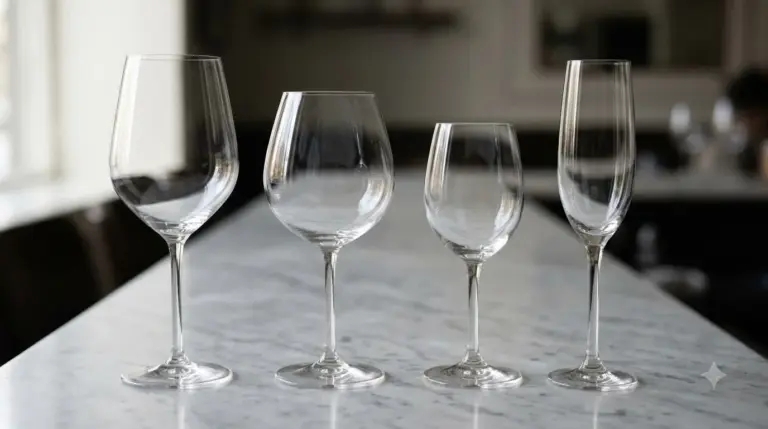
Wine glasses are another essential part of the comparison. A bowl with sufficient room for swirling allows aromas to collect and become easier to evaluate. Different wine-glass shapes can emphasize different characteristics of the beverage.
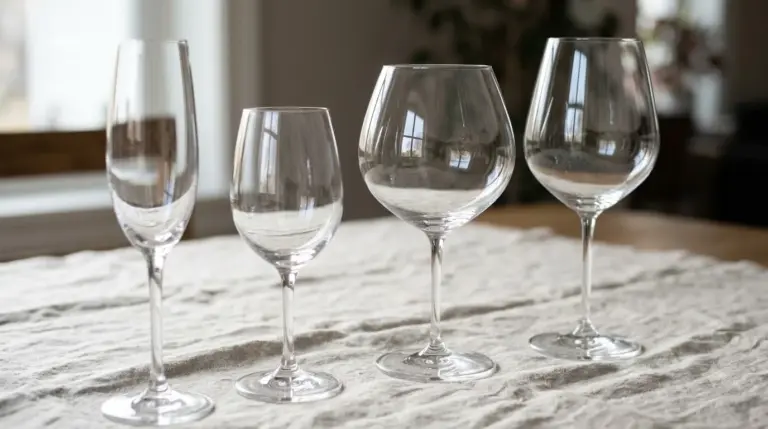
For example, a larger red-wine bowl can accommodate swirling and help concentrate aromas near the rim. A narrower sparkling-wine glass helps preserve a different presentation and is designed around sparkling service rather than red-wine aeration.
For a more specialized setup, compare our recommendations for red wine glasses and champagne flutes. These are serving vessels rather than decanters, but they illustrate why choosing glassware according to the beverage makes a difference.
| Option | Main purpose | Best use | Main limitation |
|---|---|---|---|
| Duralex tumbler | Everyday drinking | Casual wine and other beverages | Not designed for bottle decanting |
| Wide-base decanter | Wine aeration | Young structured reds | Requires cleaning and storage space |
| Slender-neck decanter | Wine presentation and pouring | Controlled wine service | Cleaning may be difficult |
| Wine aerator | Air exposure during pouring | Convenient individual servings | Does not replace sediment separation |
| Dedicated wine glass | Individual wine service | Aroma and drinking experience | Does not hold or decant a full bottle |
The Duralex collection fits best alongside these alternatives rather than competing directly with them. A household could reasonably use Duralex glasses for everyday beverages, dedicated wine glasses for tasting and dinner, and a separate decanter when a particular wine benefits from decanting.
For additional information about manufacturers and glassware styles, the Glassware Brands overview can help clarify which product categories are intended for everyday service and which are designed for more specialized wine experiences.
Choosing the Right Duralex Glass or Wine Decanter
The right purchase depends on whether the priority is everyday drinking, wine presentation, or actual decanting. Start by identifying the task rather than choosing a product based on appearance alone.
Step 1: Identify the intended use
If the main requirement is an everyday drinking glass, Duralex is a reasonable brand to investigate. Its Le Picardie collection offers several documented capacities and finishes, with tempered-glass construction as a defining feature.
If the requirement is aerating an entire bottle, select a dedicated wine decanter instead. Look for a body that accommodates the intended volume, a stable base, and a neck that makes pouring practical.
Step 2: Choose an appropriate capacity
For everyday Duralex drinkware, the capacity should match the beverages being served. Smaller formats are suitable for compact drinks, while larger formats offer more flexibility for water and casual wine service.
For a traditional decanter, consider the standard 750 ml wine bottle. A vessel should have enough usable capacity to hold the bottle without filling it to the rim. Additional headroom is useful for pouring and aeration.
Step 3: Consider the glass shape
For drinking glasses, consider how the sides feel in the hand, whether the rim is comfortable, and whether the opening provides enough room for the intended beverage.
For decanters, examine the body width, neck length, base stability, and pouring lip. These details affect aeration, handling, and cleanup much more than the color or decorative pattern.
Step 4: Check cleaning requirements
Dishwasher compatibility can make everyday drinkware more convenient. The official Duralex espresso-cup listing documents dishwasher compatibility and advises against abrasive cleaners.
Decanters can require more specialized maintenance. Their shape may prevent a standard dishwashing rack or ordinary sponge from reaching the entire interior. A cleaning brush designed for glass decanters can be useful, especially when the opening is narrow.
Step 5: Match the product to the wine
Not every bottle needs decanting. Young, tannic reds such as Cabernet Sauvignon may benefit from 30 to 60 minutes of aeration, while delicate older wines often require more cautious handling.
White wines generally do not require the same treatment as structured young reds. Some fuller-bodied whites may benefit from brief aeration, but the decision should reflect the individual wine rather than a fixed rule.
Temperature also affects the serving experience. Light reds are generally served around 55 to 60°F, while fuller-bodied reds are typically served around 60 to 65°F. A decanter should not be treated as a temperature-control device, and wine should be served at a suitable temperature regardless of the vessel.
Step 6: Build a complementary glassware collection
A practical wine setup does not require every vessel to perform every function. A household might use Duralex tumblers for water and informal drinks, dedicated wine glasses for dinner, and a traditional decanter for bottles that benefit from aeration.
This approach also helps avoid unnecessary purchases. A Duralex glass does not need to be replaced merely because it cannot perform a decanter’s job. It is a useful product category in its own right, provided buyers understand its intended purpose.
Frequently Asked Questions
Does Duralex manufacture its glassware in France?
Yes. Duralex identifies La Chapelle-Saint-Mesmin in the Loiret region as its manufacturing location. The brand also states that its glassmaking expertise dates to 1945, making French production an established part of its identity.
What does the name Le Picardie refer to?
Le Picardie is a Duralex glassware collection recognized for its distinctive curved profile and beveled sides. La Carafe identifies the design as originating in 1954. The name refers to a drinking-glass collection rather than a dedicated wine-decanting system.
Can tempered glass break after thermal shock?
Yes. Tempered glass has improved resistance to thermal and mechanical shocks, but it is not indestructible. Damage, unsuitable handling, and conditions outside the manufacturer’s instructions can still cause breakage. Its resistance rating should never be interpreted as a guarantee against every temperature change.
How much wine does a standard bottle contain compared with a Duralex glass?
A standard wine bottle contains 750 ml. A 25 cl Le Picardie glass holds 250 ml at its nominal capacity, while a 31 cl version holds 310 ml. Those capacities are useful for comparing drinkware, but neither glass is a substitute for a properly designed decanter.
Does Duralex glassware have a specific wine-decanting warranty?
The reviewed official Le Picardie product information documents glass construction, usage, and cleaning characteristics rather than a wine-decanting warranty. Buyers should distinguish general product support from coverage specifically intended for decanter use. Warranty terms should be confirmed for the exact product and retailer before purchasing.
Duralex is a worthwhile name to consider for practical, French-made tempered drinking glasses, especially if everyday durability and versatile capacities are priorities. However, the reviewed product documentation does not establish a dedicated Duralex wine decanter, so buyers seeking proper aeration and bottle decanting should choose a purpose-built vessel. The best wine-serving setup combines the right decanter with glasses designed for the wines being enjoyed.
More in Wine Glasses
 Fitz And Floyd Champagne Flutes: Features Worth KnowingUpdated Nov 21, 2026
 Eisch Champagne Flutes: Features, Quality, and Buying AdviceUpdated Nov 21, 2026
 Duralex Wine Tumbler Review: A Practical Everyday Wine GlassUpdated Nov 21, 2026
 Costco Red Wine Glasses: Find the Right Set for Everyday WineUpdated Nov 21, 2026
 Bormioli Rocco Wine Glasses Set of 8 for Everyday DiningUpdated Nov 21, 2026
 Dollar Tree Red Wine Glasses: Affordable Everyday Wine ServiceUpdated Nov 21, 2026