

We may earn a commission when you buy through links on this page, at no extra cost to you. Learn more.
Eisch red wine glasses are premium crystal wine glasses worth considering for wine enthusiasts who appreciate distinctive glass designs, lightweight construction, and the manufacturer’s SENSISPLUS aroma technology. The collection includes handmade UNITY models and machine-blown SUPERIOR glasses, with capacities ranging from 600 ml to larger Bordeaux and Burgundy formats. Their main attraction is the specialized glass treatment, although independent comparisons suggest that bowl shape, rather than proprietary technology alone, remains essential to wine presentation. Eisch is an interesting premium option, but buyers should compare individual models instead of assuming every glass delivers the same experience.
Choosing a red wine glass involves more than finding an attractive crystal bowl. Capacity, rim shape, stem construction, balance, and the way a glass presents aromas can all influence the experience. Eisch approaches these considerations with a combination of traditional glassmaking, contemporary manufacturing, and its proprietary SENSISPLUS treatment.
The German manufacturer’s collection includes several distinct approaches to red wine service. Some models emphasize handcrafted crystal and traditional elegance, while others prioritize practical construction and everyday durability. Understanding these differences helps determine whether an Eisch glass makes sense for a dedicated wine collection, regular entertaining, or an occasional special bottle.
Specs and Key Features
Eisch offers several red wine glasses with different capacities, production methods, and intended uses. The most useful comparison is between the 615 ml UNITY, the 600 ml SUPERIOR, and the larger specialty glasses designed for particular red wine styles.
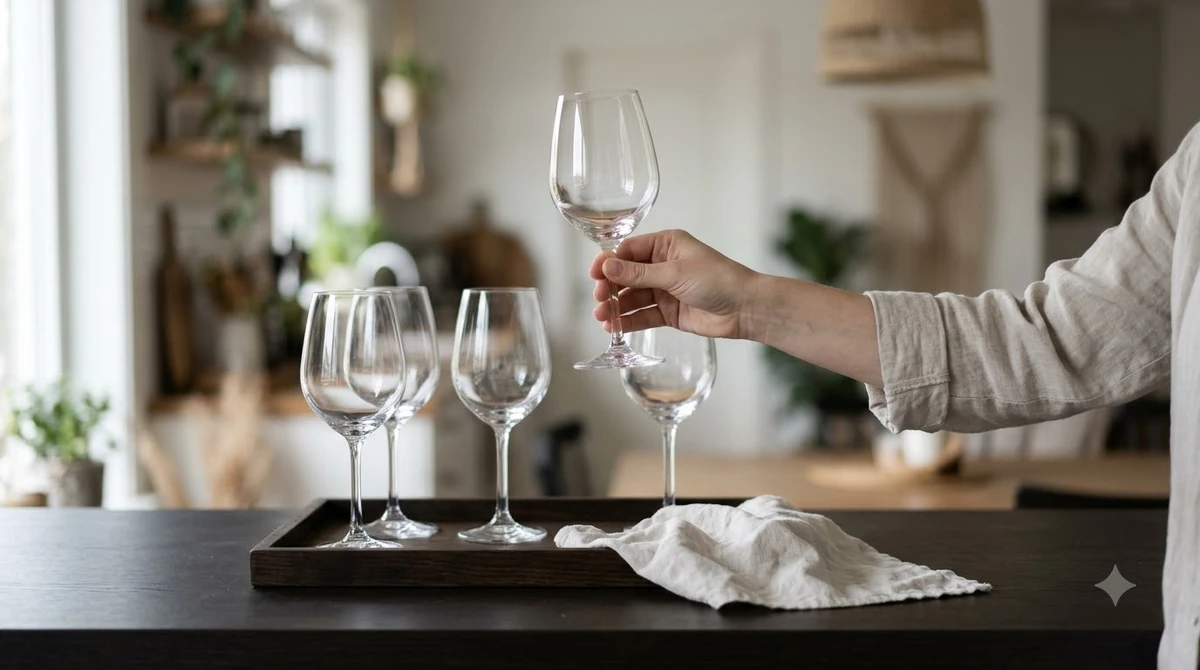
The UNITY and SUPERIOR collections demonstrate two different approaches to construction. UNITY emphasizes handmade, finely blown crystal, while SUPERIOR uses machine-blown manufacturing and a more practical everyday design. Both incorporate SENSISPLUS, making the distinction primarily about construction, proportions, and presentation rather than access to the aroma technology.
| Model | Capacity | Height | Production | Primary purpose |
|---|---|---|---|---|
| UNITY SENSISPLUS Red Wine | 615 ml | 257 mm | Handmade | Versatile red wine service |
| SUPERIOR SENSISPLUS Red Wine | 600 ml | 238 mm | Machine-blown | Everyday red wine service |
| UNITY Bordeaux Grand Cru | 850 ml | 275 mm | Handmade | Structured, powerful reds |
| UNITY Burgundy | 765 ml | 240 mm | Handmade | Burgundy and aromatic reds |
These specifications come from Eisch’s official product descriptions. The capacities are bowl capacities, not recommended serving volumes. A 600 ml glass is not intended to be filled with 600 ml of wine. A conventional 5 oz pour leaves considerable room for swirling and aroma development, even in a generously proportioned glass.
SENSISPLUS technology
The most distinctive feature is SENSISPLUS, Eisch’s proprietary treatment for improving the sensory experience of beverages. According to the manufacturer, the treatment is applied to finished, cold glass through a physical process rather than chemical additives or deliberate surface roughening. Eisch describes the process as a trade secret.
The company says the treatment helps reveal the complexity and aromatic character of wine without changing its original structure. It also states that the feature remains effective through dishwasher cleaning and is permanently retained unless exposed to temperatures above 200 degrees Celsius.
These are manufacturer claims rather than a guarantee that every drinker will perceive an improvement. Aroma perception is subjective, and the shape of the glass remains an important factor. The treatment should therefore be viewed as an additional feature, not a replacement for sound glass design.
Crystal construction and stem design
Eisch’s handmade UNITY glasses are positioned as more traditional premium pieces. Their finely blown crystal construction creates a delicate appearance, with a light feel and carefully finished proportions. The 257 mm UNITY red wine glass is particularly suited to someone who values the presentation of a handmade stemmed glass.
The SUPERIOR range takes a different approach. Its machine-blown construction is intended to provide a stable and practical glass for regular use. Eisch also highlights drawn-stem construction as a way to improve break resistance. This does not make the glass unbreakable, but it is a useful design consideration for households that use stemware frequently.
Both ranges are intended to offer an attractive combination of visual clarity and practical service. The better choice depends on whether handmade construction or a more straightforward everyday format matters more.
What Owners and Wine Enthusiasts May Like
The strongest reasons to consider Eisch red wine glasses are their distinctive appearance, generous bowl sizes, specialized collections, and the manufacturer’s emphasis on aroma presentation. They appeal particularly to people who treat glassware as part of the wine experience rather than as an interchangeable serving accessory.

The UNITY range has particular appeal as a formal dining or tasting glass. Its 615 ml capacity offers room for swirling, while its 257 mm height creates an elegant profile. The individual protective gift tube also makes the glass suitable for gifting, especially for someone who already appreciates premium wine accessories.
A choice of glass shapes
Eisch does not restrict its red wine selection to one universal bowl. The standard UNITY red wine glass has a 615 ml capacity, while the Bordeaux Grand Cru model expands to 850 ml. The Burgundy glass provides a 765 ml format with a different bowl profile.
That variety matters because different wines can benefit from different proportions. Cabernet Sauvignon and Bordeaux blends often have substantial tannin and structure, while Pinot Noir generally has more delicate aromatics and higher acidity. A larger bowl can give a wine more room to develop, but the opening and overall geometry also influence how aromas reach the nose.
For someone who regularly serves several red wine styles, the availability of dedicated glass formats is a useful advantage. However, owning multiple specialized glasses is not essential for enjoying good wine. A well-designed general-purpose red wine glass can serve many bottles successfully.
The appeal of the SENSISPLUS experience
Eisch encourages customers to conduct a direct comparison between a SENSISPLUS glass and a conventional glass of similar size and shape. The recommended procedure is straightforward: open a fresh bottle, pour equal quantities into both glasses, and compare the aromas and flavors after a few minutes.
This approach has a practical advantage. Instead of relying entirely on marketing language, buyers can judge whether they personally notice a difference. Using similar glass shapes also makes the comparison more meaningful because it reduces the influence of bowl geometry.
The manufacturer explains that SENSISPLUS is designed to work with more than red wine. Its stated applications include white wine, spirits, and other aromatic beverages. For households that enjoy different drinks, that versatility may make the collection more appealing.
Presentation and gifting
Premium glassware is frequently purchased for occasions when presentation matters. Eisch’s UNITY glasses have a refined appearance, and the protective gift packaging provides a more polished presentation than ordinary bulk-packed stemware.
The clear crystal design also works with different table settings. It does not introduce a strong color that might distract from the wine’s appearance. This is useful for people who enjoy examining the color and clarity of Cabernet Sauvignon, Merlot, or Pinot Noir before tasting.
Buyers interested in broader options can also compare our selection of red wine glasses, which covers different approaches to bowl shape, construction, and everyday practicality.
Common Complaints and Performance Limitations
The main concerns surrounding Eisch glasses involve the subjective nature of SENSISPLUS, differences in bowl design, and the care required by delicate crystal. Independent wine-glass comparisons provide a useful counterbalance to the manufacturer’s promotional descriptions.
One particularly relevant comparison appeared in Club Oenologique’s assessment of eight premium wine glasses. The reviewers considered practicality, appearance, feel, balance, aroma, and palate performance. They criticized the Eisch Sensisplus Bordeaux glass for its wide mouth and large bowl, saying the shape muted desirable characteristics across several wines.
That assessment is important because it separates the appeal of a specialized glass treatment from the fundamentals of glass design. A proprietary feature cannot automatically compensate for a bowl shape that does not suit a particular wine or drinking preference.
Independent opinions are not unanimous
Winery Sage also published a subjective review of the original Eisch Sensisplus concept. Its comparison used a four-year-old Cabernet Sauvignon and a conventional glass of similar size. The reviewers initially perceived a smoother impression in the Eisch glass after four minutes.
However, the same reviewers reported that the wine in their Eisch glass seemed oxidized after approximately 30 minutes. They also described a glass that broke while being washed after around six weeks of use. The article acknowledges that its results were informal and not based on a large blind-tasting group.
These observations should not be treated as proof that current Eisch models will behave identically. The original review concerned a particular glass and a subjective comparison, whereas the current UNITY and SUPERIOR product descriptions identify specific manufacturing and construction characteristics.
Nevertheless, the review illustrates why expectations should remain realistic. A wine glass cannot reliably replace every benefit of proper decanting, and no glass design guarantees that every wine will taste better.
Premium construction still requires care
Lightweight crystal can feel elegant in the hand, but delicate stemware deserves careful handling. Even when a manufacturer describes a glass as break-resistant, thin crystal can still chip or fracture if it strikes a hard surface or another glass.
Dishwasher compatibility is useful, but it does not eliminate the possibility of accidental damage. Crowded racks, loose glassware, and contact with cookware can all create problems during cleaning.
Another consideration is storage. Larger models require more cabinet clearance than ordinary wine glasses. The 275 mm Bordeaux Grand Cru format, for example, may not fit comfortably in cabinets designed for shorter everyday stemware.
People who prioritize compact storage, frequent casual entertaining, or minimal maintenance may prefer simpler alternatives. The Eisch design makes the most sense when its particular features are genuinely valued.
Who Should Buy Eisch Red Wine Glasses and Who Should Skip Them
Eisch is most attractive to wine enthusiasts who appreciate carefully designed stemware, enjoy comparing glass shapes, and want a distinctive crystal glass for regular or special-occasion red wine service. Its different collections offer meaningful choices rather than a single standardized design.
The handmade UNITY model is particularly appealing for someone who values craftsmanship and an elegant presentation. Its 615 ml capacity accommodates a generous range of red wine styles, and its 257 mm height gives it a prominent appearance on the table.
Who should consider buying
- Dedicated red wine drinkers: People who regularly enjoy Syrah, Merlot, Primitivo, Tempranillo, or other structured wines may appreciate the dedicated red wine formats.
- Wine collectors: Those who enjoy comparing aroma presentation between glasses may find the SENSISPLUS feature interesting.
- Formal entertainers: The handmade UNITY glasses offer a refined appearance for dinner parties and special occasions.
- Gift buyers: Protective gift packaging and the distinctive crystal design make selected Eisch glasses appealing presents.
- Glassware enthusiasts: People who appreciate different bowl shapes and manufacturing methods may enjoy comparing the UNITY, SUPERIOR, and specialty collections.
Who should skip them
- Budget-focused shoppers: Those who simply need reliable everyday stemware may find conventional wine glasses more practical.
- Minimalists: Someone who wants one inexpensive glass for red, white, and sparkling wine may not need a specialized red wine collection.
- Frequent casual entertainers: Households that regularly serve large groups may prefer simpler, easily replaceable glasses.
- Technology skeptics: Buyers who expect SENSISPLUS to produce a dramatic and guaranteed difference should approach the claims cautiously.
- People with limited storage: Large bowls and taller stems can be inconvenient in smaller kitchen cabinets.
One useful distinction is between wanting a premium glass and expecting a premium glass to transform an ordinary bottle into an exceptional wine. Better stemware can influence aroma perception and drinking comfort, but the quality of the wine itself remains central.
Tip: Before buying a complete set, compare one Eisch glass with a conventional glass of similar capacity. Use the same freshly opened red wine, pour equal 5 oz servings, and assess both glasses after a few minutes. This is a practical way to decide whether the SENSISPLUS experience justifies choosing the brand.
How Eisch Compares to Alternative Wine Glasses
Eisch occupies an interesting position among premium wine-glass manufacturers because it combines conventional bowl design with a proprietary aroma treatment. Other manufacturers focus more heavily on bowl geometry, weight, traditional crystal craftsmanship, or practical everyday construction.
Club Oenologique’s comparative assessment is particularly useful here because it included Eisch alongside several recognized names. The reviewers evaluated eight glasses using the same four wines and multiple criteria rather than relying solely on manufacturer specifications.
Eisch versus Spiegelau
Both brands offer practical options for wine drinkers who want functional glassware. In the Club Oenologique comparison, the Spiegelau glass performed well in practicality, while the Eisch Bordeaux glass received criticism for its large bowl and wide opening.
This does not establish that every Spiegelau glass is superior to every Eisch model. Their collections include different shapes and manufacturing approaches. However, it suggests that shoppers who place durability and uncomplicated everyday service above distinctive sensory features should compare both brands carefully.
Eisch versus Riedel
Eisch’s SENSISPLUS explanation describes a proprietary physical glass treatment, whereas Riedel is widely associated with glass designs tailored to particular grape varieties and wine styles.
The distinction is useful when choosing between the brands. Eisch offers an additional sensory feature within its glassware, while the choice of Riedel glassware often centers on selecting an appropriate shape for a particular wine. Neither approach automatically guarantees a better experience.
A Cabernet Sauvignon drinker may prefer a generous Bordeaux-style bowl, while someone who frequently serves Pinot Noir may appreciate a Burgundy-style glass. Comparing the actual shape and proportions is more informative than relying on brand reputation alone.
Eisch versus universal wine glasses
Universal glasses have a practical advantage: they reduce the number of different pieces needed in a household. A moderately sized bowl with a balanced opening can work for several red and white wine styles without requiring dedicated storage for each grape variety.
Eisch’s ESSENCA collection also explores this approach by categorizing wines according to their general structure rather than strictly separating red and white varieties. Its three categories are refreshing and light, fruity and aromatic, and powerful and rich.
That philosophy is useful for people who enjoy different wines but do not want an extensive glass collection. A universal glass can be a sensible alternative if versatility matters more than specialized presentation.
For additional choices, our guide to wine glasses covers broader styles, while the Glassware Brands overview helps explain the different approaches used by established manufacturers.
How to Choose an Eisch Red Wine Glass
Choosing the right Eisch glass starts with identifying the wines you drink most frequently and deciding how much importance you place on handmade construction, practical maintenance, and bowl capacity. The manufacturer’s range is broad enough that buying the most expensive-looking or largest glass is not necessarily the best decision.
Choose UNITY for handmade construction
The UNITY SENSISPLUS red wine glass is a strong starting point for someone who wants a traditional premium stemmed glass. Its 615 ml bowl and 257 mm height provide a generous format without moving into the larger specialty Bordeaux design.
Its handmade construction is also a meaningful distinction for people who appreciate finely blown crystal. The clear appearance and protective gift tube make it particularly suitable for formal dining and gifting.
Choose SUPERIOR for everyday practicality
The SUPERIOR SENSISPLUS red wine glass is a practical alternative. It has a 600 ml capacity, measures 238 mm in height, and uses machine-blown manufacturing. Its drawn stem is designed to provide improved break resistance.
This makes it worth considering for households that want an attractive glass for regular use without prioritizing handmade construction. Its dishwasher-safe design also reduces routine maintenance concerns.
Match the bowl to your preferred wine
For Cabernet Sauvignon, Bordeaux blends, and other powerful reds, the 850 ml UNITY Bordeaux Grand Cru is the larger specialized option. Its generous bowl gives the wine room to develop, while its proportions are intended for structured wines with pronounced tannins and oak characteristics.
For Pinot Noir and Burgundy-style wines, the 765 ml UNITY Burgundy provides another specialized format. Its design is intended for aromatic wines where subtle fruit and floral characteristics are important.
For drinkers who alternate between Merlot, Syrah, Tempranillo, and Primitivo, the standard UNITY or SUPERIOR red wine glasses are more straightforward options. Both are listed by Eisch for several of these varieties.
Consider your serving habits
Glass capacity should be considered alongside how wine is actually poured. A standard 5 oz serving leaves plenty of space in a 600 ml glass. This is useful because swirling allows wine to release aromas without spilling over the rim.
Temperature is equally important. Light-bodied red wines such as Pinot Noir are generally best served around 55 to 60 degrees Fahrenheit, while fuller-bodied reds such as Cabernet Sauvignon are generally served around 60 to 65 degrees Fahrenheit.
Serving temperature can influence the perception of alcohol, acidity, tannin, and fruit. A carefully selected glass cannot compensate for serving a wine excessively warm or cold.
Buyers should also consider cabinet clearance, the number of glasses needed, and whether the decorative finish requires special cleaning. These practical details can have a greater impact on long-term satisfaction than a manufacturer’s most impressive feature.
Care, Cleaning, and Long-Term Use
Eisch glasses are designed to combine delicate crystal presentation with practical maintenance features, but care instructions depend on the particular model and its finish. Unfinished SENSISPLUS glasses are generally dishwasher-safe, while decorative precious-metal finishes require more attention.
The UNITY and SUPERIOR red wine models discussed above are identified by Eisch as dishwasher-safe. The manufacturer also states that SENSISPLUS remains effective after repeated dishwasher cleaning, so normal washing does not remove the treatment.
Dishwasher cleaning
For dishwasher-safe glasses, use a suitable glassware program and avoid overcrowding the racks. Each glass should remain separated from neighboring items to reduce the possibility of chips or impact damage.
Position the bowl securely and avoid placing heavy cookware near delicate stems. A glass that is technically dishwasher-safe can still break if it is struck by another object during a wash cycle.
Handwashing delicate finishes
Decorative models with copper, gold, or platinum finishes require different care. Eisch recommends handwashing these products to protect their decorative surfaces and preserve their appearance.
Use warm water, mild dishwashing liquid, and a soft cloth. Avoid abrasive sponges, harsh cleaning products, and aggressive polishing that could damage the finish.
Drying and storage
After washing, allow glasses to drain safely and dry them with a clean, lint-free cloth when necessary. Avoid twisting the bowl and stem in opposite directions while polishing, as this can place unnecessary stress on the connection.
Store glasses upright in a stable cabinet where the rims cannot knock against other items. Taller models, particularly the 275 mm Bordeaux Grand Cru glass, should have sufficient vertical clearance.
It is also sensible to keep a little space between individual glasses. Good storage habits reduce accidental contact and make premium stemware easier to use regularly.
Preserving the wine experience
Glass care is only one part of proper wine service. Red wine should be stored in a cool, stable environment, ideally near 55 degrees Fahrenheit, with cork-finished bottles stored on their sides.
Young, full-bodied red wines may benefit from 30 to 60 minutes of decanting, depending on their structure and maturity. SENSISPLUS should not be treated as a guaranteed substitute for this process. A proper decanter remains a useful accessory when a wine needs additional aeration or separation from sediment.
For most households, the simplest approach is to choose an appropriate glass, keep it clean, serve wine at a suitable temperature, and handle the stemware carefully. These fundamentals contribute more consistently to a satisfying wine experience than relying on any single glass feature.
Frequently Asked Questions
Where are Eisch wine glasses manufactured?
Eisch is a German glassware manufacturer associated with the Bavarian Forest. Its products are presented through its German glassworks and manufacturing tradition, which dates to 1946. The company operates as part of Zwiesel Fortessa AG.
Does SENSISPLUS use a chemical coating?
No. Eisch describes SENSISPLUS as a physical treatment applied to finished, cold glass without chemicals or deliberate surface roughening. The precise production process is maintained as a company trade secret rather than disclosed as a public manufacturing formula.
Can SENSISPLUS glasses be used for drinks other than wine?
Yes. Eisch identifies applications beyond wine, including spirits, fruit juices, and other aromatic beverages. The manufacturer also describes dedicated SENSISPLUS glassware for drinks such as beer and whisky, with shapes designed around their respective serving requirements.
Can Eisch crystal glasses become cloudy after repeated washing?
Glass clouding can result from mineral deposits, detergent residue, or deterioration associated with unsuitable cleaning conditions. Eisch states that its SENSISPLUS treatment remains effective after dishwasher cleaning, but this does not mean that every glass is immune to surface deposits or damage. Appropriate cleaning products and careful loading help preserve clarity.
How should Eisch glasses be compared during a wine tasting?
Eisch recommends comparing its SENSISPLUS glass with a conventional glass of similar shape and size. Use wine from the same freshly opened bottle, pour equal quantities into both glasses, and compare the bouquet and flavor after a few minutes. Repeating the comparison with different grape varieties can help reveal individual preferences.
Eisch red wine glasses are an appealing premium choice for drinkers who appreciate distinctive crystal construction, specialized bowl designs, and the additional SENSISPLUS feature. The handmade UNITY and practical SUPERIOR collections offer different strengths, so selecting the appropriate model is more important than choosing by brand name alone. For the most confident decision, compare the glass shape, construction, and sensory experience against a conventional alternative before committing to a complete collection.
More in Wine Glasses
 Spiegelau Crystal Wine Glasses That Bring Clarity to Every PourUpdated Nov 21, 2026
 Zalto Crystal Wine Glasses: Are They Worth the Investment?Updated Nov 21, 2026
 Villeroy And Boch White Wine Glasses for a More Cohesive TableUpdated Nov 21, 2026
 Zalto Wine Glasses On Sale: Find the Right Denk’Art GlassUpdated Nov 21, 2026
 Zwiesel Glas Champagne Glasses: Features, Quality and Buying AdviceUpdated Nov 21, 2026
 Zwiesel Glas Decanter Review: A Durable, Elegant Choice for Wine ServiceUpdated Nov 21, 2026