

We may earn a commission when you buy through links on this page, at no extra cost to you. Learn more.
The best wine labels custom options depend on where the bottle will be used. Self-adhesive paper labels with full-color print suit weddings, gifts and special events. Synthetic, water-resistant labels work better for bottles that will be chilled, handled wet or left outdoors. Removable labels are the choice when the bottle will be reused as a decanter, a vase or a keepsake. Start by matching the label material to the moment the bottle will be opened, then pick the print style.
Custom wine labels turn an ordinary bottle into a personal gift, a branded client present or a home project with its own identity. Before ordering, it helps to know what a label has to do. According to the Wikipedia article on wine labels, the label is often the only resource a buyer has for judging a wine, and it normally carries the country of origin, the type of wine, the alcohol content, the producer or bottler, and sometimes the vintage on a neck label. A custom label can keep the information that matters and add a personal design on top of it.
Quick Comparison of Custom Label Types
Most custom labels fall into four broad types. The table below compares them by the things buyers usually weigh first: how well they handle moisture, how easily they come off, and how much design room they allow.
| Label type | Moisture handling | Removal | Design room | Relative cost |
|---|---|---|---|---|
| Self-adhesive paper | Fair, weak when damp | Can be hard to remove cleanly | Full color, photo-quality print | Lower |
| Synthetic (polypropylene-style) | Good, resists water and condensation | Holds well, may leave residue | Full color, sharp edges | Middle |
| Removable or repositionable | Fair | Designed to peel cleanly | Simple designs work best | Middle |
| Chalk or write-on surface | Fair, smudges when wet | Easy to wipe or change | Hand-written or printed frame | Lower |
The adhesive matters as much as the face material. The same Wikipedia overview of wine labels notes that automated bottling lines at many wineries now use stronger glues, which makes labels harder to peel off. If you plan to reuse the bottle, a label made for removal is worth the extra step at the ordering stage.
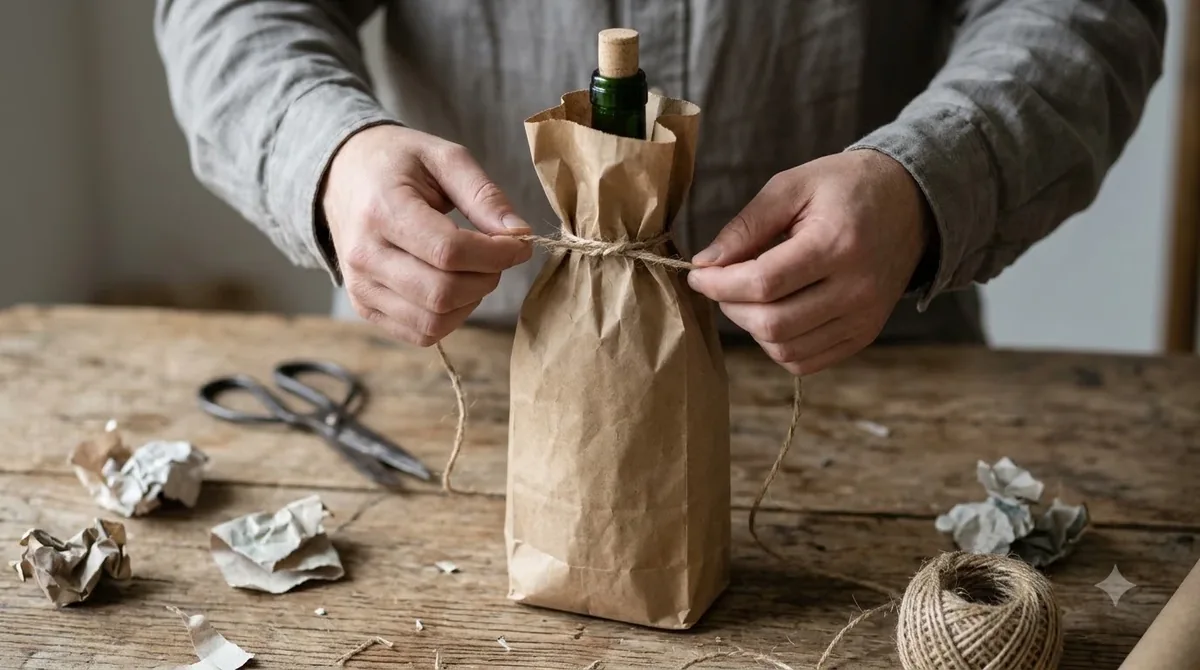
Best for Weddings and Anniversary Favors
For weddings and anniversaries, the label is usually the first thing a guest reads, so it carries the names, the date and a short line of thanks. Full-color self-adhesive paper labels give the most design freedom at a modest cost, and they look best on bottles that will be opened within a few weeks of printing.
Why it stands out: Paper labels accept fine print, script fonts and photo-quality images, so a wedding design can match the invitations and table décor.
Keep in mind: Paper handles moisture poorly. Ask guests not to chill the bottle in a bucket of ice, or switch to a synthetic face for an outdoor reception.
Best for: couples and planners who want a matched set of favors with a short run and a fixed date.
Best for Home Winemakers and Small-Batch Bottling
Home winemakers need a label that works across several batches and records the details that matter for their own notes: vintage, grape, batch number and bottling date. A simple layout with a clear front panel and a small back panel is easier to print in small runs and easier to read at a tasting.
Why it stands out: A plain template lets you change the vintage and batch number from one bottling to the next without redesigning the whole label.
Keep in mind: Cellar conditions are often cool and damp, so a synthetic face or a laminated paper label keeps the print readable over time.
Best for: hobby producers who bottle a few cases a year and want consistent branding.
Best for Corporate and Client Gifts
Businesses use custom labels to put a logo, a tagline and a contact line on a bottle that clients keep or share. The goal is a clean, legible design that reads well at a glance and matches other printed materials.
Why it stands out: A logo-led design with a restrained color palette reads as a brand asset rather than a novelty, and it can be reprinted to match a campaign.
Keep in mind: Corporate buyers usually want the label to carry the same disclosures as the rest of their packaging, so check the regulatory wording with the bottler before the run goes to print.
Best for: companies sending holiday gifts, event favors or client thank-you bottles in a set quantity.
Best for Outdoor Use, Coolers and Ice Buckets
Bottles that go into coolers, ice buckets or outdoor settings face condensation and direct moisture. Synthetic labels resist water and keep their color, and the adhesive is designed to hold on a cold, wet surface.
Why it stands out: Synthetic faces tear less easily and keep sharp edges when damp, so the label still looks finished after a long afternoon outside.
Keep in mind: Synthetic labels can be harder to write on and sometimes leave residue when removed, so test a single bottle before ordering a full set.
Best for: picnics, beach weddings, poolside gatherings and any event where bottles spend hours in ice.
Best for Reusable and Keepsake Bottles
Some people want a bottle label they can remove and keep, or a label they can change between uses. Removable and repositionable labels are made for that purpose, and a chalk or write-on surface lets you change a message without reprinting.
Why it stands out: A label that peels cleanly keeps the bottle usable as a vase, a candle base or a decorative piece once the wine is gone.
Keep in mind: Removable designs have less room for detail and small type, so simple artwork and bold text work best.
Best for: keepsake bottles for a first-year anniversary, a birth announcement or a memorial, and bottles that will be used in a home display.
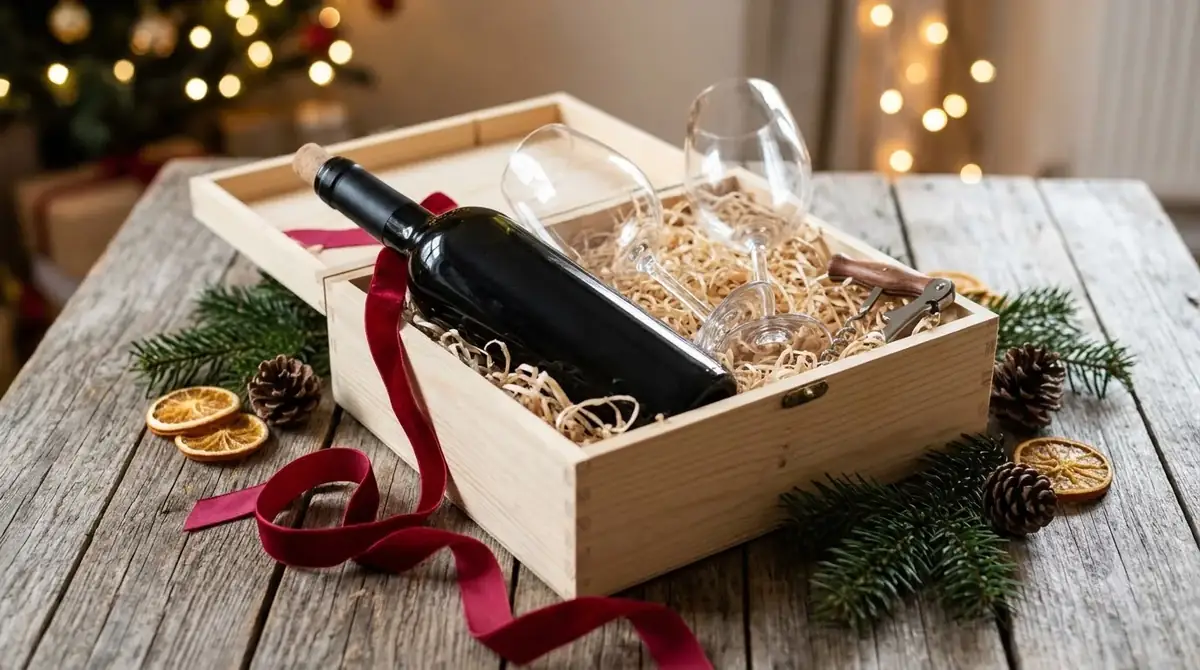
How to Choose the Right Custom Label
Pick the label by answering three questions in order: where the bottle will be stored, how long it will stay in one place, and whether the label needs to come off. The answers point to a material, and the material then narrows the print options.
Tip: Order a proof on the same label stock you plan to use, then stick it to a bottle and leave it in a cool, damp spot for a day to see how it holds before you commit to the full run.
- Storage and serving: cool, dry storage favors paper; ice buckets and outdoor use favor synthetic.
- Reuse: if the bottle will be kept, choose removable adhesive and a simple design.
- Print detail: fine script and photo images need full-color paper or synthetic stock with a sharp print run.
- Legal text: include the required information for the product type and the place of sale, and confirm it with the bottler.
Frequently Asked Questions
Can I put a custom label on a bottle that is already filled?
Yes. Labels are applied after bottling in most small-batch and gift settings. Clean the glass, make sure it is dry and apply the label to a smooth, flat area of the bottle. Keep the label off the seam where the glass has a mold line, so it sits flat.
Are synthetic labels better than paper for every event?
No. Synthetic labels handle moisture and cold well, but paper labels often give more room for fine print and photo-quality art at a lower cost. Use synthetic for bottles that will be chilled or handled wet, and paper for indoor events and gifts.
Can a custom label be removed without leaving residue?
Removable labels are made to peel off cleanly from smooth glass, but results depend on the adhesive and how long the label stayed on. Stronger adhesives on some bottling lines can make removal harder, so a removable label is the safer choice when you plan to keep the bottle.
How far ahead should I order custom wine labels?
Allow time for a proof, a revision round and printing before the event or bottling date. Many small runs can be reprinted quickly, but a larger corporate order with a logo or disclosure review needs more lead time. Order a few extra labels for spoilage and test bottles.
Custom labels work best when the material fits the bottle’s path, from the cellar to the table. Once the material is settled, the bottle can carry a message that matches the occasion. For more on the parts of a bottle and where a label goes, see our guide to wine bottle labels, and for pouring and serving ideas that suit a gift bottle, browse the Accessories Library.
More in Wine Accessories
 Coravin Vs Vacu Vin: Choose the Right Wine Saver for Your BottlesUpdated Nov 21, 2026
 Zwilling Wine Stopper Review: Preserve Open Bottles LongerUpdated Nov 21, 2026
 Wine Enthusiast Wine Preserver Review: Features, Benefits and LimitationsUpdated Nov 21, 2026
 Wine Enthusiast Wine Stopper: An Easier Way to Reseal Open BottlesUpdated Nov 21, 2026
 Vintorio Wine Opener: Two-Step Cork RemovalUpdated Nov 21, 2026
 Zwilling Wine Aerator Review: Aerate, Pour, and Seal With One ToolUpdated Nov 21, 2026