

We may earn a commission when you buy through links on this page, at no extra cost to you. Learn more.
The true residential beverage cooler is a premium 24-inch undercounter beverage center that combines flexible drink storage, precise temperature control, and customizable lighting in a stainless steel cabinet. The TBC-24-R/L-SG-C model offers 5.6 cubic feet of interior space, room for up to 147 cans and 13 wine bottles, and a temperature range of 33°F to 47°F. Its strongest advantages are its construction, adjustable storage, and integrated appearance, although its premium positioning and single-temperature-zone design make it a more specialized purchase than a basic beverage refrigerator.
True Residential targets homeowners who want refrigeration to feel like a permanent part of the kitchen rather than a standalone appliance. The beverage center combines a glass-front display, stainless steel construction, configurable shelves, and a compact undercounter footprint. This review examines the stainless glass door model, including its specifications, practical advantages, limitations, installation requirements, and the types of households most likely to appreciate its design.
Specs and Key Features
The TBC-24-R/L-SG-C is a 24-inch beverage center with a 5.6-cubic-foot capacity and a single cooling zone. Its combination of adjustable shelves, dedicated wine storage, and digital temperature control makes it suitable for households that keep several types of drinks ready for serving.
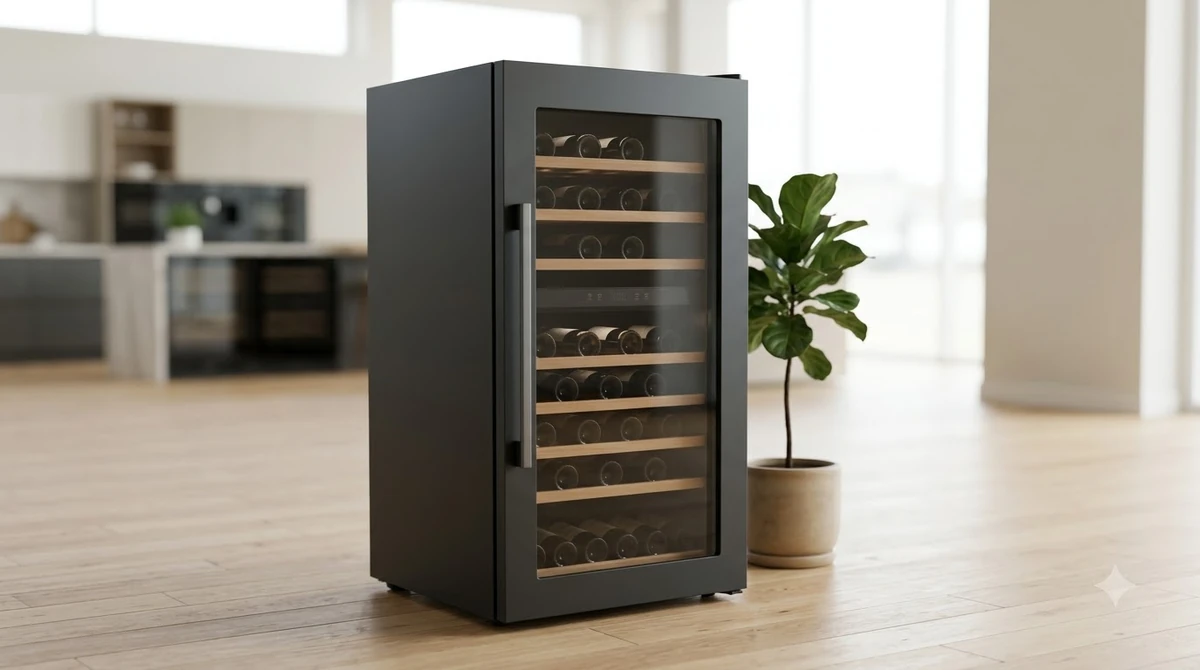
The stainless glass door configuration features a 300-series stainless steel interior and exterior, Low-E double-pane UV-tinted glass, and TruLumina LED lighting. The lighting system provides 14 color options, allowing the illuminated interior to complement different kitchen finishes and entertaining spaces. The glass door also makes stored drinks visible without requiring the cabinet to be opened.
True Precision Control uses a steel-touch interface with a digital temperature readout. The manufacturer specifies a temperature range of 33°F to 47°F, providing flexibility for soft drinks, bottled water, beer, and other refrigerated beverages. A balanced forced-air refrigeration system is designed to bring beverages down to temperature quickly and distribute cooling throughout the interior.
The TrueFlex shelving arrangement is another important feature. Two adjustable, removable stainless-steel-encapsulated glass shelves accommodate different beverage sizes, while a glide-out wine rack holds eight bottles and a lower floor cradle holds five. Removing or rearranging the storage components makes it possible to prioritize cans, bottles, or a combination of both.
The following specifications apply to the stainless glass door TBC-24-R/L-SG-C configuration. Some published figures differ between product configurations and specification documents, so the exact model number matters when comparing installation and energy requirements. The manufacturer’s stainless glass door specification sheet provides the model-specific feature and installation details.
| Specification | True Residential TBC-24-R/L-SG-C |
|---|---|
| Appliance type | Undercounter beverage center |
| Nominal width | 24 inches |
| Overall dimensions | 23⅞ × 34¼ × 23⅞ inches |
| Required cutout | 24 × 34½ × 24 inches |
| Interior capacity | 5.6 cubic feet |
| Can capacity | 147 cans |
| Wine bottle capacity | 13 bottles |
| Temperature range | 33°F–47°F |
| Temperature zones | 1 |
| Adjustable shelves | 2 |
| Dedicated wine storage | 8-bottle glide-out rack and 5-bottle floor cradle |
| Interior and exterior | 300-series stainless steel |
| Door | Low-E, double-pane, UV-tinted glass |
| Lighting | TruLumina LED, 14 color options |
| Electrical requirements | 115 volts, 60 Hz, 1.9 amps |
| Power cord | 8 feet |
| Annual energy consumption | 311 kWh |
| Weight | 190 pounds |
| Hinge configurations | Right-hand or left-hand |
These specifications make the appliance more versatile than a compact refrigerator with fixed wire shelving. However, its 13-bottle wine capacity is relatively modest for a household building a dedicated wine collection. The 147-can figure is also a maximum stated capacity rather than a guarantee of that number when the shelves are arranged for larger bottles or mixed beverages.
For homeowners comparing several appliance categories, a useful starting point is the selection of best rated wine cooler options. Dedicated wine refrigerators and combination beverage centers serve different storage priorities, so the right choice depends on whether wine preservation or everyday drink access matters more.
What Owners Like
The most appealing aspects of the True Residential beverage center are its premium materials, flexible interior, and built-in appearance. These features address practical kitchen requirements while giving the appliance a more finished look than many freestanding beverage refrigerators.
Premium stainless steel construction. The 300-series stainless steel interior and exterior provide a substantial, finished appearance. Stainless steel is a practical material for a frequently used kitchen appliance because its surface can be cleaned with an appropriate soft cloth and suitable stainless steel cleaner. It also coordinates with other stainless kitchen equipment.
The glass door adds another visual advantage. Instead of hiding the contents behind an opaque panel, it makes drinks part of the kitchen display. Low-E double-pane glass with UV tinting adds another layer of consideration for households that prefer a glass-front appliance but do not want an entirely exposed storage compartment.
Flexible organization. A beverage refrigerator becomes more useful when its interior can accommodate different container shapes. The TrueFlex system addresses this by combining two removable shelves with two dedicated wine-storage sections. The eight-bottle glide-out rack provides convenient access, while the five-bottle floor cradle expands the total wine capacity.
For example, a household might use the upper shelf for sparkling water, the middle shelf for soft drinks, and the lower wine storage for bottles intended for dinner. Another household could remove one shelf to accommodate taller bottles or larger beverage containers. This flexibility is useful because drink-storage requirements can change between ordinary weekdays and larger gatherings.
Lighting customization. TruLumina offers 14 selectable LED colors. This is a distinctive design feature for a glass-front appliance because interior illumination becomes part of the room’s appearance. A homeowner can select a color that complements surrounding cabinetry or use a neutral lighting option for a more understated presentation.
The lighting is particularly relevant in an entertainment area, where a beverage center may be visible from a dining room, kitchen island, or adjoining living space. It also makes the stored contents easier to identify. However, lighting customization should be considered a secondary convenience rather than a reason to choose this appliance over a refrigerator with better-fitting dimensions or storage capacity.
Temperature adjustment and cooling distribution. The 33°F to 47°F range covers several common beverage-storage needs. Water, soda, beer, and many ready-to-serve drinks can be stored at the colder end of the range, while less aggressively chilled beverages can be kept at a higher setting.
True’s balanced forced-air refrigeration system is designed to distribute cooling more evenly than an arrangement that depends primarily on natural air circulation. This is useful in a cabinet containing multiple shelves and different beverage containers. The digital temperature display also makes it easier to check the selected setting without relying on a manual dial.
Convenient installation options. The model is available with either a right-hand or left-hand hinge. That choice matters in a kitchen where the cabinet is positioned next to a wall, island, dishwasher, or another appliance. Selecting the correct hinge orientation before ordering can prevent an inconvenient door swing after installation.
Zero-clearance hinging is another feature intended to support integrated installations. Combined with the undercounter dimensions, it helps the beverage center fit into a planned kitchen layout rather than appearing like an appliance that was added later.
These design and storage advantages are documented product features, not a claim that every owner reports the same experience. Individual satisfaction will depend on installation quality, household capacity needs, maintenance, and the way the interior is organized.
Common Complaints and Limitations
The biggest considerations are the single cooling zone, limited dedicated wine capacity, installation requirements, and the need to evaluate the appliance as a premium built-in purchase. These are not necessarily manufacturing defects, but they can make the unit unsuitable for particular households.
One temperature zone limits independent storage. The TBC-24-R/L-SG-C has one temperature zone rather than separate independently controlled compartments. This means the refrigerator cannot simultaneously maintain one temperature for wine and another for soft drinks or beer.
That limitation matters because different drinks have different serving requirements. A household that prefers very cold sparkling water but wants red wine stored at a warmer temperature may find a single-zone arrangement inconvenient. The temperature range is broad enough for many everyday beverages, but it does not replace a dedicated dual-zone wine cabinet.
Wine capacity is limited. Thirteen bottles is useful for casual entertaining, but it is not much space for someone who regularly purchases wine by the case. The eight-bottle glide-out rack and five-bottle floor cradle make storage more organized, but they do not turn this appliance into a large wine cellar.
Wine bottle shapes also affect practical capacity. Standard Bordeaux-style bottles are relatively straightforward to organize, while larger Champagne bottles and unusually shaped bottles may take up additional room. A household with several sparkling wines, large-format bottles, or a growing collection should consider a dedicated wine refrigerator instead.
The installation opening needs careful planning. The specified opening is 24 inches wide, 34½ inches high, and 24 inches deep. Those measurements should be checked against the finished cabinetry rather than assumed from the nominal 24-inch appliance category.
The unit also weighs approximately 190 pounds. Moving it into a finished kitchen requires suitable handling, and the surrounding cabinetry must be designed for the specified installation. Door clearance is another practical concern: the dimension drawing shows a 90-degree door opening and an overall open-door dimension of approximately 46⅞ inches.
A tight kitchen island or narrow passage can make the door inconvenient even when the appliance fits inside the cabinet opening. The hinge position should therefore be considered alongside the surrounding counters, drawers, and traffic paths.
Not every configuration has identical specifications. True Residential offers multiple door and finish configurations. Overlay-ready, stainless glass, and other variations should not be assumed to have identical electrical consumption, dimensions, energy certifications, or installation details.
For example, one published stainless glass door specification lists annual consumption of 311 kWh, while another document for a different configuration lists a different figure. These differences make it important to match the specification document to the complete model designation before making a purchase.
The feature set may be excessive for simple drink storage. A household that mainly needs a place for canned drinks may not benefit much from selectable LED colors, premium stainless construction, a glass display door, or customizable finishes. A simpler refrigerator can meet the same basic cooling requirement without requiring such a specialized kitchen installation.
The same applies to buyers who want an appliance primarily for wine. Dedicated wine refrigerators are designed around bottle storage, and their shelf arrangements and temperature options may be better suited to that purpose.
Who Should Buy and Who Should Skip
The True Residential beverage center makes the most sense for homeowners planning a premium kitchen, an outdoor entertaining area where the exact model is approved, or an integrated bar. Its strongest selling points are appearance and configurable beverage storage rather than maximum wine capacity or multiple temperature zones.
Consider it if you want an integrated beverage station. The 24-inch format is suitable for a planned undercounter installation, while the glass door, stainless steel construction, and customizable illumination create a finished appearance. It is particularly appealing when the beverage center will sit near a kitchen island, dining area, or entertainment space.
Consider it if you store different types of drinks. The 147-can and 13-bottle capacities offer flexibility for households that regularly stock canned beverages and wine. The removable shelves can also be useful for accommodating different bottle heights and container sizes.
Consider it if design coordination matters. The manufacturer offers different hinge configurations and customization possibilities. This is helpful when matching a refrigerator to cabinetry, handles, and other kitchen finishes is an important part of the renovation plan.
Skip it if you need independent wine and beverage temperatures. The single-zone cooling arrangement does not provide separate temperature settings for different compartments. A dual-zone wine refrigerator or separate beverage refrigerator may be more practical for households with specific wine-storage requirements.
Skip it if you need substantial wine storage. Thirteen bottles is appropriate for a small collection, but it is not intended for serious long-term wine storage. A dedicated wine cabinet with more bottle positions will be a better match for a collection that continues to grow.
Skip it if you need a low-cost secondary refrigerator. The product’s premium construction and integrated design are most valuable when they contribute to the overall kitchen plan. For a garage, utility room, or occasional beverage overflow, a simpler compact refrigerator may provide sufficient functionality.
There is also a difference between keeping wine chilled for convenient serving and storing wine for extended aging. The beverage center’s temperature range is designed around refrigerated drinks, and its single-zone arrangement is not a substitute for a purpose-built wine-storage environment maintained near 55°F.
Buyers should think about how often the refrigerator will be opened, how many drinks are normally stored, and whether wine is a primary or secondary use. These practical questions are more useful than choosing an appliance based on its advertised maximum capacity alone.
For entertaining, the appliance can keep mixers and chilled ingredients ready for cocktails. A household that regularly serves an Aperol Spritz may appreciate having sparkling water and other cold ingredients close at hand. Similarly, keeping beverages available near the dining area can be convenient when serving a meal such as chicken Marsala.
How It Compares to Alternatives
The True Residential beverage center occupies a different position from a basic compact refrigerator and a dedicated wine refrigerator. Its main advantage is the combination of premium integrated styling and mixed beverage storage, while its limitations become more apparent when the priority is specialized refrigeration.
Compared with a basic beverage refrigerator: A standard beverage refrigerator generally focuses on providing cold storage at a straightforward price point. The True adds a 300-series stainless steel interior and exterior, a glass display door, 14-color lighting, digital temperature controls, and configurable shelving.
Those features may be valuable in a finished kitchen, but they are less important in a secondary storage location. If the appliance will be hidden in a utility room, the additional design features may have little practical impact on daily use.
Compared with a dedicated wine refrigerator: A wine refrigerator prioritizes bottle organization and wine-specific storage. Many models provide horizontal bottle racks, and some offer dual-zone temperature controls for different wine styles. The True provides space for 13 bottles while retaining room for canned and bottled beverages.
That mixed-use design is convenient for a household that wants a small wine selection available alongside everyday drinks. It is less suitable for someone who needs to organize dozens of bottles or maintain different storage temperatures for reds and whites.
Compared with a dual-zone beverage refrigerator: A dual-zone model can provide greater flexibility when two different temperature settings are important. The True’s single-zone system is simpler to operate, but it requires the owner to choose one overall temperature that works for the contents stored inside.
For many households, one temperature is sufficient. A refrigerator stocked mainly with water, soft drinks, and beer does not necessarily need multiple zones. However, wine enthusiasts who regularly store bottles for different serving occasions may prefer a dedicated dual-zone appliance.
Compared with a panel-ready beverage center: The stainless glass door configuration offers a visible stainless finish. An overlay-ready configuration allows a cabinetry panel to create a more integrated appearance. The latter can be attractive in kitchens where the homeowner wants appliances to blend into the cabinetry.
These configurations should be compared using their individual model specifications. Door construction, dimensions, energy figures, and included storage arrangements may differ. A stainless glass door model should not be treated as interchangeable with an overlay model simply because both belong to the same product family.
For a useful purchasing decision, compare the following priorities:
- Choose the True stainless glass door model for visible premium styling and mixed beverage storage.
- Choose a dedicated wine refrigerator when bottle capacity and wine organization are the primary requirements.
- Choose a dual-zone refrigerator when separate cooling settings are essential.
- Choose a basic beverage refrigerator when straightforward drink storage matters more than customization.
- Consider an overlay-ready configuration when matching the appliance to cabinetry is more important than displaying a stainless glass door.
The strongest comparison is therefore not simply which appliance has the most features. It is which design provides the right balance of installation compatibility, storage capacity, temperature control, and appearance for the intended location.
Installation, Warranty, and Long-Term Ownership
Proper installation is particularly important for an undercounter beverage center because the cabinet opening, electrical connection, door swing, and ventilation arrangement all affect everyday usability. The True should be treated as a planned appliance installation rather than a refrigerator that can be placed into any convenient opening.
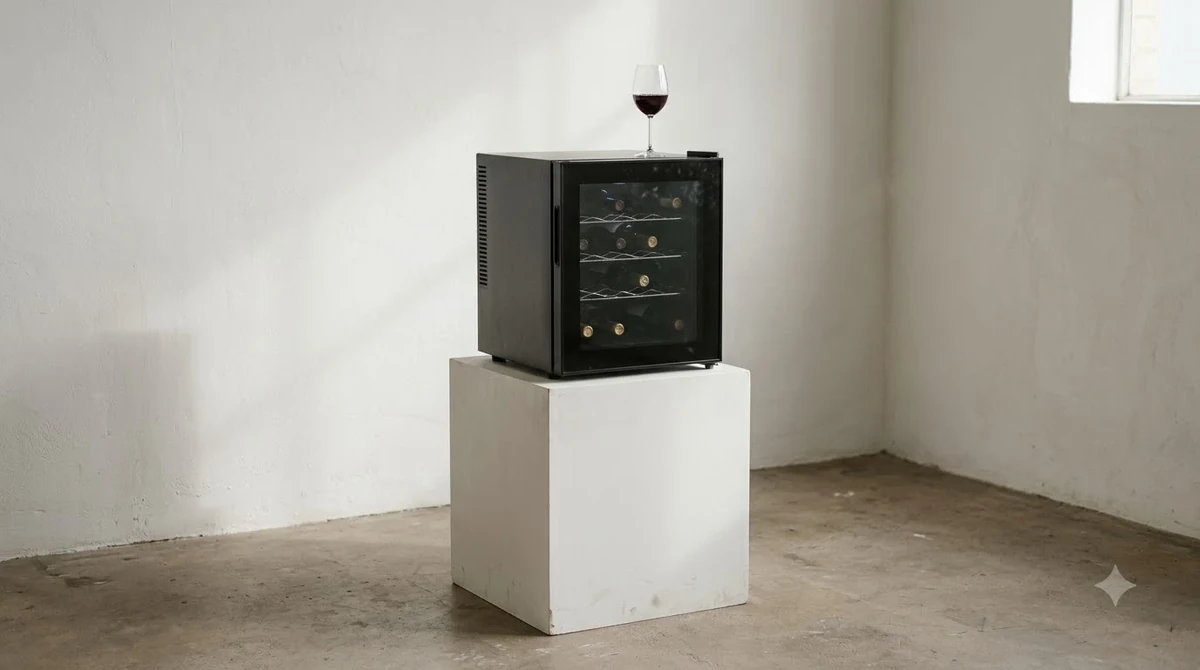
Measure the finished opening. The specified rough opening for the stainless glass door configuration is 24 inches wide, 34½ inches high, and 24 inches deep. The appliance itself measures approximately 23⅞ inches wide and 34¼ inches high. Even small differences in finished cabinet dimensions can create installation problems, so measurements should be taken after accounting for flooring and cabinetry construction.
Check the electrical connection. The manufacturer’s specification lists 115/60/1 electrical requirements, 1.9 amps, and an eight-foot power cord. The electrical connection is identified as NEMA-5-15R. The electrical outlet should be positioned according to the installation documentation and applicable local requirements rather than placed wherever it is easiest to reach.
Plan the door swing. Both right-hinged and left-hinged models are available. The dimension drawing identifies a 90-degree opening and approximately 46⅞ inches of overall space with the door open. Make sure adjacent cabinet doors, kitchen drawers, and walkways do not interfere with access.
Allow for proper handling. At approximately 190 pounds, the unit is not a lightweight appliance. Professional delivery and installation are sensible considerations, especially when moving it into a finished kitchen or an elevated installation area. The installer should follow the manufacturer’s instructions for positioning, leveling, and electrical connection.
Understand the warranty. The published stainless glass door specification lists three years of full parts-and-labor coverage, six years of sealed-system parts-and-labor coverage, and years seven through twelve of sealed-system parts-only coverage for registered products.
The distinction between parts-and-labor and parts-only coverage matters. A longer sealed-system warranty does not mean that every repair expense is covered for the entire period. Buyers should obtain the applicable written warranty and confirm registration requirements, exclusions, and service arrangements before completing the purchase.
Long-term ownership also involves ordinary cleaning and sensible loading. Stainless steel surfaces should be maintained with appropriate products, while the glass door can be cleaned using a soft, nonabrasive cloth. Shelves should be removed and reinstalled carefully when changing the interior arrangement.
Do not overload the interior simply to approach the advertised maximum capacity. A full cabinet may require more careful organization, and large bottles can reduce the space available for cans or other containers. Keeping the interior organized also makes it easier to find drinks without leaving the door open longer than necessary.
Energy use is another factor worth considering. The stainless glass door specification lists 311 kWh of annual consumption. This figure provides a basis for comparison with other appliances, although actual electricity use depends on operating conditions, ambient temperature, door-opening frequency, and installation circumstances.
Finally, confirm the precise configuration before ordering. True’s documentation identifies several beverage center variations, and their specifications should not be mixed together. A written confirmation of the model designation, hinge orientation, finish, warranty, and installation requirements can prevent avoidable problems after delivery.
Frequently Asked Questions
Can the True Residential beverage center be used outdoors?
Yes. The manufacturer’s specification identifies its undercounter models as UL rated for outdoor use. The installation location should still follow the exact model’s instructions and applicable environmental requirements. Outdoor exposure, surrounding temperatures, moisture, and placement can affect performance, so confirm the approved installation conditions before purchasing.
Does the True Residential beverage center have a Sabbath mode?
Yes. The manufacturer’s product specification identifies the TBC-24-R/L-SG-C as Sabbath mode compliant. The operating instructions explain the control combinations and functions associated with this setting. Buyers who require particular operating behavior should review the relevant instructions before installation.
Can the True beverage center accommodate larger wine bottles?
The manufacturer describes the wine racks as removable, which allows the interior to be reconfigured when bottle dimensions differ. Larger bottles can take up more room than standard 750 ml bottles, reducing the practical capacity. The actual fit depends on the bottle’s diameter, length, and the available shelf arrangement.
Does the beverage center have a door lock?
Yes. The manufacturer lists a standard lock on stainless steel models, including the stainless glass configuration. This can be useful in households where access needs to be restricted or where the beverage center is installed in a shared entertainment area. Keep the supplied keys in an accessible but secure location.
What refrigerant does the True Residential model use?
The manufacturer identifies R600a hydrocarbon refrigerant for the stainless glass door beverage center. This refrigerant is used in the appliance’s cooling system. Refrigerant-related servicing should be handled by appropriately qualified technicians rather than attempted as routine owner maintenance.
The True Residential beverage center is a compelling option for homeowners who want premium undercounter refrigeration with flexible mixed-beverage storage and distinctive styling. Its 5.6-cubic-foot interior, customizable lighting, and stainless construction make it particularly suitable for an integrated kitchen or entertaining area. Buyers who need independent temperature zones or substantial wine capacity should compare dedicated alternatives before committing, but households prioritizing design and everyday beverage access will find its feature combination appealing.
More in Model Reviews
 Magic Chef 44 Bottle Wine Cooler Review for Flexible StorageUpdated Nov 21, 2026
 Whynter 164 Bottle Wine Cooler Review: Capacity, Features, and FitUpdated Nov 21, 2026
 Insignia NS WC16BK6 Review: Compact 16-Bottle Wine StorageUpdated Nov 21, 2026
 Wine Enthusiast Electric Blue Omega Review: Opening, Pouring, and Preserving Made EasierUpdated Nov 21, 2026
 Koolatron 20 Bottle Wine Cooler Review: Features, Fit, and PerformanceUpdated Nov 21, 2026
 NewAir AWC 330E Review for Home Wine StorageUpdated Nov 21, 2026