

We may earn a commission when you buy through links on this page, at no extra cost to you. Learn more.
If you are wondering what does mourvedre taste like, expect a deeply pigmented, full-bodied red wine packed with blackberry, black plum, cracked black pepper, and a distinctive savory, roasted-meat aroma. Grown widely as Monastrell in Spain and Mataro in Australia and California, this thick-skinned grape produces dry reds with firm, grippy tannins and medium acidity. While young bottles deliver dark fruit and smoky spice, aged examples develop complex notes of leather, cocoa, dried herbs, and forest floor.
Mourvèdre is best known as the third pillar of the classic Southern Rhône GSM blend alongside Grenache and Syrah, where it supplies color, structure, and aging potential according to VinePair. Yet when bottled on its own or allowed to dominate a blend, it offers one of the most expressive, earthy profiles across Wine by Type.
What Is Mourvèdre?
Mourvèdre is a late-ripening black wine grape originating in eastern Spain—where it is called Monastrell—that thrives in hot, sun-drenched Mediterranean climates. Because its small, blue-black berries have very thick skins, the grape yields wines with high tannin levels, deep purple-black color, and concentrated flavor.
Historians trace the grape’s arrival in France back to Phoenician traders who carried vines from Spain across the Mediterranean centuries ago. By the sixteenth century, Mourvèdre had become a cornerstone of Southern French viticulture across Provence, Roussillon, and the Rhône Valley. Today, you will encounter the exact same grape under three main names depending on the bottle’s origin: Mourvèdre in France and much of the United States, Monastrell in Spain, and Mataro in Australia and historic California vineyards.
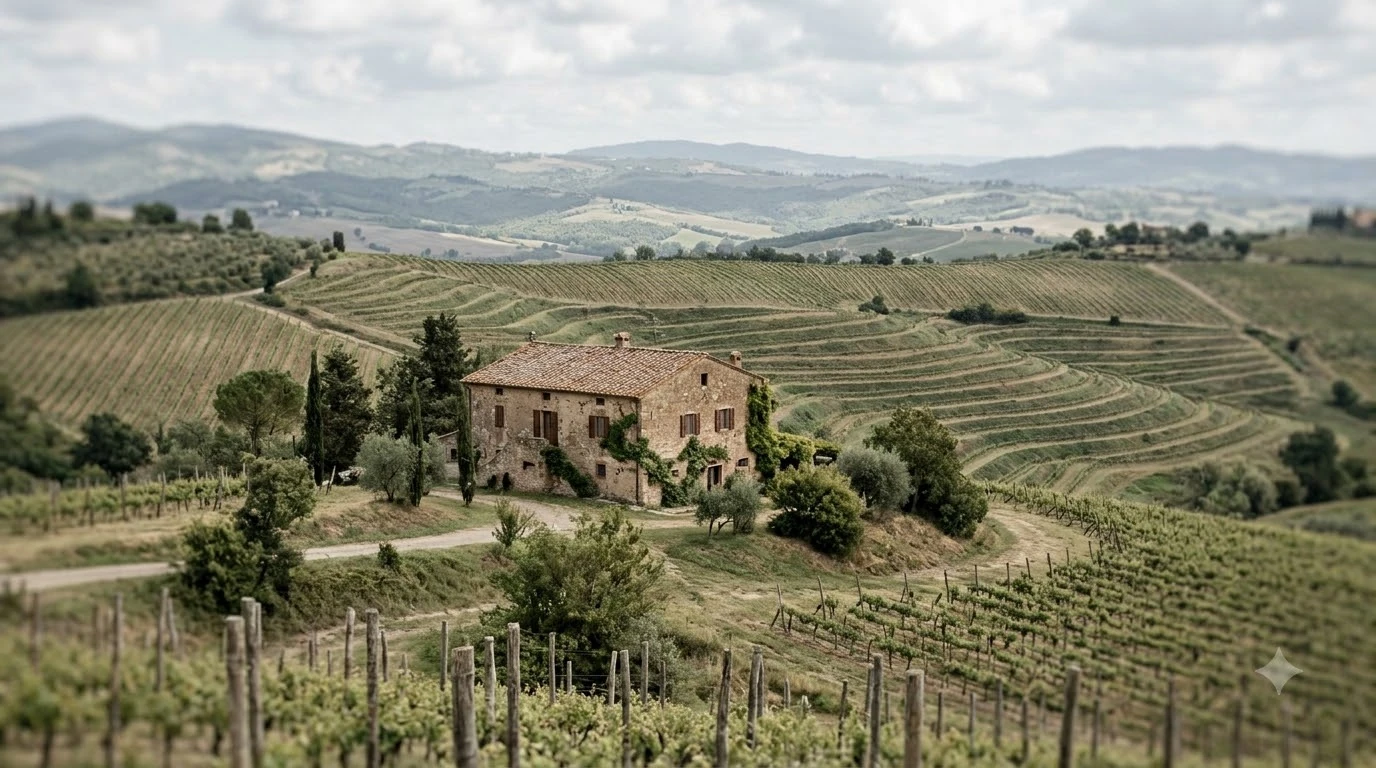
In the vineyard, Mourvèdre is notoriously demanding and sensitive to cool weather. It buds late and ripens very late in the autumn, meaning it requires steady warmth and abundant sunshine to avoid green, unripe flavors. At the same time, its deep roots give it solid drought tolerance, making it a natural fit for dry coastal hillsides and arid inland plateaus.
Flavor Profile and Wine Styles
A glass of Mourvèdre balances concentrated dark berry fruit against savory, rustic undertones that set it apart from sweeter, fruit-bomb reds. On the palate, it is almost always dry, full-bodied, and muscular, typically landing between 13.5% and 15% ABV with medium acidity and firm, chewy tannins.
Primary fruit flavors center on ripe blackberry, blueberry, black plum, and dark cherry, sometimes edging toward stewed prune in very warm vintages. What makes the grape memorable, however, is its non-fruit layer: freshly cracked black pepper, wild thyme, rosemary, violet, cocoa, and a savory note reminiscent of smoked or roasted meat. Sommeliers often point out that young bottles can display a slight earthy or gamey edge—sometimes linked to mild reduction during winemaking—that blows off with air to reveal pure fruit and spice.
While single-varietal dry reds showcase Mourvèdre at its boldest, winemakers also rely on the grape for two other distinct styles:
- GSM Blends: Combined with plush, red-fruited Grenache and spicy Syrah, Mourvèdre acts as the structural anchor, adding dark color, mid-palate weight, and firm tannins.
- Dry Rosé: Particularly in Provence, Mourvèdre brings crisp structure, subtle spice, and notes of strawberry, redcurrant, and white flowers to pale, gastronomic rosés.
Where Mourvèdre Grows Best
Because Mourvèdre needs intense heat and a long growing season to reach full ripeness, its best vineyards sit in warm, dry regions around the Mediterranean and select New World pockets. Even a small shift in soil or coastal breeze changes how ripe, fruity, or earthy the finished wine tastes.
In France, the coastal appellation of Bandol in Provence is widely considered the benchmark for varietal Mourvèdre. Local rules require red Bandol wines to contain at least 50% Mourvèdre—with many top estates using far higher percentages—grown on south-facing limestone terraces overlooking the sea. Further north in Châteauneuf-du-Pape and across Languedoc-Roussillon, the grape plays a vital supporting role in classic regional blends.
Spain actually holds the vast majority of the world’s plantings, centered in southeastern regions like Jumilla, Yecla, and Alicante. Here, old bush vines rooted in rocky, limestone-rich soils yield concentrated Monastrell with plush blackberry fruit, dark chocolate notes, and warm spice. Meanwhile, New World regions such as Paso Robles in California, the Texas Hill Country, and South Australia’s Barossa Valley and McLaren Vale produce riper, more immediately approachable bottles.
| Region | Local Name | Dominant Style | Key Tasting Notes |
|---|---|---|---|
| Bandol, France | Mourvèdre | Structured, age-worthy red (minimum 50% in blend) | Blackberry, leather, wild herbs, roasted meat, firm tannins |
| Jumilla & Yecla, Spain | Monastrell | Ripe, full-bodied single-varietal or oak-aged red | Black plum, blueberry, cocoa, sweet baking spice, smoke |
| Southern Rhône, France | Mourvèdre | Blending partner in GSM cuvées | Dark berry, cracked pepper, garrigue, earthy backbone |
| Barossa & McLaren Vale, Australia | Mataro / Mourvèdre | Plush varietal reds and GSM blends | Stewed plum, dark chocolate, licorice, clove, subtle mint |
| Paso Robles, California | Mourvèdre / Mataro | Sun-ripened varietal reds and Rhône-style blends | Ripe black cherry, blackberry jam, vanilla, black pepper |
How to Serve and Store Mourvèdre
Serving Mourvèdre slightly below room temperature and giving it plenty of air before pouring brings out its fruit purity while keeping high alcohol and firm tannins in check. Wine Folly recommends serving Monastrell and Mourvèdre between 60°F and 68°F (15°C to 20°C) in a large-bowled red wine glass.
If a bottle is served too warm—above 70°F—the alcohol can feel hot and overshadow the delicate floral and herbal aromatics. Chilling the bottle in the refrigerator for 20 to 30 minutes prior to opening hits the ideal cellar temperature window, sharpening the wine’s natural acidity and giving the tannins a cleaner, more refined grip.
Decanting is equally important, especially for young wines from Bandol or single-varietal Spanish Monastrell. Pouring the wine into a decanter 30 to 60 minutes before dinner—and up to two hours for youthful, tightly wound bottles—allows any initial savory reduction to dissipate while softening the dense tannic structure. While fruit-forward New World bottlings drink well within three to five years of release, structured Bandol reds can easily cellar for 10 to 20 years.
Tip: If a newly opened bottle smells slightly earthy or meaty right out of the gate, let it sit in a wide decanter for 45 minutes; oxygen quickly clears that youthful funk and brings forward ripe blackberry and violet aromas.
Best Food Pairings for Mourvèdre
Mourvèdre’s combination of grippy tannins, moderate acidity, and smoky, peppery depth makes it an ideal match for rich, slow-cooked, and savory dishes. Proteins and fats bind directly to the wine’s tannins, smoothing out its assertive edge and highlighting its dark fruit core.
Classic pairings lean heavily toward hearty meats seasoned with Mediterranean herbs and black pepper. Grilled lamb chops rubbed with rosemary and garlic, braised beef short ribs, slow-roasted pork shoulder, and smoky barbecue brisket all echo the wine’s natural roasted-meat character. Game dishes such as roast venison, duck confit, and wild boar ragù also harmonize effortlessly with aged bottles that have developed leather and truffle notes.
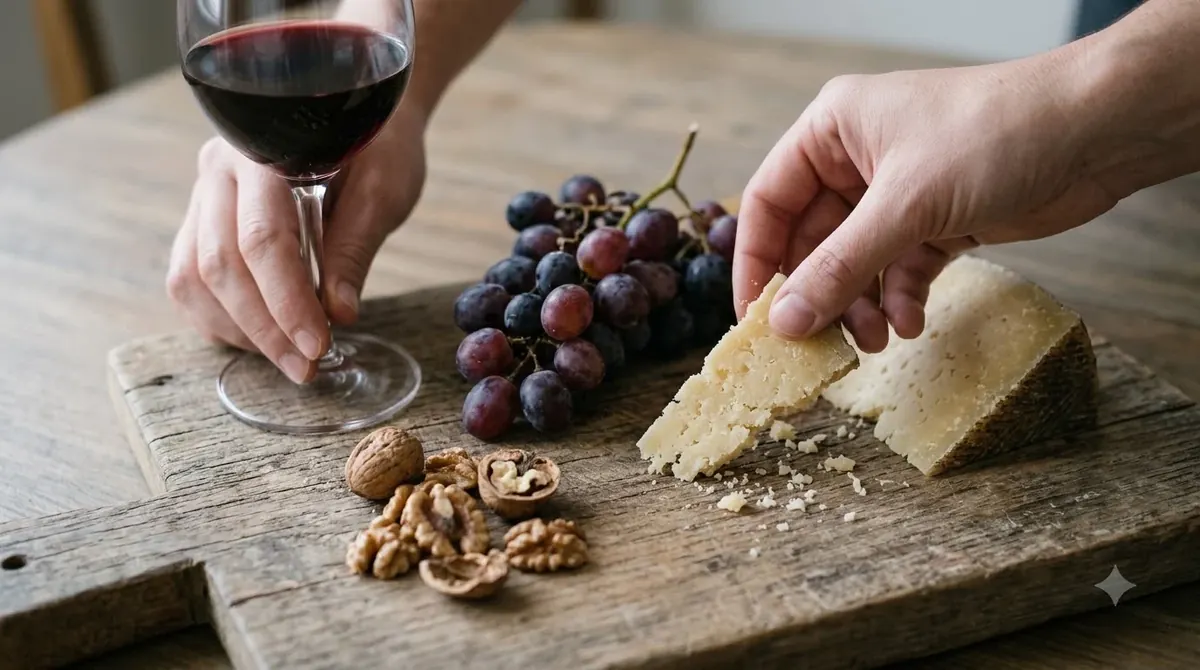
For plant-based meals or cheese boards, focus on umami-rich ingredients rather than light, delicate salads. Grilled portobello mushrooms, mushroom risotto with thyme, lentil stews, and roasted eggplant mirror Mourvèdre’s earthy complexity. At the end of a meal, hard aged cheeses like Spanish Manchego, Comté, or aged Gouda provide the salt and richness needed to balance a full-bodied pour.
How Mourvèdre Compares to Similar Red Wines
If you already enjoy full-bodied, structured reds, comparing Mourvèdre to familiar grapes makes it much easier to know when to reach for a bottle. While it shares dark fruit intensity with Cabernet Sauvignon and Syrah, its earthy, savory personality gives it a distinct identity at the table.
Compared to Cabernet Sauvignon, Mourvèdre trades notes of cassis, cedar, and green bell pepper for deeper blue-black fruit, cracked pepper, and wild game. Both varieties pack firm tannins and strong aging potential, though Mourvèdre tends to feel slightly softer in acidity and more rustic in its aromatics. Against Syrah, Mourvèdre is typically a touch darker, more tannic, and earthier, whereas Syrah often leans brighter in acidity with pronounced smoked bacon, olive, and violet notes.
If your palate usually gravitates toward lighter, higher-acid reds, exploring contrasting profiles can clarify where Mourvèdre sits on the spectrum. Wines like Italian Corvina—which you can read about in our guide on what does corvina taste like—offer bright sour cherry and lively acidity rather than heavy tannin, while aromatic whites like Chenin Blanc (see what does chenin blanc taste like) deliver crisp orchard fruit and brisk freshness at the opposite end of the wine list.
Frequently Asked Questions
Is Mourvèdre a dry or sweet red wine?
Mourvèdre is almost always vinified as a completely dry red wine. Because its ripe blackberry and plum flavors are rich and concentrated, some tasters perceive a hint of fruitiness on the mid-palate, but residual sugar is negligible. Its firm tannins and savory spice keep the finish crisp and dry.
Are Mourvèdre and Monastrell the exact same grape?
Yes, Mourvèdre and Monastrell are two names for the exact same black grape variety. It is known as Monastrell in its native Spain, Mourvèdre in France and across most of the United States, and Mataro in Australia and older California vineyards. While regional climates alter the wine’s ripeness and oak treatment, the underlying grape is genetically identical.
Why does Mourvèdre sometimes smell like meat or leather?
Mourvèdre naturally contains high levels of sulfur-containing aromatic compounds and phenolic ripeness that translate into savory, roasted-meat, and gamey notes. In young wines, this can occasionally stem from mild reduction in the cellar, which clears up after 30 to 60 minutes in a decanter. As bottles age over several years, those primary savory tones evolve into classic tertiary aromas of worn leather, truffle, and dried herbs.
Does Mourvèdre need to be decanted before drinking?
Decanting is strongly recommended for young, single-varietal Mourvèdre and structured blends like Bandol. Giving the wine 30 to 60 minutes of air softens its muscular tannins and allows tight, earthy aromas to open into layered dark fruit and floral notes. Lighter Mourvèdre rosés, however, do not need decanting and can be poured straight from the fridge.
Whether you explore it as the sturdy anchor in a Southern Rhône GSM blend or pour a single-varietal bottle of Spanish Monastrell, Mourvèdre rewards drinkers who appreciate bold structure and savory depth. Serve it slightly cool with a good decant alongside roasted or grilled dishes, and its dark berry richness and peppery complexity will shine.
More in Wine Types & Grapes
 Zinfandel Sugar Content: Dry Red vs. White Zinfandel GramsUpdated Nov 21, 2026
 Best Zinfandel Substitute Options for Sipping and CookingUpdated Nov 21, 2026
 Zweigelt Food Pairing: Best Dishes, Cheeses, and Serving TipsUpdated Nov 21, 2026
 Zinfandel Tannins Explained: How Structure Shapes Every BottleUpdated Nov 21, 2026
 Zinfandel Sweetness Level: Dry Red vs. Sweet White Zin ExplainedUpdated Nov 21, 2026
 Xinomavro Food Pairing: Best Dishes, Styles, and Serving TipsUpdated Nov 21, 2026