

We may earn a commission when you buy through links on this page, at no extra cost to you. Learn more.
If you are wondering what does fiano taste like, expect a dry, medium- to full-bodied Southern Italian white wine with a lush, almost waxy texture and bright acidity. Primary flavors include honeydew melon, Asian pear, orange peel, white flowers, and a signature toasted hazelnut and smoky mineral finish. Most bottles are fermented in stainless steel to preserve fresh aromatics while developing surprising weight and ageability.
Often overshadowed by lighter Italian whites like Pinot Grigio, Fiano offers a far more textural and layered experience in the glass. Whether you encounter a hillside bottling from Campania or a sun-drenched expression from Sicily, this ancient grape balances orchard fruit sweetness with savory, nutty tension.
What It Is
Fiano is an ancient white wine grape native to Southern Italy, most celebrated in the volcanic hills of Campania. Its name traces back to the Roman Vitis apiana, meaning “vine of the bees,” because honeybees were famously drawn to the sugar-rich berries at harvest.
Despite that sweet historical nickname, modern Fiano is almost always vinified into a crisp, dry table wine. According to Wine Folly, the grape produces a medium- to full-bodied white with zero tannins, lively acidity, and a distinct waxy mouthfeel that sets it apart from simpler aperitif wines.
Winemakers typically ferment and age Fiano in stainless steel tanks rather than new oak barrels. Keeping the wine away from heavy wood allows its natural aromatics, subtle smoke, and nutty complexity to shine without masking its regional character, making it a standout entry when exploring different wine types.
Flavor and Styles
The sensory profile of Fiano moves through distinct stages from the first sniff to the lingering aftertaste, combining fresh fruit, floral lift, and savory depth.
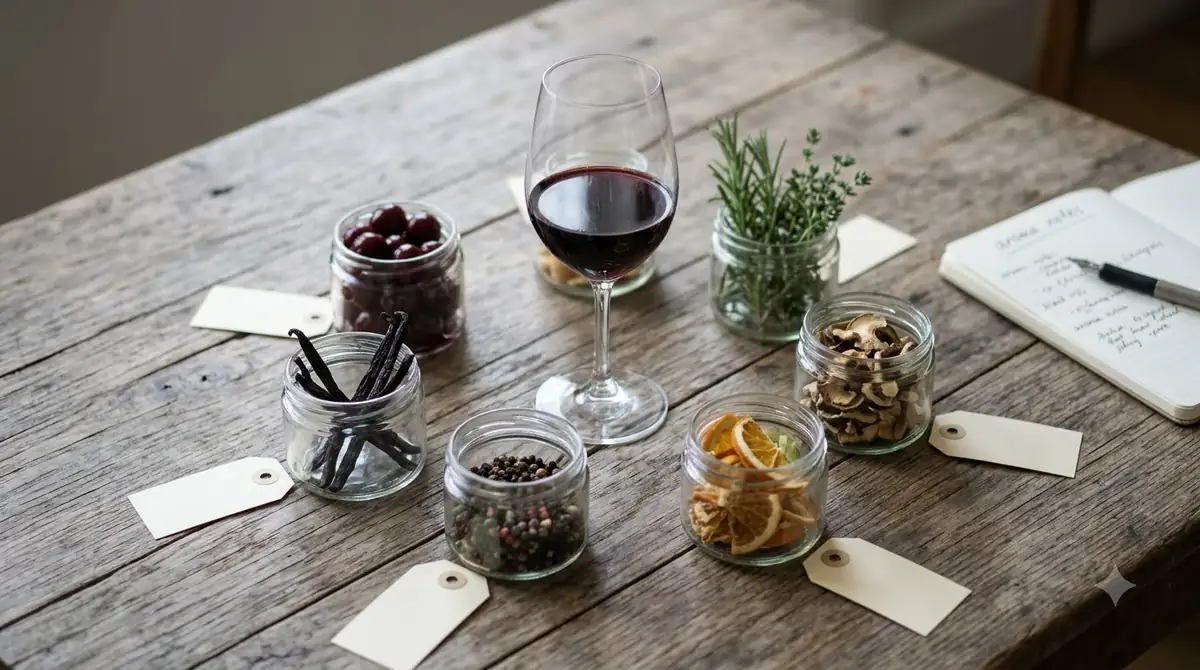
On the nose, young bottles open with fragrant white blossoms, honeysuckle, orange peel, and fresh-cut grass. As the wine hits the palate, juicy notes of honeydew melon, Asian pear, yellow apple, and tangerine take center stage, carried by a rounded, slightly oily texture that coats the mid-palate.
What truly defines Fiano happens on the finish, where fruit gives way to toasted hazelnut, raw almond, pine, and a flinty, smoky minerality. Reviewers at Wine Enthusiast note that high-altitude bottlings maintain prominent acidity that keeps this richness feeling energetic rather than heavy.
While stainless steel is the norm, extended lees aging—letting the wine rest on spent yeast cells—adds extra creaminess and brioche-like depth. Older vintages aged five to ten years in the bottle evolve dramatically, trading bright citrus for beeswax, acacia honey, dried herbs, and pronounced roasted nut character.
| Style or Age Stage | Dominant Aromas & Flavors | Texture & Body |
|---|---|---|
| Young Stainless-Steel Fiano (1–3 years) | Honeydew, Asian pear, lime zest, white flowers, fresh hazelnut | Medium-bodied, crisp, waxy mid-palate, stony finish |
| Lees-Aged / Single-Vineyard Fiano | Yellow apple, tangerine, almond paste, flinty smoke, wild herbs | Medium-plus to full-bodied, creamy, high persistence |
| Cellared Fiano (5–10+ years) | Beeswax, acacia honey, toasted hazelnut, dried chamomile, ginger | Rich, enveloping, savory, balanced by firm acidity |
Where It Grows
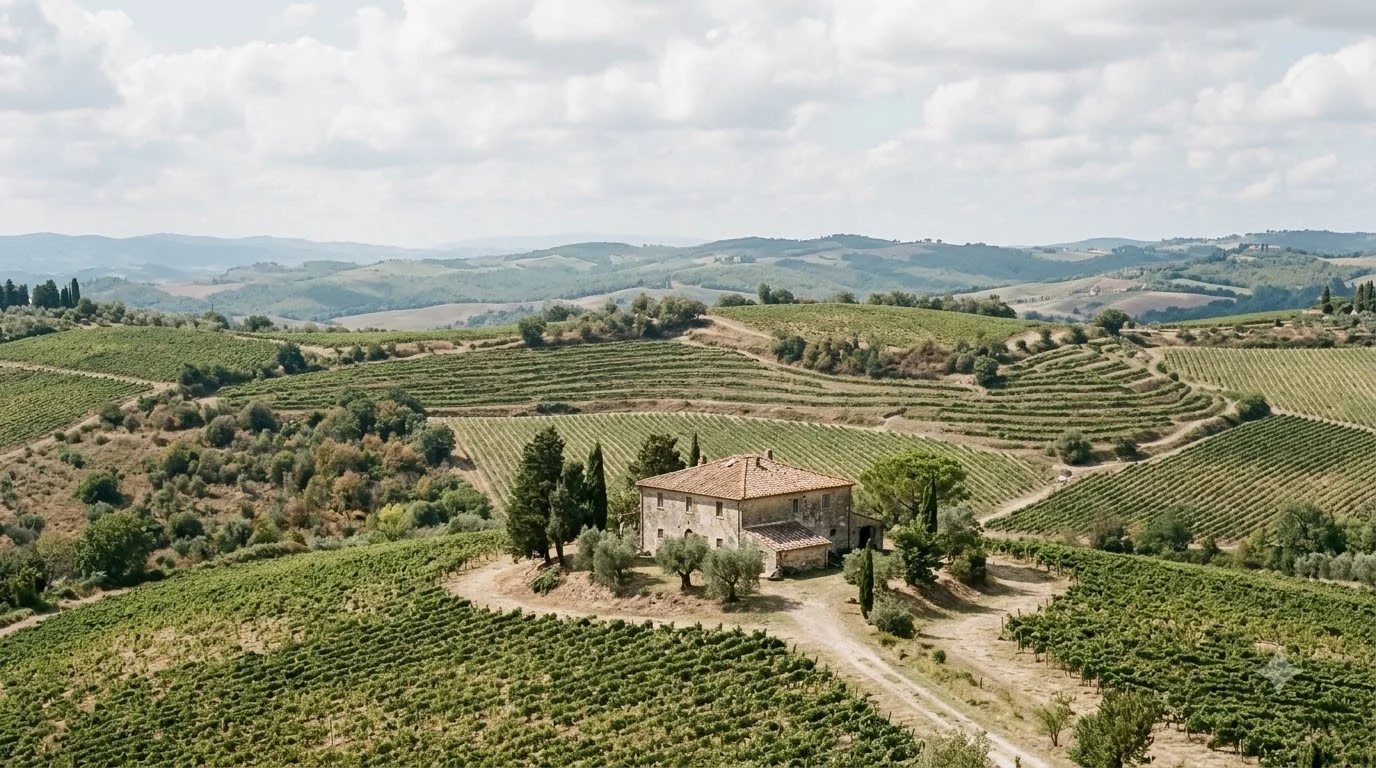
Campania’s inland province of Avellino is the spiritual home of Fiano, though the grape has found welcoming second homes across Southern Italy and Australia.
Inside Campania, the flagship appellation is Fiano di Avellino DOCG, located in the rugged, mountainous sub-region of Irpinia northeast of Naples. Vineyards sit at elevations between 250 and 650 meters on clay-calcareous and volcanic soils, where wide day-to-night temperature swings preserve sharp acidity while letting the grapes ripen slowly into October.
Further south in Puglia and on the island of Sicily, warmer Mediterranean climates push Fiano toward riper stone fruit, white peach, and broader, more saline expressions. Even in these hotter coastal zones, the grape retains its natural acidity better than most local white varieties, yielding generous, sun-kissed wines with a salty edge.
Outside Italy, Australian winemakers in regions such as McLaren Vale, Clare Valley, and the Adelaide Hills have championed Fiano since the early 2000s. Australian versions often emphasize bright citrus, tropical hints, and crisp orchard fruit while keeping the grape’s signature textural weight.
How to Serve
Serving Fiano at the right temperature and in proper stemware ensures its delicate floral notes and nutty finish stay in clear focus.
Chill the bottle to roughly 46°F to 54°F (8°C to 12°C), which takes about one to one-and-a-half hours in a standard refrigerator. Younger, lighter coastal styles taste liveliest near the cooler end of that range, while fuller-bodied, lees-aged Fiano di Avellino opens up best around 50°F to 54°F.
Avoid serving Fiano ice-cold straight from an ice bath, as temperatures near freezing mute its white-flower aromatics and flatten the hazelnut finish. Pour the wine into a medium-sized white wine glass with a slightly tapered rim to concentrate the bouquet, and consider giving single-vineyard or older vintages twenty minutes of air in the glass before your first sip.
Tip: If your bottle has been chilling in the fridge overnight, pull it out 15 to 20 minutes before pouring so the waxy texture and toasted nut notes can fully emerge.
Food Pairing
Fiano’s combination of palate weight, vibrant acidity, and savory nuttiness makes it one of the most adaptable white wines at the dinner table.
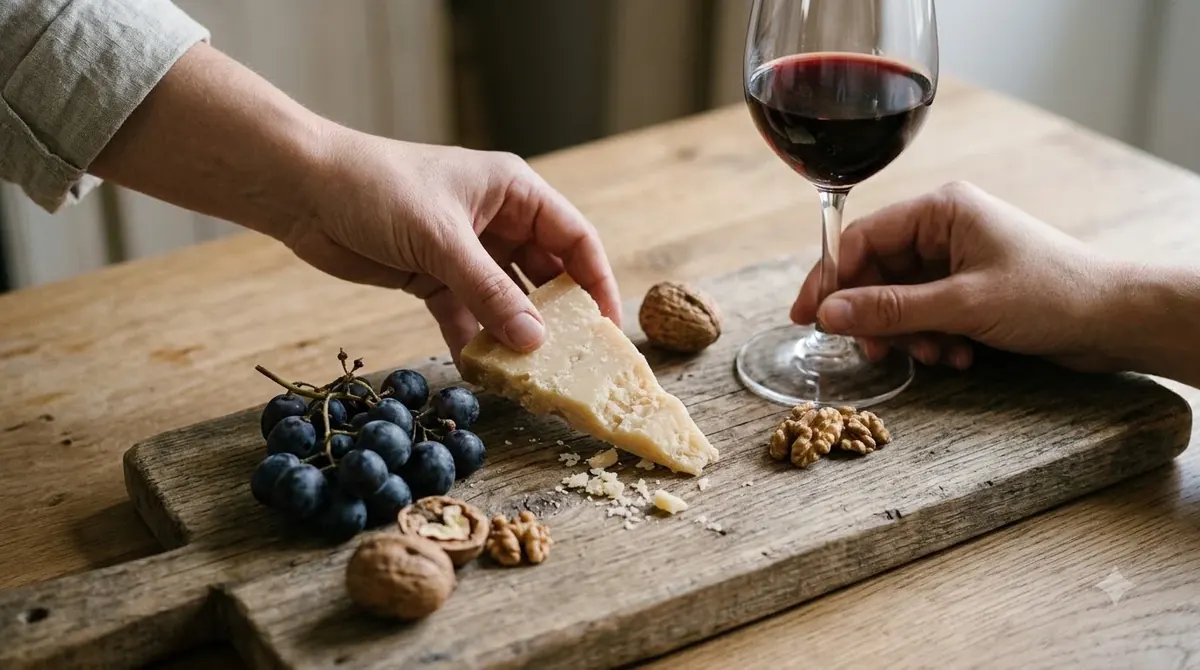
In its native Campania, locals pair Fiano with coastal seafood such as linguine with clams, mixed fried seafood, grilled sea bass with lemon and capers, and Neapolitan-style salt cod. The wine’s natural salinity mirrors briny shellfish, while its citrus and herbal lift cuts cleanly through olive oil and rich butter sauces.
Because Fiano carries more body than Sauvignon Blanc or Pinot Grigio, it stands up easily to white meats, creamy pasta, and vegetarian dishes. Roast chicken seasoned with rosemary and thyme, saffron or mushroom risotto, and fresh cheeses like burrata or young pecorino all harmonize with its earthy, hazelnut-driven finish.
Skip pairing Fiano with fiery chili-heavy dishes or overly sweet glazes, as its dry, mineral-bitter edge can amplify capsaicin heat. If you prefer crisp whites with higher orchard-fruit tension for lighter fare, compare its profile against what Chenin Blanc tastes like, whereas red wine fans looking for similarly bright Italian acidity can explore what Corvina tastes like.
How to Choose a Bottle
Navigating retail shelves for Fiano becomes straightforward once you know which regional designations and label terms signal your preferred style.
For the most structured, mineral-driven, and age-worthy expression, look for Fiano di Avellino DOCG on the front label. Historic producers in this zone—including Mastroberardino, Feudi di San Gregorio, Terredora, Villa Raiano, and Villa Matilde—craft bottlings that showcase volcanic tension and complex hazelnut depth.
If you want an approachable, fruit-forward bottle for casual weeknight sipping, seek out bottles labeled Campania IGT, Sannio DOC, or Terre Siciliane IGT. These wines typically spend less time on the lees and emphasize immediate melon, pear, and citrus freshness over smoky complexity.
Always check the vintage year when shopping. Bottles within one to three years of harvest deliver peak floral energy and crisp fruit, while finding a four- to seven-year-old bottle from a reputable Avellino producer offers a rare chance to taste Fiano’s honeyed, waxy maturity without cellaring it yourself.
Frequently Asked Questions
Is Fiano a sweet or dry white wine?
Fiano is almost always produced as a crisp, dry white wine with negligible residual sugar. Although ripe orchard fruit flavors like honeydew melon and pear can create a rich impression on the mid-palate, its bright acidity and nutty, mineral finish leave the mouth completely dry.
How does Fiano compare to Chardonnay or Pinot Grigio?
Fiano sits right between the two in weight, offering noticeably more body and waxy texture than light, zesty Pinot Grigio without relying on heavy oak aging like many Chardonnays. Instead of buttery vanilla notes, Fiano gets its richness from natural grape extract and lees aging, finishing with distinct hazelnut and smoky mineral accents.
Can you age Fiano wine?
Yes, high-quality Fiano di Avellino DOCG is among the most age-worthy white wines in Italy, capable of evolving for seven to ten years or longer in a cool cellar. Over time, its primary citrus and pear flavors transform into complex notes of beeswax, acacia honey, roasted hazelnuts, and dried herbs.
What is the typical alcohol level of Fiano?
Most dry Fiano wines range between 12.5% and 13.5% alcohol by volume, occasionally reaching 14% in warmer vintages or sun-drenched southern regions like Sicily. Even at the higher end of that range, the grape’s natural acidity keeps the wine feeling balanced and refreshing rather than hot.
From its ancient Campanian hillside vineyards to modern dinner tables, Fiano rewards anyone looking for a white wine with genuine texture and savory character. Pour a slightly chilled glass alongside seafood pasta, herb-roasted poultry, or aged cheese to experience how effortlessly its orchard fruit and toasted hazelnut finish come together.
More in Wine Types & Grapes
 Zinfandel Sugar Content: Dry Red vs. White Zinfandel GramsUpdated Nov 21, 2026
 Best Zinfandel Substitute Options for Sipping and CookingUpdated Nov 21, 2026
 Zweigelt Food Pairing: Best Dishes, Cheeses, and Serving TipsUpdated Nov 21, 2026
 Zinfandel Tannins Explained: How Structure Shapes Every BottleUpdated Nov 21, 2026
 Zinfandel Sweetness Level: Dry Red vs. Sweet White Zin ExplainedUpdated Nov 21, 2026
 Xinomavro Food Pairing: Best Dishes, Styles, and Serving TipsUpdated Nov 21, 2026