

We may earn a commission when you buy through links on this page, at no extra cost to you. Learn more.
If you are wondering what does cinsault taste like, it is a light-to-medium-bodied red wine defined by bright red fruit flavors like strawberry, raspberry, and red cherry, paired with soft tannins and refreshing acidity. Often compared to Pinot Noir or Gamay, this French-born grape also delivers subtle floral notes of violet alongside earthy hints of dried herbs and black tea. Because its skins are thin and low in harsh phenolic compounds, Cinsault produces supple, easy-drinking reds and crisp rosés rather than heavy, grippy wines.
Long treated as a supporting blending partner in the south of France, Cinsault has stepped into the spotlight as a compelling single-varietal wine. Whether bottled as a pale Provence rosé, a chilled summer red, or a nuanced old-vine expression from South Africa or Chile, it offers tremendous versatility at the dinner table. Understanding its flavor profile, regional styles, and serving preferences makes it much easier to pick a bottle that suits your palate.
What Is Cinsault?
Cinsault is an ancient red wine grape native to southern France, prized for its high yields, heat tolerance, and soft, aromatic fruit character. Historically used to soften tannic blends in regions like the Rhône Valley and Languedoc, it is now increasingly bottled on its own to showcase its delicate, red-fruited charm.
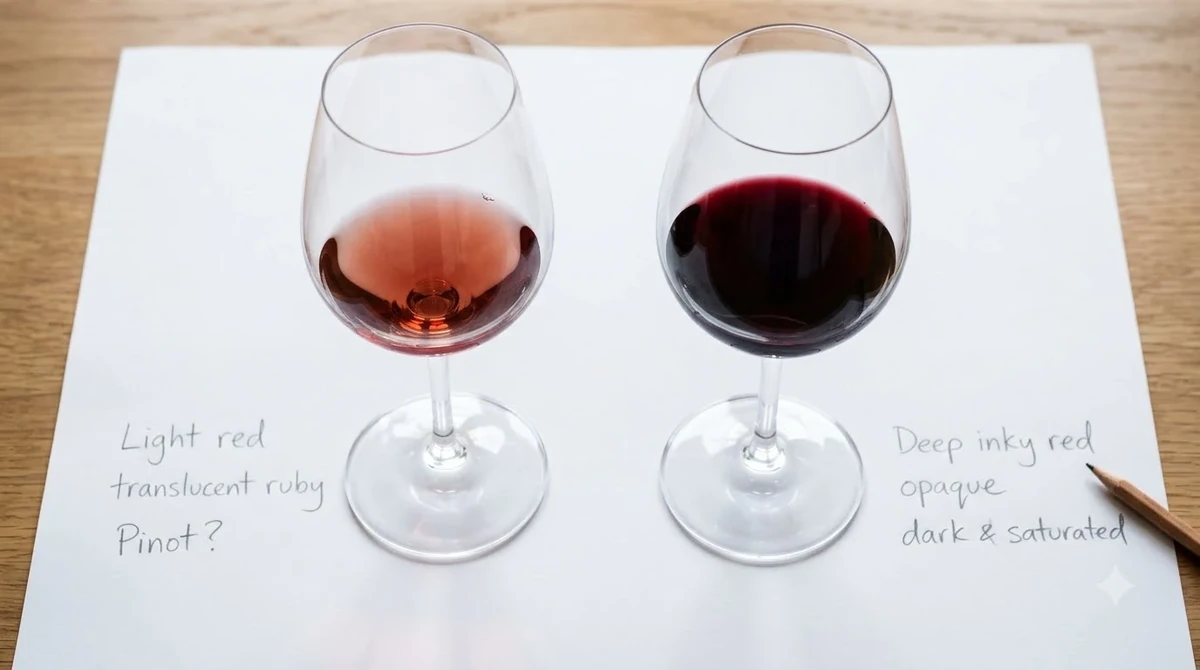
According to Wine Folly, Cinsault (also spelled Cinsaut) is one of the oldest grape varieties in southern France and serves as a crucial building block in classic Mediterranean blends. For decades, winemakers relied on it to temper the muscular tannins and high alcohol of Syrah, Grenache, and Mourvèdre. Its large, thin-skinned berries yield plenty of juice with relatively low pigment, resulting in wines that pour a translucent ruby or garnet rather than opaque purple.
Beyond its French roots, Cinsault holds a major place in modern wine genetics. In 1925, South African viticulturist Abraham Izak Perold crossed Pinot Noir with Cinsault—then known locally as Hermitage—to create Pinotage, South Africa’s signature red grape. While Pinotage inherited darker color and bolder structure, pure Cinsault retains a lighter, more fragrant personality that appeals to drinkers who explore lighter wine types.
Flavor Profile and Styles of Cinsault
Cinsault delivers a vibrant core of fresh red berries layered with floral aromatics, gentle baking spices, and savory herbal undertones. Its light-to-medium body, crisp acidity, and low-to-moderate tannins make it remarkably approachable across dry rosé, chilled red, and old-vine varietal styles.
On the nose, a glass of varietal Cinsault immediately greets you with crushed red strawberries, tart cranberries, and ripe raspberries. As the wine opens up, secondary aromas of candied violet, hibiscus, and rose petal emerge, accompanied by subtle savory notes of garrigue—the wild thyme, rosemary, and lavender scrubland of southern France. In bottles aged in neutral oak or concrete, you will often detect hints of cinnamon, white pepper, and dried orange peel rather than heavy vanilla or toast.
On the palate, Cinsault feels silky and energetic rather than dense. Because its tannins sit on the lower end of the spectrum, the wine glides smoothly across the tongue without leaving a drying, astringent grip. Its natural acidity keeps the bright berry fruit tasting fresh and juicy, finishing cleanly with a touch of crushed gravel or black tea leaf. If you enjoy the bright cherry lift and supple texture found when exploring what Corvina tastes like, Cinsault hits a very similar sweet spot of freshness and drinkability.
| Wine Style | Primary Flavors | Body & Structure | Typical ABV Range |
|---|---|---|---|
| Provence & Languedoc Rosé | Wild strawberry, white peach, watermelon, citrus zest | Light-bodied, bone-dry, brisk acidity, zero tannin | 12% to 13.5% |
| Young Single-Varietal Red | Fresh raspberry, red cherry, cranberry, violet | Light-bodied, low tannin, juicy and chillable | 12% to 13.5% |
| Old-Vine Varietal Red | Pomegranate, dried herbs, black tea, subtle spice | Medium-bodied, fine-grained tannins, earthy depth | 13% to 14.5% |
| Southern Rhône Red Blend | Red plum, strawberry jam, pepper, lavender | Medium-to-full-bodied, balanced by Grenache and Syrah | 13.5% to 15% |
Winemakers shape Cinsault into several distinct expressions depending on harvest timing and cellar choices. Early-picked grapes go into pale, salmon-hued rosés that emphasize citrus and delicate berry notes. When vinified as a red with whole-cluster fermentation or carbonic maceration, Cinsault takes on a playful, Beaujolais-like burst of bubblegum and juicy red fruit. Conversely, fruit harvested from gnarled, dry-farmed old vines produces concentrated, age-worthy reds with deeper mineral complexity and structured, dusty tannins.
Where Cinsault Grows Around the World
While southern France remains its ancestral heartland, Cinsault thrives in warm, sun-drenched wine regions across South Africa, Chile, Lebanon, and California. Each terroir leaves a distinct imprint on the grape’s aromatics, weight, and earthy complexity.
In France, Cinsault is widely planted across Languedoc-Roussillon, Provence, and the Southern Rhône Valley, including prestigious appellations like Châteauneuf-du-Pape and Gigondas. In Provence, it is a cornerstone grape for pale, crisp rosés, lending floral perfume and silky texture to blends alongside Grenache and Rolle. In the Languedoc, independent winemakers increasingly bottle single-varietal Cinsault from hillside vineyards, showcasing pure red fruit and stony minerality.
Outside Europe, South Africa and Chile have sparked a global renaissance for old-vine Cinsault. As noted by Decanter, South Africa’s Swartland and Darling regions harbor heritage bush vines planted in the mid-twentieth century that yield fragrant, nuanced reds with remarkable poise. Meanwhile, in Chile’s Itata and Maule valleys, century-old dry-farmed Cinsault vines rooted in granitic soils produce vibrant, smoky reds with bright acidity and rustic charm. Lebanon’s Bekaa Valley also relies heavily on Cinsault—most famously in Château Musar—where it brings aromatic lift and red-berry freshness to long-aged blends.
How to Serve Cinsault
Serving Cinsault slightly cooler than room temperature highlights its crisp acidity and fresh red fruit while keeping any alcohol warmth in check. Choosing a standard tulip-shaped glass helps concentrate its delicate floral and berry aromatics.

Temperature plays a major role in unlocking Cinsault’s best qualities. For rosé styles, serve the bottle well chilled between 45°F and 50°F straight from the refrigerator. For red Cinsault, aim for a cellar chill of 55°F to 60°F—roughly 20 to 30 minutes in the fridge before pouring. Serving red Cinsault too warm above 68°F can flatten its bright acidity and make the fruit taste jammy rather than lively.
Most young red and rosé Cinsault bottles are meant to be enjoyed within two to four years of vintage and do not require extended decanting. Simply pulling the cork 15 minutes before dinner allows any tight aromas to blow off. However, if you open an old-vine bottle from South Africa, Chile, or Lebanon, giving it 30 to 45 minutes in a decanter softens its fine-grained tannins and brings out complex notes of dried herbs, leather, and forest floor.
Tip: Keep a bottle of light-bodied red Cinsault in your refrigerator door for 25 minutes before serving; that slight chill sharpens its raspberry and cranberry snap and makes it ideal for warm-weather meals.
Food Pairings for Cinsault
Thanks to its moderate tannins, bright acidity, and savory herbal notes, Cinsault pairs effortlessly with a wide range of dishes from poultry and grilled fish to roasted vegetables and charcuterie. Its lighter frame avoids overpowering delicate ingredients while offering enough acidity to cut through rich sauces.
Red Cinsault shines alongside dishes that bridge the gap between white and red wine pairings. Roast chicken seasoned with thyme and lemon, herb-crusted pork tenderloin, and duck breast with a tart cherry glaze all echo the wine’s natural herbal and berry profile. Because its tannins are gentle, Cinsault is also one of the few red wines that pairs cleanly with meaty fish like grilled salmon, seared tuna, or ratatouille-topped cod without creating a metallic aftertaste.
For vegetarian meals and casual spreads, Cinsault handles earthy and lightly spiced flavors with ease. Try it with mushroom risotto, roasted beet salads with goat cheese, grilled eggplant, or a charcuterie board loaded with prosciutto, mild salami, and aged Gruyère. If you prefer crisp white wines with similar savory dishes, you can also compare how these flavors work alongside what Chenin Blanc tastes like, as both grapes share food-friendly acidity.
How to Choose a Great Bottle of Cinsault
Selecting a standout Cinsault comes down to checking the label for single-varietal bottling, old-vine designations, and moderate alcohol levels. Paying attention to regional cues helps you match the bottle’s weight and style to your occasion.
First, check whether Cinsault is listed as the primary grape on the front label or merely part of a larger blend. If you want to experience the grape’s pure, unadulterated flavor profile, look for 100% varietal bottlings from Languedoc, South Africa’s Swartland, or Chile’s Itata Valley. On South African and Chilean labels, terms like “Old Vine,” “Vieilles Vignes,” or “Bush Vine” signal low-yielding, deeply rooted plants that produce greater flavor concentration and mineral complexity.
Second, glance at the alcohol by volume (ABV) printed on the label as a quick guide to style. Bottles listing between 12% and 13.5% ABV typically lean toward a lighter, brisk, and red-fruited profile that takes well to a slight chill. Bottles between 13.5% and 14.5% ABV generally come from riper harvests or older vines, offering a fuller mid-palate, darker berry tones, and warmer spice—though still far lighter and fresher than a heavy, spiced winter drink like what mulled wine tastes like.
Frequently Asked Questions
Is Cinsault a sweet or dry wine?
Cinsault is almost always made as a completely dry wine, whether bottled as a pale rosé or a light-bodied red. Its ripe strawberry and raspberry aromas can give an impression of fruitiness on the nose, but there is virtually no residual sugar on the palate.
What wine is most similar to Cinsault?
Cinsault is most comparable to Pinot Noir and Gamay in weight, acidity, and red-fruit character. It shares Gamay’s juicy strawberry and raspberry brightness while offering the subtle floral lift and silky, low-tannin mouthfeel of a cool-climate Pinot Noir.
Should you chill Cinsault red wine?
Yes, light-to-medium-bodied red Cinsault tastes best when served slightly chilled between 55°F and 60°F. Placing the bottle in the refrigerator for about 25 minutes before pouring enhances its crisp acidity and keeps the red berry flavors vibrant and refreshing.
How do you pronounce Cinsault?
Cinsault is pronounced “san-soh,” with a soft nasal first syllable and a silent “l” and “t” at the end. You may also see it spelled “Cinsaut” without the “l” on certain French, South African, and American wine labels, which is pronounced the exact same way.
With its vibrant red berry flavors, gentle tannins, and refreshing acidity, Cinsault bridges the gap between crisp rosé and structured red wine. Whether you pour a chilled bottle from southern France on a warm evening or uncork an earthy old-vine expression from South Africa or Chile with dinner, it offers an approachable and endlessly food-friendly experience.
More in Wine Types & Grapes
 What Does Mourvèdre Taste Like? Flavor Profile, Regions, and PairingsUpdated Nov 20, 2026
 What Does Marsanne Taste Like? Flavors, Styles, and Food PairingsUpdated Nov 20, 2026
 What Does Malvasia Taste Like? Styles, Flavors, and Food PairingsUpdated Nov 20, 2026
 What Does Grenache Blanc Taste Like? Flavor Profile, Styles, and PairingsUpdated Nov 20, 2026
 What Does Garnacha Taste Like? Key Flavors, Styles, and Pairing TipsUpdated Nov 20, 2026
 What Does Fruit Wine Taste Like? A Complete Flavor and Style BreakdownUpdated Nov 20, 2026