

We may earn a commission when you buy through links on this page, at no extra cost to you. Learn more.
If you are wondering what does carignan taste like, expect a lively, medium-bodied red wine bursting with tart red fruits like dried cranberry and raspberry alongside savory notes of cured meat, dried herbs, and baking spices. Pronounced “care-in-yen,” this Mediterranean grape balances bright, mouth-watering acidity with medium-to-firm tannins and an earthy, slightly rustic edge. Depending on vine age and winemaking, it can range from juicy and light enough to rival Beaujolais to dark, concentrated, and deeply structured.
For decades, Carignan served quietly behind the scenes as a workhorse blending grape across southern France and northern Spain. Today, winemakers working with ancient, low-yielding bush vines have turned it into one of the wine world’s most expressive solo acts, offering tremendous character for the dinner table.
What It Is
Carignan is a dark-skinned, late-ripening red wine grape native to Spain—where it goes by Cariñena or Mazuelo—that found its largest historical footprint in southern France’s Languedoc-Roussillon region. Naturally vigorous and high-yielding, the vine spent much of the twentieth century producing bulk table wine, earning an unfair reputation for harsh tannins and thin flavors when overcropped.
Everything changes when the vines grow old and yields drop naturally. According to Wine Folly, mature Carignan vineyards produce concentrated fruit with a medium body, medium tannins, medium-high acidity, and alcohol levels typically sitting between 13.5 and 15 percent ABV. Thick grape skins give the wine a deep ruby-purple color, while natural acidity keeps the palate brisk rather than heavy.
Because it goes by different names around the globe, you may already have tasted Carignan without realizing it. In California, growers traditionally spell it Carignane with an “e” at the end, while winemakers on the Italian island of Sardinia bottle it as Carignano, and Spanish producers in Rioja rely on it as Mazuelo to bring color and backbone to Tempranillo blends.
Flavor and Styles
The signature flavor profile of Carignan centers on bright, tart red berries layered over earthy, savory undertones rather than jammy sweetness. On the nose and palate, you will commonly find dried cranberry, fresh raspberry, sour cherry, and pomegranate backed by dried Mediterranean herbs, black licorice, and a subtle hint of cured meat or leather.
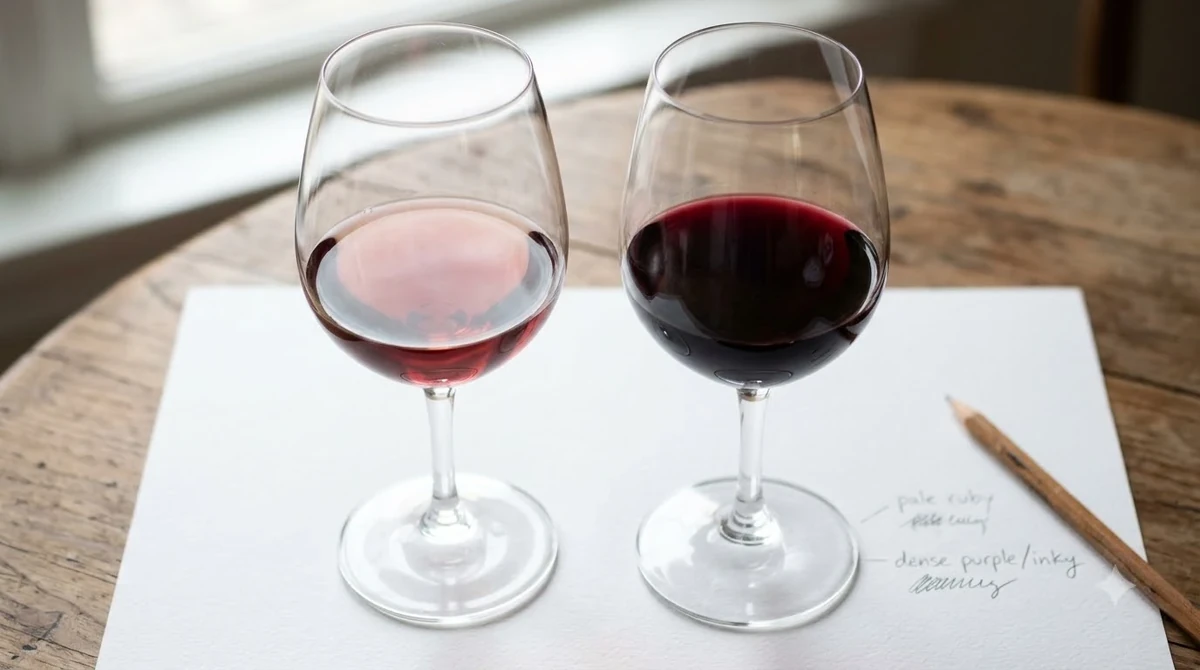
Winemaking choices split Carignan into two distinct stylistic camps. When producers use whole-cluster fermentation or carbonic maceration—techniques famous in Beaujolais—the resulting wine is crunchy, aromatic, and light on its feet, bursting with fresh red fruit and softer tannins. Sommeliers interviewed by VinePair often recommend these fresher styles to drinkers who love Gamay, noting that lighter bottlings can clock in around 12.5 percent ABV.
Traditional fermentation from old, dry-farmed bush vines creates a markedly deeper, more brooding experience. In these bottles, red fruit darkens toward black plum and blackberry, accompanied by tobacco leaf, crushed rock, and—when aged in oak barrels—warm baking spices like cinnamon, star anise, and cedar. If you enjoy exploring distinct red varieties across the Wine by Type spectrum, tasting a carbonic Carignan side by side with an old-vine reserve demonstrates just how dramatically cellar techniques shape a single grape.
| Style | Key Flavors | Body & Structure | Best Occasion |
|---|---|---|---|
| Carbonic / Whole-Cluster | Fresh raspberry, tart cranberry, pomegranate, white pepper | Light-to-medium body, bright acidity, low tannins | Casual weeknight dinners, pizza, slightly chilled patio sipping |
| Traditional Old-Vine | Dried cranberry, dark plum, cured meat, tobacco leaf, baking spice | Medium-to-full body, medium-high acidity, firm tannins | Slow-roasted meats, holiday feasts, hearty braises |
| Mediterranean Blend (GSM+) | Ripe red cherry, garrigue herbs, licorice, leather | Medium-to-full body, balanced acidity, supple grip | Grilled lamb, charcuterie boards, rustic stews |
Where It Grows
Carignan thrives in warm, dry, sun-baked Mediterranean climates where poor, rocky soils naturally restrict its vigorous growth and concentrate flavors in the berries. Because the grape buds and ripens late in the season, it requires plenty of autumn sunshine to reach full phenolic maturity without losing its hallmark acidity.
Southern France remains its spiritual heartland, particularly in the Languedoc-Roussillon appellations of Corbières, Minervois, Fitou, and Côtes Catalanes, where bush vines often exceed 50 to 70 years of age. Across the border in Spain, Carignan plays a starring role in the steep, slate-covered hills of Priorat and Montsant, adding structure and lifted acidity to Garnacha-based blends.
Beyond Europe, historic plantings thrive in two surprising corners of the Americas. In Chile’s Maule Valley, dry-farmed heritage vines planted after a major 1939 earthquake are producing intense, savory reds under the VIGNO growers’ collective. Meanwhile, California retains pockets of century-old Carignane in Mendocino County, Sonoma, and Contra Costa County, where sandy soils preserved pre-Prohibition vineyards.
How to Serve
Proper temperature and a little time in the decanter bring out Carignan’s best qualities while taming any youthful rustic edges. Serve standard and old-vine bottlings slightly below room temperature at 60 to 68 degrees Fahrenheit (15 to 20 degrees Celsius) in a universal wine glass so the fruit stays crisp and the alcohol never feels hot.
Giving the bottle air makes a noticeable difference, especially with traditionally made or old-vine wines. Upon first pulling the cork, Carignan can occasionally emit a pronounced meaty or savory aroma—a natural quirk of the grape that blows off with oxygen. Wine Folly suggests at least 30 minutes to an hour in a decanter before pouring, which softens the tannins and allows the cinnamon and red-berry notes to open up.
If you pick up a younger, carbonic-macerated Carignan from California or southern France, treat it much like a cru Beaujolais. A brief 15 to 20 minutes in the refrigerator brings the temperature down to around 55 to 60 degrees Fahrenheit, accentuating its snappy cranberry acidity and making it remarkably refreshing.
Tip: Decant traditional old-vine Carignan for 30 to 60 minutes before serving so its initial smoky, cured-meat aroma gives way to bright raspberry, cranberry, and warm baking spices.
Food Pairing
Carignan is widely celebrated by sommeliers as a quintessential food wine because its brisk acidity cuts through richness while its savory, spiced profile mirrors seasoned dishes. Unlike sweet, plush reds that can clash with herbs or tangy sauces, Carignan’s tart cranberry and cinnamon notes act like a built-in condiment on the plate.
Poultry and pork dishes seasoned with warm spices create an effortless match. Roast turkey with cranberry sauce, duck breast, pork shoulder rubbed with cumin and five-spice powder, and herb-crusted lamb all harmonize with the grape’s natural clove, star anise, and dried-herb undertones. The wine’s firm grip handles fatty proteins cleanly without ever feeling heavy.
Casual everyday meals and vegetarian plates also shine alongside a glass of Carignan. Tomato-based pasta sauces, wood-fired pizza, charred mushrooms, and lentil stews play directly to the grape’s high acidity and earthy umami character. For a cheese board, reach for nutty, aged varieties like Gouda, Manchego, or Parmesan rather than overly sweet blue cheeses.
How to Choose a Bottle
When shopping for Carignan, look for clues on the label that point toward low yields and intentional farming rather than mass production. Phrases like “Vieilles Vignes” (old vines) on French bottles, “Old Vine” on California labels, or “VIGNO” on Chilean releases indicate mature vineyards that naturally produce deeper, more complex fruit.
Pay attention to regional styling and alcohol levels to match your personal palate. If you prefer lighter, energetic reds similar to Gamay or Pinot Noir, seek out bottlings from Mendocino County or Languedoc labeled as carbonic or whole-cluster, which tend to sit closer to 12.5 to 13.5 percent ABV. If you gravitate toward Northern Rhône Syrah or structured Italian reds—much like drinkers exploring what does corvina taste like—look toward Priorat, Sardinia’s Carignano del Sulcis, or Maule Valley.
Most Carignan is crafted for immediate enjoyment within three to five years of vintage, though top old-vine bottlings can age gracefully for five to ten years. If your palate usually leans toward crisp, high-acid whites—similar to those wondering what does chenin blanc taste like—Carignan is one of the easiest red grapes to love because its lively acidity keeps every sip vibrant.
Frequently Asked Questions
Is Carignan a sweet or dry red wine?
Carignan is almost always made as a fully dry red wine with no residual sugar. While its ripe raspberry and cinnamon notes can give an impression of fruitiness on the mid-palate, its crisp acidity and savory, earthy finish keep it thoroughly dry.
How does Carignan compare to Cabernet Sauvignon or Merlot?
Compared to Cabernet Sauvignon, Carignan typically has lighter tannins, higher natural acidity, and brighter red-fruit flavors rather than heavy blackcurrant and oak. Against Merlot, Carignan feels zesty, more rustic, and distinctly more savory, trading plush softness for mouth-watering tension.
Should you chill Carignan before drinking it?
Yes, a light chill works wonders for Carignan. Aim for 60 to 68 degrees Fahrenheit for traditional and old-vine bottles, or chill lighter carbonic styles down to around 55 to 60 degrees Fahrenheit for 15 to 20 minutes in the fridge to highlight their crunchy cranberry freshness.
Why does Carignan sometimes smell like cured meat when first opened?
Carignan naturally contains aromatic compounds that can read as smoky, gamey, or reminiscent of cured meat right after the cork is pulled. Pouring the wine into a decanter for 30 to 60 minutes introduces oxygen, allowing those savory notes to settle into a balanced backdrop for red berries and baking spice.
Whether poured slightly chilled beside a Friday night pizza or decanted for a slow-roasted holiday centerpiece, Carignan rewards anyone looking for a food-friendly red with real personality. Keep an eye out for old-vine bottlings from France, Spain, Chile, or California next time you want bold flavor without heavy oak.
More in Wine Types & Grapes
 What Does Mourvèdre Taste Like? Flavor Profile, Regions, and PairingsUpdated Nov 20, 2026
 What Does Marsanne Taste Like? Flavors, Styles, and Food PairingsUpdated Nov 20, 2026
 What Does Malvasia Taste Like? Styles, Flavors, and Food PairingsUpdated Nov 20, 2026
 What Does Grenache Blanc Taste Like? Flavor Profile, Styles, and PairingsUpdated Nov 20, 2026
 What Does Garnacha Taste Like? Key Flavors, Styles, and Pairing TipsUpdated Nov 20, 2026
 What Does Fruit Wine Taste Like? A Complete Flavor and Style BreakdownUpdated Nov 20, 2026