

We may earn a commission when you buy through links on this page, at no extra cost to you. Learn more.
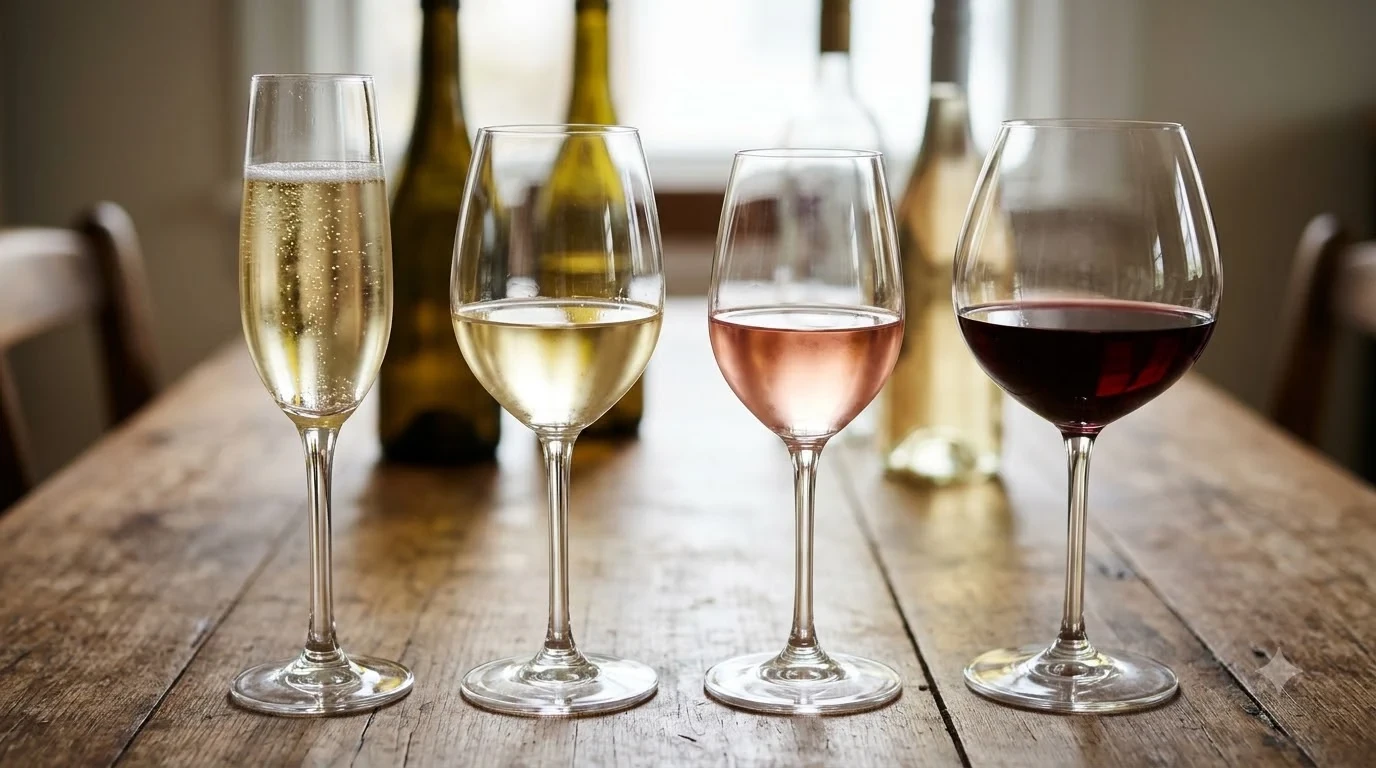
If you are wondering what does blackberry wine taste like, expect a deeply colored, fruit-forward pour bursting with ripe dark berries, gentle tartness, and noticeably softer tannins than traditional red grape wine. Depending on how the winemaker handles residual sugar, styles range from crisp, earthy dry table wines to plush, jammy dessert bottles. Most commercial American expressions sit between 10% and 11% ABV, though traditional fortified or Korean bokbunja styles can reach 15% to 19% ABV.
While wine lovers often hunt for blackberry notes inside classic reds like Syrah, Zinfandel, or Cabernet Sauvignon, true blackberry wine skips the vineyard altogether and ferments directly from crushed cane berries. The result is an unmistakable, pure-fruit experience that bridges the gap between a juicy wine by type exploration and a rustic orchard beverage, offering approachable acidity and a velvety finish without heavy oak or drying astringency.
What Is Blackberry Wine?
Blackberry wine is a non-grape fruit wine produced by fermenting the juice and pulp of ripe blackberries with wine yeast, water, and carefully measured sugar. Because blackberries naturally contain less fermentable sugar than wine grapes, winemakers adjust the initial must so the yeast can build a stable alcohol level and balanced body.
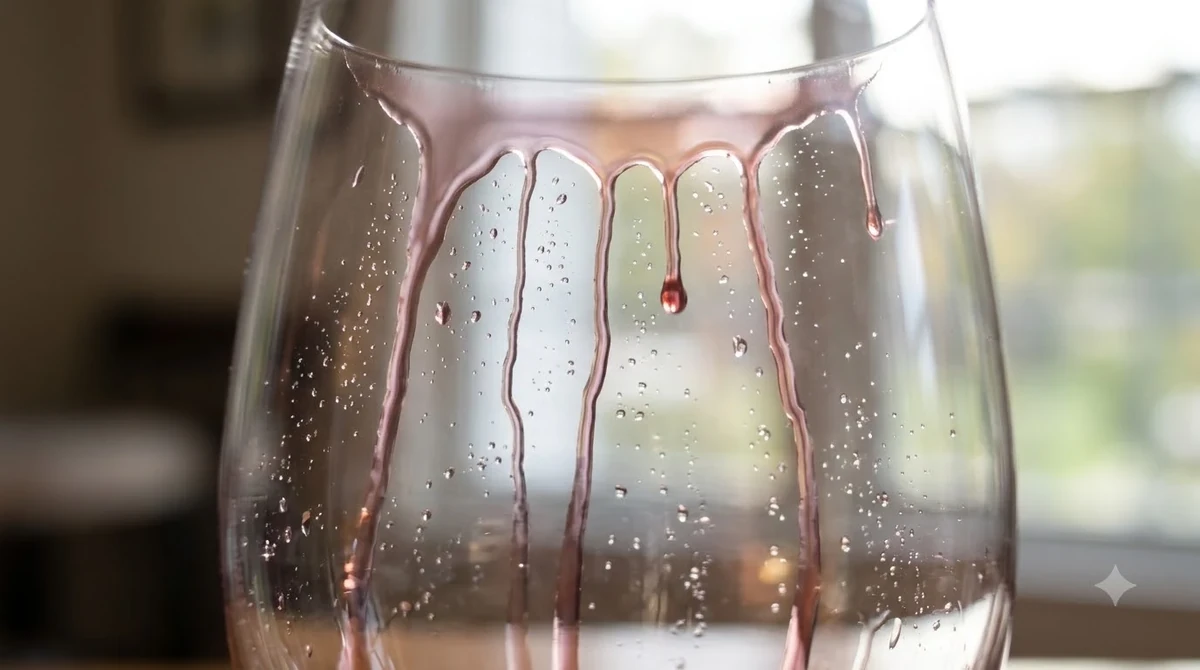
In traditional winemaking, ripe berries are crushed to release their deeply pigmented juice, which gets its intense purple-ruby hue from naturally occurring anthocyanins. According to Purple Toad Winery’s ingredient and research breakdown, authentic blackberry wine relies on real fruit or pure blackberry concentrate rather than synthetic flavorings, meaning the aroma and palate come directly from the berry’s natural esters and organic acids. Winemakers typically add a small amount of acid blend to brighten the mid-palate and sulfites to keep the fresh berry character stable in the bottle.
Because cane berries have thin skins and tiny seeds compared to thick-skinned red wine grapes, blackberry wine behaves differently during maceration. It extracts vibrant color and concentrated dark-fruit aromatics very quickly, yet it leaves behind far fewer bitter seed tannins. That structural difference is the primary reason even dry versions feel rounder and more immediately approachable on the tongue than young Cabernet Sauvignon or Nebbiolo.
Flavor Profile and Styles of Blackberry Wine
On the nose and palate, blackberry wine delivers concentrated notes of freshly picked brambleberries, dark plum, black currant, and subtle forest-floor earthiness. The exact tasting experience shifts dramatically based on fermentation length, berry varietal—such as aromatic Oregon Marionberries—and how much residual sugar remains at bottling.
Most people encounter blackberry wine in a semi-sweet or sweet style, where lingering fruit sugar amplifies the impression of warm blackberry jam, dark berry compote, and baked cobbler filling. Gentle natural acidity keeps these sweeter bottles from feeling heavy or syrupy, giving the finish a clean, juicy lift. Reviewers at specialty retailers note that lighter semi-sweet bottles around 10% ABV drink almost like a plush, low-tannin Merlot crossed with fresh berry nectar.
Dry and off-dry expressions tell a completely different story, leaning into tart cranberry-like brightness, wild bramble spice, and savory herbal undertones. As highlighted in Wine Enthusiast’s guide to modern fruit wines, a new wave of craft producers is fermenting non-grape wines to dryness to showcase genuine orchard acidity and food-friendly structure rather than masking the fruit behind heavy sugar. On the opposite end of the spectrum sit fortified dessert styles and Korean bokbunja ju, which carry higher alcohol between 15% and 19% ABV alongside rich, liqueur-like depth.
| Blackberry Wine Style | Sweetness Level | Typical ABV | Primary Tasting Notes | Body and Texture |
|---|---|---|---|---|
| Dry Craft Table Style | Dry to Off-Dry | 11% – 13% | Tart brambleberry, black currant, earthy herbs, subtle spice | Light-to-medium body, crisp acidity, whisper-soft tannins |
| Classic American Semi-Sweet | Semi-Sweet | 10% – 11% | Ripe blackberry jam, dark plum, soft floral lift | Medium body, smooth and velvety mouthfeel, gentle finish |
| Sweet Dessert / Kosher Style | Sweet | 10% – 12% | Concentrated berry preserves, candied dark fruit, honeyed notes | Plush, round texture with balanced tartness on the close |
| Bokbunja Ju / Fortified | Semi-Sweet to Sweet | 15% – 19% | Stewed blackberries, dark cocoa, warm baking spice | Full-bodied, rich, warming alcohol finish |
How Blackberry Wine Compares to Grape Wines
Comparing blackberry wine to familiar red and white grape varieties helps set realistic expectations before you pull the cork. While blackberry wine mimics the dark color of a full-bodied red, its structural blueprint shares surprising traits with aromatic, fruit-driven white and light red wines.
If you compare a semi-sweet blackberry wine to a structured red like Barolo or Napa Cabernet, the biggest difference is the lack of astringent grip. Traditional red grape wines rely on skin and seed tannins to create a drying sensation across your gums, whereas blackberry wine stays silky and smooth from start to finish. In terms of pure fruit intensity and juicy freshness, a dry blackberry wine feels closer to a chilled Beaujolais or a bright Corvina-based red than a heavy, oak-aged Cabernet.
Interestingly, the balance between natural sweetness and mouthwatering acidity in off-dry blackberry wine also mirrors aromatic white wines. Just as exploring what Chenin Blanc tastes like reveals how crisp acidity keeps honeyed orchard fruit lively, well-made blackberry wine uses tart berry acid to prevent residual sugar from tiring out your palate. When gently warmed with winter spices, its dark berry core even echoes the cozy profile described in what mulled wine tastes like.
Where Blackberry Wine Is Produced
Because blackberries thrive across temperate climates without requiring the narrow warmth bands of Vitis vinifera wine grapes, blackberry wine is produced across nearly every region of North America and Europe. In the United States, craft fruit wineries in the Pacific Northwest, Midwest, and Appalachian states lead the category using locally harvested berries.
Oregon’s Willamette Valley is particularly prized for Marion blackberries—a heritage cultivar bred for intense aromatics, complex tart-sweet balance, and deep purple juice. Winemakers in Indiana, Missouri, Kentucky, New York, and Texas also bottle widely distributed regional blackberry wines, often drawing on abundant wild or cultivated cane berries harvested at peak summer ripeness. In New York’s Finger Lakes region, legacy producers like Bully Hill Vineyards and historic kosher wineries have made sweet blackberry wine a staple of American grocery and wine shop shelves for decades.
Beyond North America, blackberry winemaking holds deep roots in Eastern Europe, the UK countryside, and East Asia. Armenia produces wild-harvested blackberry wines grown in high-altitude volcanic soils that show pronounced dark plum and violet aromatics, while South Korea’s Gochang County is famous for bokbunja ju, fermented from native Korean black raspberries and blackberries.
How to Serve and Store Blackberry Wine
Serving temperature plays a major role in how balanced blackberry wine tastes in the glass. Because most bottlings carry noticeable residual sugar and low tannin, serving them too warm can make the fruit feel flat or overly jammy.
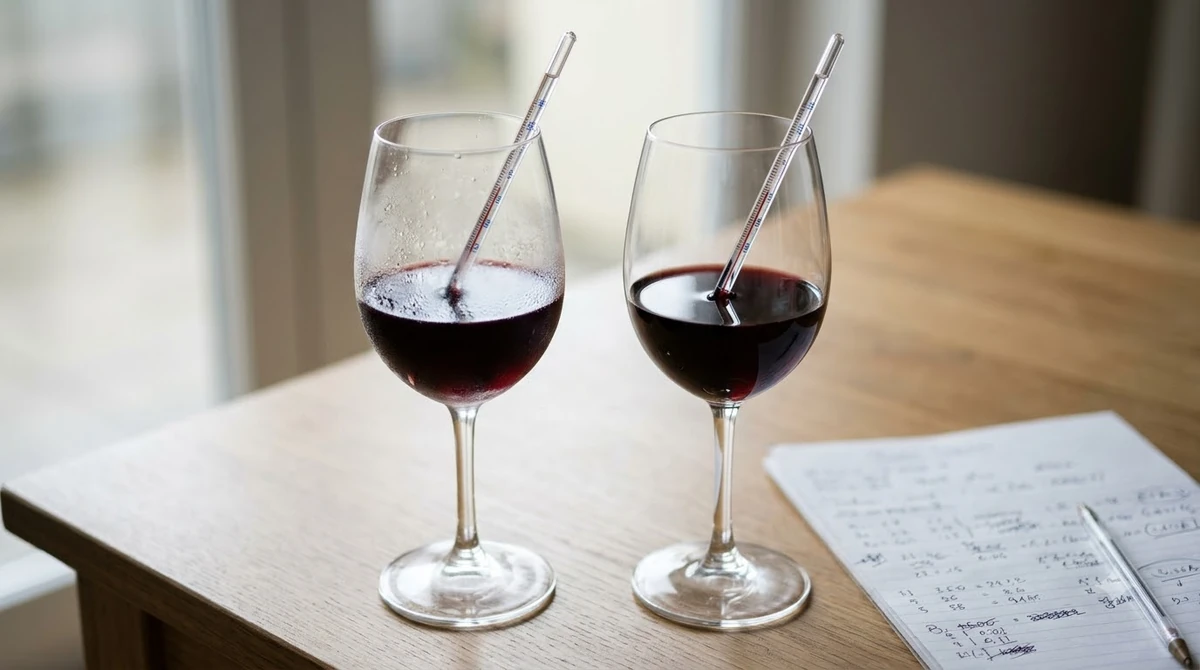
Chill semi-sweet and sweet blackberry wines in the refrigerator before pouring, aiming for a serving range of 40°F to 45°F for sweet dessert styles and 45°F to 50°F for semi-sweet bottles. Cooler temperatures sharpen the berry acidity and keep the finish crisp and refreshing. If you are pouring a drier, fuller-bodied craft blackberry wine alongside dinner, let it warm slightly to cellar temperature—around 55°F to 60°F—so its earthy, herbal aromatics can open up.
Tip: Skip the decanter and serve blackberry wine in a standard white wine glass to preserve its bright, fresh-picked berry aromatics and keep the pour cool.
Unlike age-worthy Bordeaux or Napa reds, blackberry wine is crafted to be enjoyed young while its primary fruit aromas are at their brightest. Store unopened bottles upright or on their sides in a cool, dark cabinet away from direct sunlight and kitchen heat. Once opened, re-cork the bottle tightly and keep it in the refrigerator, where it will stay fresh and flavorful for three to five days.
Best Food Pairings for Blackberry Wine
Blackberry wine is remarkably versatile at the dinner table once you match its sweetness level to the weight and seasoning of your food. The classic sommelier rules of pairing—either echoing shared fruit flavors or using sweetness to tame salt and spice—work effortlessly here.
For semi-sweet and sweet blackberry wines, rich desserts and creamy cheeses are natural partners. Dark chocolate brownies, flourless chocolate torte, and New York cheesecake topped with berry compote mirror the wine’s lush dark-fruit core without letting the dessert taste more bitter than the drink. On the savory side, salty blue cheeses, baked brie, or creamy goat cheese on crackers create an addictive sweet-and-salty contrast, while spicy barbecue ribs or buffalo wings benefit from the wine’s cooling fruit sweetness.
Dry and off-dry blackberry wines shine alongside roasted meats and earthy autumn dishes. The tart brambleberry acidity cuts cleanly through the richness of roast duck, pork tenderloin with herb glaze, grilled venison, or wild mushroom risotto, functioning much like a savory fruit reduction sauce right in your glass.
How to Choose a Quality Bottle
Walking down the fruit wine aisle can be tricky because labels rarely use standardized sweetness scales, and quality varies widely between bulk-produced sweetened wines and craft pure-fruit fermentations. Checking a few key details on the back label will steer you straight to the style you actually want to drink.
Start by looking for phrasing that confirms the bottle is fermented from 100% blackberries or pure blackberry juice rather than neutral white grape wine flavored with berry syrup. Grape-based blends tend to taste lighter and more like candy, whereas pure blackberry wines deliver deeper color, richer mid-palate texture, and authentic seed-and-skin complexity. Next, check the ABV and producer tasting notes: bottles around 10% ABV almost always lean noticeably sweet, while bottles between 11.5% and 13% ABV with terms like “dry,” “table wine,” or “tart” signal a crisper, food-friendly profile.
Frequently Asked Questions
Is blackberry wine always sweet?
No, blackberry wine is not always sweet, although semi-sweet and sweet styles are the most common on retail shelves. Many craft wineries ferment blackberries completely dry, producing a crisp, medium-bodied wine with tart dark-berry flavors and earthy notes similar to a light red grape wine.
Does blackberry wine taste like regular red wine?
It shares the deep purple color and dark-fruit aromas of reds like Merlot or Malbec, but it tastes much fruitier and smoother. Because blackberries have far fewer tannins than red wine grapes, blackberry wine lacks the dry, mouth-puckering grip you get from Cabernet Sauvignon.
Should you chill blackberry wine before drinking it?
Yes, most blackberry wines taste best served chilled between 40°F and 50°F. Cool temperatures brighten the natural berry acidity and keep sweeter bottles from tasting syrupy, though dry craft styles can be served slightly warmer at cellar temperature.
Can you use blackberry wine in cocktails or cooking?
Yes, blackberry wine works well both behind the bar and in the kitchen. You can splash chilled semi-sweet blackberry wine into dry sparkling wine for a berry twist on a Kir Royale, or simmer a drier bottle with shallots and stock to make a glossy pan sauce for pork or duck.
Whether you pour a chilled glass of semi-sweet Marionberry wine alongside dark chocolate or uncork a dry craft bottle for roast pork, blackberry wine rewards curious drinkers with pure, expressive dark-berry character. Pay attention to the sweetness cues on the label and chill the bottle properly before serving, and you will get the exact balance of juicy fruit and crisp acidity you are looking for.
More in Wine Types & Grapes
 What Does Mourvèdre Taste Like? Flavor Profile, Regions, and PairingsUpdated Nov 20, 2026
 What Does Marsanne Taste Like? Flavors, Styles, and Food PairingsUpdated Nov 20, 2026
 What Does Malvasia Taste Like? Styles, Flavors, and Food PairingsUpdated Nov 20, 2026
 What Does Grenache Blanc Taste Like? Flavor Profile, Styles, and PairingsUpdated Nov 20, 2026
 What Does Garnacha Taste Like? Key Flavors, Styles, and Pairing TipsUpdated Nov 20, 2026
 What Does Fruit Wine Taste Like? A Complete Flavor and Style BreakdownUpdated Nov 20, 2026