

We may earn a commission when you buy through links on this page, at no extra cost to you. Learn more.
The frigidaire 8 bottle wine fridge is a compact storage option for people who want to keep a small wine collection chilled without dedicating floor space to a full-size cellar. Its appeal comes from an eight-bottle capacity, electronic temperature controls, interior lighting, and a relatively narrow footprint. However, buyers should distinguish between Frigidaire’s FFWC08L1QB and FWC084HM models, check availability carefully, and understand that neither an eight-bottle rating nor an adjustable thermostat guarantees that every bottle will fit or reach its ideal serving temperature.
A small wine refrigerator can be useful for keeping a few everyday bottles ready for dinner, entertaining, or weekend cocktails. Frigidaire has sold more than one compact eight-bottle configuration, including a black freestanding model and a silver version, so identifying the exact model is an important part of evaluating its features. This review examines the available specifications, owner feedback, practical limitations, and the situations in which a compact Frigidaire cooler makes sense.
Specs and Key Features
The Frigidaire eight-bottle concept is designed around convenience rather than extensive wine collecting. The FFWC08L1QB offers a narrow freestanding design, four shelves, electronic temperature adjustment, and an illuminated interior, while the separate FWC084HM has its own documented owner-feedback history.
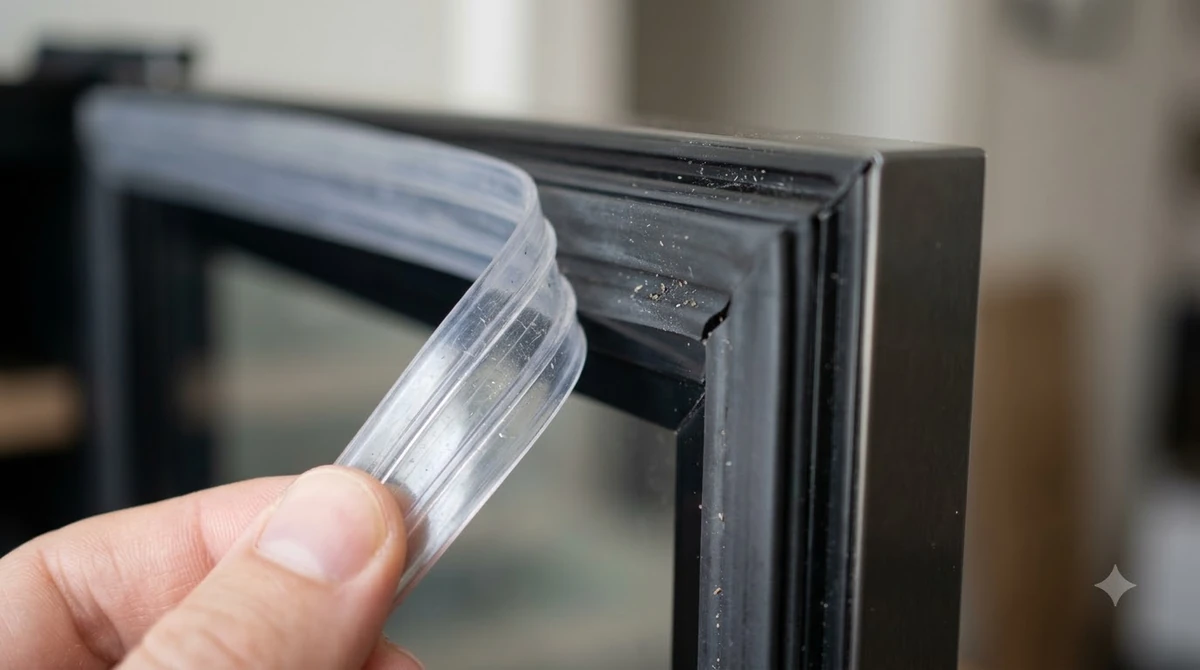
The FFWC08L1QB is the clearest reference point for evaluating the black eight-bottle configuration. According to Lowe’s product specifications, it measures 18.25 inches high, 10 inches wide, and 20.37 inches deep. Those measurements make it an interesting option for a small kitchen, apartment bar, or compact entertainment area. However, its depth is important: a narrow width does not mean it will fit every shallow countertop or cabinet.
| Specification | FFWC08L1QB | FWC084HM |
|---|---|---|
| Rated capacity | 8 bottles | 8 bottles |
| Exterior finish | Black | Silver |
| Dimensions | 18.25 x 10 x 20.37 inches | Not established by the reviewed listing |
| Shelves | 4 | Not established by the reviewed listing |
| Temperature adjustment | Electronic controls and LED display | Digital controls; 46–66°F reported in Best Buy Q&A |
| Interior lighting | Yes | Reported by customer feedback |
| Door | See-through, non-reversible | Silver cooler configuration |
| Cooling zones | Single zone | Not established by the reviewed listing |
| Warranty | 1 year parts and labor | Confirm documentation for the individual unit |
| Availability | Discontinued | Listed as unavailable in new condition |
One important distinction concerns temperature specifications. Best Buy’s customer Q&A for the FWC084HM identifies a selectable range of 46°F to 66°F. That information should not automatically be applied to the FFWC08L1QB. The reviewed Lowe’s listing confirms electronic temperature controls for the black model but does not establish an identical operating range.
The official Frigidaire product-support page identifies the FFWC08L1QB as discontinued. It lists a one-year parts warranty and a one-year labor warranty, but buyers purchasing an older or secondhand appliance should not assume that an original warranty transfers or remains valid. The distinction between advertised specifications and the condition of an individual used unit matters considerably.
For additional product documentation, Frigidaire provides a product-support page for the FFWC08L1QB. It is a useful starting point for confirming the model identity and checking the manufacturer’s available support information.
What Owners Like
Owner feedback points to three recurring advantages of Frigidaire’s compact eight-bottle wine coolers: space-saving proportions, convenient temperature adjustment, and relatively unobtrusive operation. These qualities make the format attractive for households that want a dedicated place for a handful of bottles rather than a large appliance.
The silver FWC084HM has a substantial customer-feedback record at Best Buy. Its listing displays 524 reviews, a 4.4-out-of-5 customer rating, and a 91% recommendation figure. These numbers describe the reviewed FWC084HM, not the black FFWC08L1QB, and should not be combined into one rating for every Frigidaire eight-bottle model.
Size is a particularly common positive theme. Best Buy identifies size as a frequently mentioned favorable feature, with temperature control and noise level also appearing among the main positive topics. Owners describe the unit as convenient for countertop placement and appreciate being able to keep several bottles together in a dedicated cooling space.
For a small household, this convenience can be more important than a large storage capacity. A collection containing a Sauvignon Blanc, Chardonnay, Pinot Noir, sparkling wine, and a few additional bottles does not necessarily need a large refrigerator. A compact cooler can provide a dedicated storage location without filling a pantry or taking over a kitchen.
Convenient temperature adjustment
Adjustable temperature controls are another meaningful advantage. A dedicated wine cooler gives owners more control than simply placing bottles in an ordinary refrigerator, where the temperature is generally selected for food storage rather than wine service.
For the FWC084HM, Best Buy’s customer Q&A identifies a 46°F-to-66°F adjustment range. That range offers flexibility for different drinking preferences, although the selected temperature should reflect the type of wine being stored and served. Light whites and rosé generally benefit from serving temperatures around 45°F to 50°F, while full-bodied whites are commonly served around 50°F to 55°F.
The ability to adjust the setting is also helpful when a household regularly changes the kinds of bottles it keeps available. Someone who mostly drinks Sauvignon Blanc may prefer a cooler setting than someone who frequently serves Chardonnay. The important point is that an adjustable control gives more flexibility than a fixed-temperature wine chiller.
Useful interior presentation
The black FFWC08L1QB has a see-through door and interior lighting, according to Lowe’s specifications. These features make it easier to identify a bottle without opening the refrigerator and inspecting every shelf.
Interior lighting is especially practical when the appliance sits in a bar area or entertainment space. A visible display of bottles can also make a small collection easier to organize. Owners who appreciate the appearance of their wine selection may find this more attractive than keeping bottles inside an opaque kitchen refrigerator.
The compact format also encourages a more deliberate collection. Rather than accumulating bottles without a storage plan, owners can reserve the available spaces for wines they expect to drink soon. This works particularly well for everyday whites, rosé, sparkling wines, and lighter reds that benefit from controlled serving temperatures.
Common Complaints
The main concerns surrounding Frigidaire’s eight-bottle coolers involve bottle compatibility, cooling consistency, and long-term reliability. The rated capacity is useful, but practical storage depends on the shape of the bottles and the condition of the refrigeration system.
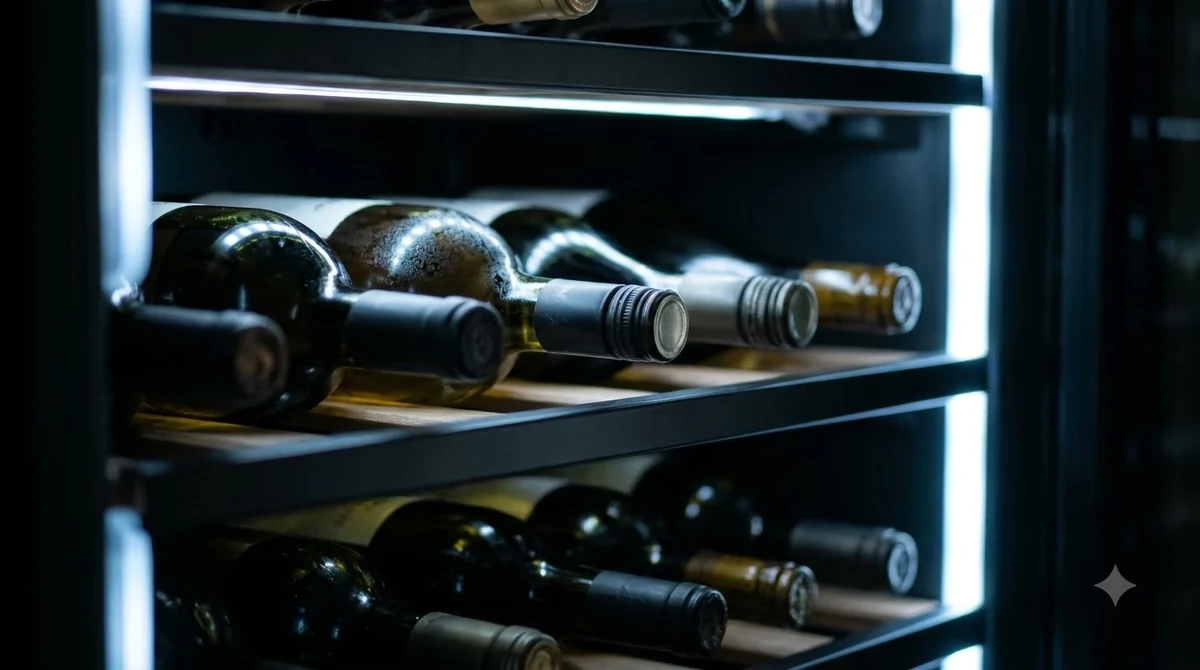
One recurring issue in Lowe’s customer feedback for the FFWC08L1QB concerns larger bottles. A reviewer reports that oversized bottles may not fit without removing a shelf. This is an important consideration for people who regularly purchase Champagne, wide-bodied sparkling wines, or bottles with unusual shapes.
Standard Bordeaux-style bottles are generally easier to accommodate than wider formats. A bottle’s body diameter, shoulder shape, and overall length can affect whether it slides into a shelf position. Even when a cooler is advertised for eight bottles, the actual number may be lower if the collection includes several oversized bottles.
Cooling performance can vary
Temperature consistency deserves particular attention when purchasing an older unit. Lowe’s feedback includes a complaint from an owner who reported that a cooler failed to cool below approximately 53°F to 55°F despite a lower thermostat setting. This is an individual customer experience, not proof that every unit has the same problem, but it demonstrates why buyers should verify actual performance.
A digital display or thermostat setting does not necessarily represent the exact temperature experienced by every bottle. Ambient room conditions, ventilation, door openings, and appliance condition can all influence performance. A refrigerator located beside an oven or exposed to direct sunlight may have a harder time maintaining its selected temperature.
For wine intended to be served at 45°F, a cooler that stabilizes around 54°F may not meet the owner’s expectations. It could still provide a useful storage location, but the owner may need additional chilling time before serving certain bottles.
Reliability concerns
Best Buy’s review summary for the FWC084HM includes reliability among the negative feedback themes. The number of reviewers mentioning reliability is smaller than the number highlighting size or temperature control, but the concern deserves consideration when evaluating a used appliance.
Small wine refrigerators contain electrical and cooling components that can deteriorate with age. An older unit may have experienced years of operation, transportation, improper storage, or periods without adequate ventilation. Cosmetic condition alone cannot establish whether the cooling system remains dependable.
The discontinued status of the FFWC08L1QB adds another purchasing consideration. Replacement parts and service options may require additional research, particularly for an appliance that has been out of production. Buyers should investigate the exact model number and ask about the availability of service support before committing to a secondhand purchase.
Single-zone limitations
The FFWC08L1QB is listed as a single-zone appliance. That means the cooler does not provide separately adjustable temperature compartments for different wine styles.
For a collection containing both sparkling wine and full-bodied reds, this limitation can require a compromise. Sparkling wines are generally served around 40°F to 50°F, while light reds are more commonly served around 55°F to 60°F. A single temperature setting cannot optimize both categories at the same time.
These limitations do not make the appliance unsuitable. They simply define its intended role: compact, convenient cooling for a relatively small collection rather than sophisticated temperature management for a diverse cellar.
Who Should Buy and Who Should Skip
The Frigidaire eight-bottle format is most appropriate for casual wine drinkers who want a small dedicated refrigerator for everyday bottles. It is less appropriate for collectors who need extensive storage, separate temperature zones, or dependable long-term aging conditions.
Apartment residents and people with limited kitchen space may appreciate the compact dimensions of the FFWC08L1QB. At 10 inches wide, it has a narrow footprint compared with many larger wine refrigerators. However, its 20.37-inch depth means buyers should measure the complete installation area rather than relying on width alone.
It can also suit someone who regularly entertains a small group. Eight bottles provide a reasonable selection for a dinner gathering, with space for a combination of white, red, and sparkling wines. A host might keep a Chardonnay ready for dinner, a Sauvignon Blanc for appetizers, and a sparkling bottle for a celebratory toast.
Good candidates
- Small wine collections: Households that typically keep between four and eight standard bottles available.
- Apartment kitchens: Buyers who need a narrower appliance and have a suitable ventilated countertop or freestanding location.
- Casual entertainers: Hosts who want chilled white and sparkling wine ready for occasional gatherings.
- Everyday wine drinkers: People who purchase bottles for near-term enjoyment rather than long-term cellaring.
- Secondhand appliance shoppers: Buyers who can inspect and test an older unit before purchasing.
Who should skip it
- Serious collectors: Eight bottles offer limited room for building a varied collection.
- Dual-temperature households: The FFWC08L1QB does not provide separate cooling zones.
- Large-format wine buyers: Oversized bottles can reduce the practical storage capacity.
- Long-term aging enthusiasts: A compact beverage cooler should not automatically be treated as a dedicated cellar for valuable wines.
- Buyers who require a new appliance: The FFWC08L1QB is discontinued, and the reviewed FWC084HM is listed as unavailable in new condition at Best Buy.
It is also important to consider how frequently the appliance will be used. Someone who drinks one bottle every few months may find that a dedicated refrigerator is unnecessary. Someone who regularly serves chilled wine at dinner may get considerably more practical value from having a small selection ready to pour.
Food pairing can help determine whether an eight-bottle collection is sufficient. For example, a Chardonnay can accompany chicken dishes, and a light white can work with seafood. A bottle reserved for a chicken Marsala recipe can make sense alongside other everyday dinner wines. The ideal collection depends more on drinking habits than on the number of available shelves.
How It Compares to Alternatives
The Frigidaire eight-bottle cooler occupies the compact end of the wine-storage category. Its strongest appeal is the small footprint, while its main compromises are limited capacity, single-zone cooling on the FFWC08L1QB, and uncertainty surrounding the availability of discontinued models.
A standard kitchen refrigerator can chill wine, but it does not provide the same dedicated storage arrangement. A larger wine refrigerator offers more space and may provide additional temperature features, although it also requires a larger installation area. The right choice depends on how many bottles need cooling and whether separate storage conditions matter.
Frigidaire versus a standard refrigerator
A standard refrigerator is a practical option for occasional chilling. It can cool a bottle before dinner, and it may already be available in the kitchen. However, it is not necessarily convenient for keeping a small wine collection organized and accessible.
A dedicated cooler provides a separate location for wine and allows the owner to select a temperature with wine service in mind. The see-through door and interior lighting on the FFWC08L1QB also make it easier to identify bottles at a glance.
For someone who opens wine regularly, this convenience can justify a separate appliance. For someone who only serves wine occasionally, using the main refrigerator may be sufficient.
Frigidaire versus a larger wine cooler
A larger wine cooler is preferable when the collection exceeds eight standard bottles or includes several wide-bodied bottles. Additional shelf space also allows more flexibility when organizing different wine styles.
Some larger wine refrigerators offer dual-zone cooling. This is useful when owners want one compartment for whites and sparkling wines and another for reds. The FFWC08L1QB’s single-zone configuration does not provide that distinction.
However, larger appliances require more room. They may be unsuitable for small apartments, narrow kitchen counters, or compact home bars. A buyer should balance storage capacity against the space available rather than automatically choosing the largest appliance.
Frigidaire versus a beverage center
A beverage center is designed for a broader range of drinks. Depending on its shelves and interior layout, it may accommodate cans, bottles, and other refreshments alongside wine. That makes it useful for households with varied entertaining needs.
A dedicated wine cooler is more focused on bottle storage. The FFWC08L1QB’s four shelves and eight-bottle capacity are intended for a relatively small wine collection rather than a mixed beverage inventory.
Someone who regularly hosts parties with beer, soft drinks, sparkling water, and wine may prefer a larger beverage center. A household primarily interested in keeping a few wine bottles chilled may find the smaller Frigidaire format more practical.
For readers comparing other compact appliances, the wine cooler model reviews category provides a useful starting point for considering different capacities, layouts, and feature sets.
Buying Checks, Setup, and Everyday Care
Because the FFWC08L1QB is discontinued and the FWC084HM is not currently available new through the reviewed Best Buy listing, the condition of an individual appliance matters as much as its advertised features. Buyers considering an older unit should verify the model number, inspect the door and shelves, and test the cooling system before relying on it for wine storage.
Begin by checking the identification label. The FFWC08L1QB and FWC084HM are separate products, so their specifications should not be mixed. A seller’s description saying only eight-bottle Frigidaire wine cooler is not enough to establish which features the appliance actually has.
Inspection checklist
- Confirm the model number. Compare the identification label with the manufacturer’s support information and the specifications for that exact model.
- Measure the installation space. For the FFWC08L1QB, allow for its listed 18.25-inch height, 10-inch width, and 20.37-inch depth, plus any required ventilation clearance.
- Inspect the door. Look for damaged seals, loose hinges, cracks, and signs of moisture intrusion.
- Check the shelves. Confirm that all four shelves are present on the FFWC08L1QB and that their supports are intact.
- Test the temperature controls. Make sure the display and adjustment buttons respond correctly.
- Run the appliance. Allow it to operate and stabilize before judging its cooling performance.
- Check the interior light. Confirm that the lighting works and the door closes properly.
- Ask about service history. Previous repairs, cooling problems, and extended periods without use can affect the value of an older appliance.
Positioning and ventilation
Frigidaire’s wine cooler guidance emphasizes good air circulation. The manufacturer’s manual recommends keeping the appliance away from direct sunlight and heat-producing equipment, avoiding blocked vents, and leaving room around stored bottles for air movement.
For the FFWC08L1QB, freestanding placement is the listed installation type. Buyers should not assume that a compact design automatically makes it suitable for a sealed cabinet or built-in installation. Follow the ventilation requirements for the exact model and avoid enclosing the appliance without adequate airflow.
A stable, level surface is also important. A cooler placed on an uneven countertop or shelf can experience unnecessary movement and may not close correctly. Measure the available space before installation, including the area needed to open the door and remove bottles.
Tip: Before loading an older Frigidaire wine cooler, run it with a separate refrigerator thermometer inside and allow the temperature to stabilize. This helps reveal whether the appliance actually reaches and maintains a useful temperature instead of relying entirely on the thermostat display.
Choosing a useful temperature
A single-zone cooler requires a practical compromise when storing several styles. Sweet whites are generally served around 43°F to 50°F, light whites and rosé around 45°F to 50°F, and full-bodied whites around 50°F to 55°F. Light reds are generally served around 55°F to 60°F.
For a mixed collection, choose a temperature that suits the wines you drink most frequently. A household that mainly buys Sauvignon Blanc, Pinot Grigio, and sparkling wine may prefer a cooler setting than a household that primarily drinks Chardonnay and lighter reds.
Remember that serving temperature and long-term storage temperature are not exactly the same objective. A small wine cooler is most useful as convenient short-term storage and chilling space. Valuable bottles intended for extended aging deserve a more carefully controlled environment.
Keeping bottles organized
Organize bottles according to how frequently they are used. Everyday whites and sparkling wines can occupy the easiest-to-reach positions, while bottles intended for a later occasion can remain farther back if the shelf arrangement allows it.
Do not force wide bottles into narrow spaces or overload the shelves. The Frigidaire manual explains that actual bottle capacity can vary with bottle dimensions and shapes. Keeping bottles away from the rear panel also supports air circulation.
For a collection of standard 750 ml bottles, an eight-bottle cooler provides approximately 6 liters of nominal bottle capacity. That is enough for a small rotation of dinner wines, a couple of bottles for entertaining, and some flexibility for changing preferences.
When planning a home bar, consider which bottles need chilling and which can remain in a separate storage location. Cocktail ingredients such as Aperol and other mixers do not necessarily need to occupy dedicated wine-bottle positions. A separate Aperol Spritz recipe can help determine what to keep ready for an occasion without filling the cooler with unrelated beverages.
Frequently Asked Questions
Is the Frigidaire 8 bottle wine fridge thermoelectric or compressor cooled?
The reviewed product listings do not establish a confirmed cooling-system type for both eight-bottle models. Buyers should verify the technology using documentation for the exact model number rather than assuming that two similarly sized Frigidaire appliances use identical systems.
Does the Frigidaire eight-bottle cooler have a lock?
Lowe’s lists the FFWC08L1QB as non-lockable. This means buyers who need restricted access should consider a different appliance with a documented locking feature rather than relying on the cooler’s door design.
Can the Frigidaire eight-bottle wine cooler operate in a garage?
The reviewed specifications do not establish a garage-rated operating-temperature range for the FFWC08L1QB. A garage can experience substantial seasonal temperature changes, so buyers should obtain the exact operating-environment requirements before installing an older unit there.
Does the FFWC08L1QB remember its temperature after a power outage?
The reviewed documentation does not confirm the temperature-memory behavior of this particular model. Lowe’s owner feedback for the FFWC08L1QB includes a report that a unit returned to a preset temperature after losing power, so this is a useful question to investigate before buying a used appliance.
Can replacement shelves and door seals still be purchased?
Frigidaire’s product-support page provides a replacement-parts route for the discontinued FFWC08L1QB, but it does not establish that every component remains available. Buyers should provide the complete model number when checking parts compatibility and should not assume that shelves from another eight-bottle model will fit.
The Frigidaire eight-bottle wine cooler is best understood as a small convenience appliance rather than a serious wine-aging cabinet. Its compact dimensions, adjustable controls, and dedicated bottle storage can suit a modest collection, but discontinued availability, bottle-size restrictions, and potential cooling concerns make careful model identification and inspection essential. Before purchasing, compare the exact model’s specifications with your available space and verify that the appliance can maintain the temperature your preferred wines require.
More in Model Reviews
 Magic Chef 44 Bottle Wine Cooler Review for Flexible StorageUpdated Nov 21, 2026
 Whynter 164 Bottle Wine Cooler Review: Capacity, Features, and FitUpdated Nov 21, 2026
 Insignia NS WC16BK6 Review: Compact 16-Bottle Wine StorageUpdated Nov 21, 2026
 Wine Enthusiast Electric Blue Omega Review: Opening, Pouring, and Preserving Made EasierUpdated Nov 21, 2026
 Koolatron 20 Bottle Wine Cooler Review: Features, Fit, and PerformanceUpdated Nov 21, 2026
 NewAir AWC 330E Review for Home Wine StorageUpdated Nov 21, 2026