

We may earn a commission when you buy through links on this page, at no extra cost to you. Learn more.
If you are wondering what does arneis taste like, expect a dry, medium-bodied Italian white wine layered with crisp pear, white peach, yellow apple, and a signature savory finish of raw almond and chamomile. Despite its highly aromatic, floral bouquet that can trick your nose into expecting sweetness, traditional Arneis is fermented bone-dry with zero tannins and moderate, refreshing acidity. Native to Italy’s Piedmont region, it offers a rounder, more textured mouthfeel than Pinot Grigio while staying lighter and brighter than oaked Chardonnay.
Often called the “little rascal” in the local Piedmontese dialect because of how notoriously difficult it is to cultivate in the vineyard, Arneis is one of Northern Italy’s most rewarding white grapes. Whether you are exploring Wine by Type to expand your white wine rotation or scanning an Italian restaurant wine list for something beyond standard Pinot Grigio, understanding how this historic grape expresses itself in the glass makes ordering much easier.
What Is Arneis?
Arneis is an ancient white wine grape indigenous to the Roero hills of Piedmont in northwestern Italy, where written records trace its presence back to the fifteenth century. Historically nicknamed “White Barolo” and known locally as Bianchetta or Nebbiolo Bianco, it nearly vanished in the 1970s before dedicated local winemakers revived it as a standalone varietal.
Before Arneis earned its reputation as a crisp, single-varietal white wine, Piedmontese growers relied on it in the vineyard and cellar to support Nebbiolo, the region’s famous red grape. According to wine educators at Wine Folly, winemakers traditionally co-fermented a small percentage of Arneis with Nebbiolo to soften the red grape’s fierce tannins and add aromatic lift. Growers also planted Arneis vines alongside Nebbiolo rows because the white grape’s sweet, fragrant blossoms attracted hungry birds and insects, distracting them from the more prized red fruit.
Because Arneis is a low-yielding variety prone to powdery mildew and rapid over-ripening, many farmers ripped out their vines during the twentieth century in favor of higher-yielding red grapes. In the 1970s, pioneering estates including Vietti and Bruno Giacosa recognized its potential as a pure white wine and began bottling single-varietal expressions. Their efforts sparked a regional renaissance, leading to the creation of the Roero DOC in 1985 and its elevation to Roero Arneis DOCG status in 2004. Today, fewer than 3,000 acres exist worldwide, making every bottle a relatively small-production find.
Flavor Profile and Wine Styles
In the glass, Arneis balances orchard and stone fruit flavors—primarily white peach, ripe pear, yellow apple, and apricot—with subtle herbal and nutty undertones. Its most distinctive trait is a clean, slightly bitter raw almond note on the finish, paired with delicate floral hints of chamomile and white blossoms.
The sensory experience of Arneis starts with an expressive, perfumed nose that often leads first-time drinkers to anticipate a sweet wine. Swirling the glass releases aromas of honeysuckle, chamomile, citrus peel, and crushed pear. Once the wine hits your palate, however, that floral sweetness gives way to a dry, crisp entry. Unlike sharper Italian whites such as Gavi or Pinot Grigio, Arneis has moderate acidity and a noticeably plush, medium-bodied weight that coats the mid-palate before tapering into a dry, mineral-driven finish.
How Arneis tastes also depends heavily on harvest timing and winemaking choices. When picked slightly earlier in cooler sites, the grape leans toward zesty lemon, lime, green apple, and flinty minerality. Riper harvests yield fuller textures with baked apple, honey, nutmeg, and stone fruit. Most producers ferment Arneis in stainless steel or concrete vessels to preserve its fresh aromatics, though a small number of winemakers age select bottlings in oak or on the lees for extra creaminess and spice. Producers in Piedmont also craft a small amount of sparkling Arneis Spumante, both via tank fermentation and the traditional Champagne method.
| Style or Expression | Primary Aromas & Flavors | Body & Acidity | Winemaking Vessel |
|---|---|---|---|
| Classic Roero Arneis DOCG | White peach, pear, chamomile, raw almond, stony minerality | Medium body, moderate acidity | Stainless steel or concrete |
| Oak-Aged or Lees-Aged Arneis | Ripe apricot, honey, baked apple, nutmeg, toasted almond | Medium-plus body, creamy texture, soft acidity | Neutral or light French oak barrels |
| Cool-Climate Australian Arneis | Grapefruit, nashi pear, lime zest, white flowers, flint | Light-to-medium body, brisk acidity | Stainless steel or concrete egg |
| Arneis Spumante (Sparkling) | Green apple, lemon blossom, white peach, subtle brioche | Light body, lively effervescence, crisp acidity | Pressurized tank or traditional bottle fermentation |
Where Does Arneis Grow?
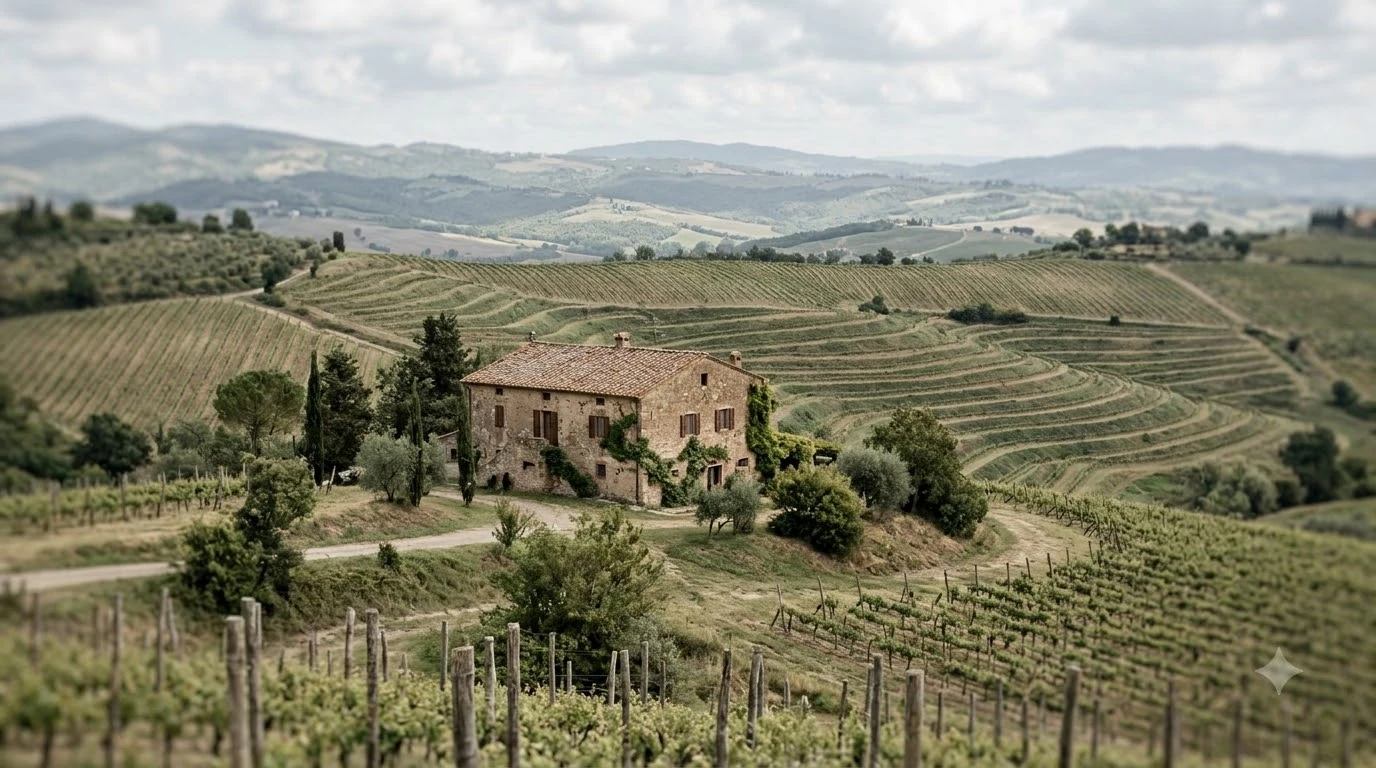
Piedmont in northwestern Italy accounts for the vast majority of the world’s Arneis plantings, centered in the sandy, steep hills of the Roero zone across the Tanaro River from Barolo. Outside Italy, small but acclaimed pockets of Arneis thrive in cool-climate regions of Australia and New Zealand.
Within Piedmont, the Roero DOCG is the grape’s spiritual and qualitative home, covering roughly 2,718 acres across Italy. The Roero district sits northwest of Alba and features marine-origin sandy soils mixed with limestone and clay. These well-draining sandy slopes naturally restrain the vine’s vigor and highlight Arneis’s floral aromatics and delicate almond finish. Just across the river in the Langhe hills, winemakers also bottle regional Langhe Arneis DOC wines, which offer a broader geographical footprint and similarly fresh, fruit-forward profiles.
Beyond Italy’s borders, a handful of adventurous growers in the Southern Hemisphere have embraced the variety. According to Wine Enthusiast, single-varietal Arneis requires careful vineyard management because it is prone to oxidation and loses acidity if harvested too late. Cool-climate areas in Australia—such as Tasmania, the Adelaide Hills, Mornington Peninsula, and Victoria’s King Valley—provide the long, temperate growing seasons needed to keep its natural acidity bright. Australia holds around 91 acres of Arneis, while New Zealand’s South Island accounts for roughly 82 acres, producing leaner, citrus-driven versions with snappy grapefruit and nashi pear notes.
How to Serve Arneis
Serve Arneis well chilled at 45 to 55°F (7 to 13°C) in a standard medium-sized white wine glass to focus its delicate floral and orchard fruit aromas. Because Arneis is celebrated for youthful freshness and aromatic vibrancy, it does not require decanting and is best enjoyed within one to three years of the vintage date.
Temperature control plays a major role in unlocking Arneis’s layered palate. Serving it straight from an ice bucket near 40°F can mute its signature chamomile, white peach, and almond nuances, making the wine seem overly simple. Letting the bottle warm slightly in the glass toward the 45 to 50°F range allows the rounded mid-palate texture and aromatic complexity to open up without sacrificing crispness. A tulip-shaped white wine glass with a narrower rim helps concentrate those subtle volatile aromatics toward your nose.
Unlike full-bodied reds such as those covered in our guide on what does corvina taste like, Arneis rarely benefits from extended bottle aging. Its moderate natural acidity and sensitivity to oxidation mean that most bottlings peak within two to three years of harvest. Only a select few single-vineyard or lees-aged Roero Arneis Riserva bottlings develop savory, nutty complexity over four to five years in a cool cellar.
Tip: Pull your bottle of Arneis from the refrigerator 15 to 20 minutes before pouring so it lands right around 48°F, where its peach and raw almond notes shine brightest.
Best Food Pairings for Arneis
Arneis’s combination of medium body, moderate acidity, and savory almond finish makes it one of Northern Italy’s most versatile food wines, pairing effortlessly with seafood, poultry, egg dishes, and creamy pastas. Its gentle acidity complements delicate ingredients without overwhelming them, while its rounded texture stands up to rich sauces.
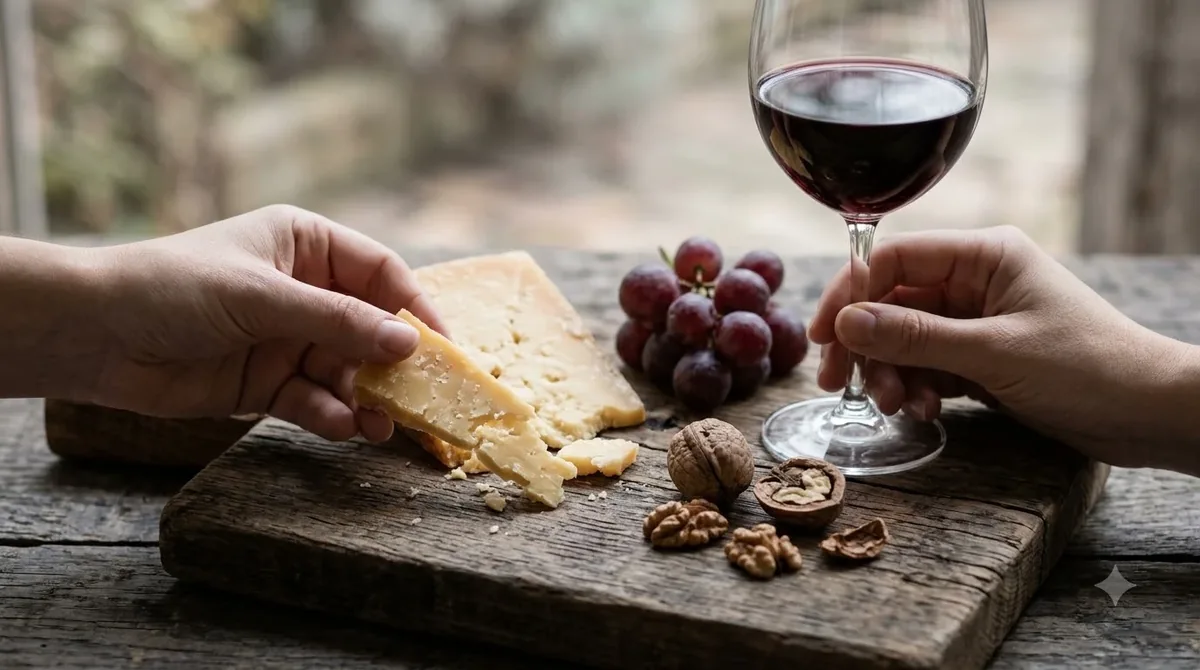
In its native Piedmont, Arneis is a classic partner for traditional antipasti, including vitello tonnato (chilled sliced veal in a creamy tuna-caper sauce), fresh burrata, and prosciutto or cured salami. The wine’s subtle bitter almond edge cuts cleanly through rich cheeses and cured meats, while its orchard fruit echoes sweet melon or fresh figs on a charcuterie board. Vegetable-driven dishes such as asparagus risotto, spring pea frittatas, and roasted squash also harmonize naturally with the grape’s herbal chamomile notes.
For main courses, lean toward white meats and coastal seafood. Pan-seared sea scallops with herbs, grilled sea bass, and prawn linguine highlight Arneis’s citrus and mineral backbone. If you are serving poultry or richer pasta dishes—such as roast chicken with thyme, turkey, or spaghetti carbonara—Arneis provides enough body and alcohol (typically around 13% to 13.5% ABV) to match the richness of butter, egg yolk, and cream without feeling heavy.
How to Choose a Bottle of Arneis
When shopping for Arneis, look for recent vintages within the past one to three years and check the label for regional designations like Roero Arneis DOCG or Langhe DOC. Choosing between stainless-steel-fermented bottlings and barrel-aged expressions lets you tailor the wine’s texture to your meal.
Start by inspecting the vintage date on the front or back label. Because Arneis relies on fresh floral and stone-fruit aromatics that gradually fade, buying the newest available vintage guarantees the liveliest expression. Avoid dusty older bottles sitting upright on warm retail shelves, as Arneis’s low-to-moderate acidity makes it vulnerable to premature oxidation. If you are comparing white grapes at a wine shop and enjoy dry styles of what does chenin blanc taste like or unoaked Pinot Gris, a classic Roero Arneis DOCG will sit right in your wheelhouse.
Next, pay attention to the appellation and producer notes. Bottles labeled Roero Arneis DOCG come from the grape’s historic heartland on the sandy hills north of Alba and tend to show the clearest balance of white peach, floral perfume, and mineral-almond grip. Bottles labeled Langhe Arneis DOC allow fruit from a wider area around Alba and often deliver approachable, fruit-forward drinking. If you prefer a crisper, more citrus-driven profile with zesty grapefruit acidity, look for cool-climate bottlings from Tasmania or the Adelaide Hills in Australia.
Frequently Asked Questions
Is Arneis a sweet or dry wine?
Arneis is almost always made as a bone-dry white wine. Although its expressive aromas of white peach, honeysuckle, and ripe pear can trick your nose into expecting residual sugar, the palate finishes crisp, dry, and slightly nutty with zero sweetness.
What wine is most similar to Arneis?
Arneis sits squarely between crisp Pinot Grigio and unoaked Chardonnay in weight and texture. Wine drinkers who enjoy dry Italian Pinot Grigio, Spanish Albariño, or French Viognier usually appreciate Arneis’s combination of floral aromatics, medium body, and refreshing mineral finish.
How do you pronounce Arneis?
Arneis is pronounced “ar-NAYSS,” with the emphasis on the second syllable and a soft “s” sound at the end. The name comes from the Piedmontese dialect word meaning “little rascal,” a nod to the grape’s finicky behavior and low yields in the vineyard.
Does Arneis age well in the cellar?
Most Arneis is crafted for immediate enjoyment and should be consumed within one to three years of the vintage date while its floral and orchard fruit notes are at their peak. A handful of structured, single-vineyard Roero Arneis Riserva bottlings can develop savory, nutty complexity over four to five years, though young bottles offer the purest varietal character.
Now that you know what Arneis brings to the glass, you can confidently spot this Piedmontese gem on an Italian wine list or at your local wine shop. Look for a young Roero Arneis DOCG, chill it lightly, and pour it alongside fresh seafood, creamy pasta, or an antipasti spread to experience why Northern Italy’s “little rascal” has earned such a loyal following.
More in Wine Types & Grapes
 What Does Mourvèdre Taste Like? Flavor Profile, Regions, and PairingsUpdated Nov 20, 2026
 What Does Marsanne Taste Like? Flavors, Styles, and Food PairingsUpdated Nov 20, 2026
 What Does Malvasia Taste Like? Styles, Flavors, and Food PairingsUpdated Nov 20, 2026
 What Does Grenache Blanc Taste Like? Flavor Profile, Styles, and PairingsUpdated Nov 20, 2026
 What Does Garnacha Taste Like? Key Flavors, Styles, and Pairing TipsUpdated Nov 20, 2026
 What Does Fruit Wine Taste Like? A Complete Flavor and Style BreakdownUpdated Nov 20, 2026