

We may earn a commission when you buy through links on this page, at no extra cost to you. Learn more.
Whitehaven wine price typically falls around $12 to $20 for a standard 750 ml bottle of Sauvignon Blanc at US retailers, depending on the store, vintage, and location. Whitehaven is a Marlborough, New Zealand producer best known for its crisp Sauvignon Blanc, although its portfolio also includes Chardonnay, Pinot Gris, Riesling, and other styles. Buyers comparing bottles should distinguish the widely available flagship Sauvignon Blanc from the producer’s more specialized Single Vineyard and reserve selections, which occupy different price categories.
Whitehaven has developed a recognizable reputation for fresh, aromatic Marlborough wines, particularly Sauvignon Blanc with citrus, tropical fruit, and herbal characteristics. Its standard bottling is the most practical starting point for shoppers, but the wider collection offers alternatives for people who prefer softer whites, richer textures, or more distinctive vineyard expressions. Understanding the differences between those bottles makes it easier to judge whether a retailer’s asking price represents a sensible purchase.
Who This Whitehaven Price Guide Is For
This guide is intended for shoppers who want to understand typical US retail pricing before choosing a Whitehaven bottle. It is particularly useful for people considering the flagship Sauvignon Blanc, comparing bottle sizes, or deciding whether a more specialized Whitehaven wine justifies its higher price category.
Whitehaven’s main attraction is its Marlborough identity. The producer states that its wines are grown, crafted, and bottled in Marlborough, New Zealand, and that the Whitehaven label represents its flagship collection. The region is particularly associated with aromatic Sauvignon Blanc, where bright acidity and recognizable citrus, green fruit, and herbal aromas make the wines appealing to people who enjoy refreshing white wines.
The standard Sauvignon Blanc is the logical reference point when researching Whitehaven Sauvignon Blanc. It provides a useful benchmark because it is the best-known expression of the producer’s house style and is carried by multiple US retailers. A shopper who enjoys this particular wine can then explore the producer’s other offerings without assuming that every bottle will have the same flavor profile or retail positioning.
This guide is also relevant to buyers who are unfamiliar with New Zealand wine. Whitehaven offers a relatively straightforward introduction to Marlborough’s characteristic Sauvignon Blanc style, while its Chardonnay, Pinot Gris, and Riesling provide options for people who want something different. The key is to compare wines by grape variety and production tier rather than treating the producer’s name as the only indication of what is inside the bottle.
People shopping for an everyday white wine should begin with the flagship Sauvignon Blanc. Those purchasing a bottle for a special dinner or a more exploratory tasting may prefer to investigate the Single Vineyard Series, which offers more distinctive expressions of Marlborough fruit and vineyard character.
Key Factors to Compare Before Buying
The most useful comparison points are bottle size, grape variety, wine tier, vintage, and retailer pricing. A standard 750 ml bottle is the appropriate reference for most comparisons, while smaller formats and specialized vineyard bottlings need to be evaluated separately.
US retail listings provide a useful starting point for understanding the standard Sauvignon Blanc. Caveau’s October 2026 US retail tracking places the tracked 750 ml vintages at approximately $18 to $19, while the broader retailer listings collected by Vino Alert show considerable variation. Total Wine and H-E-B also carry the wine, illustrating why shoppers should compare more than one retailer before making a decision.
For practical budgeting, approximately $12 to $20 is a reasonable typical US retail range for a standard 750 ml Whitehaven Sauvignon Blanc, based on the US retailer listings tracked by Vino Alert and Caveau. Prices vary by state and retailer, and the range should not be interpreted as a guaranteed nationwide selling price. Higher or lower listings may reflect individual retailers, vintages, inventory, and regional distribution.
| Comparison factor | What to look for | Why it matters |
|---|---|---|
| Standard bottle size | 750 ml | Most useful reference for comparing retail listings |
| Smaller format | 375 ml | Useful for smaller servings or trying a wine before purchasing a full bottle |
| Standard Sauvignon Blanc price | About $12–$20 per 750 ml | Typical US comparison range based on Vino Alert and Caveau retailer tracking |
| Alcohol content | 13% ABV for the H-E-B listed Sauvignon Blanc | Helps identify the style and compare serving expectations |
| Primary origin | Marlborough, New Zealand | Provides regional context for the wine’s aromatic profile |
| Flagship grape | Sauvignon Blanc | The main reference point for Whitehaven’s recognizable style |
| Specialized selection | Single Vineyard Series | Offers more distinctive vineyard and winemaking expressions |
Retailer selection can make a noticeable difference. Total Wine identifies its Whitehaven Sauvignon Blanc as a Marlborough wine and provides a 750 ml listing, while H-E-B supplies additional product information, including its 13% ABV and twist-off closure. These details help establish that the listings refer to the same general style, even when the vintage or local retail conditions differ.
Vintage is another factor to consider. Sauvignon Blanc is generally enjoyed for its fresh fruit and lively acidity, so shoppers should not automatically assume that an older vintage is more valuable or better suited to everyday drinking. The producer’s standard bottling is designed around a bright, refreshing Marlborough profile rather than extended bottle aging.
For a broader introduction to the producer’s offerings, the Whitehaven wine overview can help shoppers understand how the different bottles fit into the overall collection.
Step-by-Step: How to Find the Right Whitehaven Bottle
A sensible purchase starts with the wine style rather than the advertised price. Identifying the desired grape variety, confirming the bottle size, and comparing the final retailer listing helps prevent confusion between different Whitehaven selections.
-
Start with the flagship Sauvignon Blanc.
If the goal is to experience Whitehaven’s best-known style, begin with its standard Marlborough Sauvignon Blanc. Its citrus, lemongrass, green apple, and tropical fruit characteristics provide a useful introduction to the producer.
-
Choose the appropriate bottle size.
Use 750 ml as the standard comparison format. This bottle provides approximately five 5 oz servings, making it suitable for a small dinner or several individual glasses. A 375 ml format is a practical alternative for someone who does not need a full bottle.
-
Compare at least two retailers.
Check whether the listings refer to the same grape variety, vintage, and bottle size. A 375 ml bottle should not be compared directly with a 750 ml bottle using only the displayed total price.
-
Decide whether a different grape would suit the occasion.
Consider Chardonnay for a fuller white wine, Pinot Gris for a fruit-forward alternative, or Riesling for a more aromatic style. The best choice depends on the meal and personal preference rather than the producer’s name alone.
-
Investigate specialized selections separately.
Whitehaven’s Single Vineyard Series includes Block 11 Barrel Fermented Sauvignon Blanc, Tussocks Skin Contact Pinot Gris, and Fossil Block Riverside Chardonnay. These wines should be treated as distinct selections rather than interchangeable alternatives to the standard range.
-
Check the retailer’s final listing.
Confirm the vintage, size, and availability before purchasing. Local inventory and state-specific retail conditions can affect the price and the selection available.
-
Plan the serving temperature and food pairing.
Chill standard Sauvignon Blanc to approximately 45–50°F. Pair it with seafood, grilled chicken, or a fresh summer salad to complement its acidity and aromatic character.
Tip: Compare Whitehaven bottles by price per milliliter when different sizes are available. A half bottle may have a lower total price, but it is not necessarily better value per glass. For a fair comparison, use the same grape variety, bottle format, and vintage whenever possible.
These steps also help distinguish a genuine difference in wine style from a simple difference in retail presentation. A standard Sauvignon Blanc, a barrel-fermented Sauvignon Blanc, and a skin-contact Pinot Gris can have substantially different characteristics even though they share the same producer name.
Whitehaven Wine Types and Styles Explained
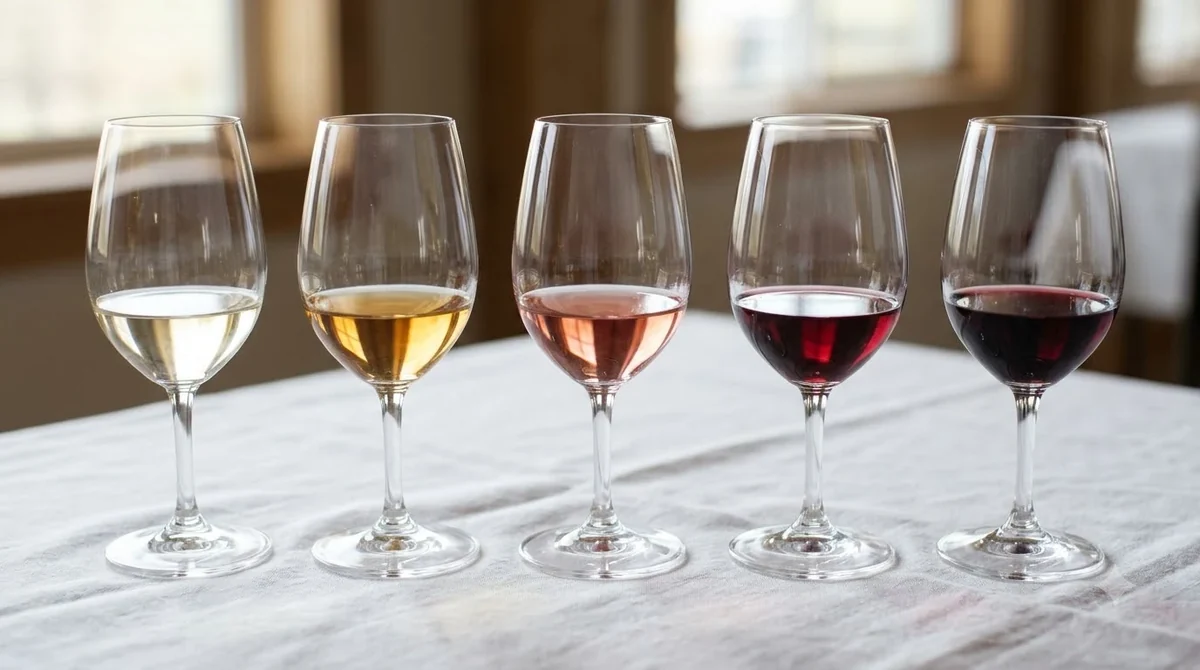
Whitehaven offers more than one type of wine, with Sauvignon Blanc serving as its flagship reference point. The wider collection includes several white grape varieties, a rosé, and Pinot Noir, while the Single Vineyard Series provides more specialized expressions.
Sauvignon Blanc: This is the central Whitehaven style and the most useful starting point for shoppers comparing retail listings. The wine is characterized by citrus, lemongrass, green apple, and herbal notes, with a fresh, clean finish. Retail descriptions also identify tropical fruit characteristics, including passion fruit, guava, mango, and pineapple. Its bright acidity makes it particularly suitable for seafood and dishes with fresh herbs.
Chardonnay: Whitehaven’s Marlborough Chardonnay provides an alternative for people who prefer a different balance of fruit, acidity, and texture. Chardonnay generally has medium acidity, making it a flexible food wine. It is a natural consideration for roasted poultry, creamy dishes, and richer seafood preparations. The Single Vineyard Series also includes Fossil Block Riverside Chardonnay, which gives shoppers a more specialized option to investigate.
Pinot Gris: This grape offers a useful alternative to Sauvignon Blanc for people who prefer a fruitier or less overtly herbaceous white. Whitehaven includes standard Marlborough Pinot Gris in its flagship collection, alongside the Tussocks Skin Contact Pinot Gris in its Single Vineyard Series. The skin-contact selection represents a different winemaking approach and should not be assumed to taste exactly like the standard bottling.
Riesling: Whitehaven’s Riesling provides another aromatic alternative. Riesling is known for high acidity and can range from dry to sweet depending on its style. The producer also lists a Noble Riesling in a 375 ml format, giving buyers a smaller bottle option for a dessert-oriented wine experience.
Gewürztraminer: This variety is particularly interesting for people who enjoy expressive aromatics and distinctive floral and spice characteristics. It offers a different direction from the citrus-driven Sauvignon Blanc and can work well with aromatic dishes.
Pinot Noir and Rosé: Whitehaven’s collection is not restricted to white wine. Its Pinot Noir provides a red-wine alternative, while Pinot Noir Rosé offers a lighter, fruit-focused choice. The rosé is particularly suitable for warm-weather meals and casual occasions where a refreshing wine is preferred.
The producer also separates its wines into different collections, including Whitehaven, Greg, Kōparepare, Mansion House Bay, and Single Vineyard selections. The official portfolio is useful for identifying the distinctions between these labels. For shoppers primarily interested in white bottles, the Whitehaven white wine selection is the most relevant place to start.
For a closer look at the producer’s own descriptions and portfolio, visit Whitehaven’s official wine collection. It identifies the main varieties and distinguishes the flagship range from its Single Vineyard offerings.
Common Mistakes When Comparing Whitehaven Prices
The biggest shopping mistakes involve comparing different bottle sizes, confusing the flagship collection with specialized wines, and treating one retailer’s listing as a universal market price. A little attention to product details makes price comparisons much more useful.
Comparing half bottles with full bottles: A 375 ml bottle contains half the wine of a standard 750 ml bottle. A lower displayed total does not necessarily indicate a better purchase. Compare the volume and price per serving before deciding which format makes more sense.
Assuming every Whitehaven wine is Sauvignon Blanc: Sauvignon Blanc is the flagship style, but Whitehaven also produces Chardonnay, Pinot Gris, Riesling, Gewürztraminer, Pinot Noir, and rosé. Each grape has different production considerations and a different flavor profile. The name Whitehaven alone does not identify the specific style.
Confusing standard and Single Vineyard wines: The Block 11 Barrel Fermented Sauvignon Blanc is not the same product as the standard Marlborough Sauvignon Blanc. The former belongs to a specialized collection and reflects a different winemaking approach. Similar distinctions apply to the Tussocks Pinot Gris and Fossil Block Riverside Chardonnay.
Assuming an older vintage must be more expensive: Vintage alone does not determine the quality or retail value of a bottle. For a fresh Marlborough Sauvignon Blanc, current availability, retailer inventory, and local demand can matter more than the age of the wine.
Judging a retailer by its advertised listing alone: A displayed price may reflect a specific store, delivery region, or inventory situation. Total Wine explicitly states that price, vintage, and availability can vary by store. Buyers should therefore compare the actual bottle and final purchase conditions rather than relying on an isolated listing.
Ignoring the food pairing: A wine that is inexpensive but unsuitable for the planned meal may not be the most satisfying purchase. High-acidity Sauvignon Blanc is particularly effective with seafood, fresh salads, and dishes containing citrus or herbs. For heavily tannic red wine, oily fish can create an unpleasant pairing, making a crisp Whitehaven white a more natural option.
Expecting every retailer to carry the complete portfolio: The flagship Sauvignon Blanc is more widely represented in the retail listings reviewed here than the specialized selections. A store may carry the standard wine but not the Single Vineyard Series. Shoppers interested in a particular bottling should investigate availability separately.
Serving, Care, and Storage Tips
Proper serving and storage help preserve Whitehaven’s aromatic qualities, especially in Sauvignon Blanc. Temperature control, suitable glassware, and sensible storage after opening are more important than elaborate serving equipment.
Serve Sauvignon Blanc chilled. A temperature of approximately 45–50°F is a good target for light white wines. Excessive warmth can make the alcohol more noticeable and reduce the impression of freshness, while serving the wine extremely cold can make its aromas less expressive. Take the bottle out of the refrigerator shortly before pouring if it feels overly cold.
Use an appropriate glass. A standard white wine glass with a moderately narrow bowl is sufficient. It provides room for the citrus, tropical fruit, and herbal aromas to develop while keeping the wine at a suitable temperature. There is no need for specialized glassware to enjoy the standard Whitehaven Sauvignon Blanc.
Pour sensible servings. A typical wine serving is 5 oz, and a 750 ml bottle provides approximately five glasses. For a dinner with four adults, one standard bottle provides about five servings, although actual consumption depends on the number of pours and the occasion.
Keep unopened bottles cool. Store white wine away from direct sunlight, heat sources, and significant temperature changes. A consistent storage environment near 55°F is a useful general target for wine. Bottles with cork closures are traditionally stored on their sides, while a screw-cap bottle does not require horizontal positioning to maintain a seal.
Refrigerate after opening. Reseal the bottle and place it in the refrigerator. Most opened still white wines are best consumed within approximately three to five days. The exact window depends on the wine, storage conditions, and how much oxygen has entered the bottle.
Pair according to acidity. Whitehaven Sauvignon Blanc’s fresh acidity makes it a natural match for seafood, grilled chicken, and salads. Acidic dishes benefit from wines with equal or greater acidity, while salty foods can make wines seem softer and less sharp. If serving a spicy Asian dish, consider the level of chili heat and the wine’s alcohol content, since alcohol can intensify the perception of heat.
For a more elaborate dinner, consider matching Chardonnay with richer poultry preparations and Sauvignon Blanc with shellfish or fresh salads. The aim is to balance the wine’s acidity and flavor intensity with the ingredients rather than choosing a bottle solely by its label.
Frequently Asked Questions
Is Whitehaven an independently bottled Marlborough wine?
Whitehaven states that its wines are grown, crafted, and bottled in Marlborough, New Zealand. The producer is also a member of Appellation Marlborough Wine, an organization dedicated to protecting the integrity and authenticity of the region’s Sauvignon Blanc. This regional connection is central to the identity of its flagship wines.
Does Whitehaven use screw caps on its Sauvignon Blanc?
H-E-B identifies a twist-off cap on its listed 750 ml Whitehaven Sauvignon Blanc. This closure is convenient because it does not require a corkscrew. It also makes resealing a partially consumed bottle straightforward, although proper refrigeration is still important after opening.
Is Whitehaven Sauvignon Blanc suitable for vegetarian meals?
Its citrus and herbal characteristics make it a natural option with vegetable salads, grilled vegetables, and dishes featuring fresh herbs. However, individual preparation ingredients matter, particularly sauces and cooking fats. The producer specifically recommends summer salads as a pairing.
Can Whitehaven Sauvignon Blanc be served without decanting?
Yes. Standard Marlborough Sauvignon Blanc is generally ready to pour once chilled, and decanting is not normally necessary. Unlike a young, full-bodied tannic red wine, this aromatic white does not typically require a lengthy aeration period before serving.
What is the Whitehaven Windward collection?
Windward is Whitehaven’s reserve-tier Marlborough Sauvignon Blanc. The producer describes it as drawing on selected vineyards across the Wairau, Southern, and Awatere Valleys, with only five of 150 vineyard blocks selected for the wine. Its tasting profile includes white peach, passion fruit, grapefruit, and crushed green herbs.
Whitehaven’s standard Marlborough Sauvignon Blanc is the most useful starting point for shoppers comparing the producer’s wines, while Chardonnay, Pinot Gris, and Riesling provide alternatives for different preferences and meals. For a typical US retail comparison, use approximately $12 to $20 for a 750 ml flagship Sauvignon Blanc as a starting range, then compare the actual vintage, bottle size, and local retailer listing before buying. Choosing the right Whitehaven bottle is ultimately about matching its style to the occasion rather than simply selecting the lowest advertised figure.
More in Wine Brands
 Underwood Wine Price: Compare Bottles, Cans, and Pack SizesUpdated Nov 21, 2026
 Zenato Wine Price: Compare Styles and Choose the Right BottleUpdated Nov 21, 2026
 Zuccardi Wine Price: Compare Bottles and Find the Right RangeUpdated Nov 21, 2026
 Yellow Tail Moscato Review: Taste, Sweetness and Serving TipsUpdated Nov 21, 2026
 Wolf Blass Yellow Label Review: Choose Your Best StyleUpdated Nov 21, 2026
 Wolffer Estate Rose Review: Choose the Right Bottle for Your TableUpdated Nov 21, 2026