

We may earn a commission when you buy through links on this page, at no extra cost to you. Learn more.
The sea smoke wine price typically ranges from about $50 to $175 per 750 ml bottle, depending on the wine, vintage and retailer. Botella offers a more accessible introduction, while the estate Pinot Noir bottlings Ten and Southing generally occupy a higher price tier. Sea Smoke Chardonnay also commands premium pricing, making the specific bottling and vintage important considerations before purchasing.
Sea Smoke is one of the recognized premium producers of California Pinot Noir, with its vineyards located in the Sta. Rita Hills AVA of Santa Barbara County. Its reputation comes from a combination of coastal growing conditions, carefully managed estate vineyards and a distinctive style that emphasizes ripe fruit, texture and structure. These characteristics help explain why its bottles can cost considerably more than widely distributed California wines.
However, not every Sea Smoke bottle carries the same price. The Botella range provides a different entry point from the flagship estate wines, while Ten, Southing and Grand appeal to buyers looking for different expressions of the winery’s Pinot Noir. Understanding these differences makes it easier to decide whether a particular bottle justifies its retail cost. This guide explains typical US retail price ranges, the factors affecting them and practical ways to choose the right wine.
Who Should Consider Buying Sea Smoke Wine
Sea Smoke is particularly suitable for Pinot Noir enthusiasts, collectors of premium California wines and buyers interested in the distinctive growing conditions of the Sta. Rita Hills. Its different bottlings offer several ways to explore the producer, from the approachable Botella range to the more structured estate Pinot Noirs.

Buyers who appreciate concentrated fruit, polished texture and oak-influenced winemaking may find the estate wines especially appealing. Sea Smoke’s vineyard benefits from marine fog traveling through the Santa Ynez River canyon, while its south-facing slopes provide substantial sunshine. According to the producer, the estate covers 172 acres at elevations between 218 and 720 feet. Those geographical conditions help explain the combination of ripe fruit and natural acidity associated with the wines.
Collectors may also be interested in the differences between individual bottlings and vintages. Ten and Southing are particularly important distinctions because they represent different stylistic interpretations rather than simply different vineyard locations. Decanter describes the winery’s general house style as fruit-forward, emphasizing lushness, texture and mouthfeel. Buyers who understand these distinctions can make a more informed decision than simply selecting whichever bottle has the highest retail price.
Sea Smoke is less suitable for someone seeking inexpensive wine for large gatherings or casual everyday consumption. Even its more accessible Botella bottles cost substantially more than mainstream supermarket wines. Someone shopping for an inexpensive California wine may prefer to compare options such as Barefoot wine, which serves a different market and drinking occasion.
The producer also offers Chardonnay and sparkling wine, so Pinot Noir is not the only reason to explore the label. Buyers who enjoy premium California white wine can consider the estate Chardonnay, while sparkling wine enthusiasts may find Sea Spray an interesting alternative to traditional sparkling selections.
Key Factors That Determine Sea Smoke Wine Price
The most important factors affecting Sea Smoke pricing are the specific bottling, vintage, availability and retail channel. A bottle of Botella generally occupies a lower price tier than Ten, Southing or older collector-oriented releases.
| Wine or category | Typical US retail range | Main buying consideration |
|---|---|---|
| Botella Pinot Noir | About $50–$65 | More accessible Pinot Noir introduction |
| Botella Chardonnay | About $40–$60 | Entry point for Sea Smoke Chardonnay |
| Estate Chardonnay | About $85–$110 | Premium estate white wine |
| Ten Pinot Noir | About $95–$175 | Structured, fuller expression |
| Southing Pinot Noir | About $95–$180 | Estate Pinot Noir selection |
| Grand Pinot Noir | About $200–$400 or more | Limited estate release |
| Sea Spray sparkling | About $90–$120 | Estate sparkling wine |
These are indicative US retail comparison ranges, not fixed producer prices. Total Wine listed Botella Pinot Noir at $58.99, Ten at $114.99, Southing at $119.99, Chardonnay at $92.99 and Sea Spray at $104.99 per 750 ml bottle; its listings support the approximate ranges above, although Grand and some older releases require separate specialist comparisons. Prices vary by state and retailer, and shipping, taxes and vintage availability can affect the final purchase cost.
The specific bottling
The first distinction to understand is between Botella and the estate range. Botella is made using grapes from neighboring Sta. Rita Hills vineyards rather than exclusively from the Sea Smoke estate vineyard. The producer positions it as a fresh and vibrant expression of the broader appellation.
The estate wines have a different identity. Grand, Ten and Southing are estate Pinot Noirs, and the estate Chardonnay and Sea Spray sparkling wine complete the main portfolio. These wines generally occupy the more premium portion of the range because of their positioning and limited availability.
Vintage and bottle condition
Vintage can make a meaningful difference to retail pricing. An older bottle may command a premium if buyers are interested in its maturity, rarity or collecting potential. However, age does not automatically make every wine more desirable or better suited to every drinker.
Condition is equally important. A bottle with a reliable storage history is generally a more sensible purchase than an older bottle with uncertain provenance, particularly when the difference in asking price is substantial.
Retail availability
Sea Smoke sells a significant proportion of its wines directly to consumers through its mailing list. Decanter reports that approximately 80% of the winery’s wines are sold directly, with the remainder distributed through traditional channels. Limited allocations can therefore influence the prices buyers encounter at independent wine shops and specialist retailers.
Retail availability can also differ between states. Some stores may carry Botella while having no estate Pinot Noir available. Others may offer older vintages through specialist selections. Comparing several retailers is useful, but the comparison should involve the same wine and vintage whenever possible.
Step-by-Step: How to Choose the Right Sea Smoke Bottle
A sensible Sea Smoke purchase starts with the intended occasion and budget, followed by a comparison of the producer’s main bottlings. The goal is to select a wine that matches personal preferences rather than automatically choosing the most expensive bottle.
-
Set a realistic spending range.
Start by deciding how much you want to spend on a 750 ml bottle. A budget around the Botella price tier provides an introduction to the producer, while a higher allocation for Ten or Southing gives access to the flagship estate Pinot Noir range. Remember that older vintages may cost more than younger releases.
-
Choose between Pinot Noir and Chardonnay.
Pinot Noir is the natural starting point for someone interested in Sea Smoke’s reputation. Chardonnay is a better option for buyers who prefer white wine with richer fruit, texture and oak-influenced character. Sea Smoke also makes Sea Spray, which provides an alternative for sparkling wine occasions.
-
Decide which Pinot Noir style you prefer.
Choose Ten or Southing according to your preferred expression of the producer’s house style. Decanter explains that the two flagship wines are carefully selected barrel blends intended to capture different facets of the winery’s character. Comparing tasting descriptions and vintage information is more useful than assuming one is automatically superior.
-
Compare the vintage and retailer.
Look for the same bottling and vintage across at least two retailers. Compare bottle size, condition, shipping charges and availability. A lower advertised price is not necessarily a better purchase if the bottle has uncertain storage history or substantially higher delivery costs.
-
Check whether Botella meets your needs.
If you want to explore the producer without committing to the higher cost of its flagship wines, Botella Pinot Noir is a practical alternative. Botella Chardonnay offers another entry point. Neither should be treated as identical to the estate bottlings, because their grape sourcing and positioning differ.
-
Consider the occasion.
A structured Ten may suit a special dinner featuring richer dishes, while Southing can work well with roast chicken, duck and mushroom preparations. Chardonnay is suitable for seafood, poultry and creamy sauces. Choose Sea Spray when sparkling wine is more appropriate for the event.
-
Buy from a retailer with reliable provenance.
For premium wine, storage and handling matter. Choose an established wine merchant that can provide information about the vintage, bottle condition and shipping arrangements. This is especially important when buying older releases or collectible bottles.
Tip: If this is your first Sea Smoke purchase, compare Botella Pinot Noir with one estate Pinot Noir rather than buying two expensive flagship bottles immediately. The comparison provides a useful introduction to the producer’s broader regional style and its more focused estate expressions.
Sea Smoke Wine Types and Styles Explained
Sea Smoke’s portfolio includes multiple expressions of Pinot Noir, Chardonnay and sparkling wine. Understanding the differences between the main labels helps explain why their retail prices vary and which bottles are most appropriate for different occasions.
Botella Pinot Noir
Botella is a useful starting point for buyers who want to explore the Sea Smoke name at a lower price tier. Its fruit comes from neighboring Sta. Rita Hills vineyards rather than exclusively from the estate. The producer describes Botella as a fresh, vibrant expression of its home appellation.
Total Wine listed Botella Pinot Noir at $58.99 per 750 ml bottle. An approximate $50 to $65 range is therefore reasonable for comparing standard US retail listings. Its positioning makes it a practical choice for buyers who want a Sea Smoke wine without starting with the more expensive estate selections. The style is also designed to emphasize brighter aromatics and freshness.
Botella Chardonnay
Botella Chardonnay provides a more accessible way to explore the producer’s white wine style. The producer describes Botella as using earlier-picked fruit and less time in barrel, allowing its Chardonnay to retain brighter aromatics and a more vibrant character.
Price-comparison listings for the 2024 Botella Chardonnay show a typical range around $40 to $60 per 750 ml bottle. Retailer availability and vintage can change the amount buyers encounter. It is particularly relevant for people who enjoy Chardonnay but do not necessarily want to spend at the estate Chardonnay price level.
Southing Pinot Noir
Southing is one of Sea Smoke’s flagship estate Pinot Noirs. It is a barrel selection rather than a wine tied to one specific vineyard plot. Decanter describes the two flagship Pinot Noirs as different expressions of the winery’s house style, giving buyers a reason to compare their character rather than focusing exclusively on price.
Total Wine listed Southing at $119.99 per 750 ml bottle. An approximate $95 to $180 range is useful for comparing standard retail and specialist listings, although older or particularly desirable releases can cost more. Buyers should compare the same vintage before deciding whether a higher asking price is justified.
Ten Pinot Noir
Ten represents another distinctive expression of Sea Smoke’s estate Pinot Noir. Its name references the ten French Pinot Noir clones planted in the estate vineyard. Decanter describes Ten and Southing as barrel selections crafted to capture different aspects of the winery’s style.
Total Wine listed Ten at $114.99 per 750 ml bottle. An approximate $95 to $175 range provides a useful comparison for standard retail releases, although vintage differences and specialist availability can push some bottles higher. Buyers who enjoy structured California Pinot Noir may find Ten particularly interesting.
Estate Chardonnay
Sea Smoke’s estate Chardonnay is positioned above the Botella Chardonnay. The producer explains that its 2024 estate wine uses Dijon and Wente clones, stainless-steel fermentation and French oak aging. Its published tasting description includes lemon curd, star fruit, fresh peach and wet stone.
Total Wine listed Sea Smoke Chardonnay at $92.99 per 750 ml bottle. An approximate $85 to $110 range is a practical starting point for comparing similar estate releases. This is an option for buyers who want premium California Chardonnay rather than an inexpensive, simple white wine.
Grand Pinot Noir and Sea Spray
Grand occupies a distinctive position in the estate portfolio. Sea Smoke identifies it as one of its three estate Pinot Noir wines alongside Ten and Southing. Buyers interested in Grand should expect availability to be more limited and should compare vintage and release details carefully before purchasing.
Sea Spray is the producer’s Blanc de Noirs sparkling wine. Blanc de Noirs means a white sparkling wine made from dark-skinned grapes. It gives buyers another way to explore the producer’s estate fruit outside the still Pinot Noir and Chardonnay categories. Total Wine listed Sea Spray at $104.99 per 750 ml bottle, supporting an approximate $90 to $120 comparison range. Prices vary by state and retailer.
Common Mistakes When Comparing Sea Smoke Prices
The biggest purchasing mistakes involve comparing different bottlings as though they were interchangeable, treating older vintages as automatically superior and assuming every retailer carries the same selection. A little attention to the wine’s identity can prevent an expensive mismatch.
Assuming Ten and Southing are interchangeable
Both wines are estate Pinot Noir, but they represent different stylistic selections. Decanter explains that the wines are barrel selections rather than expressions tied to specific individual vineyard plots. Their differences are therefore related to the blending decisions and the characteristics selected by the winemaking team.
Choosing between them should depend on drinking preference, not simply the difference between two retail listings. Someone who prefers one vintage’s character may also find another release more appealing. The label alone does not guarantee an identical experience across harvests.
Comparing Botella directly with estate wines
Botella and the estate bottlings have different grape-sourcing arrangements. Botella uses fruit from neighboring Sta. Rita Hills vineyards, whereas the estate range focuses on Sea Smoke’s own vineyard. This distinction is important when evaluating the price difference.
Botella should not automatically be considered an inferior version of Ten or Southing. It has a different purpose and offers a separate expression of the region. Buyers should decide whether they want the broader appellation character or the specific identity of the estate vineyard.
Ignoring vintage differences
A 2020 Southing and a 2023 Ten are not directly comparable merely because they share the same producer. They are different wines from different harvests. Their prices may reflect distinct production decisions, retailer inventories and consumer interest.
When comparing prices, begin with the exact wine name and vintage. Next, compare bottle size and condition. Only then should you evaluate whether one retailer offers a more competitive listing than another.
Paying a collector premium without considering provenance
Older Sea Smoke bottles may attract interest from collectors, but storage conditions can affect the wine’s present condition. A higher asking price does not establish that a bottle has been stored correctly.
Ask about temperature-controlled storage, previous ownership where relevant and the condition of the cork and capsule. For older Pinot Noir, a reliable seller and documented provenance can be more valuable than simply finding the oldest available vintage.
Assuming the highest price means the best wine
Price reflects more than perceived quality. Availability, vintage, retailer positioning and collector demand can all influence the amount charged. A wine that costs more may simply be harder to find rather than better suited to your taste.
It is also important to compare Sea Smoke with wines from other producers in the Sta. Rita Hills. Decanter identifies Brewer Clifton, Sanford & Benedict, Piedrasassi and Sine Qua Non among the region’s notable names. These producers offer useful reference points for understanding the broader premium wine market.
Buying, Serving and Storage Tips for Sea Smoke Wine
Once you have chosen a bottle, proper purchasing, serving and storage practices help protect its value and drinking quality. This is especially important for premium Pinot Noir and Chardonnay, where temperature and handling can influence how the wine presents itself.
Where to buy Sea Smoke
Start with the official Sea Smoke website if you want to understand the current estate portfolio and direct purchasing arrangements. The producer offers information about its wines and mailing-list program. Because its estate production is allocated, not every bottling will necessarily be available at all times.
Specialist wine merchants are another useful option. Larger retailers such as Total Wine may also carry selected releases, although availability varies by location. Compare the same vintage and bottle size rather than relying on a general brand search that combines multiple releases.
Buyers should also distinguish between direct allocations and retail purchases. Decanter reports that approximately 80% of Sea Smoke’s wines have been sold directly to consumers through its mailing list. The remaining allocation is distributed through traditional channels, which helps explain why some bottles appear sporadically at specialist stores.
Choose the right serving temperature
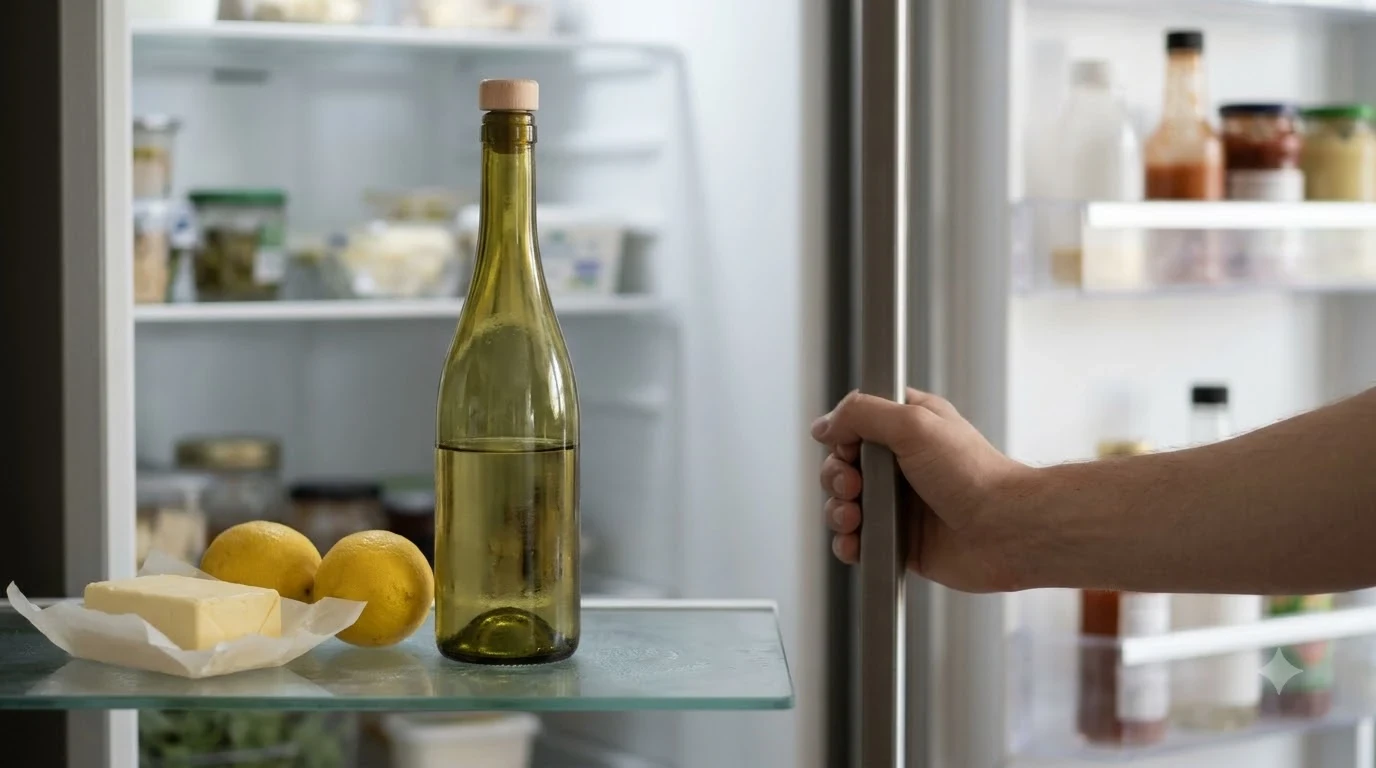
Pinot Noir generally benefits from being served slightly cooler than full-bodied red wines. A temperature of 55 to 60 degrees Fahrenheit is a good starting point for Sea Smoke Ten and Southing. If a bottle has been stored at room temperature, a short period in the refrigerator can bring it closer to the ideal serving range.
Chardonnay should generally be served at 50 to 55 degrees Fahrenheit when it has a fuller style. This temperature allows the wine’s texture and aromatic character to show without making it seem excessively cold. Sea Spray sparkling wine is best served colder, around 40 to 50 degrees Fahrenheit.
Pair Sea Smoke with appropriate food
Southing Pinot Noir can work well with roast chicken, duck, salmon and mushroom dishes. Its fruit and acidity make it versatile with foods that are not excessively spicy or heavily seasoned. A mushroom risotto or herb-roasted poultry dish is a particularly practical pairing.
Ten can suit dishes with deeper savory flavors, including grilled lamb, roasted beef and preparations featuring earthy herbs. Its stronger structure makes it a useful option when the food has more intensity.
Estate Chardonnay can accompany roasted chicken, shellfish, lobster and creamy pasta. Botella Chardonnay may be suitable with grilled fish and lighter poultry dishes. Sea Spray can work as an aperitif or alongside seafood appetizers.
Store opened and unopened bottles properly
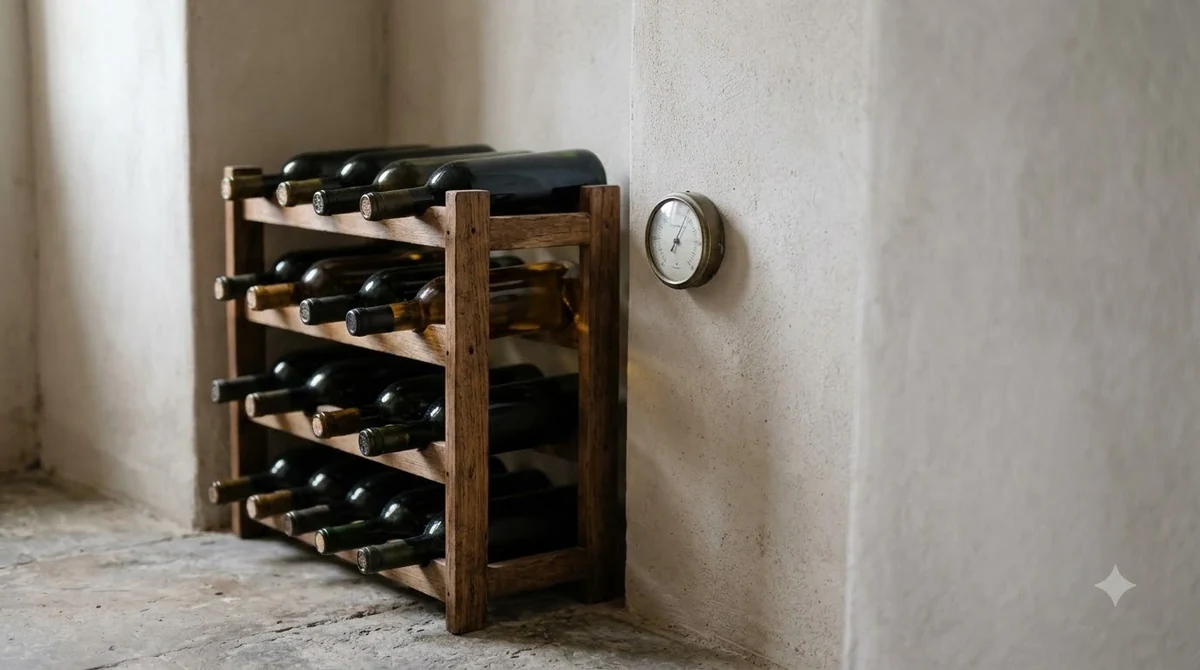
Unopened Sea Smoke bottles should be stored in a cool, dark location with a relatively stable temperature. Around 55 degrees Fahrenheit is a useful target. Bottles with natural cork closures are generally best stored on their sides to help keep the cork from drying out.
Avoid placing premium wine near windows, radiators or kitchen appliances that generate heat. Temperature fluctuations can be particularly problematic for wines intended for extended cellaring. A dedicated wine refrigerator provides more consistent conditions than an ordinary room.
After opening, reseal still wines and refrigerate them. Most opened still wines are best consumed within approximately three to five days, depending on the wine and storage conditions. Allow refrigerated Pinot Noir to warm slightly before serving again, rather than pouring it directly from a very cold refrigerator.
For additional comparisons between producers and wine styles, the Wine Brands resource can help place Sea Smoke within the wider selection of American and international labels. Buyers exploring other sparkling options can also compare La Marca Prosecco, which represents a very different price category and production style.
Frequently Asked Questions
Is Sea Smoke considered a cult wine?
Sea Smoke has developed a cult following because of its reputation, limited distribution and strong demand for its estate Pinot Noir. Its wines have also received significant attention from wine publications and critics. The producer’s early success helped establish its position among prominent California Pinot Noir specialists.
Does Sea Smoke use only Pinot Noir grapes for its red wines?
Yes, the principal red wines discussed in its portfolio, including Ten, Southing, Grand and Botella Pinot Noir, are Pinot Noir bottlings. The winery also produces Chardonnay and Sea Spray Blanc de Noirs. This makes the portfolio relatively focused compared with producers offering numerous red and white grape varieties.
What does Sta. Rita Hills AVA mean on a Sea Smoke label?
AVA stands for American Viticultural Area, a legally recognized US wine-growing region. Sta. Rita Hills is located in Santa Barbara County, California, and is recognized for its cool coastal influence. The region’s distinctive geography helps support Pinot Noir and Chardonnay production.
Can Sea Smoke wines be purchased internationally?
International purchasing depends on the destination country’s alcohol import rules and the availability of authorized wine merchants. Buyers should confirm shipping eligibility, customs requirements and applicable duties before ordering. Not every US retailer ships internationally, even when a bottle appears available online.
How many glasses are in a standard Sea Smoke bottle?
A standard 750 ml bottle contains approximately five conventional 5-ounce wine pours. This means one bottle can serve five people one glass each, or provide smaller tasting portions for a larger group. A 1.5-liter magnum contains approximately ten standard 5-ounce pours.
Sea Smoke wine price depends primarily on the bottling, vintage and availability, with Botella offering a more accessible starting point and the estate Pinot Noirs occupying a higher retail tier. Buyers should compare identical vintages, understand the differences between the estate selections, and purchase from reputable retailers with reliable storage practices. For someone interested in premium Sta. Rita Hills wine, choosing the right Sea Smoke bottle is ultimately more useful than simply choosing the most expensive one.
More in Wine Brands
 Underwood Wine Price: Compare Bottles, Cans, and Pack SizesUpdated Nov 21, 2026
 Zenato Wine Price: Compare Styles and Choose the Right BottleUpdated Nov 21, 2026
 Zuccardi Wine Price: Compare Bottles and Find the Right RangeUpdated Nov 21, 2026
 Yellow Tail Moscato Review: Taste, Sweetness and Serving TipsUpdated Nov 21, 2026
 Wolf Blass Yellow Label Review: Choose Your Best StyleUpdated Nov 21, 2026
 Wolffer Estate Rose Review: Choose the Right Bottle for Your TableUpdated Nov 21, 2026