

We may earn a commission when you buy through links on this page, at no extra cost to you. Learn more.
This stella rosa red review finds that Stella Rosa Red is best suited to drinkers who enjoy sweet, fruity, lightly sparkling wine rather than traditional dry red wine. Made with Brachetto grapes, this Italian semi-sweet red has ripe raspberry, wild strawberry, and red plum flavors, according to its producer. Its listed alcohol content is 5% ABV, and its gentle carbonation and noticeable sweetness make it particularly approachable when served chilled.
Stella Rosa Red occupies a different place from full-bodied Cabernet Sauvignon, structured Merlot, and other conventional dinner reds. Its appeal comes from fruit-forward character, refreshing acidity, and a softer drinking experience. However, understanding its sweetness, bubbles, and intended serving style is important before choosing a bottle. This guide examines its flavor profile, practical food pairings, important buying considerations, and the differences between Stella Rosa Red and similarly named wines in the range.
Who This Is For
Stella Rosa Red is a good match for people who prefer fruity, semi-sweet wines with a light sparkle and relatively low alcohol content. Its approachable style makes it particularly suitable for casual gatherings, dessert occasions, and drinkers who find conventional dry reds too tannic or intense.
The wine is made with Brachetto grapes and comes from Italy. The producer describes it as semi-sweet and semi-sparkling, with flavors of ripe raspberry, wild strawberry, and red plum. Those characteristics make it a different proposition from a typical dry Italian red, where acidity, tannin, and savory flavors often play a more prominent role.
One of its most distinctive specifications is its 5% ABV. That figure is substantially below the alcohol content commonly found in conventional red table wines, which often fall around 12% to 15%. The lower percentage contributes to a lighter overall drinking style, although it does not make the wine alcohol-free.
Several types of drinkers may find this bottle particularly appealing:
- Sweet-wine newcomers: People transitioning from fruit-forward beverages or sweeter white wines may find the red berry flavors approachable.
- Casual entertainers: Its semi-sparkling character gives it a festive quality without requiring a formal wine occasion.
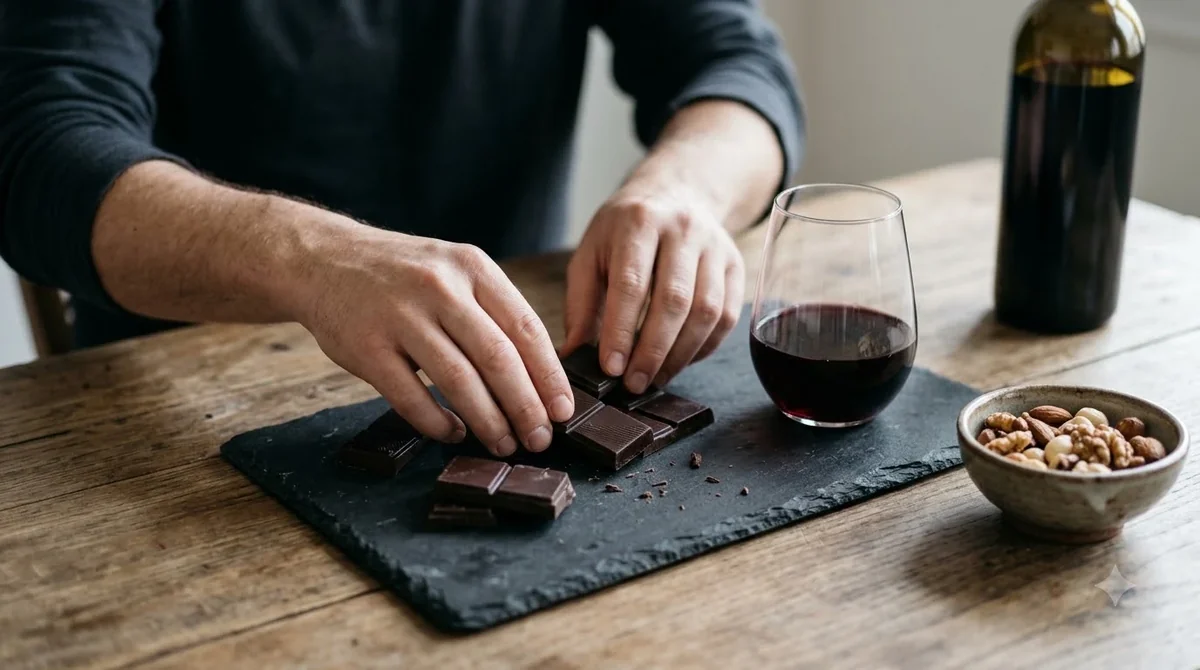
- Dessert enthusiasts: Raspberry, strawberry, and plum flavors work naturally alongside berry-based desserts and chocolate.
- Lower-ABV wine shoppers: The listed 5% ABV makes it an option for people comparing wines by alcohol concentration.
- Fans of chilled reds: Drinkers who enjoy refreshing, lightly fizzy beverages may prefer it to a heavier red served at room temperature.
There are also clear reasons some buyers should consider a different style. Someone who regularly chooses dry Bordeaux, Napa Cabernet Sauvignon, or traditional Chianti may find Stella Rosa Red too sweet and light. Its semi-sparkling character also means it does not deliver the same texture or structure as a still red wine.
For shoppers exploring the broader category, the Wine Brands collection can provide additional context about how producers position their wines and how different ranges appeal to different preferences.
Key Factors to Compare
The most important buying considerations are sweetness, alcohol content, grape composition, carbonation, and intended serving temperature. These five factors explain why Stella Rosa Red drinks differently from conventional dry reds and help determine whether its style matches your preferences.
Its official product information provides a useful starting point. The following table summarizes the principal characteristics of the standard Stella Rosa Red 750 ml bottle rather than combining specifications from other Stella Rosa products.
| Factor | Stella Rosa Red | What It Means |
|---|---|---|
| Wine style | Semi-sweet, semi-sparkling red | Noticeable sweetness with gentle carbonation |
| Main grape | Brachetto | Fruit-forward Italian red-wine character |
| Alcohol content | 5% ABV | Lower alcohol than conventional red table wine |
| Bottle size | 750 ml | Approximately five standard 5 oz pours |
| Country of origin | Italy | Italian-produced wine |
| Fruit flavors | Raspberry, strawberry, red plum | Bright, recognizable red-fruit character |
| Carbonation | Semi-sparkling | Light bubbles rather than a fully still texture |
| Dietary descriptions | Gluten-free and vegan | Both characteristics are stated by the producer |
Sweetness and acidity
Sweetness is probably the biggest consideration when deciding whether to buy this wine. Stella Rosa Red is not a dry red wine. Its semi-sweet classification indicates that residual sweetness remains noticeable, giving the wine a fruit-forward profile.
That sweetness does not necessarily mean the wine will feel heavy. Acidity can balance residual sugar, making a sweet wine feel fresher and more refreshing. The producer’s flavor description emphasizes ripe berries and plum rather than the dry, earthy, or heavily tannic characteristics associated with many traditional reds.
People accustomed to Cabernet Sauvignon or Syrah should expect a very different experience. Cabernet Sauvignon generally has high tannin, while Syrah often has medium-plus to high tannin. Stella Rosa Red is intended to be more approachable and less focused on that drying sensation.
Alcohol content and bottle size
The standard Stella Rosa Red product page lists 5% ABV. This is an important distinction because similarly named products within the same brand do not necessarily share identical alcohol specifications.
A 750 ml bottle contains approximately five standard 5 oz wine servings. At 5% ABV, its alcohol concentration is relatively low compared with conventional table wines, but serving size and total consumption still matter. A lower ABV does not eliminate alcohol-related impairment or risks.
Carbonation and texture
Stella Rosa Red is semi-sparkling, not fully still. Its bubbles contribute to the refreshing sensation and help distinguish it from ordinary sweet red table wine.
Buyers should consider whether they enjoy lightly effervescent beverages before purchasing. Someone looking for the familiar mouthfeel of a still Merlot may not enjoy the added liveliness, while someone who likes gentle bubbles may consider it a central part of the wine’s appeal.
Tip: Pay particular attention to the exact product name when comparing Stella Rosa bottles. Standard Stella Rosa Red is listed at 5% ABV, while Stella Rosa Rosso is listed separately at 5.5% ABV. Their tasting descriptions and product specifications should not be treated as interchangeable.
Step-by-Step: How to Choose and Enjoy Stella Rosa Red
Choosing this wine is relatively straightforward once you establish your sweetness preference and intended occasion. A few simple steps can help you avoid buying the wrong Stella Rosa expression or serving it in a way that hides its refreshing fruit character.
-
Identify the exact bottle.
Start by looking for Stella Rosa Red rather than assuming that every bottle with Stella Rosa and Red in its name is identical. The brand also offers Rosso and Rosso Red Berry products. The standard Red bottle is the one associated with the producer’s ripe raspberry, wild strawberry, and red plum tasting notes and its 5% ABV specification.
-
Decide whether you enjoy semi-sweet wine.
Think about your usual preferences. If you enjoy sweet sparkling wine, Moscato, or fruit-forward wine cocktails, Stella Rosa Red may be appealing. If you consistently choose dry Pinot Noir or Cabernet Sauvignon, its sweetness may feel unfamiliar. The wine is designed around fruit expression rather than a dry, tannic finish.
-
Consider the occasion.
This bottle is particularly suitable for informal gatherings, outdoor meals, dessert tables, and casual celebrations. Its lower alcohol concentration and gentle bubbles give it a different role from a structured red intended for a formal dinner. It can also work as an introductory red for someone who has not developed a taste for dry wines.
-
Choose appropriate food.
Start with the producer’s suggestions, including Asiago cheese, spicy cioppino, turkey burgers with onions, strawberry shortcake, and mixed berries. These recommendations cover savory, spicy, and sweet dishes, giving the wine several practical uses beyond drinking it on its own.
-
Chill the bottle before serving.
Lightly sparkling wines generally benefit from being served cold. A practical target for Stella Rosa Red is approximately 45 to 50 degrees Fahrenheit. Refrigerate it before opening and allow it to cool sufficiently rather than serving it at ordinary room temperature.
-
Pour a moderate serving.
A standard 5 oz pour is a useful reference for wine service. A 750 ml bottle provides approximately five such servings. Use a clean wine glass that leaves room to appreciate the aroma and observe the wine’s bubbles.
-
Evaluate the balance.
Pay attention to the interaction between fruit sweetness, acidity, and carbonation. Notice whether raspberry and strawberry dominate or whether the plum character becomes more apparent. This will help you decide whether the wine is enjoyable on its own or works better with food.
Following these steps also helps establish whether Stella Rosa Red is a suitable repeat purchase. Rather than judging it against a dry red wine’s traditional benchmarks, consider whether it delivers the sweet, fruity, lightly sparkling experience you actually want.
Types and Styles Explained
Stella Rosa offers several wines with overlapping names and fruit-forward characteristics. Understanding the difference between standard Red, Rosso, and Rosso Red Berry is especially important because their published specifications and tasting descriptions are not identical.
Stella Rosa Red
Standard Stella Rosa Red is the focus of this buying guide. Its producer describes it as a semi-sweet, semi-sparkling red wine made with Brachetto grapes, with 5% ABV and flavors of ripe raspberry, wild strawberry, and red plum.
The official food recommendations include Asiago cheese, spicy cioppino, turkey burgers with onions, strawberry shortcake, and mixed berries. These suggestions indicate that the wine is intended to work with both savory meals and sweet foods.
Its combination of relatively low alcohol, noticeable fruit, and gentle carbonation makes it particularly suitable for people who want something less traditional than a dry red table wine.
Stella Rosa Rosso
Rosso is another semi-sweet, semi-sparkling Italian red in the Stella Rosa range. Its product information identifies Brachetto as part of a proprietary red-grape blend and lists 5.5% ABV on the producer’s larger-format product page.
The Rosso description emphasizes fresh strawberry and red berry flavors. Wine.com also describes natural carbonation and high natural acidity, explaining how freshness can help balance the wine’s sweetness.
There is additional tasting information from Tastings.com for Stella Rosa NV Rosso. Its review describes cedar, grilled berries, cacao nibs, honeyed raisins, and passionfruit berry sorbet, alongside a moderately sweet, medium-bodied profile. That description applies to the Rosso wine reviewed, not automatically to the standard Stella Rosa Red bottle. Read the Tastings.com Stella Rosa Rosso review for the separate tasting assessment.
Stella Rosa Rosso Red Berry
Rosso Red Berry is another separately identified product. Its official description highlights fresh strawberries and red berries and identifies Brachetto grapes as part of its composition.
The producer recommends aged Gouda and pepper jack cheese, along with spicy pasta primavera and garlic bread. Its product page lists 5.5% ABV, making it another example of why shoppers should compare individual product specifications rather than assuming the entire range has the same alcohol concentration.
How the styles compare
| Product | Listed ABV | Producer’s Flavor Description | Style |
|---|---|---|---|
| Stella Rosa Red | 5% | Raspberry, wild strawberry, red plum | Semi-sweet, semi-sparkling |
| Stella Rosa Rosso | 5.5% | Fresh strawberry and red berries | Semi-sweet, semi-sparkling |
| Stella Rosa Rosso Red Berry | 5.5% | Fresh strawberries and red berries | Semi-sweet, semi-sparkling |
These are three related but distinct product descriptions. The differences in ABV, naming, and tasting notes make it important to identify the intended bottle before relying on a review or pairing recommendation.
For more information about the standard product, see our dedicated Stella Rosa Red wine page. Shoppers comparing the broader Rosso expression can also consult the Stella Rosa Red product information.
Common Mistakes When Buying Stella Rosa Red
The most common purchasing mistake is expecting Stella Rosa Red to behave like a conventional dry red wine. Its sweetness, carbonation, and lower alcohol content are defining characteristics rather than minor variations from a traditional table wine.
Expecting a dry finish
Stella Rosa Red is semi-sweet, so people who prefer completely dry wines should adjust their expectations. A traditional Cabernet Sauvignon often has firm tannins, concentrated dark fruit, and a relatively dry finish. Stella Rosa Red instead emphasizes recognizable red-fruit flavors and a sweeter overall impression.
That distinction is particularly important when buying wine for a group. Someone who enjoys sweet Moscato may appreciate Stella Rosa Red, while a guest who usually drinks dry Bordeaux might prefer another bottle.
Confusing Stella Rosa Red with Rosso
Product names are similar enough to create confusion. Standard Red has a listed 5% ABV, while the Rosso product page lists 5.5%. The tasting notes also differ slightly between the products.
This matters when comparing online descriptions, retailer listings, and independent reviews. A review of Rosso should not be used as a direct description of every detail of standard Stella Rosa Red. For alcohol-specific information, our Stella Rosa Red alcohol content reference provides a more focused starting point.
Serving it too warm
Another mistake is serving semi-sparkling red wine at the same temperature as a full-bodied red. Stella Rosa Red is designed to be enjoyed chilled. Serving it too warm can make its sweetness feel more prominent and reduce the refreshing impression of its bubbles.
Full-bodied reds such as Cabernet Sauvignon are commonly served around 60 to 65 degrees Fahrenheit. Light, refreshing wine styles generally benefit from cooler temperatures, and a target around 45 to 50 degrees Fahrenheit is a practical choice here.
Pairing it with heavily tannic foods
Sweet fruit-forward wine can work with a variety of dishes, but not every traditional red-wine pairing is appropriate. Very tannic wines and delicate oily fish can create an unpleasant combination, while chili heat can become more pronounced alongside alcoholic and tannic wines.
For Stella Rosa Red, consider the producer’s suggested spicy cioppino and turkey burgers instead of automatically choosing a heavy steak or highly tannic red-wine pairing. Its sweetness and fruit character offer a different approach to food matching.
Assuming low alcohol means no alcohol
At 5% ABV, Stella Rosa Red contains less alcohol than many conventional table wines. However, it remains an alcoholic beverage. The amount consumed, serving size, and drinking pace still influence total alcohol intake.
Buyers should not confuse a lower alcohol concentration with a non-alcoholic product. Anyone who needs to avoid alcohol should select an appropriately labeled alcohol-free alternative instead.
Care and Storage Tips
Stella Rosa Red is best treated as a ready-to-enjoy, fruit-forward wine rather than a bottle intended for extended cellar aging. Proper refrigeration, careful resealing, and sensible storage help preserve its refreshing characteristics after purchase.
Before opening
Store the bottle in a cool, dark location away from direct sunlight and large temperature fluctuations. A consistent temperature near 55 degrees Fahrenheit is a useful general wine-storage target, although ordinary refrigeration is appropriate when preparing a bottle for near-term consumption.
Keep the bottle away from heat sources, kitchen windows, and areas where temperatures change frequently. Excessive heat can accelerate deterioration, while direct sunlight can affect wine quality.
Because Stella Rosa Red is semi-sparkling, preserving its carbonation is also important. Avoid unnecessary agitation, and handle the bottle carefully when opening it.
Serving temperature
A temperature around 45 to 50 degrees Fahrenheit is a practical serving range for this style. Place the bottle in the refrigerator before serving and give it enough time to cool evenly.
Very cold temperatures can temporarily mute aromas, so there is no need to serve the wine directly from the coldest part of a freezer. A gradual adjustment in the glass can allow its strawberry, raspberry, and plum characteristics to become more noticeable.
After opening
Reseal the bottle promptly and return it to the refrigerator. A sparkling wine stopper can help preserve carbonation better than an ordinary loose cork or improvised cover.
For opened still wines, three to five days of refrigerated storage is a common general guideline, but sparkling wines often lose their bubbles sooner. The freshness and carbonation of a semi-sparkling bottle are especially important to its drinking experience, so it is generally preferable to enjoy it soon after opening.
Keep the bottle upright in the refrigerator once opened, and avoid repeated exposure to warm room temperatures. If the wine loses most of its bubbles or develops noticeably stale aromas, its original refreshing character may no longer be present.
Glassware and pouring
A standard wine glass is suitable for serving Stella Rosa Red. You do not need specialized equipment to enjoy it, although a glass with a narrower opening can help retain some of the aromas and bubbles.
Pour approximately 5 oz at a time, leaving adequate space in the glass. This gives the wine room to release its fruit aromas while making it easier to observe the carbonation.
For casual gatherings, keep the bottle chilled between pours rather than leaving it on a warm dining table. These simple habits help maintain the wine’s refreshing style throughout the occasion.
Frequently Asked Questions
Is Stella Rosa Red made from one grape variety?
The producer identifies Brachetto grapes in the wine’s composition, but its public product description does not provide a complete percentage breakdown of every grape used. It is therefore more accurate to describe it as a Brachetto-based wine rather than claim that it contains exclusively Brachetto. The exact blend proportions are not specified on the standard product page.
Is Stella Rosa Red a vintage or non-vintage wine?
The standard Red product page does not prominently specify a vintage classification in its published description. The separate Stella Rosa Rosso listing on Wine.com identifies that product as non-vintage. These details should not automatically be transferred between different bottles in the range.
Does Stella Rosa Red need to be decanted?
No conventional decanting process is necessary for this semi-sparkling wine. Unlike young, tannic Cabernet Sauvignon, which can benefit from 30 to 60 minutes of aeration, Stella Rosa Red is intended to be enjoyed chilled with its refreshing carbonation intact. Opening it shortly before serving is generally sufficient.
Can Stella Rosa Red be used in wine cocktails?
It can be incorporated into simple fruit-forward wine cocktails, provided the additional ingredients complement its sweetness and carbonation. Fresh berries, citrus, and a small amount of sparkling water are possible additions. Avoid excessive sweeteners, since the wine already has a semi-sweet profile.
Is Stella Rosa Red suitable for cooking?
It is generally better suited to drinking than to recipes requiring a dry red cooking wine. Its residual sweetness and carbonation can produce a different result from dry wine in sauces, braises, and reductions. For savory recipes that need wine acidity without additional sweetness, a dry red or dry white is usually a more predictable choice.
Stella Rosa Red is a distinctive choice for people who enjoy sweet red fruit flavors, gentle bubbles, and a relatively low 5% ABV. It is not designed to replace a traditional dry red, but it offers an approachable alternative for casual occasions, fruit-based desserts, and chilled wine service. If sweetness and light carbonation match your preferences, it is a style worth considering; if you prefer structured, tannic reds, a conventional dry wine will likely be a better fit.
More in Wine Brands
 Louis Latour Wine Price: Compare Bottles by Style and TierUpdated Nov 20, 2026
 Yellow Tail Moscato Price: What to Expect Before You BuyUpdated Nov 20, 2026
 Sutter Home Sweet Red Review: Find the Right Food PairingsUpdated Nov 20, 2026
 Franzia Chillable Red Review: Find the Right Serving StyleUpdated Nov 20, 2026
 Veuve Clicquot Rose Review: Flavor, Food Pairings and Buying AdviceUpdated Nov 20, 2026
 Rombauer Wine Price: Compare Bottles Before You BuyUpdated Nov 20, 2026