

We may earn a commission when you buy through links on this page, at no extra cost to you. Learn more.
Tommasi Amarone price typically falls around $40 to $65 for a 750 ml bottle in the United States, depending on the vintage, retailer, and local availability. This premium Italian red wine comes from Valpolicella Classica in Veneto and uses partially dried grapes to create concentrated fruit, structure, and complexity. Its three years of oak maturation and traditional production methods help explain why it costs more than everyday Italian red wines. Comparing retailers and vintages is the most practical way to find a bottle that fits your budget.
Tommasi Amarone della Valpolicella Classico occupies an interesting position in the Italian wine market. It offers the concentrated character associated with Amarone while retaining the balance and food-friendly structure that make it suitable for a substantial dinner. Its production requires additional vineyard selection, grape drying, and extended maturation, all of which influence its retail value.
Understanding the price means looking beyond the bottle itself. The grape blend, appassimento process, aging period, vintage, and retailer all help determine what American buyers should expect to pay. This guide explains the typical price range, what makes the wine expensive, how to compare bottles, and how to get the most enjoyment from a purchase.
Who This Wine Is For
Tommasi Amarone is best suited to buyers who appreciate concentrated Italian reds and want a substantial wine for a special meal or occasion. Its dried-grape production, 15% alcohol, and extended oak maturation give it a richer profile than many everyday table wines.
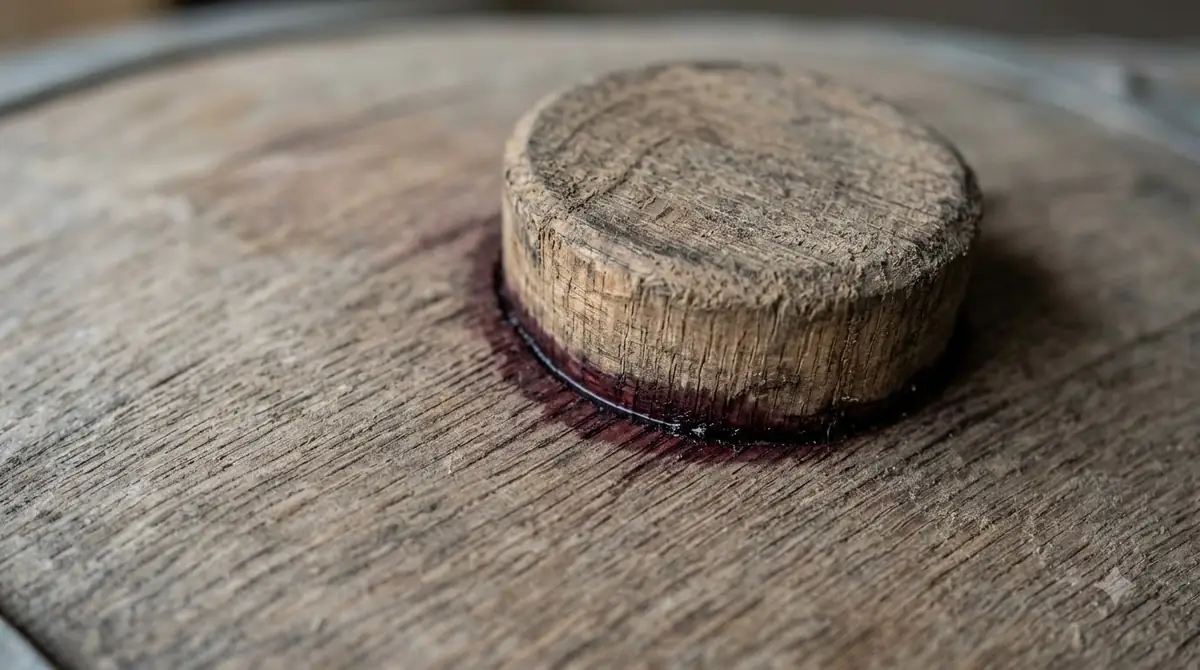
Amarone appeals particularly to drinkers who enjoy ripe cherries, black fruit, dried fruit, warm spice, and a structured finish. Tommasi’s official description emphasizes ripe cherry, black cherry, wild berries, and subtle spicy notes. The wine also has enough acidity and tannin to complement substantial food rather than functioning only as a sipping wine.
It makes sense for several types of buyers:
- Italian wine enthusiasts: People interested in traditional wines from Veneto will appreciate the combination of Corvina, Corvinone, Rondinella, and Oseleta.
- Special-occasion shoppers: A bottle works well for an anniversary dinner, holiday meal, birthday celebration, or formal dinner with guests.
- Collectors: Buyers interested in comparing vintages can explore how fruit, tannin, and savory characteristics develop over time.
- Full-bodied red wine drinkers: Those who enjoy concentrated reds with dark fruit and a substantial finish may find Amarone appealing.
- Food-focused buyers: Its structure makes it a natural match for roasted meats, game, and mature cheeses.
However, this is not necessarily the right purchase for someone looking for an inexpensive wine to serve casually. Its richer flavor and relatively high alcohol level can feel excessive alongside delicate seafood, light salads, or simple appetizers. Someone who prefers lighter reds may find Pinot Noir or a younger Valpolicella more appropriate.
Buyers should also distinguish Amarone from the wider Tommasi portfolio. The producer offers different Italian wine styles, and its name alone does not indicate that every bottle uses the same grape-drying process or requires the same production investment. Those exploring the producer’s range can start with this Tommasi Amarone overview.
Key Factors to Compare
The most important purchasing factors are the bottle size, vintage, retailer, and production characteristics. A 750 ml bottle is the standard comparison point, but the same wine can have noticeably different shelf prices depending on where it is sold.
Retail listings provide a useful indication of the American market. Total Wine listed a 750 ml bottle at approximately $38.99, while H-E-B listed the same named wine at approximately $64.99. These retailer observations support a practical shopping range of about $40 to $65 for a standard bottle, although prices vary by state and retailer. The two listings should be treated as market examples rather than a guaranteed national price.
| Buying factor | What to compare | Why it matters |
|---|---|---|
| Typical US price | About $40–$65 | Establishes a practical shopping budget. |
| Standard bottle | 750 ml | Provides a consistent comparison between retailers. |
| Alcohol content | 15% ABV | Indicates a relatively powerful, full-bodied wine. |
| Grape composition | 50% Corvina, 30% Corvinone, 15% Rondinella, 5% Oseleta | Explains its traditional Valpolicella character. |
| Grape drying | Approximately 100–110 days | Concentrates fruit and contributes to production costs. |
| Oak maturation | Three years | Requires additional cellar time and storage. |
| Serving temperature | Approximately 64°F | Helps reveal fruit, structure, and aroma. |
| Bottle volume | 750 ml | Provides approximately five standard 5 oz pours. |
The grape composition is particularly important because Amarone is not simply an ordinary red wine made from one variety. According to Tommasi, Corvina represents half of the blend, while Corvinone accounts for another 30%. Rondinella contributes 15%, and Oseleta makes up the remaining 5%.
Each variety contributes something different. Corvina provides refinement, Corvinone adds richness and velvety fruit, Rondinella contributes cherry character, and Oseleta supports the tannin structure. Together, they create a wine with concentrated fruit and enough structure to accompany substantial food.
Another important comparison is the aging process. Tommasi specifies three years of maturation in large Slavonian oak casks for its classic Amarone. That is a significant investment of cellar space and time compared with wines intended for relatively quick release.
For additional product information, the official Tommasi Amarone product description provides the producer’s grape percentages, vineyard origins, maturation details, and tasting characteristics.
Tip: Compare the same bottle size and vintage before judging two retailers’ prices. A 750 ml bottle of one vintage should not be compared directly with a larger format or a different vintage without accounting for those differences.
Step-by-Step Buying Guide
A good purchase starts with a realistic budget and a clear understanding of the wine being offered. Comparing the vintage, retailer, and bottle format before checkout helps prevent paying a premium without receiving a meaningful difference.
-
Set a reasonable budget.
Use approximately $40 to $65 as a practical starting range for a 750 ml bottle in the United States. A listing around the lower end may be attractive for a regular dinner, while a higher-priced listing deserves closer examination of the vintage, availability, and retailer.
-
Confirm the wine’s identity.
Look for Tommasi Amarone della Valpolicella Classico. Do not confuse it with ordinary Valpolicella, Valpolicella Ripasso, or another Tommasi red wine. These styles have different production methods and market positions.
-
Compare vintages.
Vintage differences can affect the wine’s development, availability, and retail value. A newer release may offer more primary fruit, while an older bottle may show more integrated flavors. The vintage alone does not guarantee that a bottle deserves a higher price.
-
Check the bottle format.
The standard 750 ml bottle is the easiest format for comparing prices. Larger formats may cost more overall and are generally more appropriate for group meals or collectors planning longer-term storage.
-
Compare several retailers.
Look at established wine retailers, local wine shops, and regional grocery stores with wine departments. Total Wine and H-E-B provide useful examples of how the same named wine can appear at different retail prices.
-
Evaluate storage conditions.
Choose a retailer that stores bottles away from excessive heat and direct sunlight. Wine that has spent time in a hot display area or poorly controlled warehouse may not represent good value, even if its listed price is attractive.
-
Plan the occasion.
Consider whether the bottle will accompany a dinner, be given as a gift, or be kept for future enjoyment. A richer wine such as Amarone is particularly appropriate for substantial meals and occasions where guests can take their time with the glass.
For a gift, presentation and storage are particularly important. A well-kept bottle from a reputable retailer is a better choice than an older bottle with uncertain storage history. If the recipient enjoys Italian wines, Amarone also offers an opportunity to introduce them to a traditional regional production method.
For regular consumption, the calculation is slightly different. A standard 750 ml bottle provides approximately five 5 oz servings, making it suitable for a dinner shared by several adults. Buyers planning a larger gathering should consider how many bottles are needed rather than assuming one bottle will serve everyone generously.
Amarone Production and Wine Styles Explained
Tommasi Amarone costs more partly because its production is considerably more involved than that of many conventional red wines. The defining method is appassimento, a traditional process in which selected grapes dry before fermentation.
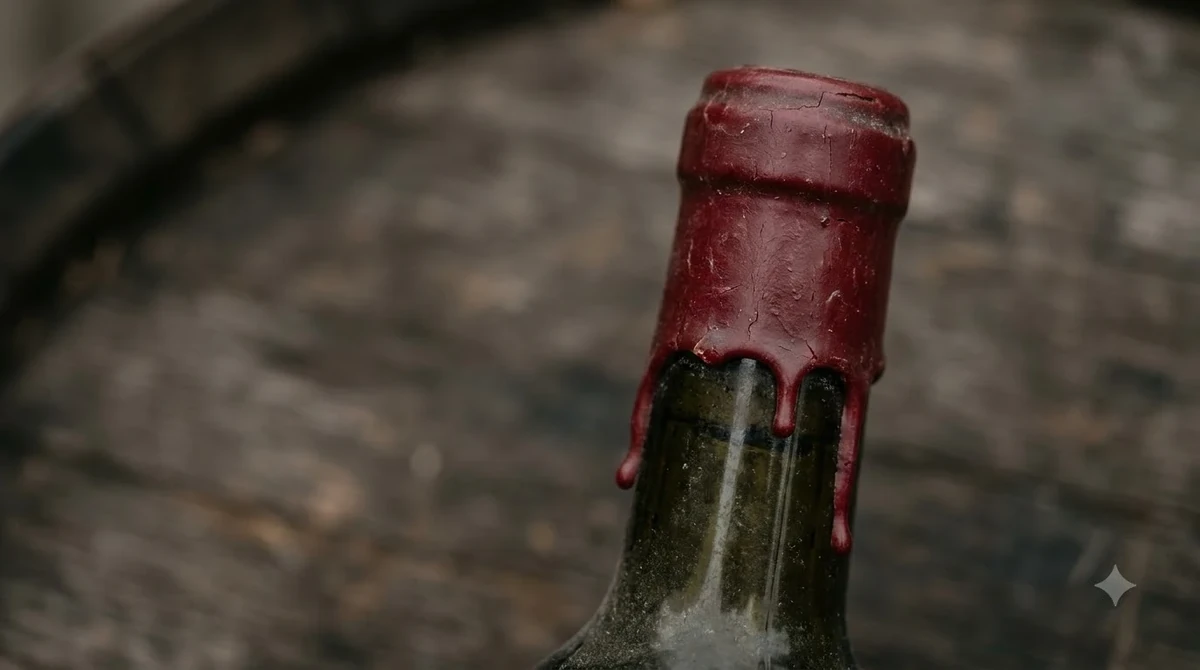
Tommasi explains that harvested grapes are manually selected and placed on traditional bamboo racks called Arele. They remain in a dedicated, ventilated space for approximately 100 days. During drying, water evaporates from the grapes, concentrating their remaining sugars and aromatic compounds.
The producer estimates that the drying process reduces grape bunch volume by approximately 40%. It also reports that around 10 kilograms of dried grapes are needed to produce one bottle of Amarone. These figures help explain why Amarone requires more raw grape material than many conventional red wines.
Understanding the appassimento process
Once drying is complete, the grapes are pressed and fermented. Tommasi’s production description specifies fermentation in stainless steel for approximately 25 days at temperatures between 25°C and 30°C. The wine then matures for three years in large Slavonian oak casks before bottling.
The extended drying and aging stages influence the final style. Rather than producing a simple fresh-fruit red, the process creates a concentrated wine with ripe cherry, dried fruit, dark berries, and warm spice. Its texture is substantial, while acidity and tannin provide structure.
Amarone versus Valpolicella Ripasso
Buyers comparing Tommasi Amarone with other wines from Valpolicella should understand the distinction between Amarone and Ripasso. Amarone is made from dried grapes, while Ripasso uses a secondary fermentation process involving the grape skins left after Amarone production.
Ripasso generally offers a more accessible middle ground for people who enjoy richer Italian reds but do not need the full concentration of Amarone. It is often a practical alternative for a weeknight dinner, while Amarone is better suited to a more substantial meal or a special occasion.
Amarone versus everyday Italian reds
Ordinary Valpolicella typically emphasizes fresher fruit and a lighter structure. Amarone, by contrast, has greater concentration, more substantial body, and a higher alcohol level. Its production also requires more time and handling.
This distinction is important when comparing Tommasi with inexpensive supermarket wines. For instance, Barefoot wine occupies a different everyday-drinking category, with a very different purchasing purpose. Comparing its general retail positioning directly with Amarone would not tell buyers much about the value of either wine.
Likewise, La Marca Prosecco is a sparkling wine rather than a concentrated red. It suits different occasions, foods, and serving temperatures. The better comparison is between wines serving the same purpose, not simply between bottles carrying different price tags.
Common Mistakes When Comparing Prices
The most common shopping mistakes involve comparing different wine categories, ignoring vintage differences, and assuming a higher shelf price automatically indicates better quality. Understanding the production method and the actual bottle being purchased leads to a more useful comparison.
Confusing Amarone with Ripasso
Amarone and Ripasso are both associated with Valpolicella, but they are not interchangeable products. Amarone requires the drying of selected grapes before fermentation, while Ripasso uses a different production technique involving Amarone grape skins.
Because the production methods differ, the wines can have different levels of concentration, texture, and retail value. A cheaper Ripasso bottle should not automatically be considered a less expensive version of the same Amarone.
Assuming every vintage costs the same
Wine vintages can differ in availability and market demand. A widely available newer vintage may be priced differently from an older vintage that has become harder to find. The same producer and appellation do not mean every bottle should carry an identical retail value.
For that reason, compare the vintage printed on the bottle with the vintage identified in the retailer’s product listing. This is particularly important when shopping online, where product photographs sometimes show a different vintage from the one currently available.
Paying extra without understanding the reason
A higher price may reflect retailer margins, local distribution costs, inventory shortages, or a particular vintage. It does not automatically mean the wine has undergone a different production process or offers a better drinking experience.
Look for a clear explanation of the price difference. A meaningful comparison should include the bottle size, vintage, storage history, and product identity rather than relying on a retailer’s general premium-wine description.
Ignoring the wine’s intended use
Another mistake is buying Amarone for a meal that would be better served by a lighter wine. A powerful 15% ABV red can dominate delicate dishes and simple appetizers. Its concentration makes more sense alongside roasted meat, game, or mature cheese.
Buyers who want an uncomplicated bottle for a casual gathering may be happier with a younger Italian red. Choosing the right wine for the occasion is more useful than paying extra for prestige that the meal does not require.
Overlooking storage history
Wine quality can suffer if bottles are exposed to high temperatures, strong sunlight, or repeated temperature changes. An inexpensive bottle stored poorly may be a worse purchase than a slightly more expensive bottle from a reliable wine merchant.
For an older vintage, storage history deserves particular attention. Amarone can develop over time, but that potential depends on how the wine has been kept.
Serving, Care, and Storage Tips
Proper serving and storage help preserve the qualities that justify buying a premium bottle. Tommasi recommends serving its classic Amarone at 18°C, approximately 64°F, which is close to the ideal range for many full-bodied reds.
Although Amarone has considerable body, serving it too warm can make the alcohol seem more prominent and obscure the fruit. A slightly cool starting temperature allows the wine to open gradually in the glass as it approaches room temperature.
Serving temperature and preparation
For practical home service, aim for approximately 60–65°F for a full-bodied red. If the bottle has been stored in a warm room, a short period in the refrigerator can help bring it closer to the recommended serving temperature.
Opening the bottle approximately 30–60 minutes before dinner can help a young, full-bodied red develop its aromas. A decanter is useful when additional aeration is desirable, although it is not essential for every bottle. Older bottles should be handled more gently because extended aeration may not always improve their condition.
Food pairing
Tommasi identifies game, red meats, and mature cheeses as suitable accompaniments. These foods have enough flavor and texture to complement the wine’s concentrated fruit and tannin.
- Roast beef: Rich meat flavors complement the ripe cherry and darker fruit profile.
- Braised short ribs: Slow-cooked meat and savory sauce suit the wine’s substantial structure.
- Venison: Game flavors provide a natural match for a traditional Amarone.
- Grilled lamb: The meat’s richness works well with the wine’s concentrated character.
- Aged Parmesan: Mature cheese offers saltiness and savory depth that complement the red wine.
- Beef stew: Slow-cooked ingredients provide enough intensity to stand alongside a full-bodied wine.
For a complete Italian-inspired dinner, consider braised beef, roasted vegetables, and aged cheese. Avoid pairing this wine with extremely delicate fish or lightly seasoned dishes that can disappear beside its strong fruit and alcohol.
Long-term storage
Store unopened bottles in a cool, dark place near 55°F, away from direct sunlight and temperature fluctuations. If the bottle has a natural cork, keeping it on its side helps maintain contact between the cork and wine.
A dedicated wine refrigerator is useful for people who regularly purchase premium bottles. However, a consistently cool and dark storage area can also work for bottles intended for relatively short-term keeping.
Once opened, reseal the bottle and refrigerate it. Most opened still wines are best consumed within approximately three to five days, although their condition depends on the amount of oxygen exposure and the wine’s original state. Allow refrigerated Amarone to warm slightly before serving again.
These practical steps help protect the investment in the bottle. They also make it easier to enjoy Amarone over several meals rather than feeling obligated to finish an entire bottle in one sitting.
Frequently Asked Questions
Is Tommasi Amarone considered a DOCG wine?
Yes. Tommasi Amarone della Valpolicella Classico carries the Amarone della Valpolicella Classico DOCG designation. DOCG is Italy’s highest traditional wine appellation classification and identifies a wine subject to specific production and origin requirements. The designation is not a numerical quality score or a guarantee that every vintage will taste identical.
Does Tommasi Amarone contain residual sugar?
Amarone is generally classified as a dry red wine despite the concentrated fruit character produced by appassimento. The grape-drying process increases concentration, but that does not automatically mean the finished wine is sweet. Its ripe cherry, raisin, and dried-fruit impressions can create a perception of sweetness even when the wine is technically dry.
How many calories are in a glass of Tommasi Amarone?
The exact calorie count depends on the wine’s alcohol and residual sugar measurements. At approximately 15% ABV, Amarone generally contains more alcohol-related energy per serving than many lighter red wines. The producer’s published product information does not provide a verified calorie figure for the bottle.
Can Tommasi Amarone be served without decanting?
Yes. Decanting is optional rather than a requirement. A younger bottle may benefit from 30–60 minutes of aeration, but a bottle that already shows expressive fruit can be poured directly into a suitable wine glass. Older bottles may need careful handling to avoid disturbing sediment.
What does Amarone mean in Italian wine terminology?
The name is commonly associated with the Italian word for bitter, distinguishing the dry Amarone style from sweeter Recioto wines made in the same broad Valpolicella tradition. Despite its dried-fruit aromas, Amarone is not intended to be a dessert wine. Its concentrated flavors and substantial structure distinguish it from lighter regional reds.
Tommasi Amarone is a worthwhile consideration for buyers who appreciate traditional Veneto reds, concentrated fruit, and extended oak maturation. A practical American shopping budget is approximately $40 to $65 for a 750 ml bottle, with vintage and retailer differences influencing the final amount. Compare the bottle carefully, buy from a reputable merchant, and serve it alongside substantial food to make the most of this distinctive Italian wine.
More in Wine Brands
 Louis Latour Wine Price: Compare Bottles by Style and TierUpdated Nov 20, 2026
 Yellow Tail Moscato Price: What to Expect Before You BuyUpdated Nov 20, 2026
 Sutter Home Sweet Red Review: Find the Right Food PairingsUpdated Nov 20, 2026
 Franzia Chillable Red Review: Find the Right Serving StyleUpdated Nov 20, 2026
 Veuve Clicquot Rose Review: Flavor, Food Pairings and Buying AdviceUpdated Nov 20, 2026
 Rombauer Wine Price: Compare Bottles Before You BuyUpdated Nov 20, 2026