


We may earn a commission when you buy through links on this page, at no extra cost to you. Learn more.
This stella rosa peach wine review finds a lightly sparkling, moderately sweet Moscato-based wine with fresh white peach and honey flavors, making it a good choice for drinkers who prefer approachable, fruit-forward wines. Stella Rosa Peach comes from Italy, has 5% alcohol by volume, and combines a gentle sparkle with noticeable sweetness. It is better suited to casual sipping, fruit-based desserts and relaxed gatherings than to drinkers looking for a dry, traditional white wine.
Stella Rosa Peach occupies a particular spot between conventional white wine and sweet sparkling wine. Its peach-forward character, approachable alcohol level and soft carbonation make it easy to understand, even for someone who does not regularly drink wine. However, sweetness preferences matter: its fruit-driven profile will appeal to some people much more than others. Understanding its ingredients, flavor, serving temperature and food compatibility makes it easier to decide whether this bottle belongs at the table.
Who This Wine Is For
Stella Rosa Peach is best suited to people who enjoy noticeable fruit flavors, moderate sweetness and gentle bubbles. Its 5% ABV and Moscato-based composition give it a different drinking experience from a typical full-strength Chardonnay or Sauvignon Blanc.
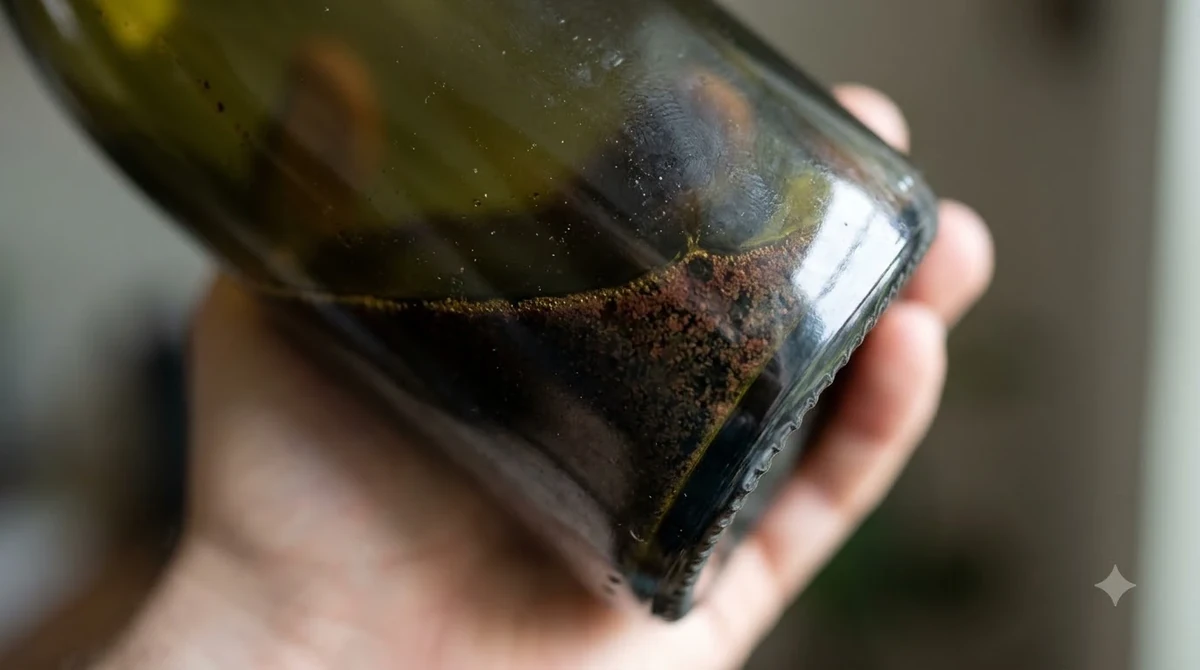
The most obvious audience is someone who enjoys peach-flavored drinks but wants a wine-based alternative. The official producer description emphasizes ripe white peach and honey, while Tastings identifies additional aromas of elderflower, orange blossom, lemon basil and spiced peach. These descriptions suggest a wine that is fruit-led but not necessarily one-dimensional. The combination of floral and lightly herbal impressions gives it more character than a simple sweet peach beverage.
It is also a reasonable option for casual occasions where guests have different levels of wine experience. A person who usually prefers Moscato, fruit-forward sparkling wine or sweeter white blends may find its profile familiar. Someone who regularly drinks bone-dry Riesling, mineral-driven Chablis or intensely acidic Sauvignon Blanc may find the sweetness more prominent than desired.
The wine’s relatively low alcohol content is another distinguishing feature. At 5% ABV, it is considerably lighter in alcohol than many conventional table wines, although it remains an alcoholic beverage. Its sweetness and fruit character should not be confused with an absence of alcohol or with a nonalcoholic drink.
Consider these drinking preferences before choosing a bottle:
- Fruit-forward wine drinkers: The white peach and honey profile is the main attraction.
- Moscato fans: The grape foundation and moderate sweetness offer a familiar direction.
- Casual sparkling wine drinkers: Gentle carbonation provides freshness without the intensity of traditional Champagne.
- Dessert wine drinkers: The sweetness works particularly well with fruit desserts and creamy sweets.
- Dry wine enthusiasts: The noticeable fruit sweetness may not match their usual preferences.
People shopping for a bottle should also distinguish the standard Peach expression from other products in the Stella Rosa portfolio. The brand produces multiple fruit-flavored wines, and peach-specific information should not automatically be applied to its other varieties. The broader Stella Rosa wine collection offers a useful starting point for understanding those differences.
Key Factors to Compare Before Choosing
The most important buying considerations are sweetness, alcohol strength, carbonation, grape composition and bottle size. These five factors explain most of the differences between Stella Rosa Peach and a conventional dry white wine.
| Factor | Stella Rosa Peach | What It Means |
|---|---|---|
| Wine style | Semi-sweet white | Noticeable fruit sweetness |
| Carbonation | Semi-sparkling | Gentle bubbles rather than an intensely sparkling texture |
| Primary grape | Moscato | Fruit-forward aromatic character |
| Alcohol content | 5% ABV | Lower alcohol than many conventional table wines |
| Residual sugar | 10% | Reported by Tastings for its reviewed bottle |
| Standard bottle | 750 ml | Approximately five standard 5-ounce pours |
| Country of origin | Italy | Italian-produced wine |
| Flavor profile | White peach and honey | Sweet, fruity and aromatic |
The figures in the table distinguish manufacturer specifications from independent tasting information. Stella Rosa identifies the standard 750 ml bottle and 5% ABV on its official Stella Rosa Peach product page. Tastings independently reports 10% residual sugar for its reviewed wine, along with the same alcohol percentage. These details help establish why the wine tastes noticeably sweeter than a dry white wine.
Sweetness is arguably the most important comparison. The producer describes Peach as semi-sweet, while Tastings classifies its sweetness as moderate. These descriptions are compatible: the wine has recognizable sweetness without necessarily tasting like a thick dessert syrup. Its fruit flavors are supported by natural acidity, which helps keep the finish from feeling excessively heavy.
Carbonation is another consideration. Stella Rosa Peach is semi-sparkling, meaning its bubbles are part of the drinking experience but are not intended to deliver the forceful mousse associated with some traditional sparkling wines. This makes it particularly suitable for casual pours, outdoor meals and fruit-based cocktails.
The grape composition also matters. Moscato is known for its aromatic character and can produce wines with recognizable floral and fruit notes. In Stella Rosa Peach, the Moscato foundation is combined with natural peach flavoring. The result should therefore be understood as a flavored wine rather than a straightforward, unflavored Moscato bottling.
For readers comparing its strength with other bottles, the dedicated Stella Rosa Peach wine alcohol content explanation provides a more focused look at the 5% ABV figure and how it compares with conventional wine.
Tip: Pay attention to both sweetness and carbonation when comparing peach wines. A wine can taste refreshing because of its bubbles and acidity while still containing substantial residual sugar. Stella Rosa Peach is best understood as a moderately sweet, lightly sparkling wine rather than a dry white wine.
Step-by-Step: How to Evaluate Stella Rosa Peach
A simple tasting process helps reveal whether the wine matches personal preferences. Focus on temperature, aroma, sweetness, acidity and finish rather than judging the bottle by its peach flavor alone.
- Chill the bottle before opening. Place the wine in the refrigerator until it is properly chilled. A serving range of approximately 40 to 50 degrees Fahrenheit works well for sparkling wines and helps keep the sweetness from dominating the first impression.
- Choose an appropriate glass. A small white wine glass or sparkling wine glass works well. A Champagne flute can preserve the visual impression of the bubbles, while a regular wine glass gives more room to examine the aromas.
- Pour a moderate serving. Start with approximately 5 ounces. A standard 750 ml bottle provides about five such servings, making it straightforward to estimate portions for a small gathering.
- Observe the bubbles. Look for the gentle carbonation that distinguishes this wine from still white wines. Its semi-sparkling style should provide a light, refreshing sensation rather than the intense mousse of traditional bottle-fermented sparkling wine.
- Smell the wine before sipping. Look for ripe white peach, honey and floral impressions. Tastings additionally identifies spiced peach, sultanas, lemon basil, elderflower and orange blossom in its assessment.
- Evaluate the sweetness. Take a small sip and consider whether the peach character tastes fresh, honeyed or distinctly sugary. Its moderately sweet profile should be noticeable, but the wine’s acidity helps provide balance.
- Pay attention to the finish. Notice whether the fruit flavors remain after swallowing. Tastings identifies apricot sorbet and a hint of sandalwood among the finishing impressions, offering a more layered picture than peach sweetness alone.
- Try it with food. Taste a small portion alongside aged cheddar, fresh strawberries or vanilla gelato. Compare how the wine’s sweetness and acidity interact with the food before deciding which pairing works best.
This process is particularly useful for people who are unfamiliar with semi-sparkling wine. It separates the different characteristics that contribute to the overall impression instead of treating sweetness as the only important quality.
For example, a person might enjoy the initial peach aroma but prefer a drier finish. Another might appreciate the honey character but find the carbonation more refreshing than expected. Both reactions are useful because they help determine whether another bottle of the same style would suit future occasions.
Temperature can significantly change the impression. A colder serving generally makes sweetness seem less prominent and keeps the bubbles refreshing. As the wine warms in the glass, its peach and floral aromas may become more noticeable, but the sweetness can also become more apparent.
Wine Style, Sweetness and Flavor Explained
Stella Rosa Peach belongs to the semi-sweet, semi-sparkling flavored white wine category. Its Moscato foundation, natural peach flavoring and gentle carbonation create a profile that differs from both dry Italian white wine and traditional sweet dessert wine.

Understanding the style begins with Moscato. This aromatic grape family is associated with floral aromas, ripe fruit and refreshing acidity. It is commonly used for wines that emphasize fragrance and approachable sweetness. Stella Rosa uses Moscato as the primary grape in its Peach blend, alongside other varietals.
The peach component provides the recognizable flavor identity. The producer describes fresh, ripe white peach and honey, while the independent Tastings review of Stella Rosa NV Peach expands that profile with spiced peach, dried fruit, citrus-herb and floral notes. The result is a wine that has more aromatic detail than its simple fruit name might suggest.
How Sweet Is Stella Rosa Peach?
It is best described as moderately sweet rather than dry. The producer’s semi-sweet classification and the 10% residual sugar reported by Tastings indicate that sweetness is a central part of its character.
Residual sugar refers to the sugar remaining in wine after fermentation. It helps explain why Stella Rosa Peach tastes sweeter than a typical dry Pinot Grigio or Sauvignon Blanc. However, sweetness alone does not determine whether a wine feels heavy. Acidity, carbonation and temperature also influence the overall impression.
That balance is important here. The wine’s fruit character is supported by natural acidity, according to the product information published by Vons. Its light bubbles also provide a refreshing sensation that can make the sweetness feel more approachable.
How Sparkling Is It?
Stella Rosa Peach is semi-sparkling, not a fully sparkling Champagne-style wine. Its carbonation develops during fermentation, according to the product description reproduced by Vons. This gives the wine a gentle fizz rather than the pronounced pressure and persistent mousse associated with traditional Champagne.
The distinction matters because different sparkling styles provide different experiences. Prosecco is typically produced from Glera using the tank method, while Champagne undergoes its second fermentation in the bottle. Stella Rosa Peach has its own production approach and should not be treated as interchangeable with either category.
How It Compares With Other Wine Styles
- Dry Pinot Grigio: Usually offers a much less sweet, crisper profile.
- Sauvignon Blanc: Typically emphasizes higher acidity, citrus and herbal flavors rather than sweet peach.
- Traditional Moscato: Shares aromatic grape characteristics, but the peach flavoring gives Stella Rosa Peach a more specific fruit identity.
- Sweet sparkling wine: Shares the fruit-forward character and carbonation, although sweetness levels vary significantly between bottles.
- Still dessert wine: Can offer similar sweetness, but lacks the gentle bubbles that distinguish Stella Rosa Peach.
These comparisons are useful because wine labels do not always communicate how sweet a bottle will taste. A person who enjoys Moscato may find Stella Rosa Peach familiar, while someone accustomed to very dry white wines may prefer a different category.
The most accurate expectation is a light-bodied, aromatic wine with recognizable peach sweetness and moderate carbonation. It is not designed to imitate a complex, dry, oak-aged white wine. Its appeal comes from an accessible flavor profile rather than traditional winemaking complexity.
Common Mistakes When Choosing or Serving Peach Wine
The biggest mistakes are assuming peach wine is dry, expecting Champagne-level bubbles and serving it too warm. Understanding the difference between fruit flavor, sweetness and sparkling intensity makes the bottle much easier to appreciate.
Assuming Peach Flavor Means Dryness
Peach aromas can appear in both dry and sweet wines. A dry Riesling, for example, may show stone-fruit aromas without tasting sugary. Stella Rosa Peach is different because its semi-sweet classification and reported residual sugar make sweetness a central characteristic.
Someone who expects a crisp, dry white wine may therefore be surprised by the first sip. The better approach is to consider it alongside Moscato and other fruit-forward sparkling wines rather than comparing it exclusively with dry table wines.
Expecting Strong Champagne Bubbles
Semi-sparkling and fully sparkling are not identical categories. Stella Rosa Peach is intended to have gentle carbonation, so it may feel softer than Champagne or many traditional sparkling wines.
That difference is not necessarily a flaw. A softer fizz works well with the wine’s moderate sweetness and approachable style. It simply means the bottle is not the ideal choice for someone specifically seeking the intense mousse and pronounced structure of traditional sparkling wine.
Serving It Too Warm
Warm serving temperatures can make sweet wines seem heavier and less refreshing. Stella Rosa recommends enjoying Peach chilled, and a temperature around 40 to 50 degrees Fahrenheit is a practical starting point for its semi-sparkling style.
Serving it directly from a warm room-temperature storage area can make the sweetness more obvious and reduce the refreshing impression of its carbonation. Refrigeration before serving is the easiest way to avoid this issue.
Pairing It With Extremely Sweet Desserts
Wine generally tastes less sweet when served alongside a dessert that is sweeter than the wine itself. This can make a moderately sweet wine seem unexpectedly tart or less flavorful.
Vanilla gelato and chocolate mousse are possibilities identified by Tastings, but the dessert’s sweetness matters. A moderately sweet vanilla dessert is more likely to maintain balance than an intensely sugary confection.
Ignoring Food Acidity and Texture
Acidic foods generally work better with wines that have equal or higher acidity. Very rich foods can also change how sweetness and carbonation are perceived. A balanced pairing should consider both the wine’s fruit character and the food’s texture.
For example, a summer salad with strawberries and field greens is a producer-recommended combination. The fruit echoes the peach character, while the fresh ingredients provide contrast. Aged cheddar creates a different experience because its savory richness contrasts with the wine’s fruit sweetness.
Treating Low Alcohol as Nonalcoholic
At 5% ABV, Stella Rosa Peach contains alcohol. Its lower strength compared with many conventional wines does not make it alcohol-free, and the sweetness does not change that fact. Anyone choosing a beverage for an alcohol-free occasion should select a genuinely nonalcoholic alternative.
Serving, Pairing and Storage Tips
Stella Rosa Peach works best chilled, poured in moderate servings and paired with foods that complement its peach and honey character. Proper refrigeration after opening also helps preserve its freshness and carbonation.
Best Serving Temperature
A serving temperature of approximately 40 to 50 degrees Fahrenheit is a useful guideline for sparkling wines. This range helps keep Stella Rosa Peach refreshing and prevents its sweetness from becoming overly prominent.
Refrigerate the bottle before serving and pour it into clean glasses. If the wine becomes warmer during a meal, return the bottle to the refrigerator rather than leaving it on the table for an extended period.
Food Pairings That Work Well
The producer recommends aged cheddar, Dubliner Irish cheddar and summer salad with field greens and strawberries. These are useful starting points because they combine savory, fresh and fruity elements.
| Food | Why It Works | Serving Occasion |
|---|---|---|
| Aged cheddar | Savory richness contrasts with peach sweetness | Cheese board |
| Dubliner Irish cheddar | Firm texture and savory character provide contrast | Casual appetizer |
| Strawberry salad | Fresh fruit complements the wine’s aromatic profile | Summer lunch |
| Vanilla gelato | Creamy texture complements peach and honey flavors | Dessert |
| Chocolate mousse | Rich chocolate contrasts with fruit-forward wine | After-dinner serving |
| Mixed nuts | Toasted, savory flavors balance fruit sweetness | Light snack |
The dessert suggestions come from Tastings, while the cheese and salad recommendations come directly from the producer. These pairings are not rigid rules. They are starting points for matching a moderately sweet wine with food that either complements its fruit character or provides a savory contrast.
Spicy dishes require a little more care. Alcohol and tannin can amplify chili heat, although Stella Rosa Peach has relatively little tannin compared with red wines. A mildly spiced dish may work better than something extremely hot, especially because the wine’s sweetness can create a noticeable contrast with strong chili flavors.
Serving Over Ice and Making Cocktails
Stella Rosa Peach can also be poured over ice, according to the product information published by Vons. This approach creates a more casual serving style and can be useful at warm-weather gatherings.
Ice gradually dilutes the wine, so the peach flavor and sweetness become less concentrated. Use a small amount of ice initially if preserving the wine’s original character is important.
The wine can also be used as a fruit-forward cocktail ingredient. Its peach and honey notes can complement fresh strawberries, citrus and other fruit flavors. A simple preparation is to pour chilled Stella Rosa Peach over ice and add a small amount of fresh citrus for contrast. Avoid adding too much sweet mixer because the wine already has noticeable residual sugar.
Storage After Opening
Keep an opened bottle refrigerated and close it securely with an appropriate sparkling wine stopper. The remaining carbonation is part of the wine’s appeal, so minimizing exposure to air is useful.
As a general guideline, opened sparkling wine is best consumed within approximately one to three days. The actual condition depends on how much wine remains, how securely it is sealed and how consistently it is refrigerated.
For unopened bottles, a cool, dark storage area is preferable to a warm kitchen shelf or a location exposed to direct sunlight. A temperature near 55 degrees Fahrenheit is a useful general wine-storage target. Because Stella Rosa Peach is intended to be enjoyed for its fresh fruit character, there is little reason to hold an ordinary bottle for extended aging.
For more background on selecting bottles from the same producer and understanding the differences between fruit-forward varieties, browse our Wine Brands resource.
Frequently Asked Questions
Does Stella Rosa Peach contain actual peach juice?
The ingredient information published by Vons lists natural flavors and explicitly states that no added juice is included. The peach character comes from the wine’s flavoring rather than an added serving of peach juice. This distinction is useful for people comparing flavored wines with fruit-based wine beverages.
Does Stella Rosa Peach have a vintage year?
The reviewed bottle is identified by Tastings as NV, meaning non-vintage. This designation indicates that the wine is not presented as a single-harvest vintage bottling. Its appeal is based on its consistent fruit-forward style rather than a particular harvest year.
Does Stella Rosa Peach require a special sparkling wine opener?
The standard product is sold in a screw-cap format according to retailer product information. This makes opening it straightforward without the wire cage and cork-handling process associated with many traditional sparkling wines. Secure the bottle again with a suitable stopper after pouring.
Is Stella Rosa Peach considered a dessert wine?
It can be served alongside dessert because its moderate sweetness complements fruit-based and creamy sweets. However, its formal product description identifies it as a semi-sweet, semi-sparkling white wine rather than requiring it to be classified exclusively as a dessert wine. Its versatility also makes it suitable for appetizers and casual meals.
What does NV mean on a Stella Rosa Peach wine review?
NV stands for non-vintage and indicates that the wine is not designated with one specific harvest year. This is common for many approachable sparkling and blended wines. It allows the producer to maintain a recognizable house style across different bottlings.
Stella Rosa Peach is a distinctive choice for drinkers who enjoy moderately sweet wine, gentle carbonation and recognizable white peach flavors. Its 5% ABV, Moscato foundation and approachable serving style make it particularly suitable for casual occasions and fruit-friendly food pairings. If those characteristics match your preferences, it is a sensible bottle to consider; if you prefer dry, still white wine, a different style will probably be a better match.
More in Wine Brands
 Louis Latour Wine Price: Compare Bottles by Style and TierUpdated Nov 20, 2026
 Yellow Tail Moscato Price: What to Expect Before You BuyUpdated Nov 20, 2026
 Sutter Home Sweet Red Review: Find the Right Food PairingsUpdated Nov 20, 2026
 Franzia Chillable Red Review: Find the Right Serving StyleUpdated Nov 20, 2026
 Veuve Clicquot Rose Review: Flavor, Food Pairings and Buying AdviceUpdated Nov 20, 2026
 Rombauer Wine Price: Compare Bottles Before You BuyUpdated Nov 20, 2026