

We may earn a commission when you buy through links on this page, at no extra cost to you. Learn more.
The best wine cellar door is the one that holds a steady temperature, keeps light out, and seals well, and the material matters less than how tightly it closes. Solid wood, insulated steel, and glass-fronted doors each suit a different room. Choose by the cellar’s climate, how often you open it, and whether the bottles are meant for display or long-term aging.
A wine cellar door controls the conditions inside the room more than almost any other part of the build. Every time it opens, warm air enters and the temperature swings, and a door that does not seal lets humidity drift in and out. Because a door is the one part of a cellar that gets used daily, it is worth comparing carefully before you buy. This roundup groups the main door types by how they perform and where they fit, so you can narrow the choice before comparing specific products.
Quick Comparison
Wine cellar doors differ mainly in insulation, light control, and how they open. The table below compares the common types on those points. Start with the row that matches your room, then read the sections that explain each one in more detail.
| Door type | Insulation | Light control | Space needed | Best use |
|---|---|---|---|---|
| Solid wood door | Good when the frame seals well | Full, with no gaps | Swing clearance needed | Traditional cellars and aging |
| Insulated steel door | Strong, often with foam core | Full | Swing clearance needed | Climate-controlled rooms |
| Glass-fronted door | Lower than solid doors | Partial, depends on glass | Swing clearance needed | Displaying bottles |
| Sliding door | Varies with seal quality | Full when closed | Little swing space | Tight spaces and closets |
| Pre-hung door kit | Depends on the kit | Full when sealed | Standard swing | Simple installs and DIY builds |
Best for traditional aging rooms: solid wood doors
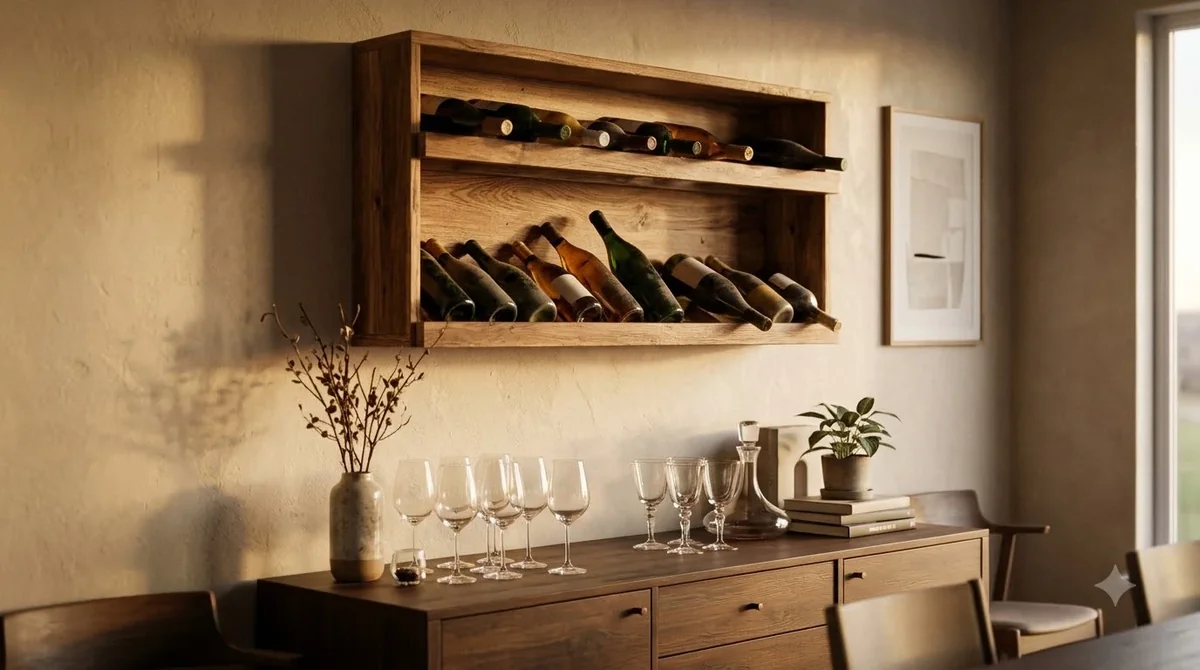
A solid wood door is the classic choice for a home cellar. Wood is a sturdy material, and a well-fitted solid door blocks light completely while adding a natural look that suits a basement or a wine room with stone walls. It works best when the frame is sealed tightly, because a wood door alone does not guarantee insulation.
Why it stands out: wood is easy to match with other cellar finishes, and a solid door keeps out light from the room. It also feels substantial, which many people associate with a serious cellar.
Keep in mind: wood can move with humidity, so a door that fits well in winter may stick in summer. Check the weatherstripping and the threshold before you commit, and plan for the door to need occasional adjustment.
Best for: traditional home cellars, basements with a stable climate, and anyone who wants a classic look.
Best for climate-controlled rooms: insulated steel doors
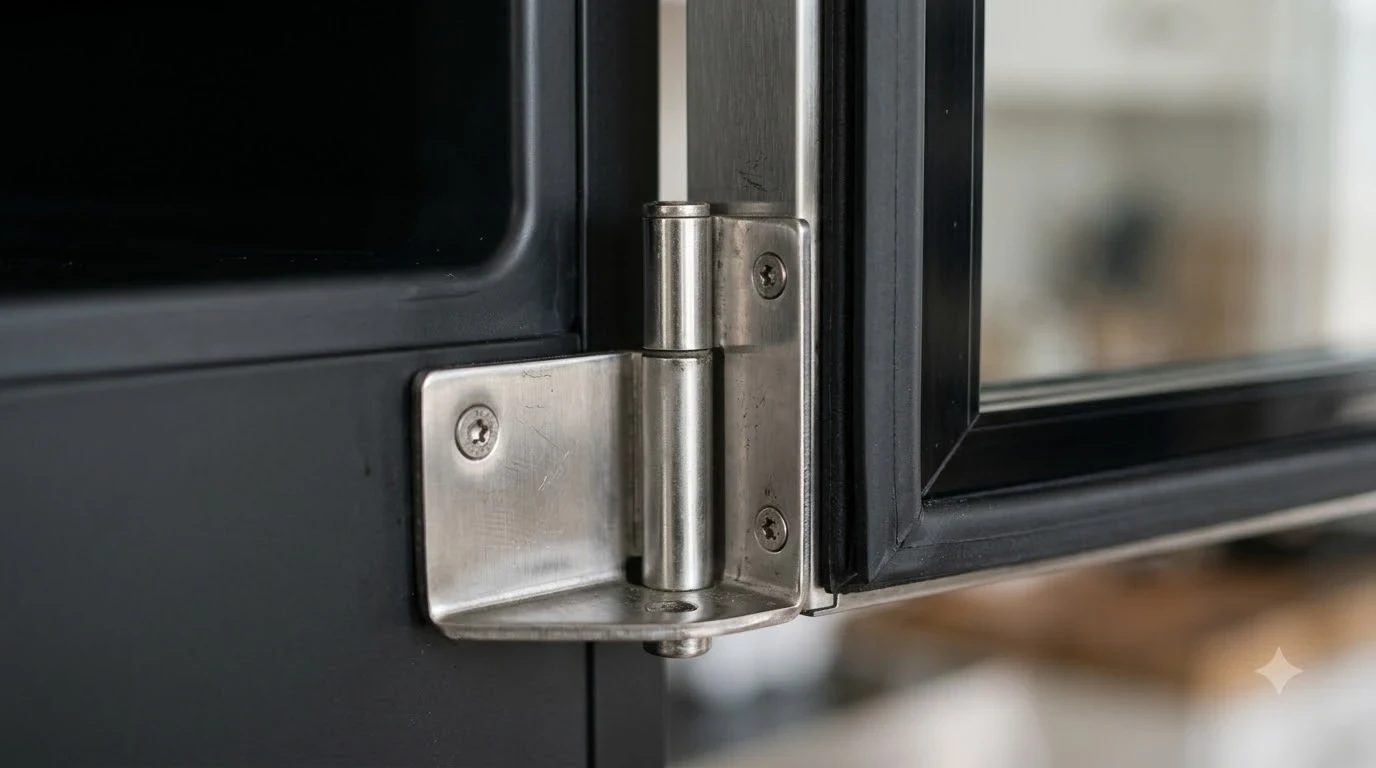
An insulated steel door is the stronger choice when the cellar has active cooling. Many designs use a foam core inside the steel skin, which slows heat transfer and helps the room hold its temperature. Steel doors also tend to keep their shape over time, which helps the seal stay tight.

Why it stands out: insulation is the main job of a cellar door, and a steel door built for it reduces the temperature swings that can wear on wine. Steel is also less likely than wood to warp with humidity.
Keep in mind: insulated doors are heavier, so the frame and hinges need to be sized for the weight. Check that the door is rated for the cellar’s conditioning system and that the threshold seals as tightly as the rest of the frame.
Best for: active cellars with a cooling unit, and rooms where temperature control is the top priority.
Best for showing bottles: glass-fronted doors
A glass-fronted door puts the collection on display. It suits a room that guests can see, such as a dining area or a bar with a cellar behind it. The glass lets you see the labels without opening the door, which cuts down on the number of times the temperature changes.
Why it stands out: display doors make a cellar feel like a feature in the room. Tinted or UV-filtering glass can reduce some of the light that reaches the bottles, which is useful for a collection in a bright room.
Keep in mind: glass offers less insulation than solid wood or steel, so a glass-fronted door works best with a cooling system sized for the room. Light still reaches the bottles through clear glass, so avoid placing the cellar in direct sun, and plan to store the most valuable bottles behind a solid door.
Best for: collectors who want to show labels, and rooms where the cellar is part of the living space.
Best for tight spaces: sliding doors
A sliding door runs along a track instead of swinging out, which saves floor space in a small room or a closet conversion. It is a practical option when there is not enough clearance for a standard swing, and it can fit a cellar that backs onto a hallway or a tight utility space.
Why it stands out: sliding doors do not need swing clearance, so they can fit where a hinged door would hit furniture or a wall. A well-fitted sliding door can also be quick to open for a quick bottle grab.
Keep in mind: the seal on a sliding door is harder to make airtight than on a hinged door, so check the gasket and the track carefully. Dust and debris can collect in the track, which affects how well the door closes over time.
Best for: small cellars, closet conversions, and rooms where a swing door would be impractical.
Best for DIY builds: pre-hung door kits
A pre-hung door kit comes with the frame, hinges, and door already assembled. It simplifies installation for a builder who wants a cellar door without custom milling. Kits come in several materials, so the choice depends on the insulation and look you want.
Why it stands out: a pre-hung kit saves time and reduces the chance of an uneven frame, which is a common cause of air leaks. It also gives you a standard size that matches common cellar openings.
Keep in mind: a kit is only as good as its seal, so check the weatherstripping and threshold. Measure the rough opening carefully, and confirm the kit’s thickness against the wall before ordering.
Best for: DIY builders, basement renovations, and anyone converting a closet or small room into a cellar.
How to Choose
Start with the room. A cellar that is underground and naturally cool needs a door that seals well and blocks light, while a cellar with active cooling needs insulation that matches the cooling unit. The conditions that matter most are steady temperature, humidity, and darkness. Wikipedia’s wine storage overview quotes constant temperatures between 50 and 59 degrees Fahrenheit, and it warns that swings of 14 degrees or more can make wine breathe through the cork and speed aging. A door is one of the main ways those swings happen, so an airtight seal matters more than the material alone.
Humidity is the second factor. Commercial storage facilities aim for 55 to 75 percent relative humidity, and experts disagree on how much it matters at home. Whatever door you choose, a tight seal keeps the room from losing moisture, and a dry room may need a humidifier rather than a different door. The wine cellar article also notes that darkness and vibration can spoil wine, which makes a solid, well-sealed door a sensible choice for long-term storage.
- Check the room’s natural temperature and whether the cellar has active cooling.
- Choose insulation that matches the cooling system.
- Decide between solid, glass-fronted, or sliding based on display and space needs.
- Confirm the seal, weatherstripping, and threshold before you buy.
- Measure the swing or track clearance and the opening size.
Frequently Asked Questions
Does a wine cellar door need to be solid wood?
No. Solid wood is a classic choice, but insulated steel and sliding doors can work well too. What matters most is a tight seal that blocks light and limits temperature swings.
Is a glass wine cellar door bad for wine?
Glass lets light reach the bottles, and it insulates less than solid doors. It can still work for display, as long as the cellar is kept out of direct sun and the valuable bottles sit behind a solid door.
How tight should the door seal be?
The seal should close firmly all the way around, with no visible gap when the door is shut. Check the gasket and threshold once a year, since they can wear or shift over time.
Can I install a wine cellar door myself?
Many people do, especially with a pre-hung kit. Measure the opening carefully, level the frame, and test the seal before loading the cellar with bottles.
The best wine cellar door is the one that suits your room’s climate and how you use the space. Compare the door types above, measure the opening, and check the seal before you buy. For a companion piece that keeps bottles ready to open, see the bar cart guide, and for the basics of how much a bottle holds, read how many glasses in a bottle of wine.
More in Wine Accessories
 Coravin Vs Vacu Vin: Choose the Right Wine Saver for Your BottlesUpdated Nov 21, 2026
 Zwilling Wine Stopper Review: Preserve Open Bottles LongerUpdated Nov 21, 2026
 Wine Enthusiast Wine Preserver Review: Features, Benefits and LimitationsUpdated Nov 21, 2026
 Wine Enthusiast Wine Stopper: An Easier Way to Reseal Open BottlesUpdated Nov 21, 2026
 Vintorio Wine Opener: Two-Step Cork RemovalUpdated Nov 21, 2026
 Zwilling Wine Aerator Review: Aerate, Pour, and Seal With One ToolUpdated Nov 21, 2026