

We may earn a commission when you buy through links on this page, at no extra cost to you. Learn more.
If you are wondering what does aglianico taste like, expect a full-bodied, savory southern Italian red wine packed with black cherry, spiced plum, white pepper, smoke, and cured leather. Often called the “Barolo of the South,” it pairs dark fruit intensity with firm, gripping tannins and mouthwatering acidity. Young bottles lean punchy, peppery, and rustic, while aged versions soften into nuanced notes of dried fig, tobacco, truffle, and dusty earth.
Pronounced roughly “ahl-YAH-nee-koh,” this ancient black grape has been cultivated in southern Italy since Greek and Roman antiquity. While many warm-climate reds rely on jammy sweetness, Aglianico commands attention through architectural structure, volcanic minerality, and an unmistakably savory backbone. Understanding its flavor evolution makes it far easier to pick the right bottle for dinner tonight or for your cellar.
What Is Aglianico?
Aglianico is a late-ripening red wine grape native to southern Italy, prized for producing deeply colored, age-worthy wines with high tannin and brisk acidity. Wine educators at Wine Folly frequently compare its structural authority to Piedmont’s Nebbiolo, earning it the nickname “the Barolo of the South.”
Because the grape buds early and ripens late—often harvested in late October or early November—it thrives in sun-drenched southern regions without losing its natural tartness. That extended hang time builds thick skins rich in anthocyanins and polyphenols, which translate directly into deep ruby-garnet color and substantial tannic grip in the glass. Unlike lighter, fruit-forward styles you might explore in a broader guide to Wine by Type, Aglianico sits squarely in the powerhouse category alongside Cabernet Sauvignon and Syrah.
Alcohol levels typically land between 13.5 and 15 percent ABV, giving the wine generous weight on the mid-palate. Yet that high acidity acts as a counterweight, keeping the wine feeling lifted and energetic rather than heavy or syrupy. Even when made as a dry rosé, the variety retains its signature mineral snap and herbal perfume.
Flavor Profile and Styles of Aglianico
On the palate, Aglianico balances concentrated dark fruits against a distinctly smoky, meaty, and herbal core. Its flavor profile shifts dramatically depending on oak aging, harvest timing, and how many years the bottle has rested before opening.
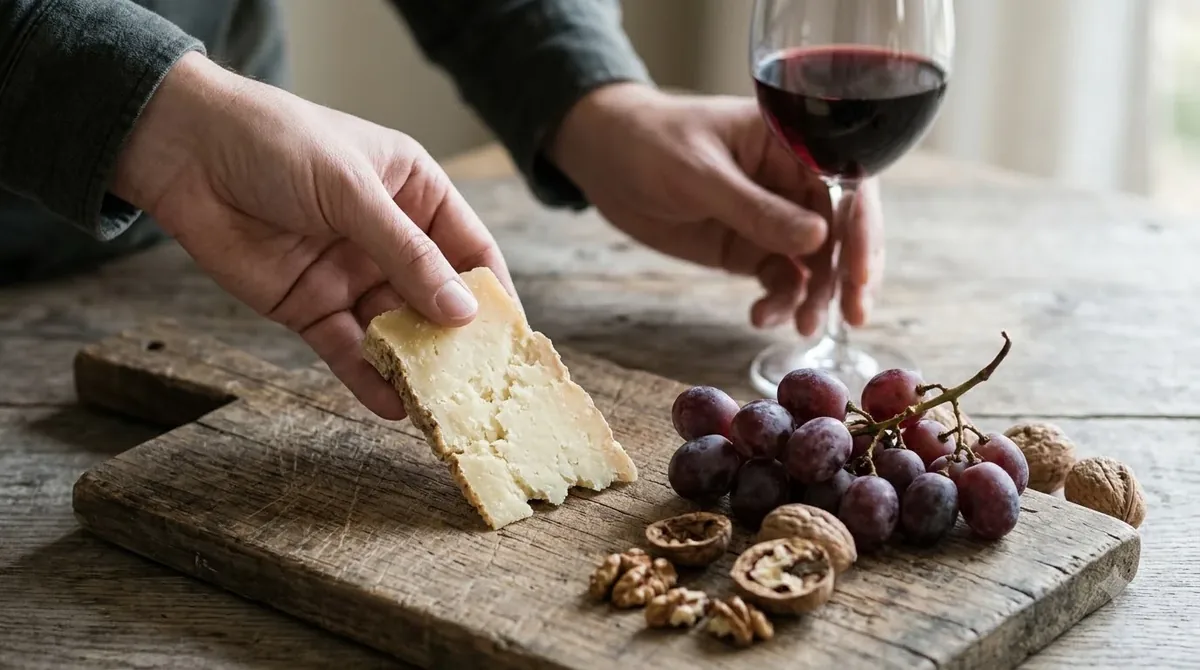
In its youth—roughly two to five years after harvest—Aglianico bursts with primary flavors of tart black cherry, wild blackberry, and spiced plum. Beneath that dark fruit sits a complex layer of savory aromatics: freshly cracked white and black pepper, wild Mediterranean herbs like fennel and oregano, crushed violet, and a whiff of campfire smoke. On volcanic soils, tasters routinely pick up crushed rock, iron, and gunflint notes that give the finish a mouthwatering, saline edge.
Cellar aging transforms Aglianico’s personality entirely. Over eight to twenty years, its assertive, drying tannins polymerize into a velvety, dusty texture while the bright berry fruit dries into fig, prune, and sour cherry compote. Secondary and tertiary aromas of worn leather, pipe tobacco, cocoa powder, forest floor, and black truffle move to the foreground. Winemakers also craft approachable everyday styles—often labeled under regional IGT or broader DOC titles—that see shorter macerations and less new oak, yielding softer tannins and juicier red-berry character compared to intense, barrel-aged Riservas.
| Style / Expression | Primary Flavors | Tannin & Body | Aging Window |
|---|---|---|---|
| Young / Everyday Aglianico (IGT / DOC) | Red cherry, blackberry, violet, white pepper, herbs | Medium-full body, firm yet approachable tannins | 2–6 years |
| Taurasi DOCG (Campania) | Black cherry, plum, leather, tobacco, tar, baking spice | Full body, very high, broad-shouldered tannins | 8–25+ years |
| Aglianico del Vulture Superiore DOCG | Blackberry, smoke, ash, iron minerality, dried herbs | Full body, gripping tannins, lifted mineral finish | 8–20+ years |
| Aged Riserva (10+ Years) | Dried fig, sour cherry, truffle, cocoa, worn leather | Full body, silky, dusty, integrated tannins | 10–25+ years |
Where Aglianico Grows Best
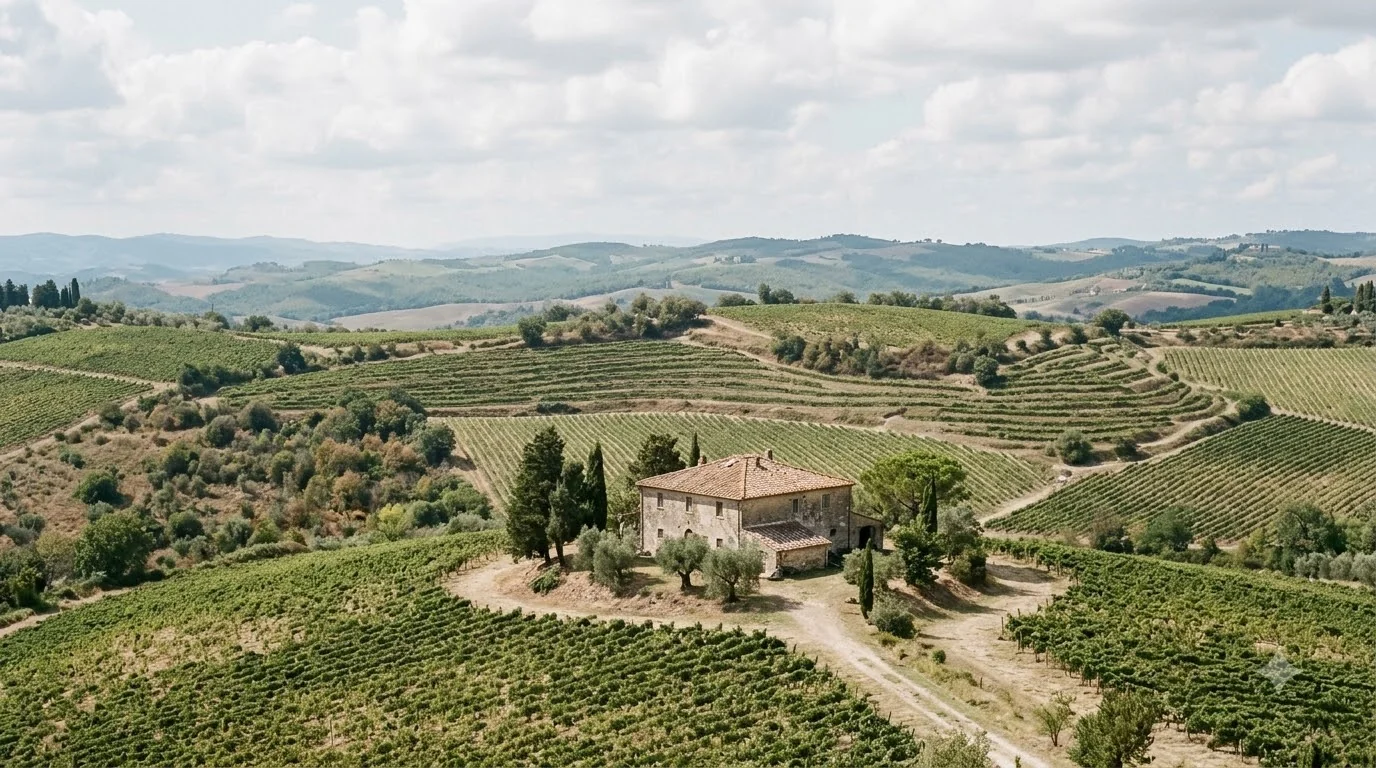
Aglianico reaches its qualitative peak in southern Italy’s mountainous interior, particularly across Campania and Basilicata. High-elevation vineyards and ancient volcanic soils temper the Mediterranean heat, preserving the grape’s signature acidity and smoky complexity.
Campania is home to Taurasi DOCG, widely considered the benchmark appellation for structured, long-lived Aglianico. Grown on hillside vineyards of volcanic ash, clay, and limestone inland from Naples, Taurasi wines must age for at least three years—including one year in wood—before release, and four years for Riserva bottlings. Campania also produces Aglianico del Taburno DOCG, which offers a slightly softer, earlier-drinking expression with vibrant red fruit and floral lift.
Just to the east in Basilicata, Aglianico del Vulture DOC and Superiore DOCG cling to the steep, mineral-rich slopes of Mount Vulture, an extinct volcano. Critics at VinePair note that Vulture bottlings frequently deliver intense dark fruit layered with eucalyptus, graphite, and smoky earth. Smaller plantings in Molise and Puglia—such as Castel del Monte Rosso Riserva DOCG—yield rounder, plusher versions thanks to warmer coastal influences. Beyond Italy, pockets of California, Texas, and Australia have also begun bottling varietal Aglianico with encouraging results.
How to Serve and Decant Aglianico
Serving Aglianico properly tames its formidable tannins and unlocks its layered aromatics. Treat it like a serious, cellar-worthy red rather than a casual weekday pour.
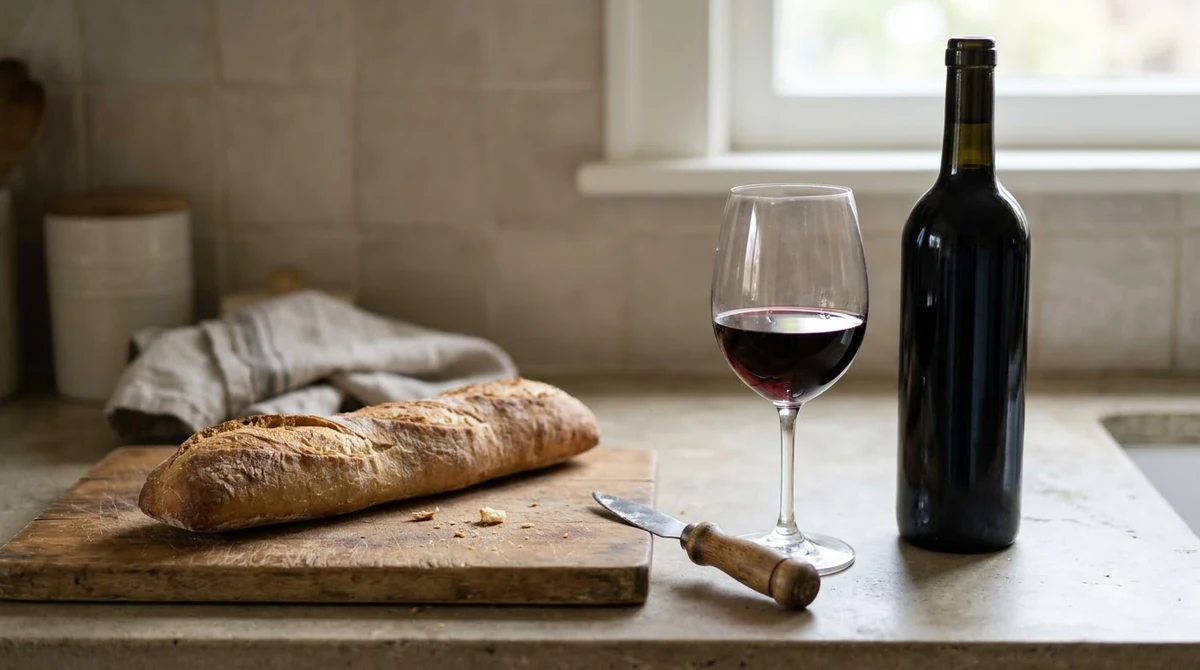
Aim for a cool cellar serving temperature between 60°F and 65°F (16°C to 18°C). Serving the bottle at warm room temperature—above 70°F—amplifies the 13.5 to 15 percent alcohol and makes the tannins feel harsh and astringent. Conversely, chilling it too aggressively mutes the delicate floral and herbal notes that balance its dark fruit.
Aeration is equally important, especially for bottles under eight years old. Decant young Taurasi or Aglianico del Vulture for one to two hours before pouring so oxygen can soften the polyphenolic grip and blow off any reductive smoky tightness. Serve the wine in an oversized, wide-bowled Bordeaux or Burgundy glass to give the complex bouquet of leather, violet, and spice plenty of room to open up.
Tip: If you open a young bottle of Aglianico without time to decant, pour a small splash into your glass, recork the bottle, and shake it vigorously for ten seconds to mimic an hour of slow aeration.
Best Food Pairings for Aglianico
Aglianico is built for the dinner table, where its high tannins bind to dietary proteins and fats while its brisk acidity cuts through rich sauces. Drinking it on an empty stomach—especially in its youth—can leave your palate feeling dry.
Slow-cooked meats and savory braises are natural partners. Traditional southern Italian dishes like Neapolitan ragù alla Genovese (beef braised for hours with sweet onions), wild boar ragù over pappardelle, and braised lamb shanks match the wine’s intensity stride for stride. In the United States, sommeliers love pairing Aglianico with smoked Texas-style beef brisket, charred ribeye steak, and fennel-spiced sausages, as the grill char mirrors the wine’s smoky, peppery undertones.
For meatless meals, lean into earthy, umami-rich ingredients. Wild mushroom risotto, black truffle pasta, roasted eggplant parmigiana, and aged hard cheeses like Pecorino Romano or Parmigiano-Reggiano all soften the wine’s tannic edge. Avoid delicate white fish, sweet glazes, and fiery chili heat, which clash with Aglianico’s astringency and amplify alcohol warmth.
How to Choose a Bottle of Aglianico
Shopping for Aglianico becomes straightforward once you know how Italian wine labels signal style, region, and aging. A few quick label checks will steer you toward either a crowd-pleasing weeknight bottle or a structured centerpiece.
Start by matching the appellation to your timeline. If you want something approachable tonight without hours of decanting, look for bottles labeled Campania IGT, Irpinia Aglianico DOC, or Basilicata IGT. These wines usually come from younger vines or see shorter barrel aging, offering vibrant cherry fruit and supple tannins right out of the gate.
If you are cooking a slow-braised feast or stocking a wine rack, seek out Taurasi DOCG or Aglianico del Vulture Superiore DOCG. Check the vintage date carefully: a Taurasi that already has seven to ten years of bottle age will reward you with secondary leather and spice notes without requiring a decade in your own cellar. If you enjoy structured, savory European reds, you might also appreciate exploring what does corvina taste like in northern Italy’s Valpolicella, or contrasting Aglianico’s grip with high-acid whites like what does chenin blanc taste like.
Frequently Asked Questions
Is Aglianico a dry or sweet wine?
Aglianico is almost always fermented completely dry, containing negligible residual sugar. Its intense dark fruit flavors of black cherry and plum can give an impression of ripeness, but its high acidity and firm tannins create a distinctly dry, savory finish.
What popular wine is Aglianico most similar to?
Wine experts most often compare Aglianico to Nebbiolo (the grape behind Barolo) because both share high acidity, powerful tannins, and multi-decade aging potential. In terms of body, dark color, and savory spice, it also appeals to drinkers who enjoy Cabernet Sauvignon, Syrah, or Tannat.
Does Aglianico have a lot of tannins?
Yes, Aglianico ranks among the most tannic red wine varieties in the world. Young bottles deliver a mouth-coating, drying grip that softens considerably when decanted for an hour or two or paired with rich, protein-heavy foods.
How long should you age Aglianico?
Entry-level Campania or Basilicata bottlings drink well within two to six years of the vintage date. Top-tier Taurasi DOCG and Aglianico del Vulture Superiore wines typically need eight to twelve years to hit their stride and can evolve gracefully for twenty years or more.
From peppery, fruit-driven everyday bottles to volcanic, age-worthy Taurasi and Vulture Riservas, Aglianico rewards drinkers who love bold, food-friendly reds with real backbone. Give the bottle a little air, serve it slightly cool alongside something rich from the kitchen, and you will quickly see why southern Italy’s ancient grape commands such fierce loyalty.
More in Wine Types & Grapes
 What Does Mourvèdre Taste Like? Flavor Profile, Regions, and PairingsUpdated Nov 20, 2026
 What Does Marsanne Taste Like? Flavors, Styles, and Food PairingsUpdated Nov 20, 2026
 What Does Malvasia Taste Like? Styles, Flavors, and Food PairingsUpdated Nov 20, 2026
 What Does Grenache Blanc Taste Like? Flavor Profile, Styles, and PairingsUpdated Nov 20, 2026
 What Does Garnacha Taste Like? Key Flavors, Styles, and Pairing TipsUpdated Nov 20, 2026
 What Does Fruit Wine Taste Like? A Complete Flavor and Style BreakdownUpdated Nov 20, 2026