

We may earn a commission when you buy through links on this page, at no extra cost to you. Learn more.
This rombauer wine review finds that Rombauer is a strong choice for drinkers who enjoy expressive California wines, particularly rich, creamy Chardonnay with ripe fruit, buttery oak, and refreshing acidity. The winery also produces Cabernet Sauvignon, Zinfandel, Merlot, Pinot Noir, and Sauvignon Blanc, offering several alternatives for different preferences and meals. Its signature Chardonnay suits fans of fuller-bodied whites, while its lighter Sauvignon Blanc and structured reds provide options for people who prefer different styles.
Rombauer has built its reputation around an approachable, generous California wine style. Its Carneros Chardonnay is the best-known expression, but choosing a bottle involves more than deciding whether to buy the winery’s flagship white. Differences in grape variety, vineyard origin, oak treatment, body, acidity, and serving temperature all influence the experience. This guide examines the winery’s main styles, explains what to compare before purchasing, and offers practical recommendations for matching a bottle to your preferences and dinner plans. For additional background, explore our guides to Wine Brands and rombauer wine.
Who Should Buy Rombauer Wine
Rombauer is particularly appealing to people who enjoy ripe fruit, generous texture, and recognizable California character rather than restrained, lean wine styles. Its Chardonnay is a natural starting point, although its Cabernet Sauvignon and Zinfandel deserve consideration for drinkers who prefer red wine.
The winery was founded in 1980 by Koerner and Joan Rombauer in Napa Valley. Its development has been closely associated with Chardonnay, especially the Carneros expression, which combines concentrated fruit, creamy texture, oak-derived flavors, and lively acidity. The winery also draws fruit from several California growing areas, including Sonoma County, the Sierra Foothills, and the Santa Lucia Highlands. This geographic range helps explain why its portfolio offers noticeably different experiences rather than one uniform house style.
Rombauer is a good fit for:
- Chardonnay enthusiasts: People who enjoy ripe peach, melon, citrus, vanilla, and buttery oak will find the flagship Carneros Chardonnay especially appealing.
- Fuller-bodied white wine drinkers: Those who prefer creamy texture and substantial midpalate weight over extremely light, crisp whites should consider the main Chardonnay range.
- California red wine fans: Cabernet Sauvignon and Zinfandel offer fruit-driven alternatives with more tannin, structure, and darker fruit characteristics.
- Food-focused buyers: The portfolio includes wines suitable for seafood, roasted chicken, grilled meats, pasta, and casual entertaining.
- People exploring different California regions: The winery’s selections from Carneros, Napa Valley, Sonoma County, and the Santa Lucia Highlands provide opportunities to compare regional expressions.
However, Rombauer will not suit every preference. Someone who primarily drinks unoaked Chardonnay with sharp mineral character may find the flagship too creamy and oak-influenced. Likewise, drinkers seeking delicate, low-alcohol wines may find some of the fuller expressions relatively powerful. The 2024 Carneros Chardonnay, for example, has 14.6% alcohol, making it a substantial white rather than a particularly light option.
Its popularity should also be separated from the question of personal taste. A successful winery can produce a recognizable style that some drinkers love and others find excessive. Rombauer’s appeal rests partly on consistency of character: ripe fruit, noticeable texture, and a balance between richness and acidity. If those qualities match your preferences, the brand deserves a place on your shortlist.
Key Factors to Compare Before Buying
The most useful way to evaluate Rombauer is to compare grape variety, body, acidity, oak influence, alcohol, and vineyard origin. These factors explain why two bottles from the same producer can work for very different occasions.
Start with the grape variety. Chardonnay is the signature white, Sauvignon Blanc provides a brighter alternative, and the red selection includes Cabernet Sauvignon, Merlot, Pinot Noir, and Zinfandel. Each grape brings a different combination of fruit character, tannin, acidity, and texture.
| Wine style | Typical character | Body and structure | Good food matches |
|---|---|---|---|
| Carneros Chardonnay | Peach, melon, citrus, vanilla, butter | Full-bodied, creamy, bright acidity | Roast chicken, lobster, creamy pasta |
| Proprietor Selection Chardonnay | White peach, lemon, melon, stone fruit | Full-bodied, concentrated, lively acidity | Roasted poultry, rich seafood, pork |
| Buchli Station Chardonnay | Lychee, ginger, Meyer lemon, saline notes | Focused, fresh, structured | Shellfish, grilled fish, lemon chicken |
| Home Ranch Chardonnay | Yellow peach, pineapple, vanilla | Rich, plush, generous texture | Roasted turkey, creamy risotto, pork |
| Sauvignon Blanc | Tropical fruit, citrus, subtle green notes | Light-bodied, bright acidity | Oysters, white fish, pesto chicken |
| Pinot Noir | Red fruit and softer red-wine structure | Light to medium-bodied | Salmon, mushrooms, roast chicken |
| Merlot | Plum and dark fruit characteristics | Medium-bodied, softer tannins | Beef burgers, pork, tomato pasta |
| Cabernet Sauvignon | Cassis, dark fruit, oak and spice | Full-bodied, higher tannin | Steak, lamb, grilled beef |
| Zinfandel | Ripe berries, cherries, baking spice | Generous fruit, medium-plus structure | Barbecue, sausages, grilled ribs |
Oak treatment deserves particular attention when comparing Chardonnay bottles. The 2024 Carneros Chardonnay spends nine months in American and French oak barrels, with 33% new oak, according to the winery. That approach contributes to the creamy texture and vanilla characteristics associated with the wine. New barrels generally contribute more noticeable oak flavor than neutral barrels, although the final result also depends on fermentation, lees contact, fruit ripeness, and winemaking decisions.
Alcohol is another practical comparison point. The 2024 Carneros Chardonnay has 14.6% alcohol, which can contribute to its substantial mouthfeel and warming finish. A higher alcohol figure does not automatically mean a wine tastes sweet, however. Ripeness, acidity, residual sugar, and winemaking techniques influence how a wine tastes. Rombauer’s flagship Chardonnay is generally presented as a dry table wine despite its ripe fruit and creamy character.
For an independent perspective, Wine Enthusiast’s review of the 2024 Carneros Chardonnay awarded it 91 points and identified roasted apple, buttered popcorn, candied lemon, quince, ginger, and lively acidity. That description illustrates an important point: richness does not necessarily mean a complete absence of freshness.
Vineyard origin also matters. Carneros Chardonnay is associated with a cooler growing area near San Pablo Bay, while the winery’s Cabernet program includes fruit from Napa Valley vineyards such as Stice Lane in St. Helena. A wine’s origin provides useful context for understanding its grape selection and intended style.
Step-by-Step: How to Choose the Right Rombauer Bottle
A straightforward buying process starts with the occasion, moves to grape variety, and ends with the specific bottling and serving requirements. Following these steps helps prevent choosing a wine simply because its name is familiar.
-
Decide whether you want white or red wine.
For white wine, compare Chardonnay with Sauvignon Blanc. Choose Chardonnay for creamy texture and ripe peach or melon flavors, or Sauvignon Blanc for a lighter, brighter profile. For red wine, consider Cabernet Sauvignon, Merlot, Pinot Noir, and Zinfandel according to your preference for tannin and body.
-
Identify your preferred texture.
If you enjoy broad, creamy wines, begin with Carneros Chardonnay or Home Ranch Chardonnay. If you prefer a more focused white with citrus and saline character, consider Buchli Station. For red wines, Pinot Noir offers a gentler structure than Cabernet Sauvignon.
-
Consider how much oak you enjoy.
Oak can introduce vanilla, toast, spice, and a rounder impression. Rombauer’s flagship Chardonnay is known for these characteristics. If you prefer fruit and freshness without a prominent creamy impression, compare its Sauvignon Blanc before selecting a Chardonnay.
-
Match the wine with the meal.
Choose Sauvignon Blanc for oysters or grilled white fish, Chardonnay for roast chicken or lobster, Pinot Noir for mushrooms and salmon, and Cabernet Sauvignon for steak. The food should have enough flavor and texture to complement the wine rather than overwhelm it.
-
Choose the appropriate bottling.
Start with the standard Carneros Chardonnay if you want to understand the winery’s signature style. Move to Proprietor Selection for a more concentrated Chardonnay expression, or consider a vineyard-designated bottle when exploring more specific fruit and site characteristics.
-
Consider the alcohol level and serving conditions.
A wine with 14.6% alcohol may feel more substantial than a lighter white. Plan to serve Chardonnay around 50–55 degrees Fahrenheit and Sauvignon Blanc around 45–50 degrees Fahrenheit so that the wines retain freshness without becoming overly cold.
-
Buy for the drinking occasion rather than reputation alone.
A casual seafood dinner may call for Sauvignon Blanc, while a holiday meal with roasted poultry may justify a fuller Chardonnay. If you are buying for guests, selecting one white and one red with different body levels can accommodate more preferences.
One useful buying strategy is to compare two wines side by side rather than immediately purchasing several bottles of the same variety. For example, a Carneros Chardonnay and a Sauvignon Blanc show the difference between richness and freshness within the same producer’s portfolio. A Carneros Chardonnay and a Proprietor Selection Chardonnay provide a more focused comparison of different expressions of the same grape.
Tip: If this is your first Rombauer purchase, begin with the standard Carneros Chardonnay if you enjoy buttery, fruit-forward whites. If you usually prefer crisp, citrus-driven wines, choose Sauvignon Blanc instead. The best first bottle is the one closest to your established taste preferences.
For a more focused look at the winery’s signature white, our rombauer chardonnay guide explains the style and its main characteristics in greater detail.
Rombauer Wine Types and Styles Explained
Rombauer’s portfolio extends beyond its famous Chardonnay, with different bottlings designed around grape variety, vineyard location, and wine style. Understanding these categories makes it easier to identify which bottle offers the experience you want.
Carneros Chardonnay
Carneros Chardonnay is the winery’s signature expression and the clearest introduction to its recognizable style. The wine combines yellow peach, ripe melon, citrus, creamy vanilla, and buttery nuances. Its bright acidity helps balance the rich midpalate, making it more versatile at the table than a simple description of buttery Chardonnay might suggest.
The 2024 bottling contains 100% Chardonnay and has 14.6% alcohol. It spends nine months in American and French oak barrels, with 33% new oak. The combination of barrel maturation, ripe fruit, and acidity gives it a fuller profile than a lean, stainless-steel Chardonnay.
Proprietor Selection Chardonnay
Proprietor Selection is an option for buyers seeking a more concentrated expression. Rombauer describes aromas of melon, white peach, and lemon, with pronounced stone-fruit flavors, a creamy mouthfeel, and bright acidity.
Wine Enthusiast awarded the 2024 Proprietor Selection Chardonnay 92 points. Its review identified green pear, lemon blossoms, green herbs, cinnamon, Gala apple, tart nectarine, and candied ginger. These characteristics suggest a wine with considerable flavor intensity, but also enough freshness to prevent the texture from feeling entirely heavy.
Buchli Station and Home Ranch Chardonnay
Buchli Station is particularly interesting for drinkers who enjoy citrus-driven Chardonnay with a more focused profile. The winery identifies candied ginger, lychee, Meyer lemon, and saline characteristics. Its distinctive acidity and long finish make it an appealing alternative to the broader, creamier flagship expression.
Home Ranch Chardonnay takes a richer direction. Its peach, pineapple, vanilla, and straw characteristics create a plush profile with lively acidity. It is a sensible choice for people who want a generous white wine to accompany roasted poultry, creamy dishes, or a substantial seafood preparation.
Joy Late Harvest Chardonnay
Not every Rombauer white is intended to serve the same purpose. Joy Late Harvest Chardonnay is a dessert-style wine with a sweeter profile, making it more appropriate after dinner than alongside a savory main course.
It can be served independently as a small after-dinner pour or alongside a dessert such as vanilla ice cream. The important pairing principle is to ensure that the dessert is not sweeter than the wine, otherwise the wine can taste less expressive and more acidic by comparison.
Sauvignon Blanc
Rombauer Sauvignon Blanc is a useful alternative for people who enjoy aromatic whites with greater emphasis on freshness. The winery describes tropical fruit and subtle green notes, with fruit sourced from warmer Napa Valley and cooler Sonoma sites.
Its lighter-bodied character and bright acidity suit oysters, pesto chicken pasta, and grilled white fish. It is also a practical choice for warm-weather meals when a creamy, full-bodied Chardonnay might feel too substantial. Serve it chilled at approximately 45–50 degrees Fahrenheit.
Cabernet Sauvignon, Merlot, Pinot Noir, and Zinfandel
The red portfolio provides a broad selection of California wine styles. Cabernet Sauvignon is the fuller, more structured option, with higher tannin and dark-fruit character. It is a natural match for grilled beef, lamb, and other protein-rich dishes. Merlot generally has softer, medium tannins, making it easier to pair with a wider selection of everyday meals.
Pinot Noir offers a lighter alternative with more delicate red-fruit character and relatively high acidity. It can work with mushrooms, poultry, and salmon, provided the preparation is not excessively spicy or heavy. Zinfandel offers a more generous fruit profile, making it a strong candidate for barbecue, grilled sausages, and dishes with smoky or sweet-savory flavors.
The main lesson is that Rombauer should not be evaluated through Chardonnay alone. Someone who dislikes buttery white wine may still enjoy its Sauvignon Blanc or red portfolio. Conversely, a Cabernet enthusiast may find the flagship Chardonnay a completely different experience from the wines they usually purchase.
Common Mistakes When Buying Rombauer Wine
Many buying mistakes happen because shoppers assume every bottle from one producer tastes similar or interpret ripe fruit and buttery texture as evidence of sweetness. Paying attention to grape variety, acidity, oak, and food pairing gives a more accurate picture of what to expect.
Assuming buttery Chardonnay is sweet
Butteriness and sweetness describe different sensory characteristics. The creamy, buttery impression in Rombauer Chardonnay is associated with its winemaking and texture, while ripe peach and melon contribute a perception of fruit sweetness. These characteristics do not automatically indicate substantial residual sugar.
Malolactic fermentation can convert sharper malic acid into softer lactic acid, contributing to a rounder impression and buttery associations. Oak maturation can also introduce vanilla and toasted flavors. Neither characteristic alone means that a wine is sweet. The flagship Carneros Chardonnay is generally approached as a dry white wine.
Buying Chardonnay without considering oak
Not every Chardonnay drinker enjoys prominent oak. People who prefer crisp, mineral-driven whites may find a rich, barrel-influenced style too broad or creamy. Comparing the standard Chardonnay with Buchli Station or Sauvignon Blanc is a more useful approach than assuming all white wines from the winery have identical characteristics.
Ignoring alcohol and body
Alcohol influences the sensation of warmth and weight in wine. A 14.6% ABV Chardonnay can feel relatively substantial, particularly when served alongside a light salad or delicate seafood. A Sauvignon Blanc may provide a better match when the meal calls for something lighter and more refreshing.
Choosing red wine for the wrong food
Cabernet Sauvignon has higher tannin than Pinot Noir or Merlot. That structure can work particularly well with steak and lamb because protein and fat soften the perception of tannin. However, a heavily tannic red is not always the best match for delicate seafood.
Spicy food creates another potential problem. Alcohol and tannin can amplify the perception of chili heat, making a powerful Cabernet or Zinfandel feel more aggressive beside a spicy dish. A fresh white with lower tannin may be a more comfortable choice.
Serving every bottle at the same temperature
Serving a white wine directly from a very cold refrigerator can suppress its aromas and texture. Serving a full-bodied red at a warm room temperature can emphasize alcohol and make the wine seem heavy. Different varieties need different serving temperatures, so planning ahead improves the experience.
Confusing reputation with personal preference
Rombauer’s flagship Chardonnay has a recognizable style, but popularity does not guarantee that every drinker will enjoy it. Someone who prefers restrained European Chardonnay may favor another producer. Someone who enjoys ripe California fruit and creamy oak may find Rombauer much more appealing.
A useful comparison is to identify the characteristics you enjoy in your current favorite wine. If those include peach, vanilla, oak, and a creamy finish, the flagship Chardonnay is a logical candidate. If you prefer lemon, herbs, and crisp acidity, begin with Sauvignon Blanc instead.
Serving, Pairing, and Storage Tips
Proper serving and storage help preserve Rombauer’s fruit, acidity, and structure. The most important considerations are temperature, food intensity, bottle position, and how quickly an opened bottle is consumed.
Recommended serving temperatures
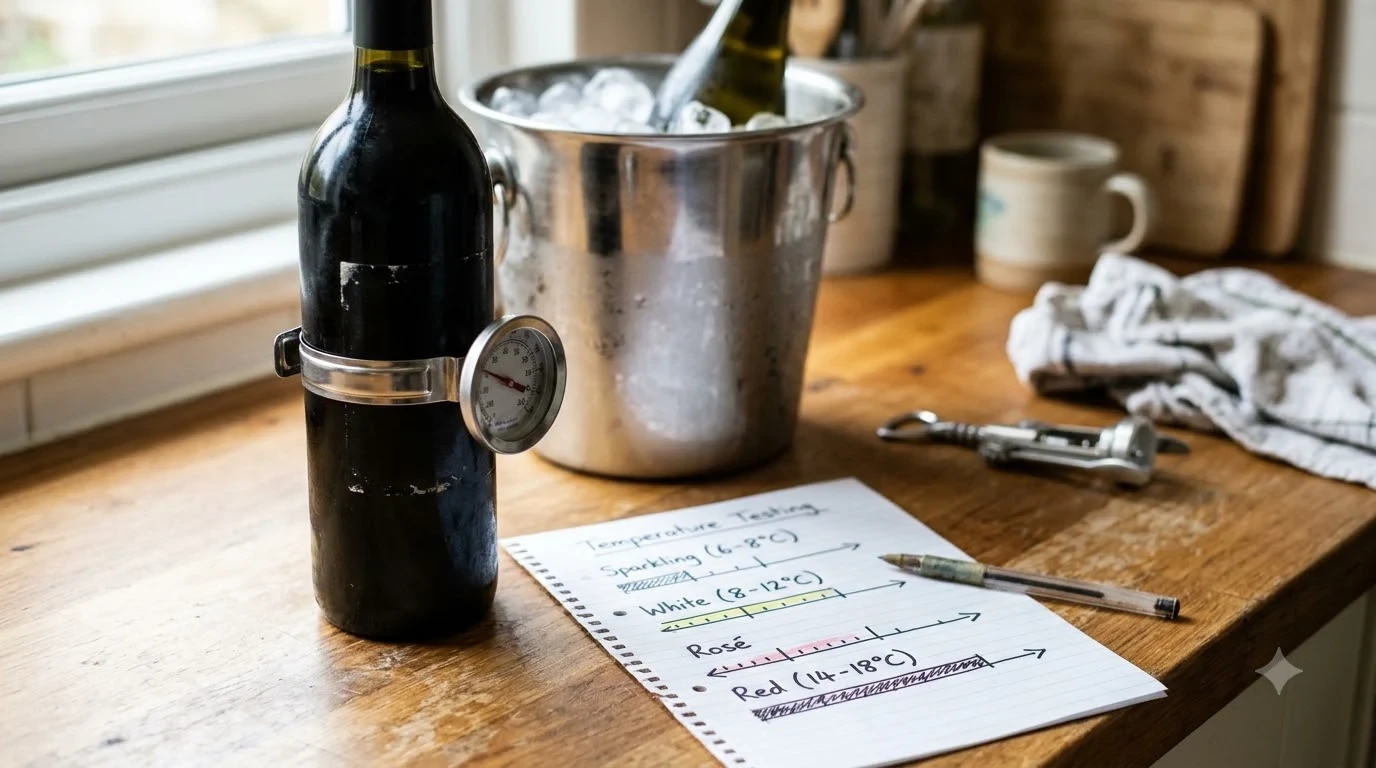
Different Rombauer wines benefit from different temperatures. Chardonnay generally performs best when moderately chilled, while Sauvignon Blanc benefits from a cooler serving temperature. Red wines should not be served excessively warm, particularly fuller-bodied selections with noticeable alcohol and tannin.
| Wine category | Serving temperature | Practical serving advice |
|---|---|---|
| Sauvignon Blanc | 45–50°F | Chill before serving to preserve citrus and freshness. |
| Full-bodied Chardonnay | 50–55°F | Allow a little warming in the glass to reveal creamy texture. |
| Pinot Noir | 55–60°F | Serve slightly cool to emphasize fruit and acidity. |
| Merlot | 60–65°F | Allow its softer structure and fruit to open. |
| Cabernet Sauvignon | 60–65°F | Serve moderately cool rather than overly warm. |
| Zinfandel | 60–65°F | Moderate chilling helps balance ripe fruit and alcohol. |
| Joy Late Harvest Chardonnay | 43–50°F | Serve chilled in smaller dessert-wine pours. |
Food pairing recommendations
Carneros Chardonnay works particularly well with roast chicken, lobster, crab, creamy pasta, and roasted vegetables. Its ripe fruit and creamy texture can complement richer food, while its acidity helps prevent the pairing from becoming excessively heavy.
Buchli Station Chardonnay is an interesting option with grilled white fish, oysters, and shellfish. Its citrus and saline characteristics can complement seafood without requiring a heavy sauce. Sauvignon Blanc is another excellent choice for oysters, grilled whitefish, pesto chicken, and dishes with fresh herbs.
For red wine, match the tannin and body to the meal. Cabernet Sauvignon works with steak, grilled lamb, and aged hard cheeses. Merlot suits burgers, pork, and tomato-based pasta, while Pinot Noir can complement mushroom dishes and salmon. Zinfandel is particularly suitable for barbecue and grilled meats with smoky or moderately sweet sauces.
Acidity should also influence pairing decisions. Foods with substantial acidity, such as tomato-based sauces, usually work better with wines that have comparable or higher acidity. Salt and fat can soften the perception of tannin, which is one reason a structured red often works better with steak than with a delicate vegetable dish.
Storage before opening
Store unopened wine in a cool, dark environment with a relatively stable temperature. Around 55 degrees Fahrenheit is a useful target for longer-term storage. Avoid locations near ovens, sunny windows, heating equipment, and areas with substantial temperature fluctuations.
Traditional cork-sealed bottles are generally stored on their sides to keep the cork from drying out. This is particularly useful for bottles intended for longer storage. Protect the bottles from vibration and strong light, both of which can interfere with proper wine storage.
Keeping opened bottles fresh
Once opened, white and red table wines should generally be resealed and refrigerated. A stopper or suitable wine closure reduces exposure to oxygen, although it cannot prevent oxidation completely.
- Sparkling wine: Approximately 1–3 days with an appropriate sparkling-wine stopper.
- Still white and red wine: Approximately 3–5 days when properly resealed and refrigerated.
- Fortified wine: Several weeks, depending on the style and storage conditions.
- Bag-in-box wine: Approximately 4–6 weeks after opening, depending on the packaging and manufacturer’s guidance.
For a fuller Chardonnay, take the bottle out of the refrigerator briefly before serving again. This helps its aromas become more expressive. Young, full-bodied red wines can benefit from 30–60 minutes of decanting, especially when their tannins feel firm or their aromas seem closed. Lighter Pinot Noir usually requires less aeration.
Rombauer is generally approachable without complicated preparation, but good temperature control and careful storage make a noticeable difference. Avoid leaving an opened bottle on a warm kitchen counter overnight, particularly if it contains a delicate white wine whose freshness is an important part of its appeal.
Frequently Asked Questions
Is Rombauer owned by a larger wine company?
Yes. Rombauer joined E. & J. Gallo Winery’s premium wine portfolio in 2023, according to The Buyer. The winery has retained a distinct identity and recognizable Chardonnay-led portfolio. This ownership arrangement is useful context for buyers researching the producer’s business background.
Who is Rombauer’s head winemaker?
Richie Allen leads Rombauer’s winemaking team. He joined the winery as a harvest intern in 2004 and became head winemaker in 2008. His long association with the producer provides continuity in its established California wine styles.
Can Rombauer Chardonnay be aged for several years?
Some higher-quality Chardonnay can develop additional complexity with appropriate cellar conditions, but not every bottle benefits from extended aging. The standard Carneros expression is generally enjoyable young, so buyers should not assume that keeping it for a decade will improve it. Storage conditions and the specific vintage are important considerations when deciding whether to cellar a bottle.
Does Rombauer make wine from grapes other than Chardonnay?
Yes. Its broader portfolio includes varieties such as Cabernet Sauvignon, Merlot, Pinot Noir, Zinfandel, and Sauvignon Blanc. The winery also produces Barbera from Amador County, demonstrating that its selection extends beyond the most familiar California grape varieties. These additional wines give buyers more choices across white and red styles.
Where can visitors experience Rombauer wines?
Rombauer offers visitor experiences in Napa Valley and the Sierra Foothills. Its Napa Valley location is on Silverado Trail in St. Helena, while its Sierra Foothills location is in Plymouth. Visitors should arrange their experience through the winery’s official website and confirm current availability before traveling.
Rombauer is most compelling for drinkers who appreciate expressive California fruit, generous texture, and a recognizable winemaking style. Its Carneros Chardonnay remains the natural starting point, while Sauvignon Blanc, Cabernet Sauvignon, Pinot Noir, Merlot, and Zinfandel offer alternatives for different palates and meals. Choose according to your preferred body, acidity, and oak influence, and the winery’s broad selection becomes much easier to explore.
More in Wine Brands
 Louis Latour Wine Price: Compare Bottles by Style and TierUpdated Nov 20, 2026
 Yellow Tail Moscato Price: What to Expect Before You BuyUpdated Nov 20, 2026
 Sutter Home Sweet Red Review: Find the Right Food PairingsUpdated Nov 20, 2026
 Franzia Chillable Red Review: Find the Right Serving StyleUpdated Nov 20, 2026
 Veuve Clicquot Rose Review: Flavor, Food Pairings and Buying AdviceUpdated Nov 20, 2026
 Rombauer Wine Price: Compare Bottles Before You BuyUpdated Nov 20, 2026