

We may earn a commission when you buy through links on this page, at no extra cost to you. Learn more.
This oyster bay pinot noir review finds that Oyster Bay Marlborough Pinot Noir is a fruit-forward, approachable New Zealand red with cherry, black plum, gentle tannins, and a smooth texture. Made in Marlborough using a combination of tank and French oak barrel techniques, it offers a recognizable cool-climate Pinot Noir profile without demanding complicated food pairings or extensive preparation. It is particularly suitable for drinkers who enjoy fresh red-fruit flavors, moderate structure, and an easygoing wine for weeknight dinners.
Oyster Bay is a familiar name in New Zealand wine, particularly for its Sauvignon Blanc, but its Pinot Noir deserves attention from shoppers looking for a lighter alternative to Cabernet Sauvignon or heavier California reds. The important buying considerations are its fruit character, acidity, oak influence, vintage differences, and suitability for different meals. This guide explains what the wine offers, how to compare it with other Pinot Noir styles, and how to serve and store a bottle properly.
Who This Wine Is For
Oyster Bay Pinot Noir is best suited to people who enjoy aromatic red wines with recognizable fruit flavors, moderate tannins, and enough acidity to complement food. Its Marlborough origin and emphasis on cherry and plum make it a useful introduction to New Zealand Pinot Noir.
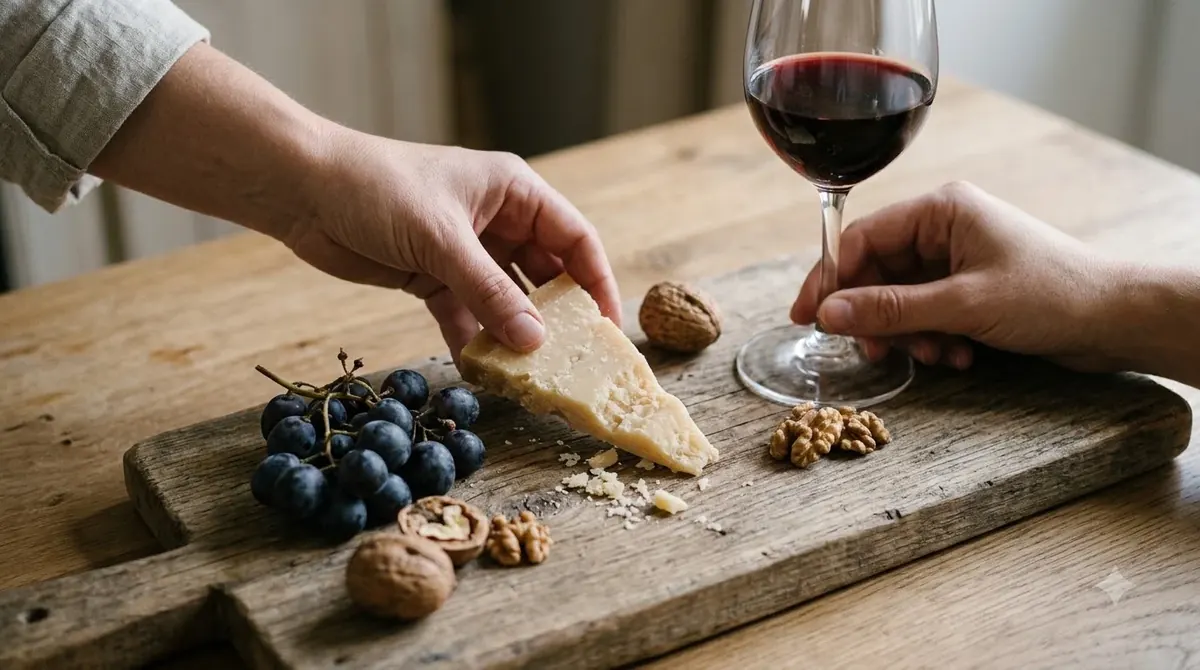
The wine should appeal particularly to drinkers who find Cabernet Sauvignon too structured or Syrah too powerful. Pinot Noir generally has lower to medium tannin, higher acidity, and a lighter body than those varieties. Oyster Bay follows that general profile while retaining enough ripe fruit and oak influence to provide a rounded drinking experience.
There are several reasons to consider this bottle:
- New Pinot Noir drinkers: Its cherry and plum character provides a familiar starting point for understanding the grape without the pronounced tannin of Cabernet Sauvignon.
- Fans of fruit-forward reds: The emphasis on ripe cherries, dark fruit, and black plum makes it attractive to people who prefer fruit over heavy earthy or savory characteristics.
- Weeknight wine drinkers: Its approachable structure works with everyday meals such as roasted chicken, mushroom pasta, and grilled pork.
- New Zealand wine enthusiasts: It provides an opportunity to explore Marlborough beyond the region’s internationally recognized Sauvignon Blanc.
- People who prefer moderate-bodied reds: Pinot Noir offers a different experience from full-bodied varieties such as Cabernet Sauvignon and Syrah.
However, this is not necessarily the right purchase for everyone. Drinkers who prefer intensely concentrated black fruit, substantial tannin, high alcohol warmth, or a long, powerful finish may find the wine comparatively restrained. Someone seeking a strongly earthy, forest-floor-driven Burgundy-style Pinot Noir may also want to investigate more specialized bottles.
Another consideration is the distinction between fruitiness and sweetness. Oyster Bay’s cherry and plum flavors can make the wine seem ripe and generous, but that does not mean it is a sweet red wine. The 2024 technical specifications list residual sugar at 3 grams per liter, supporting a dry overall style.
Key Factors to Compare Before Buying
The most useful comparison points are vintage, fruit character, tannin, acidity, alcohol, and oak treatment. Looking at these characteristics together provides a more reliable picture than relying on a single tasting note or competition award.
| Factor | Oyster Bay Pinot Noir | What It Means for Buyers |
|---|---|---|
| Origin | Marlborough, New Zealand | Cool-climate regional character |
| Grape | Pinot Noir | Generally lighter tannin than Cabernet Sauvignon |
| Alcohol | 13.5% ABV for 2024 | Moderate alcohol for a contemporary red wine |
| Residual sugar | 3 g/L for 2024 | Dry overall style |
| Finished wine pH | 3.4 for 2024 | Consistent with a fresh, lively profile |
| Maceration | 7 days for 2024 | Part of the extraction and color-development process |
| Oak maturation | 11 months for 2024 | French oak contributes additional complexity |
| Bottle size | 750 ml | Approximately five standard 5-ounce pours |
| Serving temperature | 60°F recommended | Helps preserve freshness and aromatic detail |
The figures for alcohol, residual sugar, pH, maceration, and maturation come from Oyster Bay’s 2024 vintage technical information. The producer’s 2024 Pinot Noir technical specifications provide additional details about vineyard locations, fermentation, oak selection, and wine analysis. These are vintage-specific rather than permanent specifications for every bottle. Alcohol levels and winemaking details can change between harvests.
Fruit intensity and aromatic character
Oyster Bay identifies dark cherry and juicy black plum as defining characteristics. These flavors place the wine toward the ripe-fruit side of the Pinot Noir spectrum. Depending on the vintage and serving conditions, additional impressions can include red berries, cranberry, dried flowers, earthy spice, and subtle smoky notes.
Independent reviews provide useful context. Wine Enthusiast awarded the 2024 vintage 86 points, describing cherry cola, earthy spice, and soft tannins. Its review of the 2023 vintage awarded 88 points and identified bright red fruit, dried floral aromas, spice, and savory tannins.
The difference between those descriptions illustrates why vintage matters. Pinot Noir responds to growing-season conditions, and small changes in ripeness, fruit concentration, and winemaking can influence the finished wine.
Acidity and tannin
Pinot Noir generally has higher acidity and lower to medium tannin compared with many popular red grapes. This balance makes it particularly useful at the dinner table. Acidity provides freshness, while moderate tannin contributes structure without producing the drying sensation associated with more heavily structured reds.
Oyster Bay’s soft-tannin description is especially relevant for people who are still developing their red wine preferences. The wine should provide enough structure to accompany savory dishes without overwhelming lighter ingredients.
Oak and alcohol
Oyster Bay uses both new and older French oak, alongside tank and barrel fermentation. Its 2024 technical information describes 11 months of maturation, with part of the blend completing fermentation in French oak barriques.
French oak can contribute subtle spice, vanilla-like impressions, and additional textural complexity. However, the producer’s stated priority remains the fruit character rather than pronounced oak flavor. The 13.5% ABV recorded for the 2024 vintage is another useful comparison point when shopping among contemporary Pinot Noir bottles.
Step-by-Step: How to Choose Oyster Bay Pinot Noir
Choosing a bottle becomes easier when you begin with your preferred flavor profile and intended meal. Follow these five steps to determine whether Oyster Bay fits your expectations.
-
Decide how much fruit you enjoy.
If you like ripe cherries, plums, and red berries, Oyster Bay is worth considering. Its producer emphasizes dark cherry and black plum, while independent reviews also identify cherry cola, cranberry-like fruit, dried flowers, and spice. If you prefer earthy, mushroom-driven Pinot Noir, compare additional regional styles before deciding.
-
Consider your preferred wine weight.
Think about whether you usually enjoy light reds or fuller-bodied wines. Pinot Noir generally sits on the lighter side of red wine, with less tannin than Cabernet Sauvignon. Oyster Bay’s soft-tannin description makes it a reasonable choice for people seeking a balanced, moderate-bodied red rather than an intensely structured wine.
-
Choose a vintage based on the available information.
The 2023 and 2024 vintages provide useful reference points. Wine Enthusiast gave the 2023 wine 88 points and the 2024 wine 86 points. These evaluations reflect individual vintage experiences, not a guarantee that one bottle will suit every drinker’s preferences. Look at the vintage when comparing bottles rather than assuming every release tastes identical.
-
Match the wine to your meal.
Consider roasted chicken, grilled salmon, mushroom risotto, pork tenderloin, or duck. These dishes provide enough savory flavor to complement the wine without overpowering its fruit. For particularly spicy food, consider a lower-alcohol alternative because alcohol can intensify chili heat.
-
Plan the serving conditions.
Allow time to bring the wine to approximately 60°F, rather than serving it warm at room temperature in a heated home. Use a reasonably sized wine glass and pour approximately 5 ounces per serving. A 750 ml bottle contains about five such glasses.
These steps are useful for shoppers who are deciding between Oyster Bay and other approachable Pinot Noir labels. For a closer look at the grape’s characteristics and food-friendly styles, the Wine Brands resource provides a broader starting point for exploring producers and wine categories.
Tip: Chill Oyster Bay Pinot Noir briefly before serving if the bottle has been stored at typical room temperature. Aim for approximately 60°F. If the wine becomes too cold, give it several minutes in the glass so its cherry, plum, and spice aromas can develop.
Oyster Bay Pinot Noir and Its Marlborough Style
The region is an important part of understanding the wine because Marlborough’s cool-climate conditions influence the freshness and aromatic expression associated with its Pinot Noir. Oyster Bay draws on fruit from vineyards across the region and emphasizes careful parcel-by-parcel winemaking.
Why Marlborough matters
Marlborough is located near the top of New Zealand’s South Island. It is particularly famous for Sauvignon Blanc, but it also produces Pinot Noir and other cool-climate wines. Oyster Bay describes the region’s warm days and cool nights as favorable conditions for growing Pinot Noir.
These temperature differences are important because grape ripening involves a balance between sugar accumulation, flavor development, and the preservation of acidity. The result can be wines with ripe fruit aromas and refreshing structure rather than simply heavy, concentrated flavors.
The region’s landscape also contributes to its identity. Oyster Bay describes Marlborough’s alluvial soils as having developed through ancient glacial retreat and the movement of meltwater rivers. These soils and the region’s climate form part of the broader environmental context behind the winery’s regional approach.
How Oyster Bay approaches winemaking
The producer separates vineyard blocks during harvesting and treats individual parcels independently. This allows the winemaking team to adapt techniques to the characteristics of different fruit sources before assembling the finished wine.
The 2024 technical information offers a particularly useful illustration of this process. Grapes were destemmed and crushed into open and closed-top stainless steel fermentation tanks. Following pre-fermentation maceration, fermentation used selected yeast cultures, while the open fermentation was hand-plunged up to three times daily.
A small portion of the blend completed fermentation in French oak barriques. The wine then underwent malolactic fermentation in tank and French oak, followed by 11 months of maturation before final blending.
These techniques explain why the finished wine can combine bright fruit with a degree of roundness and subtle oak complexity. They also demonstrate that a straightforward drinking style does not necessarily require a simplistic production process.
Understanding the vintage differences
Vintage variation is especially important for Pinot Noir because the grape is sensitive to growing conditions. Temperature, rainfall, harvest timing, and vineyard exposure can all influence the fruit that reaches the winery.
The producer’s 2024 technical information identifies Wairau Valley and Awatere Valley as vineyard locations. It also records a harvest period from March 9 through March 20, 2024. Those details provide a useful example of the regional sourcing and harvest decisions behind one particular release.
For buyers, the practical lesson is to treat each vintage as its own expression of Marlborough Pinot Noir. The overall brand style offers continuity, but the precise balance between red fruit, darker fruit, acidity, and savory notes may shift from bottle to bottle.
Food Pairings and Similar Wine Styles
Oyster Bay Pinot Noir works particularly well with savory foods that complement its cherry fruit, moderate tannin, and refreshing acidity. The most reliable pairings include poultry, pork, mushrooms, salmon, and moderately seasoned dishes.
Best food pairings
- Roast chicken: The savory roasted skin and tender meat complement the wine’s red-fruit character without overwhelming its lighter structure.
- Duck breast: Duck’s richer texture and savory flavor provide a satisfying contrast to cherry and plum notes.
- Mushroom risotto: Mushrooms offer earthy flavors that complement the wine’s subtle spice and savory qualities.
- Grilled salmon: A lighter preparation of salmon can work with Pinot Noir because the grape generally has less tannin than full-bodied red varieties.
- Pork tenderloin: Roasted or grilled pork pairs naturally with the wine’s fruitiness and moderate structure.
- Roasted vegetables: Mushrooms, eggplant, beets, and lightly caramelized root vegetables offer complementary savory and earthy flavors.
- Soft and medium cheeses: Brie, Gruyère, and mild washed-rind cheeses can work well without dominating the wine.
For acidic ingredients such as tomato sauce, vinaigrettes, and citrus-heavy marinades, choose a wine with sufficient acidity. Pinot Noir’s natural freshness generally makes it a more adaptable red wine partner for these foods than a heavily tannic Cabernet Sauvignon.
Salt and fat can soften the perception of tannin, which helps explain why Pinot Noir works with roasted meat and richer dishes. However, extremely hot chili preparations can amplify the sensation of alcohol and tannin. Mild seasoning is usually a safer choice if the goal is to appreciate the wine’s fruit character.
Comparing Oyster Bay with other Pinot Noir options
Oyster Bay is not the only approachable Pinot Noir available to American wine shoppers. The right alternative depends on whether you want more concentrated fruit, a softer impression, or a different balance of oak and acidity.
Oyster Bay versus Meiomi Pinot Noir: Both are recognizable options for shoppers interested in fruit-forward Pinot Noir, but they should not automatically be treated as identical styles. Oyster Bay emphasizes Marlborough origin, dark cherry, black plum, and soft tannins. Buyers comparing it with Meiomi Pinot Noir should focus on their preferred balance of fruit richness, body, oak character, and acidity.
Oyster Bay versus other New Zealand Pinot Noir: Another Marlborough Pinot Noir may offer a similar cool-climate identity, while wines from Central Otago can provide a different regional expression. Compare the fruit profile, body, alcohol, and production approach instead of assuming all New Zealand Pinot Noir tastes alike.
Oyster Bay versus Burgundy Pinot Noir: Burgundy is associated with a wide range of terroir-driven expressions, including wines with red-fruit, mineral, floral, and earthy characteristics. Oyster Bay offers a more immediately recognizable dark-cherry and plum profile. Neither approach is inherently superior; they serve different preferences.
Oyster Bay versus California Pinot Noir: California Pinot Noir can range from bright and restrained to richer and more concentrated. Shoppers who prefer a fruit-forward, softer red may enjoy exploring both categories, paying particular attention to alcohol and oak influence.
For people who already enjoy the Oyster Bay range, its Oyster Bay Sauvignon Blanc offers a contrasting white-wine experience. Sauvignon Blanc generally has higher acidity and citrus or tropical fruit characteristics, making it a useful alternative for seafood, salads, and lighter meals.
Common Mistakes When Buying and Serving Pinot Noir
Most disappointments with Pinot Noir come from mismatched expectations rather than technical problems with the wine. Understanding fruit intensity, serving temperature, and food compatibility can make Oyster Bay a more satisfying purchase.
Assuming fruitiness means sweetness
Cherry, raspberry, and plum aromas can make a dry red wine seem sweet even when its residual sugar is relatively low. The 2024 Oyster Bay technical information records 3 g/L of residual sugar, which is consistent with a dry wine rather than a dessert-style red.
People who prefer genuinely sweet wines should not choose Pinot Noir simply because its fruit aromas sound appealing. Moscato, late-harvest whites, and other sweeter styles offer a different experience.
Expecting Cabernet Sauvignon structure
Pinot Noir has a different structural profile from Cabernet Sauvignon. Cabernet generally has high tannin and a firmer finish, while Pinot Noir usually has lower to medium tannin and more prominent acidity.
Oyster Bay’s soft-tannin approach makes it useful for lighter meals, but drinkers who expect a powerful, tannic red may find it less substantial than anticipated.
Serving the bottle too warm
Red wine is often served at room temperature by habit, but modern indoor temperatures can be considerably warmer than traditional cellar conditions. Excessive warmth can make alcohol seem more prominent and reduce the freshness of the fruit.
Oyster Bay recommends approximately 60°F for Pinot Noir. This is a useful target for preserving the wine’s aromatic character while allowing its texture and flavors to develop.
Using the wrong food pairing
Not every rich or heavily seasoned dish works with Pinot Noir. Extremely spicy food can make alcohol feel hotter, while strongly bitter ingredients can create an unpleasant contrast with fruit-driven wines.
Similarly, oily fish can clash with highly tannic red wines. Although Pinot Noir generally has less tannin than Cabernet Sauvignon, preparation still matters. A grilled salmon fillet with herbs is a more straightforward pairing than a heavily charred, chili-coated fish dish.
Judging every vintage by one review
Wine reviews are useful references, but they should not be treated as universal descriptions of every release. The 2023 and 2024 Oyster Bay vintages received different Wine Enthusiast scores and tasting descriptions.
Those differences are normal. A score is one critic’s assessment of a particular wine and vintage, not a permanent rating for the brand. Personal preferences, serving conditions, and food pairings also affect how enjoyable a bottle becomes.
Care, Serving, and Storage Tips
Proper handling helps preserve Pinot Noir’s aromatic qualities and fresh fruit character. For Oyster Bay, the main priorities are moderate serving temperature, protection from heat and light, and careful resealing after opening.
Serving temperature
Serve Oyster Bay Pinot Noir at approximately 60°F. This falls within the recommended range for light-bodied red wines, generally around 55°F to 60°F.
If the bottle has been stored in a warm room, chill it briefly before opening. If it has been refrigerated for a long period, allow it to warm slightly before pouring. The objective is to avoid serving it either excessively cold or too warm.
A moderately sized Burgundy-style wine glass can help concentrate the aromas. Pour approximately 5 ounces at a time, leaving room in the glass for gentle swirling. This is particularly useful for appreciating the wine’s cherry, plum, and subtle earthy notes.
Does Oyster Bay Pinot Noir need decanting?
Generally, no extensive decanting is necessary for this approachable style. A young bottle can usually be opened and served immediately, although a few minutes in the glass may help its aromas become more expressive.
Young, particularly concentrated full-bodied reds can benefit from 30 to 60 minutes of decanting, but that is not a requirement for every Pinot Noir. Oyster Bay’s soft, fruit-focused character usually makes a simple pour sufficient.
If a bottle seems restrained immediately after opening, allow it approximately 10 to 15 minutes in the glass before deciding that its aromas are limited. Avoid assuming that longer aeration will automatically improve every bottle.
Storing unopened bottles
For longer storage, keep bottles away from direct sunlight, strong temperature fluctuations, and heat sources. A cool, relatively stable environment near 55°F is a useful target for wine storage.
Store bottles on their sides when they have traditional cork closures, helping keep the cork in contact with the wine. Avoid leaving bottles in kitchens, near ovens, or beside sunny windows. These conditions can accelerate deterioration.
Oyster Bay’s retail information indicates that its Pinot Noir is intended to be enjoyed upon release, although a properly stored bottle may be suitable for approximately two to three years of cellaring. It is better approached as an accessible drinking wine than as a long-term investment or extended-aging cellar selection.
Keeping an opened bottle fresh
After pouring, close the bottle securely and place it in the refrigerator. Oyster Bay advises that its red wines can last up to three days after opening when stored correctly.
Refrigeration slows oxidation, which gradually changes the wine’s aromas and flavors. Before serving the remaining wine, allow it to approach the recommended 60°F temperature.
Watch for signs of deterioration, including unusually flat fruit aromas, a noticeably dull flavor, or vinegar-like smells. These changes indicate that the wine is no longer showing its original character.
Frequently Asked Questions
Is Oyster Bay Pinot Noir suitable for vegetarian food?
Yes, it can complement vegetarian meals such as mushroom risotto, roasted eggplant, lentil dishes, and grilled vegetables. However, Oyster Bay states that it occasionally uses animal-derived fining agents, including egg whites, milk proteins, or gelatin, during winemaking. People following strict vegan diets should seek clarification about the particular wine and production process.
Is Oyster Bay Pinot Noir made from organically certified grapes?
Oyster Bay is a founding member of Sustainable Winegrowing New Zealand, but the producer states that it is not certified organic. Its sustainability approach includes attention to water usage, vineyard soils, wetlands, streams, and native vegetation. Sustainable winegrowing membership and organic certification are different designations.
Can Oyster Bay Pinot Noir be served at a wine tasting?
Yes. Its fruit-forward profile and moderate tannin make it a useful comparison wine when introducing people to Pinot Noir. For a structured tasting, serve it alongside another Pinot Noir and a higher-tannin red such as Cabernet Sauvignon, using similar pour sizes and consistent serving temperatures.
Does Oyster Bay Pinot Noir contain sulfites?
Wine naturally contains sulfites as a result of fermentation, and additional sulfur dioxide may be used during winemaking to help protect wine quality. The precise amount can differ between vintages. Consult the relevant product information or contact the producer if the sulfite content is important to your purchasing decision.
Can Oyster Bay Pinot Noir be used for cooking?
Yes. A dry Pinot Noir can be used in mushroom sauces, pan sauces for poultry, and red-wine reductions. Its fruit-forward character makes it useful in recipes where a lighter red wine is preferable to a heavily tannic Cabernet Sauvignon. Avoid prolonged cooking with an expensive or particularly delicate bottle when a straightforward cooking wine will achieve the same result.
Oyster Bay Pinot Noir is a sensible choice for drinkers who want a recognizable Marlborough red with dark cherry, black plum, refreshing acidity, and soft tannins. Its combination of fruit-focused winemaking and French oak maturation gives it enough character for dinner while remaining approachable for casual occasions. Compare the vintage and flavor profile with your preferred Pinot Noir style, serve it near 60°F, and pair it with savory dishes to get the most from the bottle.
More in Wine Brands
 Louis Latour Wine Price: Compare Bottles by Style and TierUpdated Nov 20, 2026
 Yellow Tail Moscato Price: What to Expect Before You BuyUpdated Nov 20, 2026
 Sutter Home Sweet Red Review: Find the Right Food PairingsUpdated Nov 20, 2026
 Franzia Chillable Red Review: Find the Right Serving StyleUpdated Nov 20, 2026
 Veuve Clicquot Rose Review: Flavor, Food Pairings and Buying AdviceUpdated Nov 20, 2026
 Rombauer Wine Price: Compare Bottles Before You BuyUpdated Nov 20, 2026