

We may earn a commission when you buy through links on this page, at no extra cost to you. Learn more.
The korbel extra dry price typically falls around $10 to $16 for a 750 ml bottle in the United States, depending on the retailer and location. The 1.5-liter format generally costs more because it contains twice as much wine. Korbel Extra Dry is an off-dry California sparkling wine with 12% alcohol, making it a practical choice for brunch, casual celebrations, and gatherings where a slightly sweet sparkling wine is welcome.
Korbel Extra Dry occupies an accessible part of the American sparkling-wine market. Its appeal comes from a combination of approachable sweetness, familiar fruit flavors, and a traditional bottle-fermentation method. However, the amount shoppers pay can differ between supermarkets, wine stores, and online retailers. Understanding bottle sizes, typical retail ranges, and the wine’s style makes it easier to decide whether a particular purchase represents good value.
Who This Wine Is For and What Buyers Should Expect
Korbel Extra Dry suits shoppers looking for an affordable, fruit-forward sparkling wine rather than a particularly dry or austere bottle. Its gentle sweetness, crisp character, and familiar citrus notes make it approachable for brunch, parties, and informal celebrations.
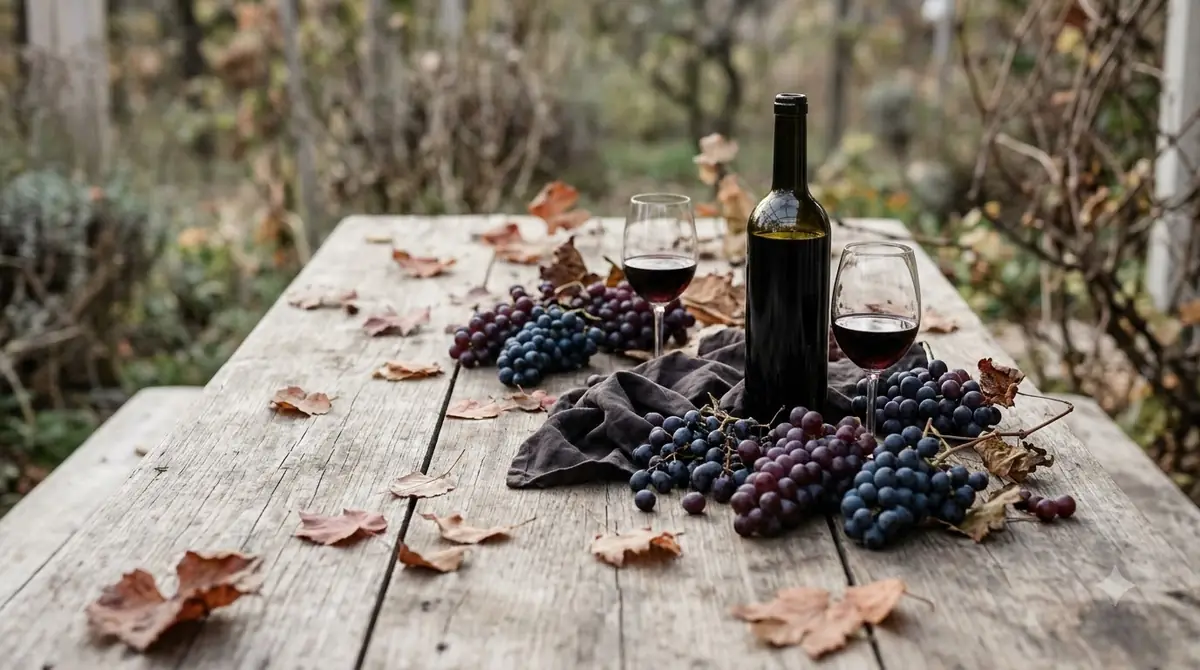
The wine comes from California and combines four grape varieties: Chenin Blanc, Chardonnay, French Colombard, and Pinot Noir. According to the producer, Chenin Blanc contributes soft fruit character, Chardonnay provides structure and baked-apple notes, French Colombard adds crisp fruit flavors, and Pinot Noir brings roundness and depth. This combination produces a balanced sparkling wine rather than one dominated by a single grape.
Its 12% alcohol by volume makes it comparable in strength to many conventional sparkling wines. The flavor profile includes bright citrus, vanilla, and spice, with a fruit-forward character that works well without elaborate food preparation. These characteristics help explain why it is frequently considered for celebrations where guests have different preferences.
However, the Extra Dry name can create confusion. In sparkling-wine terminology, Extra Dry is sweeter than Brut, despite sounding like a particularly dry style. Korbel describes its version as off-dry, meaning that it has a noticeable but generally moderate sweetness.
This distinction matters when choosing a bottle for guests who prefer crisp, very dry sparkling wine. Someone expecting the sharp, restrained character associated with Brut Nature or Brut may find Korbel Extra Dry noticeably sweeter. For drinkers who enjoy fruit-forward sparkling wine, that additional sweetness can be an advantage.
It is also useful to understand what this wine is not. Korbel Extra Dry is not Champagne from France. It is California sparkling wine made using the traditional bottle-fermentation method. The familiar Champagne-style production technique contributes to its appeal, but the geographical distinction remains important.
Korbel Extra Dry Price by Bottle Size and Retailer
A 750 ml bottle generally costs about $10 to $16 at US retailers, while the larger 1.5-liter bottle commonly falls around $25 to $35. These are practical shopping ranges rather than guaranteed prices, and actual costs vary by state, retailer, local taxes, and availability.
Retailer listings illustrate how much prices can differ. Total Wine has listed a 750 ml bottle at $12.49, while Meijer’s listing has shown the same size at $14.99. Those examples help establish a realistic shopping range, although individual store prices and promotions can change.
For shoppers comparing bottle sizes, the larger format deserves attention. A 1.5-liter bottle contains twice the wine of a standard 750 ml bottle. Its higher purchase cost does not automatically make it more expensive per milliliter, so comparing the equivalent volume is a better way to assess value.
| Bottle format | Wine volume | Typical US retail range | Approximate 5 oz servings |
|---|---|---|---|
| Standard bottle | 750 ml | $10–$16 | 5 |
| Large bottle | 1.5 liters | $25–$35 | 10 |
The serving estimates use the conventional 5 oz wine pour. A 750 ml bottle contains approximately 25.4 fluid ounces, providing about five full servings. A 1.5-liter bottle contains approximately 50.7 fluid ounces, providing about ten servings.
There is another consideration: bottle format affects how easily the wine can be handled and stored. A standard bottle is convenient for a small dinner or a couple of glasses, while a magnum is more suitable for a larger gathering. Sparkling wine also needs enough refrigerator space before serving, which can make a standard bottle easier to manage.
Price differences between retailers do not necessarily indicate differences in the wine itself. Korbel Extra Dry is a non-vintage sparkling wine, and its consistent house style is achieved through blending grapes, vintages, and appellations. A higher shelf price should therefore be evaluated against the bottle size, retailer, and convenience rather than assumed to represent a superior version.
For a typical household purchase, the 750 ml format offers the most straightforward starting point. Buyers who already know they enjoy the wine and expect to serve several people can consider the 1.5-liter option.
Key Factors to Compare Before Buying
The best way to evaluate a Korbel Extra Dry purchase is to compare volume, sweetness, production method, alcohol content, and intended use. These five factors help establish whether the bottle fits the occasion and whether the retail price is reasonable.
1. Bottle volume: The difference between 750 ml and 1.5 liters is substantial when planning servings. A standard bottle provides approximately five 5 oz pours, whereas the larger bottle provides approximately ten. For a gathering with eight adults, two standard bottles or one magnum may be more practical than buying a single standard bottle.
2. Sweetness: Korbel Extra Dry is off-dry, not bone-dry. The producer lists a dosage of 1.50%, and its product description identifies a slightly sweet profile. This is important for shoppers who prefer Brut or Extra Brut styles and want to avoid unexpected sweetness.
3. Alcohol content: The producer lists 12% ABV. This figure helps buyers distinguish it from lower-alcohol sparkling alternatives and understand the strength of the wine being served.
4. Production method: Korbel Extra Dry uses traditional bottle fermentation, also known as méthode champenoise. This means the second fermentation takes place in the bottle rather than in a large pressurized tank. The method is a meaningful production detail when comparing it with sparkling wines made using the tank method.
5. Flavor and food compatibility: Citrus, vanilla, spice, and fruit-forward character make this bottle versatile with several foods. Its moderate sweetness is particularly useful alongside spicy dishes and salty appetizers.
| Buying factor | Korbel Extra Dry detail | Why it matters |
|---|---|---|
| Origin | California | Identifies the wine’s production region |
| Grape varieties | 4 | Creates a blended flavor profile |
| Alcohol | 12% ABV | Indicates alcohol strength |
| Dosage | 1.50% | Producer-listed sweetness-related production detail |
| Standard size | 750 ml | About 5 conventional servings |
| Large size | 1.5 liters | About 10 conventional servings |
Buyers should also consider how the wine will be served. A bottle intended for mimosas may not need the same level of dryness as one intended for a formal sparkling-wine tasting. Likewise, someone serving a rich cheese board may appreciate a slightly sweeter sparkling wine more than someone planning a menu centered on delicate seafood.
The producer’s Korbel Extra Dry product information provides the most useful reference for the blend, alcohol level, dosage, and production method. Comparing those details with the shelf price gives buyers a clearer picture than relying on the Extra Dry name alone.
Step-by-Step: How to Find the Right Korbel Extra Dry Bottle
Finding a suitable bottle involves more than choosing the lowest shelf price. A simple buying process helps shoppers compare the correct format, avoid confusion about sweetness, and purchase enough wine for the occasion.
- Start with the number of guests. Estimate the number of 5 oz servings required. One 750 ml bottle provides approximately five conventional servings, while a 1.5-liter bottle provides approximately ten. For eight guests, two standard bottles provide a more comfortable quantity than one.
- Choose the bottle size. Select 750 ml for smaller gatherings, occasional drinking, or a first purchase. Consider the 1.5-liter format when serving a larger group or preparing several rounds of sparkling cocktails.
- Compare at least two retailers. Look at the price for the same volume rather than comparing a standard bottle with a magnum. Retailer listings from Total Wine and Meijer demonstrate that the same wine can appear at different shelf prices.
- Decide whether off-dry sweetness suits the occasion. Korbel Extra Dry has more sweetness than Brut. Choose it for guests who enjoy fruit-forward sparkling wine, or consider a drier alternative if the menu and preferences call for less sweetness.
- Check the intended serving temperature. Chill the bottle to approximately 40–50 F before opening. This temperature range helps preserve the refreshing character and keeps the sparkling wine pleasant during service.
- Plan the food pairing. Consider cheese, dried fruit, pâté, seafood appetizers, or spicy Asian dishes. If serving a mimosa, prepare chilled orange juice separately so guests can adjust the proportions.
- Plan for leftover wine. Sparkling wine gradually loses carbonation after opening. Use a proper sparkling-wine stopper, refrigerate the bottle promptly, and aim to enjoy the remaining wine within one to three days.
This process is especially helpful when shopping for a party. The correct bottle size prevents unnecessary purchases, while the sweetness comparison helps avoid serving a style that conflicts with guests’ preferences.
Tip: Compare the cost per 750 ml equivalent when evaluating a 1.5-liter bottle. A larger bottle may have a higher total price without offering better value per serving. Also, remember that Extra Dry is sweeter than Brut, so the sweetness description is just as important as the bottle format.
For a closer look at the wine itself, the Korbel Extra Dry overview can help clarify its flavor profile and intended serving occasions. It is useful to understand the product before comparing it with other sparkling wines on the shelf.
Types and Styles Explained: Extra Dry, Brut, and Other Sparkling Wines
Understanding sparkling-wine sweetness is essential because the label Extra Dry does not mean the same thing as the ordinary phrase dry. Korbel Extra Dry is off-dry and fruit-forward, while Brut styles generally offer a noticeably drier impression.
The traditional sparkling-wine sweetness sequence runs from driest to sweetest as follows: Brut Nature, Extra Brut, Brut, Extra Dry, Dry, Demi-Sec, and Doux. The terminology can seem counterintuitive, particularly for shoppers accustomed to reading dry as a general description of a wine with little sweetness.
Korbel Extra Dry sits between Brut and Dry in this sequence. That makes it a useful option for drinkers who want a little sweetness without moving into dessert-wine territory. Its citrus and baked-apple character provides freshness, while its off-dry profile softens the overall impression.
For comparison, Korbel Brut is generally the more suitable choice for someone who prefers a drier sparkling wine. Korbel Extra Dry is a better match for people who enjoy slightly sweeter flavors. The difference is especially noticeable when the wines are served without food, where the underlying sweetness is easier to recognize.
Production method is another important distinction. Prosecco is typically produced using the tank method and is made primarily from Glera grapes. Champagne and traditional-method sparkling wines undergo their second fermentation in the bottle. Korbel Extra Dry belongs to the latter production category.
These differences do not automatically determine quality. Tank-method sparkling wines can be fresh and enjoyable, while bottle-fermented wines can offer different textural and flavor characteristics. The best option depends on whether a buyer prioritizes fruit-forward freshness, sweetness, production tradition, or a particular food pairing.
How the four grapes contribute to the style
The blend is one of the defining features of Korbel Extra Dry. Rather than relying on a single grape, the producer combines four varieties to create its characteristic profile.
- Chenin Blanc: Contributes a soft, forward fruit character.
- Chardonnay: Adds structure and flavors associated with citrus and baked apple.
- French Colombard: Provides bright, crisp fruit notes.
- Pinot Noir: Adds roundness and depth to the finished blend.
This combination explains why the wine can feel fruity without being particularly heavy. The different grape contributions work together to provide freshness, structure, and an approachable finish.
For a broader comparison of the producer’s sparkling offerings, the Korbel wine range provides useful context. Buyers can compare the Extra Dry style with other expressions rather than assuming every Korbel bottle has the same sweetness.
Common Mistakes When Shopping for Korbel Extra Dry
Several purchasing mistakes can lead to disappointment, even when the wine itself is a good fit for the occasion. The most common issues involve misunderstanding sweetness, comparing different bottle sizes, and overlooking serving conditions.
Assuming Extra Dry means very dry
This is probably the biggest source of confusion. In sparkling-wine terminology, Extra Dry is sweeter than Brut. Korbel specifically describes its version as off-dry, so shoppers expecting a bone-dry wine may be surprised by its fruit-forward sweetness.
People who generally prefer Brut Nature, Extra Brut, or particularly crisp Brut sparkling wines should consider this distinction before purchasing. Those who enjoy a softer, slightly sweet finish may find Korbel Extra Dry more appealing.
Comparing different bottle volumes
A 1.5-liter bottle naturally costs more than a 750 ml bottle because it contains twice as much wine. Comparing only the total shelf price can make the larger bottle appear unnecessarily expensive. Calculate the equivalent cost per standard bottle or per serving instead.
For a group of ten people, a magnum can be convenient because it provides approximately ten standard 5 oz servings. For two or three people, a standard bottle may be more manageable and reduce the possibility of leftover sparkling wine.
Ignoring local retail differences
Alcohol retail pricing varies considerably between states and stores. Local taxes, distribution costs, store policies, and inventory can affect the final amount. A price displayed by a retailer in California should not automatically be treated as representative of what a shopper will pay elsewhere.
It is also important to distinguish ordinary shelf pricing from temporary promotional pricing. A retailer may display a limited-time offer or location-specific price. That figure should not be treated as a permanent national retail benchmark.
Serving it too warm
Sparkling wine benefits from proper chilling. Korbel Extra Dry is best served around 40–50 F. Serving it considerably warmer can make the alcohol feel more noticeable and reduce the refreshing sensation associated with chilled sparkling wine.
Pairing it with excessively sweet desserts
Although Extra Dry has some sweetness, it is not necessarily sweet enough to match every dessert. A wine generally tastes less sweet when paired with food that is sweeter than the wine itself. Very sugary cakes, pastries, and desserts can therefore make the sparkling wine seem more acidic or tart.
For dessert, dried fruit or moderately sweet fruit-based dishes are often more suitable. For richer desserts, a sweeter sparkling-wine style may provide a better match.
Serving, Care, and Storage Tips
Proper serving and storage help preserve the freshness and carbonation of Korbel Extra Dry. Chill the bottle before opening, pour carefully into clean glasses, and refrigerate any remaining wine promptly.
The ideal serving temperature for sparkling wine is approximately 40–50 F. A refrigerator can chill the bottle before service, while an ice bucket filled with ice and water can help maintain its temperature during a gathering. Avoid leaving the bottle on a warm table for an extended period.
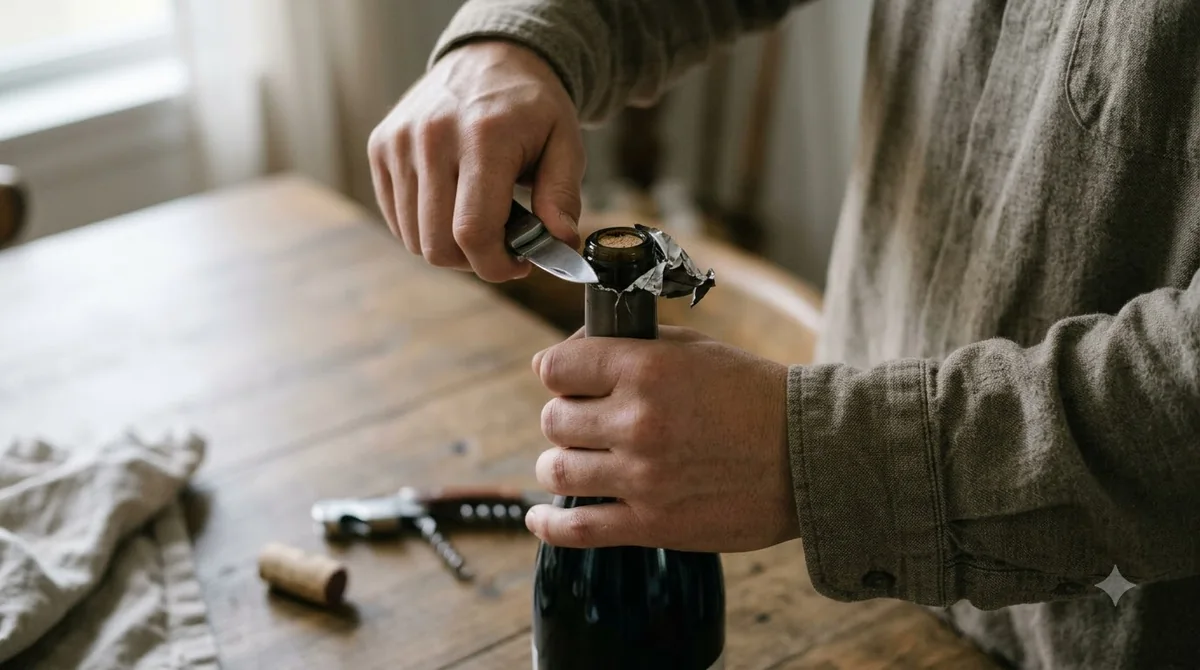
When opening the bottle, remove the foil and loosen the wire cage while keeping a firm hand over the cork. Point the bottle away from people and fragile objects. Hold the cork securely and rotate the bottle slowly rather than pulling the cork upward. A controlled opening helps minimize wine loss and reduces the risk of an unexpected cork release.
Use clean sparkling-wine glasses and pour slowly to preserve the bubbles. A traditional flute helps maintain visible carbonation, while a tulip-shaped glass offers more room to appreciate the wine’s aromas. Avoid filling glasses to the rim; a conventional 5 oz serving leaves enough room for the sparkling wine to release its aromas.
Food pairings for Korbel Extra Dry
The wine’s fruit-forward character and gentle sweetness make it suitable for appetizers and dishes with moderate richness. Korbel specifically recommends double- and triple-cream cheeses, dried fruits, pâté, and spicy Asian cuisine.
- Creamy cheeses: Brie and other rich, soft cheeses provide a contrast to the wine’s crisp acidity.
- Dried fruit: Apricots, dates, and dried figs complement its fruit-forward character.
- Pâté: Rich, savory spreads benefit from the refreshing sparkling texture.
- Spicy Asian dishes: The off-dry profile can complement moderate spice, although high alcohol and strong chili heat can intensify each other.
- Seafood appetizers: Fresh seafood can work well when the preparation is not excessively oily or heavily seasoned.
For a brunch setting, Korbel Extra Dry can also be used in a mimosa. Combine chilled sparkling wine with orange juice, adjusting the ratio according to the desired sweetness and strength. Since the wine already has some residual sweetness, a juice-heavy mixture may taste noticeably sweeter than a preparation using Brut.
Storage after opening
Unopened sparkling wine should be stored in a cool, dark location away from direct sunlight and temperature fluctuations. A storage temperature near 55 F is a useful target for maintaining wine quality. Bottles with traditional cork closures can generally be stored on their sides to help prevent the cork from drying out.
Once opened, Korbel Extra Dry should be refrigerated with a proper sparkling-wine stopper. The usual storage window for opened sparkling wine is approximately one to three days, although carbonation gradually declines. A regular flat-wine stopper may not preserve pressure as effectively as a dedicated sparkling-wine closure.
Do not leave an opened bottle at room temperature overnight. Refrigeration slows deterioration, while minimizing unnecessary exposure to air helps preserve the remaining wine’s fresh character.
These storage practices are particularly important when buying the 1.5-liter format. A larger bottle is useful for a gathering, but it can leave more wine unfinished if the number of guests is smaller than expected.
Frequently Asked Questions
Does Korbel Extra Dry have added sugar?
Korbel lists a dosage of 1.50% for Extra Dry. Dosage is part of sparkling-wine production and contributes to the wine’s final sweetness. It should not be interpreted as a complete nutritional sugar measurement or as a statement that the wine contains 1.50 grams of sugar per serving.
Is Korbel Extra Dry a vintage or non-vintage wine?
Korbel identifies Extra Dry as non-vintage. Its blending approach combines multiple varieties, vintages, and appellations to maintain a consistent house style. This means the wine is not intended to express the character of one specific harvest year.
Does Korbel Extra Dry need decanting?
No. Sparkling wine is generally served directly from the bottle rather than decanted like a young, full-bodied red wine. Decanting can cause unnecessary loss of carbonation. Chill the bottle, open it carefully, and serve shortly afterward.
Can Korbel Extra Dry be used in a sparkling wine punch?
Yes. Its fruit-forward character and moderate sweetness make it suitable for sparkling punches containing citrus juice, sliced fruit, or other mixers. Add the sparkling wine shortly before serving so the mixture retains as much carbonation as possible.
Is Korbel Extra Dry made from only white grapes?
No. The producer identifies Pinot Noir as one of the four grapes in the blend, alongside Chenin Blanc, Chardonnay, and French Colombard. Pinot Noir is a red grape variety, but its inclusion does not mean the finished wine is a rosé. The final appearance and style depend on how the grapes are processed and blended.
Korbel Extra Dry is a practical choice for shoppers who enjoy accessible, slightly sweet California sparkling wine. The standard bottle is a convenient option for smaller occasions, while the 1.5-liter format suits larger gatherings. Compare equivalent bottle volumes, consider the sweetness level, and choose a retailer whose local pricing fits the intended purchase.
For more comparisons and buying advice, explore our Wine Brands resources before choosing your next sparkling wine.
More in Wine Brands
 Louis Latour Wine Price: Compare Bottles by Style and TierUpdated Nov 20, 2026
 Yellow Tail Moscato Price: What to Expect Before You BuyUpdated Nov 20, 2026
 Sutter Home Sweet Red Review: Find the Right Food PairingsUpdated Nov 20, 2026
 Franzia Chillable Red Review: Find the Right Serving StyleUpdated Nov 20, 2026
 Veuve Clicquot Rose Review: Flavor, Food Pairings and Buying AdviceUpdated Nov 20, 2026
 Rombauer Wine Price: Compare Bottles Before You BuyUpdated Nov 20, 2026