

We may earn a commission when you buy through links on this page, at no extra cost to you. Learn more.
Is Duplin wine good? Yes, Duplin is a good choice for drinkers who enjoy fruit-forward wines with noticeable sweetness and an unmistakably Southern muscadine character. Its lineup ranges from full-sweet reds to smoother, medium-sweet whites, blush wines, and some drier-feeling selections. It is a less natural fit for someone who expects every bottle to taste like a crisp, bone-dry Sauvignon Blanc or a tannic Cabernet Sauvignon.
The key is to judge Duplin on the style it makes, not on whether it resembles a classic dry wine from California or Europe. Duplin Winery has specialized in Muscadine grapes in Rose Hill, North Carolina, since 1976, and its wines are made for people who like expressive fruit, generous flavor, and an easy pour at a casual meal or gathering.
Who This Is For
Duplin is most appealing to people who already enjoy sweet or off-dry wine, fruit-forward aromas, and a softer finish rather than firm tannins. The winery’s history is closely tied to North Carolina Muscadines, and the North Carolina Department of Agriculture profile describes a range that stretches from sweet to drier-feeling styles, while noting that the wines remain fruit-forward.
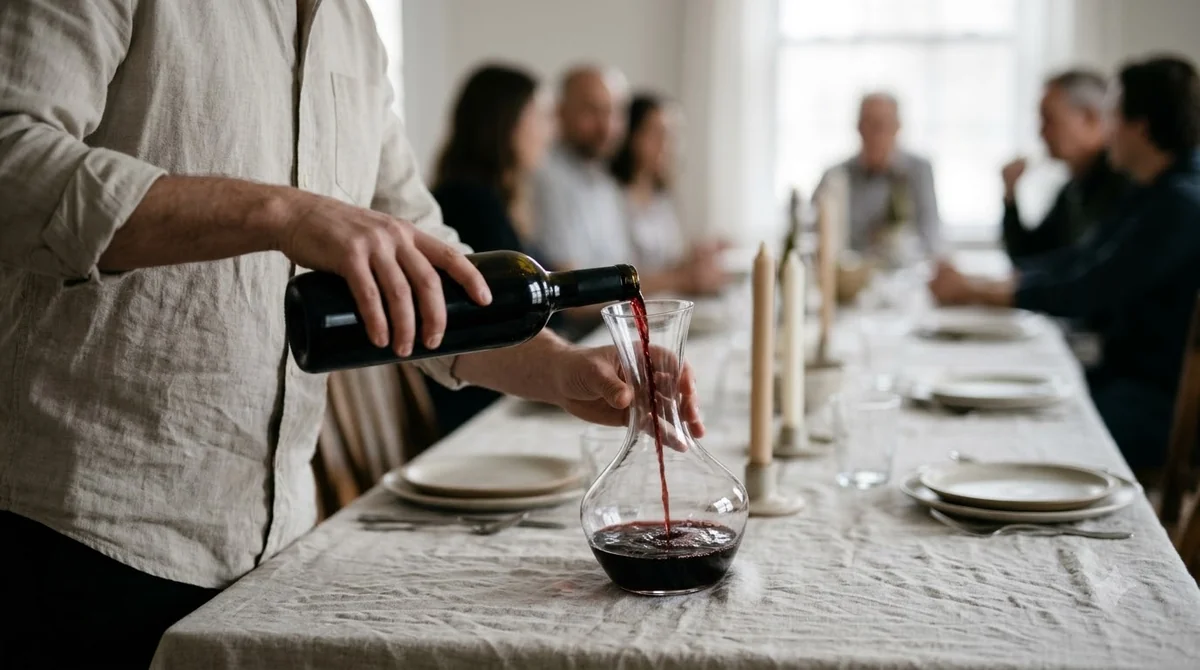
Start with Duplin if you like sweet red wine with barbecue, chilled whites with casual appetizers, or a bottle to share with guests who prefer approachable flavors. Carolina Red is one of the winery’s best-known choices: the North Carolina Department of Agriculture identifies it as a best seller and describes it as a full-sweet wine made from the James Muscadine grape. That makes it a more useful reference point for sweet-wine fans than for someone seeking a restrained, earthy red with pronounced oak or tannin.
Duplin also suits people curious about regional American grapes. Muscadine is native to the Southeast, not a variation of the European grapes used for Cabernet, Chardonnay, or Pinot Noir. Its aromas can include ripe fruit, florals, lime, cranberry, and sometimes resin-like notes; Wine Folly describes the style as distinctive and potentially an acquired taste.
Drinkers who usually choose dry, high-acid whites or structured, tannic reds may find the sweeter Duplin bottles too forward. That is a matter of style, not a simple quality verdict: Duplin is a specialist in regional, fruit-led wines rather than a producer trying to imitate every classic wine style. Our overview of duplin wine gives more context on the range.
Key Factors to Compare
Compare Duplin bottles by sweetness first, then by grape or fruit base, body, and acidity. Those details will tell you more about whether a bottle suits your palate than the color of the wine or the word “red” or “white” on the front label.
| What to compare | Duplin example or reference | What it means for your choice |
|---|---|---|
| Sweetness | Carolina Red is described as full-sweet; Midnight Magnolia is medium, smooth, and fruity. | Choose Carolina Red for an obvious sweet-wine profile; try Midnight Magnolia for a more balanced-feeling white. |
| Grape identity | Muscadine, including Scuppernong and James grapes. | Expect a distinctive southeastern grape character rather than a familiar Cabernet or Chardonnay profile. |
| Fruit base | Blackberry is listed as a 100% North Carolina blackberry wine by Total Wine. | Not every Duplin bottle is a Muscadine wine; fruit wines offer a different flavor direction. |
| General alcohol reference | Wine Folly lists 10–11.5% ABV as a typical Muscadine profile. | This is a grape-style reference, not a guaranteed figure for every Duplin label. |
| Fermentation context | The North Carolina Department of Agriculture reports 4–8 weeks, depending on variety. | Different Muscadine varieties can require different production times; this is not a bottle-specific aging promise. |
| Serving size | A 750 ml bottle holds about five 5-ounce pours. | That is a practical guide for planning a small dinner or tasting flight. |
Sweetness is the first decision because it changes how the wine feels with food. A bottle with noticeable residual sugar can taste rounder and fruitier, while a drier style will give more attention to acidity and the grape’s natural aromas. Duplin’s own descriptions distinguish full-sweet Carolina Red from the medium, smooth profile of Midnight Magnolia, so those two are useful starting points for comparing the ends of its range.
Alcohol content deserves a separate look. Wine Folly gives a broad 10–11.5% ABV range for Muscadine as a grape style, but that should not be treated as a fixed Duplin specification. Recipes, sweetness, and individual labels differ, so use the bottle’s ABV statement for the exact figure. For more label-by-label context, see our guide to Duplin wine alcohol content.
Step-by-Step: How to Choose a Bottle
A simple tasting plan helps you find the right Duplin style without buying several bottles at random. Work from the sweetness you like, then compare the wine’s fruit character, temperature, and food match.
- Decide how sweet you want the wine. If you like dessert wines or sweet red blends, begin with Carolina Red. If you want fruit without the fullest level of sweetness, start with Midnight Magnolia or another wine described as medium or semi-sweet.
- Choose the color and base flavor. For a Muscadine-led white, look at Scuppernong or Magnolia. For a red, compare Carolina Red with Black River Red. If you want a berry rather than grape profile, Duplin Blackberry is a separate fruit-wine option.
- Read the style description before focusing on the name. Duplin uses regional and seasonal names across its range, but words such as “sweet,” “medium,” “crisp,” and “smooth” are more useful clues to the glass. A retailer’s product listing can also help identify whether a bottling is a red blend, white blend, blush, or fruit wine.
- Chill it to suit the style. Serve sweet whites around 43–50°F and lighter reds around 55–60°F. A short chill can make a fruit-forward red feel fresher and keep a sweet white from seeming heavy.
- Try it with a small, well-matched plate. Pair a sweet wine with food at least as sweet as the wine, or use salty and rich foods to soften a wine’s weight. A fruit-led red can work with barbecue or sharp cheese; a sweet white can pair with fruit desserts or creamy dishes.
- Compare two pours side by side. A 5-ounce pour is a sensible tasting size, and a standard 750 ml bottle provides about five such servings. Take a note of whether the finish feels refreshing, sugary, tart, or aromatic; that will guide the next purchase more reliably than the wine’s color alone.
For a first purchase, compare two contrasting styles rather than two very sweet bottles. Carolina Red and Midnight Magnolia offer a useful red-versus-white comparison; the aim is to find the sweetness and fruit expression you enjoy, not to assume every bottle tastes alike.
Shoppers who enjoy approachable supermarket wines such as Barefoot wine may recognize Duplin’s accessible fruit and soft finish, but Muscadine has its own character. Compare sweetness and finish rather than assuming the grape profiles are interchangeable. Our Wine Brands directory covers producers across regions and styles.
Types or Styles Explained
Duplin’s range makes more sense when you separate Muscadine wines by color and sweetness, then set its fruit wines aside as a different category. The winery offers recognizable names such as Carolina Red, Midnight Magnolia, and Scuppernong, but their flavor descriptions point to different drinking occasions.
Carolina Red: A Full-Sweet Red
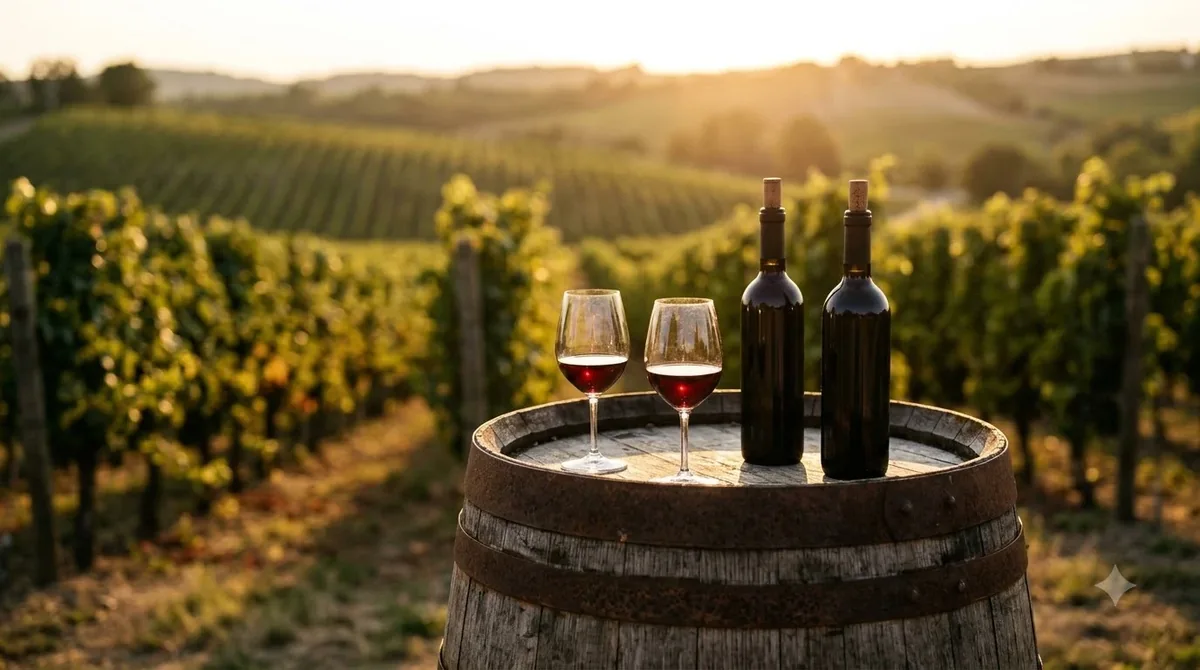
Carolina Red is a useful first stop for someone who wants a clearly sweet red. Duplin describes it as a late-harvest Muscadine wine with velvety sweetness and a clean finish; the North Carolina Department of Agriculture identifies it as a top seller made from the James Muscadine grape. Expect ripe fruit, not the dry grip and firm tannin of Cabernet Sauvignon.
Its sweetness can work with salty barbecue, smoked pork, or sharp cheese, and it can be poured on its own after dinner. It is less suited to delicate dishes that need a dry, structured red. Choose it for its sweet profile rather than expecting the color to promise a conventional dry blend.
Midnight Magnolia: A Smoother, Medium White
Duplin describes Midnight Magnolia as medium, smooth, and fruity, with a fresh, crisp finish. It is made from late-harvest estate-grown Magnolia grapes, and the North Carolina Department of Agriculture compares its profile to Riesling. It is a sensible first choice for someone who wants a fruit-driven white with some lift rather than the fullest sweetness.
Try it with mild cheeses, roast poultry, spicy wings, or fruit dessert. The crisp finish gives it more range than a very sweet white, although it remains fruit-forward. A separate Duplin Magnolia listing at Total Wine is described as medium-sweet and suggested with creamy or buttery desserts.
Scuppernong and Scuppernong Blush: Regional Character
Scuppernong is a classic Muscadine name and a useful way to explore the grape’s local identity. Total Wine describes Duplin Scuppernong as sweet, easy-drinking, and best served chilled. Scuppernong Blush combines Scuppernong with Coastal James grapes, according to the retailer’s listing.
These styles suit warm-weather gatherings, light appetizers, fruit, and mild poultry. They are not a dry Provence rosé or crisp European white, so use their own sweetness and fruit as the guide. Wine Folly’s Muscadine overview explains why the grape differs from familiar varieties.
Black River Red and Blackberry: Two Different Directions
Total Wine describes Black River Red as a mellow, sweet red blend of Muscadine and ripe Catawba grapes. It offers an alternative to Carolina Red for sweet-red drinkers and can pair with cheese, hearty pasta, or other savory foods.
Duplin Blackberry belongs in a separate category: Total Wine identifies it as a full-bodied fruit wine made from North Carolina blackberries, not Muscadine grapes. Choose it for pronounced berry character and a different kind of fruit sweetness.
Common Mistakes
The most common mistake is expecting every Duplin bottle to taste dry, restrained, or similar to a classic European table wine. Muscadine is naturally associated with sweet and aromatic styles, although drier versions exist, so sweetness and aromatic intensity are part of the category’s identity.
Another mistake is confusing Muscadine with Muscat. The names look alike, but they are different grape families; VinePair explicitly makes that distinction. Native to the Southeast, Muscadine can show ripe banana, bruised apple, lime peel, cranberry, florals, or resin-like aromas—surprising flavors if you expect Chardonnay or Pinot Grigio.
A sweet wine also needs a dessert at least as sweet as the wine; a dry or bitter dessert can make it seem cloying. Salt and fat soften tannin, while chili heat is amplified by alcohol and tannin. Oily fish is a difficult match for tannic reds, so a chilled white or blush is usually safer.
Finally, do not treat “red,” “white,” or “blush” as a complete flavor description. Carolina Red is full-sweet, Midnight Magnolia is medium and smooth, and Blackberry is a blackberry-based fruit wine. Read the sweetness and base-grape information before choosing, and compare the style description rather than relying on color or a seasonal name.
Care or Storage Tips
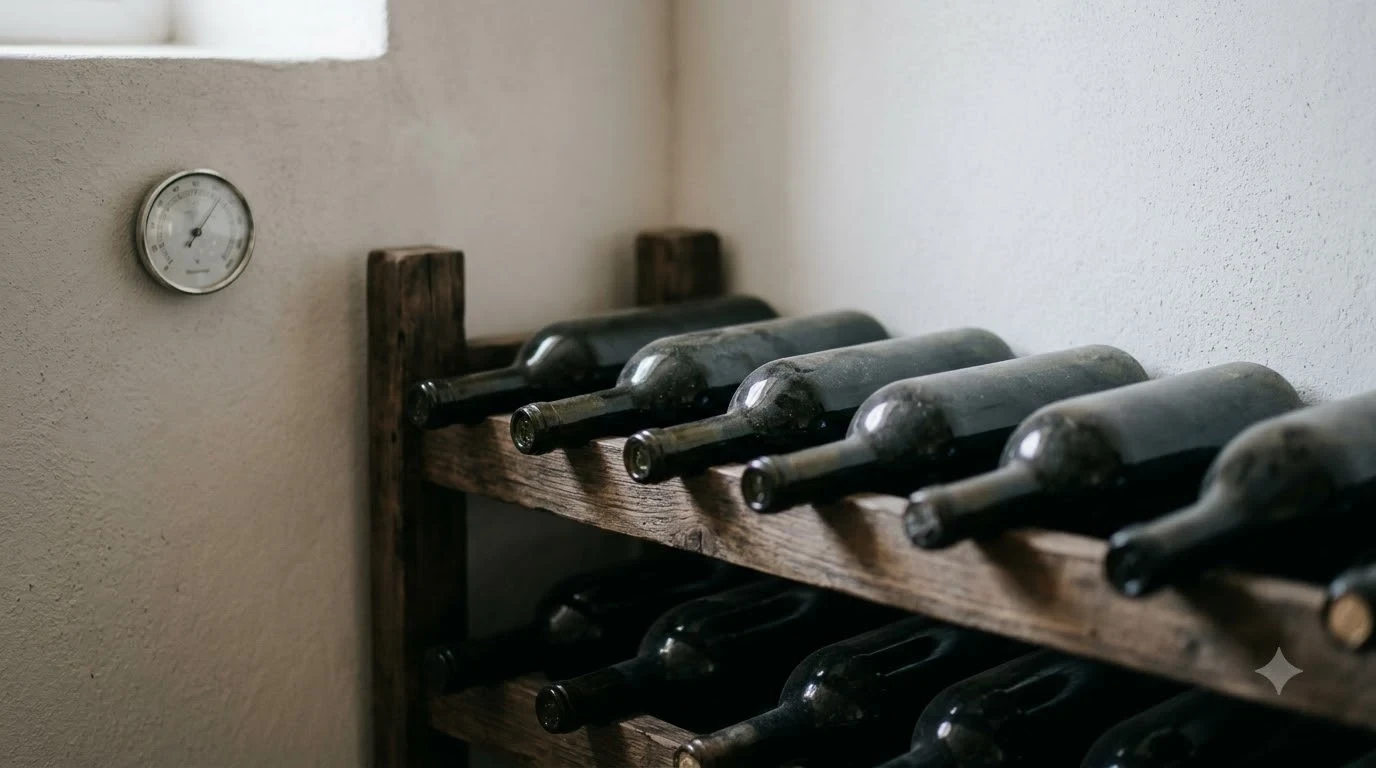
Duplin recommends enjoying Muscadine wines young and well chilled, which is a practical approach for fruit-forward bottles. Keep unopened bottles away from direct sunlight and heat, and store them on their side in a cool place near 55°F when they have a cork closure. A steady temperature matters more than trying to create elaborate cellar conditions for a bottle intended for near-term drinking.
For serving, sweet whites generally show best around 43–50°F, while lighter reds are comfortable around 55–60°F. If a red seems heavy or overly sweet at room temperature, a brief chill can sharpen its impression of freshness. Avoid serving it so cold that the fruit aromas disappear; take the glass out for a few minutes and let the wine open as it warms.
After opening, keep still wine refrigerated and aim to finish it within 3–5 days for the best flavor. Replace the cork or use a wine stopper, and limit the time the bottle sits open on the counter. Muscadine’s aromatic character is a reason to drink the wine while it is fresh rather than saving it for long-term aging. A 750 ml bottle is about five 5-ounce servings, so plan the pour size around the number of guests and whether the wine is being served with food or on its own.
Tip: Chill a sweet Duplin white before serving, then pour a small glass and let it warm slightly. The gradual temperature change can reveal more aroma while keeping the first sip refreshing.
Frequently Asked Questions
These quick answers cover the background and practical details that can help you decide whether to visit the winery, explore its original style, or try more than one bottle.
Where is Duplin Winery based?
Duplin’s home office remains in Rose Hill, North Carolina, where the winery began. Its visitor locations also include North Myrtle Beach, South Carolina, and Panama City Beach, Florida, giving travelers more than one place to explore its wines.
Does Duplin offer a wine club?
Yes. The Duplin Heritage Wine Club offers quarterly wine packages, with shipping or pickup options described by the winery. Membership information also lists tastings, events, and other member benefits, so it is intended for customers who want an ongoing connection rather than a single bottle.
What was Duplin’s original wine?
Duplin says its first vintage was a Scuppernong wine made from a native North Carolina Muscadine variety. The winery continues to produce Scuppernong as part of its lineup, linking the current range to its founding style.
Is Scuppernong the North Carolina state fruit?
Yes. Scuppernong is a variety of Muscadine and is recognized as North Carolina’s state fruit. That connection is one reason the grape has such a strong place in the state’s agricultural and wine history.
When did the Fussell family first plant Muscadine grapes?
The family history on Duplin’s website dates the first planting to 1972, when David Fussell Sr. and his brother Dan planted Muscadines as a cash crop. The winery itself opened in Rose Hill four years later, in 1976.
Duplin is a good fit when you want regional Muscadine wines with generous fruit and a range of sweetness, especially for casual meals, gatherings, and desserts. Start with Carolina Red for a full-sweet red or Midnight Magnolia for a smoother white, then branch out once you know which profile suits your palate.
More in Wine Brands
 Louis Latour Wine Price: Compare Bottles by Style and TierUpdated Nov 20, 2026
 Yellow Tail Moscato Price: What to Expect Before You BuyUpdated Nov 20, 2026
 Sutter Home Sweet Red Review: Find the Right Food PairingsUpdated Nov 20, 2026
 Franzia Chillable Red Review: Find the Right Serving StyleUpdated Nov 20, 2026
 Veuve Clicquot Rose Review: Flavor, Food Pairings and Buying AdviceUpdated Nov 20, 2026
 Rombauer Wine Price: Compare Bottles Before You BuyUpdated Nov 20, 2026