


We may earn a commission when you buy through links on this page, at no extra cost to you. Learn more.
Is menage a trois wine good? Yes, Ménage à Trois is a good choice for casual wine drinkers who enjoy approachable, fruit-forward wines, especially smooth California reds with ripe berry flavors. Its original Red Blend combines Zinfandel, Merlot, and Cabernet Sauvignon to create a recognizable style with jammy fruit, moderate richness, and noticeable tannins. It is not necessarily the right choice for people seeking complex, highly structured wines, but its approachable character makes it a practical option for everyday dinners, gatherings, and beginners exploring California wine.
Ménage à Trois has developed a recognizable identity through its playful branding and distinctive three-grape blends. However, the range includes more than one kind of wine: its original red is different from its softer Silk blend, darker Midnight bottling, and sweet Moscato. Understanding these differences makes it easier to decide whether the brand matches your preferences rather than judging every bottle by the same standard.
Who Should Buy Ménage à Trois Wine?
Ménage à Trois is best suited to people who enjoy accessible, fruit-forward wines without needing extensive knowledge of grape varieties or winemaking. Its original California Red Blend is particularly appealing to drinkers who like blackberry, raspberry, and ripe-fruit flavors alongside a smooth, generous mouthfeel.

One reason the brand appeals to beginners is its straightforward flavor profile. Rather than emphasizing unusual vineyard characteristics or complicated aging techniques, the original Red Blend focuses on recognizable fruit flavors. The producer describes blackberry and raspberry jam alongside rich flavors and firm tannins. That combination makes the wine relatively easy to understand, even for someone who has only recently started exploring red wine.
The brand also offers different styles for different preferences. Someone who enjoys softer reds can explore Silk, while a drinker who prefers a darker red profile can consider Midnight. White-wine drinkers have options such as Pinot Grigio, Chardonnay, and Sauvignon Blanc, while those who prefer pronounced sweetness can choose Moscato or Dolce.
There are also situations in which Ménage à Trois may not be the strongest choice. Experienced drinkers who prioritize subtle oak integration, complex earthy aromas, distinctive vineyard expression, or firm structural balance may find the original Red Blend relatively straightforward. Likewise, someone who dislikes ripe fruit flavors or noticeable residual sweetness should consider the specific bottling carefully.
Think about the following preferences before buying:
- Beginners: The fruit-forward red blends offer recognizable flavors without requiring detailed wine knowledge.
- Casual red-wine drinkers: The original Red Blend works well for relaxed meals, pizza nights, and informal gatherings.
- People who prefer softer reds: Silk is worth considering for its softer positioning.
- Sweet-wine enthusiasts: Moscato and Dolce offer more explicitly sweet styles.
- Fans of structured reds: Those who prefer pronounced Cabernet Sauvignon tannins and more restrained fruit may want to explore other producers.
The brand’s own FAQ describes its wines as approachable and fruit-forward and specifically identifies the original Red Blend as suitable for beginners. That is a useful starting point, although personal sweetness preferences and expectations about complexity still matter.
Key Factors to Compare Before Buying
The most important factors are grape composition, sweetness, tannin, acidity, alcohol, and overall style. Ménage à Trois offers several distinct wines, so the original Red Blend should not be treated as representative of every bottle in the portfolio.
The original Red Blend combines three familiar California grape varieties. According to the producer’s published 2020 technical sheet, the proportions were 45% Zinfandel, 30% Merlot, and 25% Cabernet Sauvignon. Those figures describe that particular vintage rather than guaranteeing identical proportions in every subsequent bottling.
| Factor | What to Expect | Why It Matters |
|---|---|---|
| Original red grapes | 45% Zinfandel, 30% Merlot, 25% Cabernet Sauvignon in the 2020 technical sheet | Combines ripe fruit, body, and tannin |
| Original red alcohol | 13.75% ABV in the 2020 technical sheet | Provides a relatively full alcoholic strength |
| Original red acidity | 0.65 g/100 ml total acidity in the 2020 technical sheet | Contributes freshness and balance |
| Original red residual sugar | 1.1 g/100 ml in the 2020 technical sheet | Helps explain why the wine can taste fruit-forward without being a dessert wine |
| Moscato alcohol | 9.5% ABV according to its technical sheet | Offers a lower-alcohol alternative to the original red |
| Moscato residual sugar | 7.8 g/100 ml according to its technical sheet | Indicates a distinctly sweeter wine style |
| Moscato carbonation | Semi-sparkling | Adds liveliness to the sweet fruit flavors |
These figures help explain the differences between the wines. The original red has a combination of fruit, alcohol, acidity, and tannin that gives it more structure than a sweet white wine. Moscato, on the other hand, has a sweeter profile and delicate carbonation, making it a different drinking experience altogether.
Another important consideration is the relationship between fruitiness and sweetness. A wine can smell and taste like ripe berries without containing enough residual sugar to qualify as a genuinely sweet wine. The original Red Blend is often perceived as sweet-tasting because of its ripe fruit character, but it is not equivalent to Moscato or Dolce.
For a more detailed look at the brand’s individual offerings, the Ménage à Trois wine overview can help narrow down the selection before buying.
Tip: Do not choose a bottle based only on the words smooth, fruity, or sweet. Look at the actual wine style. The original Red Blend, Silk, Midnight, and Moscato offer noticeably different experiences despite sharing the same brand name.
Step-by-Step: How to Choose the Right Bottle
Choosing a Ménage à Trois wine becomes easier when you start with your preferred sweetness and body rather than the label design. A few simple comparisons can narrow the selection to a bottle that suits your taste and the occasion.
-
Decide whether you want red, white, or sweet wine.
Start with the broad category. Choose the original Red Blend if you enjoy ripe red and dark fruit flavors, Pinot Grigio or Sauvignon Blanc for a fresher white style, and Moscato if sweetness is your priority.
-
Determine how much sweetness you enjoy.
People who prefer mostly dry wines should begin with the conventional red or dry-style white selections. Those who enjoy sweeter flavors should investigate Moscato or Dolce rather than assuming the original red is a dessert-style wine.
-
Consider your preferred tannin level.
Cabernet Sauvignon typically has high tannin, while Merlot generally offers a softer, medium-tannin profile. Pinot Noir usually has low-to-medium tannin and higher acidity. These differences help explain why the individual grape-based wines can feel different from the original three-grape blend.
-
Match the wine to your food.
The original Red Blend is a practical match for burgers, grilled meats, and pizza. For seafood, chicken, salads, and softer cheeses, investigate the white-wine range instead. Moscato is particularly suitable when the meal includes fruit-based desserts.
-
Consider the occasion and serving temperature.
A casual dinner with friends might call for the original Red Blend, while a summer gathering could be better suited to chilled Moscato or Pinot Grigio. For the original red, a short period in the refrigerator can make the fruit flavors feel fresher.
-
Compare the individual bottling rather than the brand alone.
Look at the wine’s grape composition, alcohol strength, sweetness description, and producer tasting notes. This matters because a 9.5% ABV Moscato and a 13.75% ABV original red are designed for different preferences and occasions.
Following these steps prevents a common buying mistake: purchasing a wine simply because the brand is familiar. A drinker who loves sweet, lightly sparkling whites may be disappointed by a conventional red blend, even if that red is well made for its intended style.
Ménage à Trois Wine Types and Styles Explained
The brand’s portfolio covers several styles, from jammy red blends to crisp whites and sweet, semi-sparkling wines. Understanding the main differences is the best way to identify which bottle offers the experience you want.
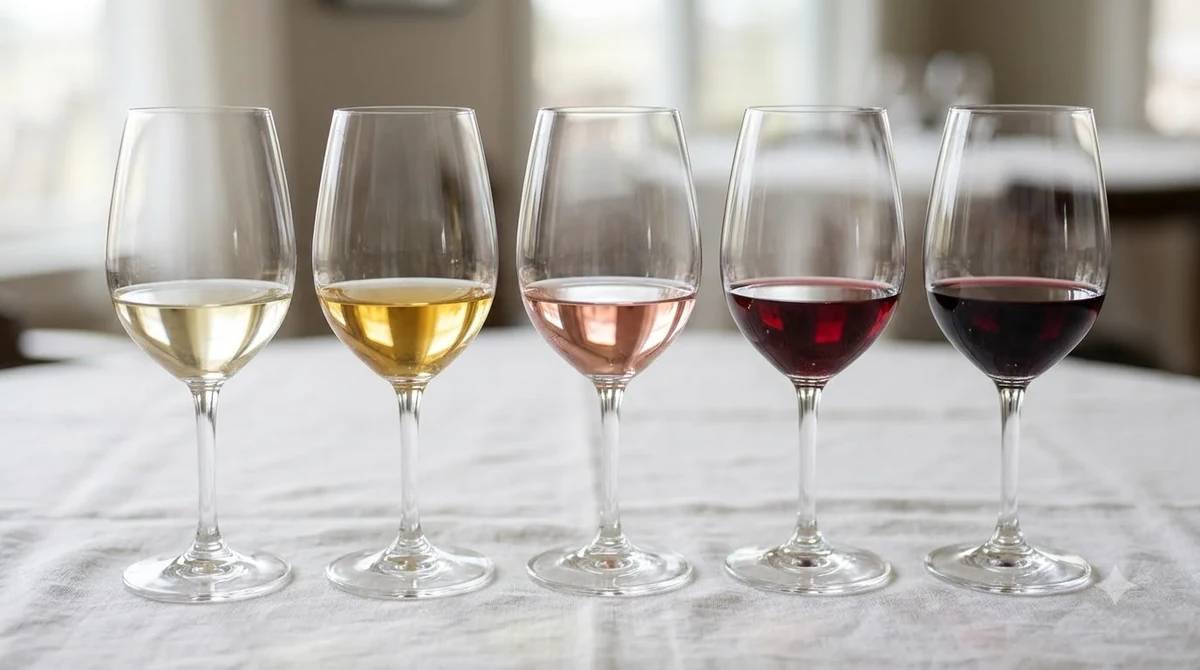
Original Red Blend
The original Red Blend is the brand’s signature style. It combines Zinfandel, Merlot, and Cabernet Sauvignon, with each variety contributing a different characteristic to the finished wine.
Zinfandel contributes blackberry and raspberry jam flavors. Merlot adds red-fruit character and a generous mouthfeel, while Cabernet Sauvignon provides richness and firm tannins. The producer ferments the varieties separately before blending them prior to bottling.
The result is a fruit-forward California red with a relatively generous texture. It is suitable for drinkers who prefer recognizable berry flavors and a red wine that does not require extensive consideration before serving. Its tannins are still noticeable, however, so it should not be mistaken for a completely soft or tannin-free wine. The producer’s original Red Blend description and tasting notes provide further details about its grape contributions and flavor profile.
Silk Soft Red Blend
Silk is positioned as the softer red blend within the portfolio. Its name and producer description suggest a gentler drinking style for people who prefer smoothness over pronounced tannic structure.
This is a sensible alternative for someone who finds Cabernet Sauvignon too firm or aggressive. It can also suit casual gatherings where a softer red is more appropriate than a strongly structured bottle.
Midnight Dark Red Blend
Midnight is the darker red blend in the range. It provides another option for people who enjoy the general fruit-forward identity of Ménage à Trois but want to explore a different red-wine expression.
It is worth comparing Midnight with the original Red Blend rather than assuming the darker name automatically means higher quality or more tannin. The two have different positioning within the brand’s portfolio, and personal preference should determine the selection.
Cabernet Sauvignon, Merlot, and Pinot Noir
The portfolio also includes individual grape-based reds. These are useful for drinkers who want to explore how a particular variety expresses itself without relying on a three-grape combination.
Cabernet Sauvignon is generally the more tannic choice, making it appropriate for people who enjoy structure and richer red-wine characteristics. Merlot typically offers softer tannins and a rounder texture. Pinot Noir usually emphasizes freshness, higher acidity, and less tannin.
White Wines
Ménage à Trois produces several white-wine styles, including Chardonnay, Pinot Grigio, Sauvignon Blanc, and Exotic White Blend. They provide alternatives for people who prefer white wine with seafood, chicken, salads, and lighter meals.
Pinot Grigio is a useful starting point for drinkers who like fresh, approachable whites. Sauvignon Blanc is generally a higher-acidity option with more pronounced freshness, while Chardonnay typically has medium acidity and can offer a broader texture.
Moscato and Dolce
The Sweet Collection includes Moscato Sweet White Blend and Dolce Sweet Red Blend. These are the more appropriate selections for people who actively enjoy sweetness rather than simply preferring ripe fruit flavors.
The Moscato combines Moscato with French Colombard and Chenin Blanc. Its producer describes orange zest, honeysuckle, peach, pineapple, honey, and orange blossom flavors. Delicate carbonation gives it a semi-sparkling character.
Dolce offers a sweet red alternative. It is a better starting point for someone who enjoys sweet red wine than assuming the original Red Blend will provide the same level of sweetness.
For additional details about its sweetness and flavor profile, see the dedicated Ménage à Trois Moscato overview.
Common Mistakes When Buying Ménage à Trois
The biggest mistakes involve confusing fruity flavors with sweetness, expecting every red blend to taste alike, and choosing a wine without considering food or serving temperature. A little attention to these details can make a noticeable difference in the drinking experience.
Assuming the Original Red Is a Sweet Wine
The original Red Blend has ripe, jammy fruit flavors that can create an impression of sweetness. However, fruit-forward does not automatically mean sugary. Its published 2020 technical sheet lists 1.1 g/100 ml residual sugar, considerably different from the 7.8 g/100 ml listed for the Moscato.
People who want an explicitly sweet wine should therefore consider Moscato or Dolce. Those who want a conventional red with ripe fruit flavors should start with the original blend.
Expecting Premium-Wine Complexity
Ménage à Trois is positioned around approachable California wines rather than highly specialized expressions of individual vineyards. The original blend emphasizes ripe blackberry, raspberry, and a generous mouthfeel.
That is not necessarily a weakness. A straightforward wine can be enjoyable when its style matches the occasion. However, someone searching for detailed mineral character, restrained fruit, long-term cellar potential, or intricate oak development may need to explore other wine categories and producers.
Ignoring Tannin and Acidity
Red wine structure matters, particularly when selecting food pairings. Cabernet Sauvignon typically has high tannin, Merlot has medium tannin, and Pinot Noir generally has lower tannin. These differences influence how a wine interacts with rich, salty, acidic, and spicy dishes.
Salt and fat can soften the perception of tannin, which helps explain why red blends often work well with burgers and grilled meats. Conversely, highly tannic red wines can clash with delicate oily fish, where a fresher white wine is usually a better direction.
Serving Every Wine at Room Temperature
Room temperature is not always the best serving condition for wine. Full-bodied reds are generally best around 60–65°F, while light reds are usually more enjoyable around 55–60°F. Serving a fruit-forward red too warm can make its alcohol feel more prominent and its fruit less refreshing.
The same principle applies to sweet whites. Moscato benefits from a cooler serving temperature, which helps its acidity balance the sweetness and makes the semi-sparkling character more refreshing.
Choosing Only by Label Design
The brand’s playful presentation makes the bottles recognizable, but the names do not explain every important detail about the wine. Original Red Blend, Silk, Midnight, and Moscato are not interchangeable products.
Check the specific wine style, grape variety, sweetness description, and alcohol content before choosing. These details provide a more reliable indication of whether the bottle matches your preferences than the label artwork alone.
Serving and Storage Tips for Better Results
Proper serving temperature and storage help preserve the fruit character that makes Ménage à Trois wines appealing. The original red generally benefits from slight cooling, while sweet whites such as Moscato are better served chilled.
Recommended Serving Temperatures
Different wine styles have different temperature requirements. The following ranges provide practical starting points:
- Original Red Blend: Approximately 60–65°F for a fuller red-wine experience.
- Silk and lighter reds: Approximately 55–60°F, depending on body and preference.
- Cabernet Sauvignon: Approximately 60–65°F to preserve its structure without making the alcohol feel overly prominent.
- Chardonnay: Approximately 50–55°F for a fuller white-wine style.
- Pinot Grigio and Sauvignon Blanc: Approximately 45–50°F for a fresher, lighter presentation.
- Moscato: Approximately 43–50°F to highlight its sweetness, acidity, and delicate carbonation.
The brand’s official FAQ suggests placing its red wine in the refrigerator for 15–30 minutes before serving. This is a practical shortcut for people who keep their reds at typical indoor temperatures.
Food Pairing Recommendations
The original Red Blend works particularly well with dishes that have enough richness and flavor to complement its ripe fruit and tannins. Burgers, grilled meats, pizza, pasta with tomato sauce, and charcuterie are sensible choices.
For example, a cheeseburger with a salty, fatty topping can soften the impression of tannin while complementing the wine’s berry character. Grilled chicken can also work, especially when served with herbs, roasted vegetables, or a moderately rich sauce.
White wines from the brand are better suited to seafood, chicken, salads, and soft cheeses. Sauvignon Blanc can be particularly useful with dishes containing citrus or fresh herbs because its higher acidity complements acidic ingredients.
Moscato offers a different pairing approach. Its sweetness works well with fruit desserts, peach-based dishes, and moderately sweet pastries. As a general wine-pairing principle, the wine should be at least as sweet as the dessert to avoid tasting excessively sharp or sour alongside it.
Storing Unopened and Opened Bottles
Unopened wine should be kept away from direct sunlight, major temperature fluctuations, and heat sources. A cool storage area near 55°F is a useful target for longer-term storage, and bottles with traditional cork closures should generally be stored on their sides.
After opening a bottle of still Ménage à Trois wine, reseal it with its cork or a suitable stopper and refrigerate it. Most opened still wines retain their best character for approximately three to five days, although freshness can vary according to the wine and storage conditions.
Sparkling wines generally have a shorter window of approximately one to three days after opening when properly sealed. Moscato’s carbonation may gradually diminish, so it is best enjoyed while its bubbles remain lively.
For the original Red Blend, a standard 750 ml bottle provides approximately five servings when poured at 5 oz each. This makes it straightforward to plan portions for a small dinner or informal gathering.
Frequently Asked Questions
Is Ménage à Trois wine considered a cheap wine?
Ménage à Trois is generally positioned as an accessible California wine brand rather than a luxury or collectible producer. Its original Red Blend is designed for straightforward enjoyment rather than extended cellar aging. Its value depends on whether its fruit-forward style and consistency match what the buyer expects from an everyday bottle.
Is Ménage à Trois wine made in California?
Yes. The brand originated in St. Helena, California, and its original Red Blend is identified as a California wine. Its Moscato Sweet White Blend also uses California-grown grapes, according to the producer’s technical information.
What does Ménage à Trois mean in English?
Ménage à Trois is a French expression meaning a household of three. The winery uses the name as a reference to its original approach of combining three grape varieties in one wine. The name also reflects the brand’s playful marketing identity.
Can Ménage à Trois wine be aged for several years?
The original Red Blend is primarily intended for approachable drinking rather than extended cellaring. The producer’s tasting description emphasizes fresh, ripe fruit and a soft, forward character. For the best expression of that intended style, it generally makes more sense to enjoy the wine while its fruit character remains fresh rather than buying multiple bottles specifically for long-term aging.
Is Ménage à Trois wine suitable for vegetarian meals?
Yes, many vegetarian dishes can work well with its different styles. The original Red Blend can complement grilled mushrooms, roasted eggplant, and tomato-based pasta, while Pinot Grigio or Sauvignon Blanc can pair with vegetable salads and herb-focused dishes. Food preparation and sauce ingredients matter as much as whether a meal contains meat.
Overall, Ménage à Trois is a worthwhile option for people who enjoy approachable California wines, particularly ripe, fruit-forward red blends. The original Red Blend is the natural starting point, while Silk, Midnight, and Moscato offer alternatives for different sweetness and texture preferences. Choose according to the specific wine style rather than the brand name alone, and Ménage à Trois can be a satisfying addition to casual meals and relaxed gatherings.
More in Wine Brands
 Louis Latour Wine Price: Compare Bottles by Style and TierUpdated Nov 20, 2026
 Yellow Tail Moscato Price: What to Expect Before You BuyUpdated Nov 20, 2026
 Sutter Home Sweet Red Review: Find the Right Food PairingsUpdated Nov 20, 2026
 Franzia Chillable Red Review: Find the Right Serving StyleUpdated Nov 20, 2026
 Veuve Clicquot Rose Review: Flavor, Food Pairings and Buying AdviceUpdated Nov 20, 2026
 Rombauer Wine Price: Compare Bottles Before You BuyUpdated Nov 20, 2026