

We may earn a commission when you buy through links on this page, at no extra cost to you. Learn more.
The best wine pourer depends on what you need it to do: a drip-free spout stops dribbles on the bottle lip, an aerating pourer adds air as the wine comes out, and a stopper pourer keeps an opened bottle sealed between glasses. Each style works for both red and white wine, so the choice comes down to how often you pour, whether you want the wine aired, and how the bottle is stored after the first glass. Check that the pourer fits the bottle neck before buying, because a loose fit is the most common reason a pourer drips.
A wine pourer is a small accessory that sits on the neck of a bottle and controls the flow. It is easy to overlook, yet it makes a real difference at the table, on a bar cart, or when the same bottle is poured over several evenings. This guide groups the main pourer types by how you pour, so you can match one to the way you serve.
Quick Comparison
The main pourer types differ in how they control flow, whether they add air, and whether they seal the bottle. The table compares them on the points that usually decide the choice.
| Pourer Type | Controls Drips | Adds Air | Seals the Bottle | Best Use |
|---|---|---|---|---|
| Drip-free spout | Yes | No | No | Everyday pouring |
| Aerating pourer | Yes | Yes | No | Serving young, tannic reds |
| Stopper pourer | Yes | No | Yes | Keeping an opened bottle fresh |
| Funnel pourer | Partly | No | No | Moving wine into a carafe |
| Gift pourer set | Varies | Varies | Varies | Hosts and gifts |
Best for Everyday Pouring: Drip-Free Spouts
A drip-free spout fits into the neck of the bottle and gives the wine a clean edge at the lip. It is the simplest pourer to use, and it suits any wine that is poured often, from a weeknight bottle of white to a red shared at dinner.
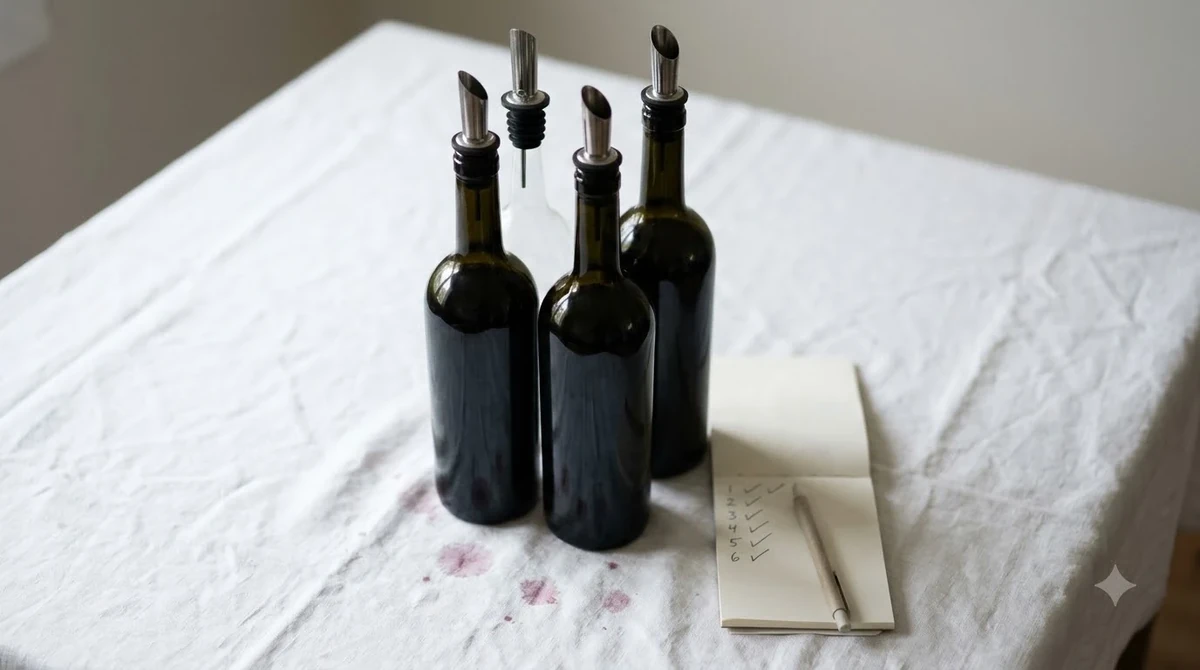
Why it stands out: The spout stops the wine from running down the label when the bottle is tilted, which keeps the bottle tidy for a second or third glass. Most designs work with both still and sparkling bottles, though sparkling wine should be poured more slowly.
Keep in mind: A drip-free spout does not seal the bottle. If the wine will sit for several days, a stopper pourer or a vacuum stopper is a better choice. Check the spout diameter against the neck, since bottles with a narrow lip can leave a gap.
Best for: Households that open a bottle most nights and want a tidy pour without extra steps.
Best for Aerating on the Spot: Aerating Pourers
An aerating pourer pulls air into the wine as it flows, which gives the wine more contact with oxygen than a plain pour. It is a quick way to open up a young red without waiting, and it can be used at the table without a separate decanter.
Why it stands out: The aerating step is built into the pour, so there is nothing extra to wash or set down. A decanter gives more air over a longer time, but an aerating pourer is useful when a guest wants a glass right away.
Keep in mind: Aeration is not a fix for every wine. The VinePair decanting guide notes that the most elegant method is still the classic decanter, and it cautions that airing can harm more delicate wines. Use an aerating pourer for full-bodied reds and skip it for lighter styles.
Best for: Wine lovers who serve young, tannic reds and want to open them quickly.
Best for Storing Opened Bottles: Stopper Pourers
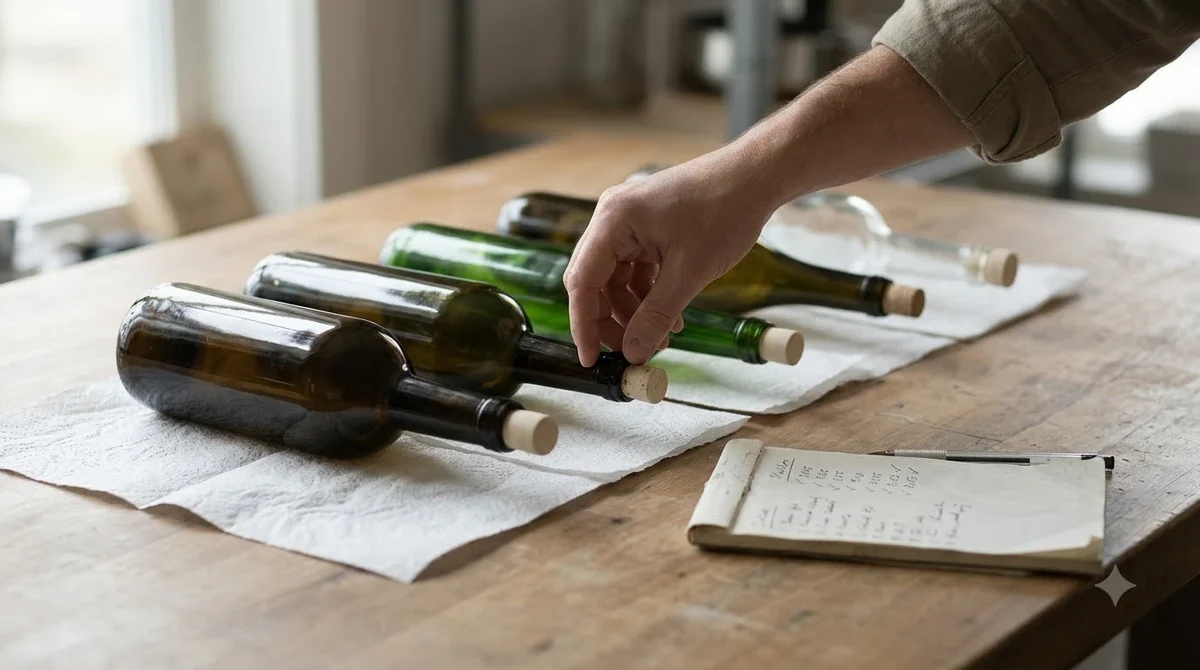
A stopper pourer combines a closure and a spout in one piece. It seals the bottle between pours, which slows the wine’s contact with air and keeps a half-finished bottle usable for a few days.
Why it stands out: The stopper keeps the pour and the seal together, so the bottle can stay on the counter without a separate cork. For a bottle that will be finished over several evenings, the seal is the main benefit.
Keep in mind: A stopper only slows oxidation. A bottle opened for a week will taste flat compared with one finished the same night, so check the seal and the wine’s condition before serving. Keep the stopper clean, because residue in the spout can affect the next pour.
Best for: Couples and small households that open a bottle but do not finish it on the same night.
Best for Moving Wine into a Carafe: Funnel Pourers
A funnel pourer has a wide opening that guides the wine into a carafe or decanter. It helps when the wine must move from a bottle to a smaller vessel without spilling, such as when the wine is poured for a dinner party.
Why it stands out: A wide funnel reduces the splash that happens when a bottle is tipped into a narrow decanter neck. It is a good tool for a sediment-free wine, because the wine can be poured slowly into the decanter.
Keep in mind: Funnels only help with transfers. They do not control flow at the bottle, so they are less useful for pouring glasses. The Wikipedia entry on decanters explains that decanting mainly separates sediment and lets the wine breathe, and that older bottles with heavy sediment need the most care.
Best for: Hosts who decant wine before a meal and want a clean transfer.
Best for Gifts and Hosts: Pourer Sets
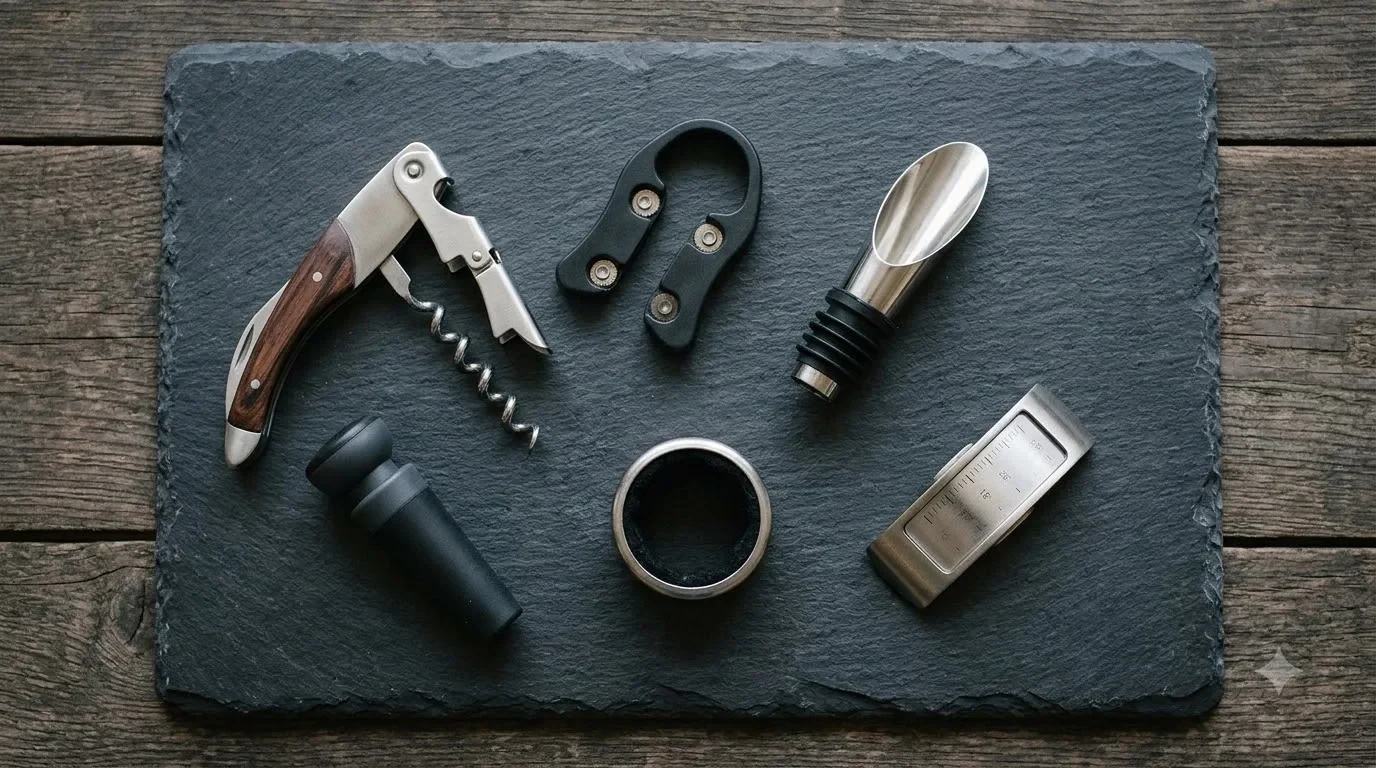
A pourer set bundles several pourers in one package, often with a stopper or a small stand. It is a practical gift for someone who keeps a bar cart or a wine rack, because the set covers more than one pouring task.
Why it stands out: A set gives a range of options in one purchase, so the recipient can choose the right pourer for each bottle. Presentation is usually neat, which suits a gift.
Keep in mind: Sets vary in quality, and a cheap set may not fit every neck. Read the description for the neck sizes it fits, and check that the stoppers and spouts are made from materials that are easy to clean.
Best for: Gift buyers and hosts who want to give a useful accessory without guessing which single style will be used.
How to Choose the Right Wine Pourer
Start with what you pour most often. A nightly bottle needs a drip-free spout, while a bottle opened over several days needs a stopper. The table below matches common habits to a pourer type.
| Your Habit | Best Pourer | Why |
|---|---|---|
| Open one bottle a night | Drip-free spout | Simple and tidy |
| Serve young reds quickly | Aerating pourer | Adds air as you pour |
| Finish a bottle over days | Stopper pourer | Seals the bottle |
| Move wine into a carafe | Funnel pourer | Wide opening, less splash |
| Buy a gift | Pourer set | Several options in one box |
Look at the neck size and the material as well. A pourer that fits one bottle may drop into another, so measure the neck of the bottle you open most often. Stainless steel and food-safe plastics are common choices, and both are easy to rinse after a pour.
Frequently Asked Questions
Do wine pourers work with sparkling wine?
Drip-free spouts work with sparkling wine, but pour more slowly to limit the foam. Stopper pourers are less useful for sparkling wine, since a standard seal is not designed for pressure from carbonation.
Does an aerating pourer replace a decanter?
No. A decanter exposes the wine to air over a longer period and suits older or sediment-heavy bottles. An aerating pourer adds some air at the pour, which is useful for a quick glass but is not a full substitute.
How long does a stopper pourer keep wine fresh?
A stopper slows oxidation but does not stop it. Most people finish the bottle within a few days, and the wine tastes best when it is consumed soon after opening.
Will a pourer fit every wine bottle?
Most pourers fit a standard neck, but wider or narrower necks can cause a loose fit or a drip. Check the neck diameter before you buy, especially for bottles with a wide lip.
Think about the bottles you open most often as well. A household that buys mostly sparkling wine has different needs from one that drinks full-bodied reds, and a pourer chosen for one habit may frustrate you with the other. If you open a mix, a drip-free spout that works for every bottle is usually the most practical single purchase, with a stopper added for bottles that will sit open.
For a complete set-up at home, the bar cart guide covers where to keep pourers and glasses, and the how many glasses in a bottle of wine guide helps plan pours for a group. The Accessories Library lists other tools for serving wine.
More in Wine Accessories
 Coravin Vs Vacu Vin: Choose the Right Wine Saver for Your BottlesUpdated Nov 21, 2026
 Zwilling Wine Stopper Review: Preserve Open Bottles LongerUpdated Nov 21, 2026
 Wine Enthusiast Wine Preserver Review: Features, Benefits and LimitationsUpdated Nov 21, 2026
 Wine Enthusiast Wine Stopper: An Easier Way to Reseal Open BottlesUpdated Nov 21, 2026
 Vintorio Wine Opener: Two-Step Cork RemovalUpdated Nov 21, 2026
 Zwilling Wine Aerator Review: Aerate, Pour, and Seal With One ToolUpdated Nov 21, 2026