

We may earn a commission when you buy through links on this page, at no extra cost to you. Learn more.
The best verdicchio food pairing matches this crisp, medium-bodied Italian white wine with coastal seafood, herb-driven pasta dishes, creamy risottos, cured meats, and savory egg tarts. Native to central Italy’s Marche region, Verdicchio combines mouthwatering acidity, bright citrus and orchard fruit flavors, saline minerality, and a signature bitter almond finish. That balance lets it cut through rich sauces and fried foods while holding its own alongside salty prosciutto, aged cheeses, and roasted poultry.
Many wine drinkers reach automatically for Pinot Grigio or Sauvignon Blanc when planning dinner, yet Verdicchio brings far more texture and versatility to the table. Understanding how its acidity, gentle phenolics, and savory finish interact with ingredients turns everyday meals into effortless pairings.
What Is Verdicchio?
Verdicchio is an ancient white wine grape grown primarily in the Marche region of central Italy, where it produces dry, high-acid white wines with subtle green hues and a characteristic almond skin finish. Its name comes from the Italian word verde, meaning green, reflecting both the yellowish-green tint of its berries and the pale greenish-gold glint often visible in the glass.
DNA profiling has confirmed that Verdicchio is genetically identical to Trebbiano di Soave and Trebbiano di Lugana in northern Italy, though its culinary identity belongs squarely to the Adriatic coast and the Apennine foothills. Historically, the variety gained international recognition in the mid-twentieth century through distinctive amphora-shaped bottles, which sometimes overshadowed the serious winemaking happening in the hills around Ancona and Macerata.
Today, sommeliers and editors at Wine Folly highlight Verdicchio as one of Italy’s most rewarding food-friendly whites. Rather than relying on loud tropical aromatics, the grape offers structural precision: high natural acidity, moderate to medium weight, a slightly oily mid-palate texture, and a clean, dry finish that resets the palate between bites.
Flavor Profile and Styles
Young Verdicchio shows flavors of lemon curd, green apple, white peach, and white blossoms backed by wet stone minerality and a distinctive bitter almond note on the finish. As bottles mature, those crisp orchard and citrus tones evolve into richer impressions of marzipan, dried apricot, toasted nuts, and wildflower honey while keeping their lively acid spine intact.
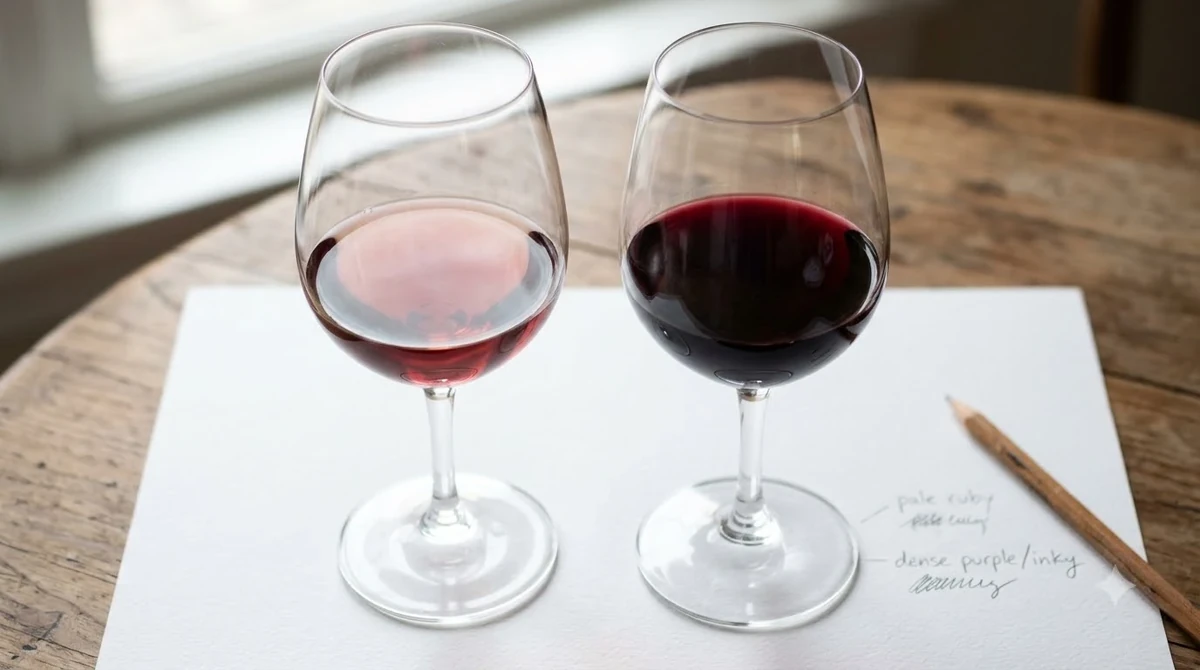
Winemakers shape Verdicchio into several distinct expressions depending on harvest timing, fermentation vessels, and aging. Stainless-steel, unoaked bottlings represent the classic everyday style, preserving electric citrus, crushed herbs, and briny salinity. Extended lees contact adds a creamy, palate-coating roundness that bridges the gap between lean coastal whites and fuller-bodied pours.
Top single-vineyard and Riserva releases spend longer aging in neutral oak, concrete, or bottle before release, yielding deeper structure and impressive cellar longevity. Because the grape retains high acidity even when fully ripe, local producers also craft traditional-method sparkling spumante and sweet passito wines from air-dried clusters, making Verdicchio remarkably adaptable across an entire menu.
Where It Grows
Nearly all serious Verdicchio comes from two appellations in the Marche region—Verdicchio dei Castelli di Jesi and Verdicchio di Matelica—each shaped by distinct geography and microclimates. While both sit between the Apennine Mountains and the Adriatic Sea, distance from the coast gives their wines noticeably different personalities at the dinner table.
Verdicchio dei Castelli di Jesi is the larger, more widely exported zone, stretching across rolling clay- and limestone-rich hills inland from the Adriatic port of Ancona. Moderated by warm sea breezes, Castelli di Jesi bottlings tend to feel open, aromatic, and floral, showing generous stone fruit, lemon oil, and an unmistakable salty tang.
Verdicchio di Matelica lies farther inland in a high-elevation, north-south valley tucked against the Apennines. Sharper day-to-night temperature swings and lower yields produce wines with tighter mineral tension, firmer acidity, and concentrated herbal depth. If you enjoy exploring regional expressions across our Wine by Type guides, tasting Castelli di Jesi alongside Matelica clearly shows how elevation alters texture and food compatibility.
How to Serve Verdicchio
Serve standard dry Verdicchio well chilled at 38 to 45 degrees Fahrenheit (3 to 7 degrees Celsius) in a standard white wine glass, without decanting. Richer Riserva or aged bottlings benefit from slightly warmer service around 50 to 54 degrees Fahrenheit (10 to 12 degrees Celsius) so their honeyed, nutty aromatics open up.
Temperature plays a direct role in how Verdicchio interacts with food. Straight from the refrigerator at the lower end of that range, its crisp citrus and green apple notes feel razor-sharp alongside raw shellfish, fried appetizers, and salty antipasti. Letting the glass warm slightly over twenty minutes softens the perception of acidity and brings forward the wine’s oily texture, almond skin complexity, and floral aromatics.
Most entry-level bottlings are built for immediate enjoyment within one to three years of the vintage date, whereas structured Classico Superiore and Riserva examples can evolve gracefully in a cool cellar for five to ten years or longer.
Best Verdicchio Food Pairings
Verdicchio pairs best with dishes featuring briny seafood, olive oil, fresh herbs, toasted nuts, cured pork, creamy grains, and egg-based pastries. Its high acidity slices through fat and salt, while its subtle bitter almond finish echoes savory, slightly bitter, or caramelized flavors on the plate.

Coastal seafood is the grape’s home-turf match. In the Marche, locals pour crisp Castelli di Jesi alongside brodetto (Adriatic fish stew), grilled sea bass, steamed clams, and golden fritto misto of calamari and shrimp. The wine’s citrus snap acts like a squeeze of fresh lemon over fried or grilled fish, while its saline minerality mirrors ocean brininess without turning metallic.
Beyond seafood, Verdicchio excels with rich antipasti and vegetarian dishes that trip up lighter whites. According to Wine Enthusiast, classic matches include quiche, prosciutto-wrapped artichokes, deviled eggs, and tomato bruschetta. Eggs and artichokes are notoriously tricky for wine—eggs coat the palate, and artichokes contain cynarin, which makes many wines taste artificially sweet—yet Verdicchio’s dry, slightly herbal edge handles both cleanly.
For heartier main courses, reach for a fuller-bodied Classico Superiore or Matelica bottling. Creamy lemon-fennel risotto, pasta with pesto or brown butter and sage, roast chicken with rosemary, and rabbit porchetta all benefit from the wine’s mid-palate weight and nutty finish. If your dinner menu leans toward grilled red meats or smoky char instead of poultry and seafood, switching to a structured red like our blaufrankisch food pairing or carignan food pairing recommendations will give you the tannic grip those dishes require.
| Dish Category | Specific Dishes | Recommended Style | Why the Pairing Works |
|---|---|---|---|
| Seafood and Shellfish | Grilled sea bass, steamed clams, calamari fritti, shrimp crudo, sushi | Unoaked Castelli di Jesi DOC / Classico | High acidity cuts fried richness while saline minerality echoes briny seafood. |
| Antipasti and Cured Meats | Prosciutto di Parma, Marcona almonds, olive tapenade, bruschetta | Young, crisp Verdicchio or Brut Spumante | Bright citrus and almond notes match salty, nutty flavors and refresh the palate. |
| Egg and Vegetable Dishes | Asparagus quiche, potato-cheese puff pastry, roasted radicchio, artichokes | Castelli di Jesi Classico Superiore | Dry herbal notes and gentle phenolics stand up to eggs and bitter greens without clashing. |
| Pasta, Risotto, and Poultry | Fennel-lemon risotto, pesto trofie, roast herb chicken, veal scaloppine | Verdicchio di Matelica or Riserva | Fuller body and lees-aged texture carry creamy grains, butter, and white meats. |
| Cheese | Fresh burrata, young Pecorino, mild taleggio, aged Parmigiano-Reggiano | Aged Riserva or Superiore | Honeyed, marzipan depth balances salty crystals and creamy dairy fat. |
Tip: When cooking with Verdicchio for risotto, clam sauce, or pan-roasted chicken, pour a splash from the exact bottle you plan to serve at dinner so the dish shares the wine’s citrus and herbal backbone.
How to Choose a Bottle
Reading the label terms on a bottle of Verdicchio tells you immediately how rich the wine will feel and which dishes it will handle best. Producers in the Marche use clear geographic and aging designations that map directly to weight and texture on the table.
Look for Classico on Verdicchio dei Castelli di Jesi labels when you want grapes grown in the historic hillside core of the appellation. Adding Superiore signals stricter yield limits and slightly higher natural alcohol—typically around 12.5% to 13.5% ABV—translating into a broader, more concentrated wine suited to creamy pastas and roast poultry.
Choose Riserva (which carries DOCG status in both Castelli di Jesi and Matelica) when you are serving richer meals such as mushroom risotto, lobster, or aged cheeses. These bottles undergo extended aging before release, trading some primary green-apple zip for layered flavors of preserved lemon, roasted almonds, and beeswax. If you love that weighty, food-flexible white wine profile, you will also find plenty of overlap with our grenache blanc food pairing guide.
Frequently Asked Questions
Is Verdicchio dry or sweet?
Almost all still Verdicchio wines labeled Verdicchio dei Castelli di Jesi or Verdicchio di Matelica are completely dry. Their ripe stone fruit and floral aromas can give an impression of roundness on the mid-palate, but crisp acidity and a savory almond finish leave the palate clean. Sweet passito styles do exist in the Marche, though they are rare outside Italy and clearly labeled as sweet dessert wines.
What is the difference between Verdicchio and Pinot Grigio?
Verdicchio typically offers more body, higher acidity, and deeper savory complexity than standard Italian Pinot Grigio. While Pinot Grigio leans toward light, neutral notes of pear and green apple for simple salads or light fish, Verdicchio brings citrus oil, saline minerality, and a signature bitter almond finish. That extra weight allows Verdicchio to pair easily with richer dishes like risotto, quiche, and roast chicken.
Can you pair Verdicchio with spicy food?
Yes, Verdicchio works well with moderately spiced dishes that rely on fresh herbs, ginger, garlic, or chili flakes—such as Thai green curry with shrimp, ginger-scallion steamed fish, or pasta aglio e olio with peperoncino. Because Verdicchio is dry and has noticeable acidity and subtle phenolic grip, avoid pairing it with intensely fiery capsaicin heat, which can amplify the perception of bitterness and alcohol.
How long does an opened bottle of Verdicchio last?
Resealed tightly with its cork or a wine stopper and stored upright in the refrigerator, an opened bottle of Verdicchio stays fresh for three to five days. Its naturally high acidity and phenolic structure protect the fruit flavors from oxidizing overnight, and fuller-bodied Classico Superiore or Riserva bottles often taste even more expressive on the second evening.
Whether you are pouring a chilled Castelli di Jesi alongside fried calamari or opening a textured Matelica with herb-roasted chicken, Verdicchio rewards simple, ingredient-focused cooking. Keep a bottle in the fridge for weeknight seafood, egg dishes, and antipasti, and you will always have an adaptable Italian white ready for the table.
More in Wine Types & Grapes
 What Does Mourvèdre Taste Like? Flavor Profile, Regions, and PairingsUpdated Nov 20, 2026
 What Does Marsanne Taste Like? Flavors, Styles, and Food PairingsUpdated Nov 20, 2026
 What Does Malvasia Taste Like? Styles, Flavors, and Food PairingsUpdated Nov 20, 2026
 What Does Grenache Blanc Taste Like? Flavor Profile, Styles, and PairingsUpdated Nov 20, 2026
 What Does Garnacha Taste Like? Key Flavors, Styles, and Pairing TipsUpdated Nov 20, 2026
 What Does Fruit Wine Taste Like? A Complete Flavor and Style BreakdownUpdated Nov 20, 2026