

We may earn a commission when you buy through links on this page, at no extra cost to you. Learn more.
This gnarly head wine review finds that Gnarly Head is a good option for drinkers who enjoy approachable California wines with generous fruit, especially its Old Vine Zinfandel and Cabernet Sauvignon. The brand focuses on bold, juicy flavors, with a portfolio that also includes Pinot Noir and Chardonnay. Its Lodi roots give the Zinfandel a distinctive identity, while the other varieties offer alternatives for different meals and preferences. For the strongest introduction to the producer, start with Old Vine Zinfandel.
Gnarly Head occupies an accessible corner of the California wine market, combining recognizable grape varieties with a fruit-forward house style. Its wines are intended for relaxed meals, barbecues, casual entertaining, and everyday drinking rather than formal wine-cellar occasions. Understanding the differences between its varieties makes choosing a bottle considerably easier. This guide examines the brand’s background, the characteristics of its main wines, what to compare before buying, and how to serve each style.
Who This Is For: California Wine Drinkers Who Prefer Bold Flavors
Gnarly Head is particularly suitable for people who enjoy recognizable fruit flavors, relatively generous body, and uncomplicated food pairings. Its original identity comes from Lodi Zinfandel, but its Cabernet Sauvignon, Pinot Noir, and Chardonnay give shoppers several ways to explore the producer without committing to one grape variety.

The brand’s story began in 2004, when its winemakers traveled to Lodi in California’s Central Valley looking for established Zinfandel vineyards. According to the producer, the original goal was to make a serious, particularly expressive Zinfandel from old, gnarled vines. The resulting approach became the foundation for a broader collection of wines made in a recognizable big-and-juicy house style.
That background helps explain the wines’ intended appeal. Someone who enjoys dark berries, ripe plum, oak-influenced flavors, and relatively generous fruit will probably find the red selections more appealing than someone who prefers restrained, delicate wines. The Cabernet Sauvignon, in particular, has a pronounced tannin structure, while the Old Vine Zinfandel combines fruit concentration with balanced acidity and supple tannins.
The range is not exclusively for red-wine drinkers. Chardonnay offers a fruit-forward white alternative, while Pinot Noir gives shoppers a lighter red option. These distinctions matter because choosing a bottle based only on the brand name can lead to a wine that does not suit the meal or the drinker’s preferred texture.
Gnarly Head may be especially interesting to the following shoppers:
- Casual red-wine drinkers: Those who enjoy blackberry, black cherry, plum, and other familiar fruit flavors.
- Barbecue enthusiasts: People looking for a red wine that can accompany grilled burgers, ribs, and hearty meat dishes.
- Zinfandel fans: Drinkers interested in Lodi’s established Zinfandel-growing tradition.
- Mixed-preference households: Shoppers who want red and white options from one producer.
- Newer wine drinkers: People who prefer recognizable grape varieties and straightforward descriptions over complicated regional terminology.
However, Gnarly Head is not automatically the right choice for every palate. Drinkers who favor very light reds, delicate floral aromatics, or particularly restrained oak influence may prefer a different style. Its Cabernet Sauvignon is especially likely to feel substantial to someone accustomed to softer reds.
For additional background on producers and grape varieties, the Wine Brands section provides a useful starting point for comparing different labels and regional styles.
Key Factors to Compare Before Choosing a Gnarly Head Bottle
The most useful comparisons involve grape variety, body, tannin, acidity, fruit character, and intended food pairing. Gnarly Head’s four main listed varieties have different characteristics, even though the producer emphasizes a shared bold and fruit-forward identity.
| Wine | Body and Structure | Typical Flavor Direction | Good Food Matches |
|---|---|---|---|
| Old Vine Zinfandel | Medium-bodied, supple tannins | Blackberry, plum, spice, toasted oak | BBQ ribs, burgers, chili |
| Cabernet Sauvignon | Fuller structure, bold tannins | Black cherry, blackberry, pepper, charred oak | Short ribs, grilled burgers |
| Pinot Noir | Light to medium body, lower tannin | Violet, black cherry, plum | Roast chicken, mushrooms, salmon |
| Chardonnay | Medium body, moderate acidity | Tropical fruit, vanilla | Chicken, creamy pasta, grilled vegetables |
These descriptions combine the producer’s published tasting information with the typical structural characteristics of the grape varieties. Individual bottlings and vintages can differ, so the table is best used as a general buying guide rather than a guarantee that every bottle will have identical characteristics.
Grape variety should be the first consideration. Zinfandel and Cabernet Sauvignon are the natural starting points for shoppers who like concentrated red-fruit and dark-fruit flavors. Zinfandel generally combines ripe berry character with spice, while Cabernet Sauvignon tends to have more noticeable tannin and a firmer structure. Pinot Noir provides a useful contrast because its tannins are generally lower and its acidity higher.
Next, consider the food. A wine that seems powerful by itself may work particularly well with a substantial dish. Salt and fat soften the perception of tannin, making structured Cabernet Sauvignon a sensible partner for beef short ribs and rich burgers. A juicy Zinfandel is also a natural candidate for barbecue because its fruit can complement smoky, sweet, and tangy flavors.
Acidity matters just as much as body. Foods with pronounced acidity generally work better with wines that have equal or greater acidity. This is relevant when serving tomato-based pasta, vinaigrette-dressed salads, or acidic barbecue sauces. Pinot Noir can offer a more flexible red option for dishes that would overwhelm a particularly tannic wine.
Alcohol strength is another consideration. Wine Enthusiast lists 14.5% ABV for its reviewed 2023 Gnarly Head Old Vine Zinfandel. That figure belongs to the specific reviewed bottling and should not be assumed to apply to every Gnarly Head wine. Higher-alcohol reds can feel warmer and more powerful, especially when served too close to room temperature. The publication’s review of the 2023 Old Vine Zinfandel also describes dark berries, spice, toasted vanilla, and a dry finish.
Finally, consider how much oak character you enjoy. The producer describes French and American oak use in its Old Vine Zinfandel and Cabernet Sauvignon. These influences can contribute vanilla, toast, spice, and additional flavor complexity. Someone who prefers fresh fruit without much oak influence should pay particular attention to the individual wine’s description before choosing.
Tip: If you are buying your first bottle, start with Old Vine Zinfandel for the signature Lodi-inspired style. Choose Cabernet Sauvignon instead if firmer tannins and a more structured red wine are your priorities.
For a closer look at the producer’s flagship red, the dedicated Gnarly Head Old Vine Zinfandel page offers a more focused introduction to that variety.
Step-by-Step: How to Select the Right Bottle
A good buying decision starts with the occasion and food rather than the label. Follow these six steps to narrow the Gnarly Head range to a wine that suits the meal, serving conditions, and personal taste.
-
Decide whether you want red or white.
Begin with the basic category. If the meal involves grilled meat, barbecue, or a hearty tomato-based dish, explore Old Vine Zinfandel or Cabernet Sauvignon. For chicken, seafood, or lighter vegetable dishes, consider Pinot Noir or Chardonnay depending on the preparation.
-
Choose the preferred level of structure.
Think about tannin, body, and acidity. Cabernet Sauvignon has the strongest tannin profile among the four main varieties discussed here. Zinfandel offers a fruit-forward middle ground, Pinot Noir is generally less tannic, and Chardonnay avoids red-wine tannin altogether.
-
Match the flavor profile to the meal.
For blackberry, plum, and spice, start with Zinfandel. For black cherry, peppercorn, and charred oak, consider Cabernet Sauvignon. Pinot Noir is a useful option for mushroom dishes and roast chicken, while Chardonnay suits poultry, creamy sauces, and grilled vegetables.
-
Consider the preparation method.
The same ingredient can work differently depending on how it is cooked. Grilled beef develops smoky and savory flavors that complement structured red wine. A delicately poached fish dish, on the other hand, generally calls for a lighter wine. Avoid pairing oily fish with strongly tannic reds because the combination can taste unpleasantly metallic or harsh.
-
Check the specific bottling and vintage.
Wine characteristics can change between releases. Look at the grape variety, region, alcohol percentage, and producer’s tasting description. A particular vintage may have a different level of ripeness or concentration from another release, so do not assume that a review of one bottle describes every subsequent vintage.
-
Plan the serving conditions.
Temperature makes a meaningful difference. A full-bodied red is generally best served at 60–65°F, while a lighter Pinot Noir is more comfortable around 55–60°F. Chardonnay generally benefits from a cooler 50–55°F serving temperature. Allow enough time to adjust the bottle before pouring.
One additional consideration is the number of people being served. A standard 750 ml bottle provides approximately five 5-ounce glasses. For a dinner with four adults, one bottle may be sufficient if wine is served alongside other beverages, but a second bottle provides more flexibility for a longer meal.
Shoppers who already know that Cabernet Sauvignon is their preferred grape can explore the dedicated Gnarly Head Cabernet page for more specific information about its character and food-pairing possibilities.
Types and Styles Explained: Four Main Gnarly Head Wines
Gnarly Head’s main varieties cover several common wine preferences, from concentrated Lodi Zinfandel to fruit-forward Chardonnay. Understanding what distinguishes each selection is more useful than assuming every bottle will have the same intensity.
Old Vine Zinfandel: The Signature Starting Point
Old Vine Zinfandel is the clearest expression of the brand’s original identity. Gnarly Head began with a search for established Zinfandel vineyards in Lodi, and the producer continues to emphasize the importance of older vines and long-standing relationships with local growers.
The producer describes blackberry bramble, juicy plum, and toasted oak as central characteristics. It also identifies balanced acidity and supple tannins, creating a wine that can feel generous without relying entirely on firmness or structure. Its official Old Vine Zinfandel description also identifies vegetarian chili, stuffed peppers, and barbecue ribs as suitable food matches.
Wine Enthusiast’s review of the 2023 bottling provides another perspective. The publication identifies dark berries, spice, toasted vanilla, and violet aromas, followed by boysenberry, huckleberry, allspice, and orange notes. It describes a dry, mouthwatering finish. The review also records 14.5% ABV for that particular release.
Food pairing is straightforward. Barbecue ribs, meaty burgers, vegetarian chili, and stuffed peppers are sensible matches. The combination of fruit, spice, and acidity makes this style especially useful for meals with smoky or savory flavors.
For a first-time buyer, this is the most logical bottle to investigate because it connects the brand’s history with its recognizable flavor profile.
Cabernet Sauvignon: A Firmer and More Structured Red
Gnarly Head Cabernet Sauvignon is a better fit for drinkers who enjoy stronger tannins and concentrated dark-fruit character. The producer describes black cherry, juicy blackberry, peppercorn, and charred oak, with a generous finish and bold tannin structure.
The winemaking description identifies a combination of American and French oak. This helps explain the emphasis on dark fruit and oak-derived flavors in the producer’s description.
Cabernet Sauvignon’s naturally high tannin level makes it particularly suitable for meals with protein and fat. Braised beef short ribs, grilled burgers, and hearty vegetable dishes are among the producer’s suggested pairings.
It is less suitable for people seeking a soft, low-tannin red or a wine to accompany delicate white fish. Those drinkers may prefer Pinot Noir or a different grape variety altogether.
Pinot Noir: A Lighter Red Alternative
Pinot Noir provides a contrast to the stronger red-wine styles in the range. The producer describes its bottling as having violet, black cherry, and plum flavors, together with sleek tannins and lush fruit.
As a grape variety, Pinot Noir typically has lower tannin than Cabernet Sauvignon and higher acidity. That makes it useful with roast chicken, mushroom dishes, pork, and some salmon preparations. It can also be a more comfortable choice for drinkers who find heavily structured reds too intense.
Serving temperature is important. A light red generally benefits from a temperature around 55–60°F rather than the warmer conditions often associated with traditional room-temperature red-wine service.
Chardonnay: The White-Wine Option
Gnarly Head Chardonnay offers a different direction from the brand’s red wines. Its producer describes a fresh, vibrant, fruit-forward profile featuring tropical flavors and a touch of vanilla.
Chardonnay is generally medium in acidity, giving it flexibility with poultry, creamy pasta, roasted vegetables, and moderately rich seafood dishes. The vanilla reference in the producer’s description also makes it a reasonable choice for diners who enjoy a softer, rounder white-wine flavor.
For a meal featuring grilled chicken with herbs, a moderately creamy pasta sauce, or roasted vegetables, Chardonnay may be more appropriate than a powerful red. Serve it around 50–55°F to retain freshness without suppressing its aromas.
The four varieties therefore serve different purposes. Zinfandel represents the original identity, Cabernet offers structure, Pinot Noir provides a lighter red alternative, and Chardonnay supplies a fruit-forward white option.
Common Mistakes When Buying and Pairing Gnarly Head Wine
Most disappointing wine purchases result from choosing the wrong style for the occasion rather than from a problem with the producer. A few common mistakes can make an otherwise suitable Gnarly Head bottle seem less enjoyable.
Assuming Old Vine Zinfandel Means a Very Old Bottle
The term old vine refers to the age of the grapevines, not the age of the finished wine. Gnarly Head’s old-vine story includes Lodi vineyards with Zinfandel vines dating to the early 1900s. That does not mean every bottle requires years of cellar aging before it can be enjoyed.
Older vines can produce fewer grape clusters, and the producer explains that smaller berries contribute to concentrated dark-fruit flavors. The vineyard’s history is part of the wine’s identity, but the actual drinking experience still depends on the particular bottling and vintage.
Choosing Cabernet When a Softer Wine Is Needed
Cabernet Sauvignon generally has high tannin. If the meal is light or the drinker prefers gentle texture, its firm structure may be too much. Pinot Noir is usually a more appropriate choice for a delicate meal or someone who prefers softer reds.
For example, a simple roast chicken with herbs is often better served with Pinot Noir than a strongly tannic Cabernet. A braised beef dish, however, can provide the richness and protein needed to balance the Cabernet’s structure.
Pairing Sweet Food With a Dry Red
Sweet sauces and desserts can make dry wine taste more bitter, acidic, or harsh. A wine should generally be at least as sweet as the dessert being served. Consequently, a dry Gnarly Head red is not an ideal substitute for a dessert wine alongside chocolate cake or a very sweet fruit tart.
For savory barbecue, the situation is different. Tangy sauces and caramelized meat can work well with the fruit-forward characteristics of Zinfandel, particularly when the dish also has enough salt and fat to balance the wine’s structure.
Ignoring Chili Heat
Spicy dishes require more attention than ordinary grilled food. Alcohol and tannin can amplify chili heat, making a powerful red feel hotter and more aggressive alongside heavily spiced food.
If a barbecue sauce contains substantial chili, consider a lower-alcohol, less tannic alternative rather than automatically choosing Cabernet Sauvignon. Chardonnay or a suitable off-dry white may be a more comfortable match depending on the sauce’s sweetness and intensity.
Serving Red Wine Too Warm
Traditional room temperature can be too warm for modern indoor environments. A full-bodied red served at 70°F or warmer can emphasize alcohol and reduce the impression of freshness. A target of 60–65°F is a better starting point for Cabernet Sauvignon and similarly substantial reds.
These small decisions make a difference. Choosing the correct grape variety, matching the wine with the preparation method, and serving it at an appropriate temperature will usually improve the experience more than focusing on the label alone.
Care and Storage Tips for Better Serving
Proper storage and serving conditions help preserve the intended character of Gnarly Head wines. A cool, stable environment, appropriate serving temperature, and sensible handling after opening are more important than owning expensive wine equipment.
Store Unopened Bottles Correctly
For bottles with traditional cork closures, horizontal storage helps keep the cork in contact with the wine. A storage temperature near 55°F is a useful target, provided that conditions remain stable and the bottles are protected from sunlight and excessive vibration.
Temperature consistency matters more than frequently moving a bottle between warm and cold locations. A dark cupboard may work for short-term storage, although a dedicated wine refrigerator offers better control for anyone keeping several bottles for longer periods.
Gnarly Head’s accessible fruit-forward style generally makes it suitable for ordinary drinking occasions rather than requiring elaborate cellar management. Unless a particular release is specifically intended for extended aging, there is little reason to assume that a bottle needs to remain unopened for several years.
Use the Right Serving Temperature
Different grape varieties benefit from different temperatures. The following ranges provide practical starting points:
- Cabernet Sauvignon: 60–65°F.
- Old Vine Zinfandel: Approximately 60–65°F.
- Pinot Noir: 55–60°F.
- Chardonnay: 50–55°F.
If a red wine has been stored in a warm room, place it in the refrigerator briefly before serving. Conversely, if Chardonnay has become excessively cold, allow it to warm slightly in the glass. Very low temperatures can mute aromas and make the wine seem less expressive.
Give the Wine Time to Open
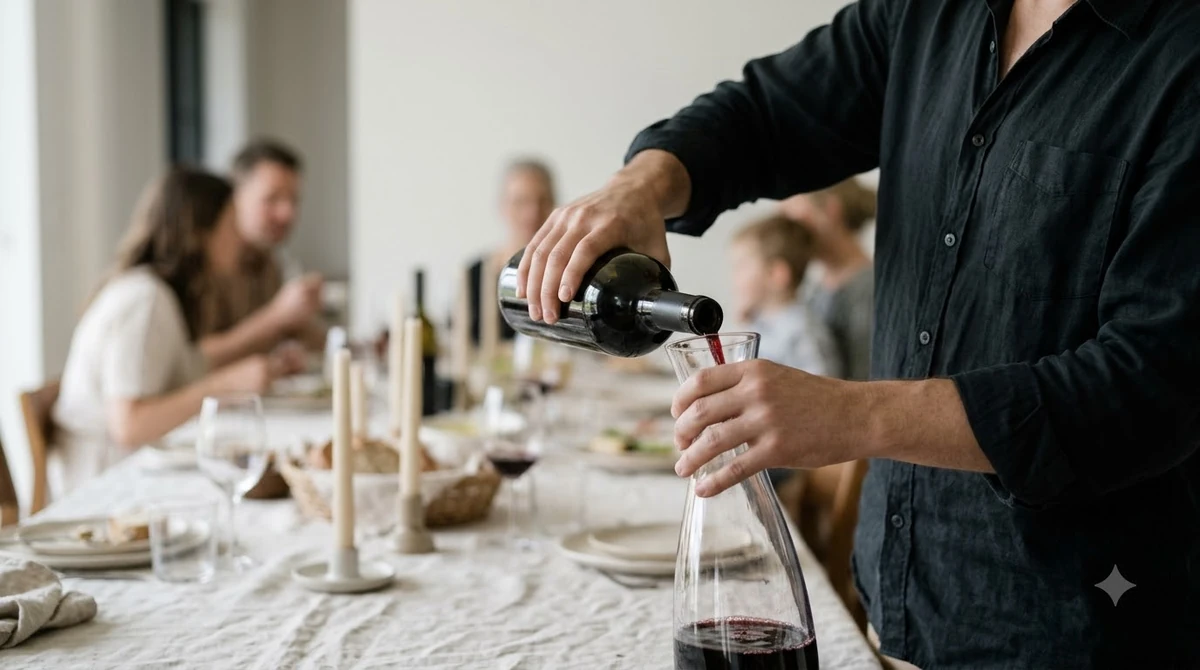
Most approachable red wines can be poured directly from the bottle. However, a young, full-bodied red may benefit from exposure to air. A general starting point for a young, substantial red is 30–60 minutes of decanting.
That does not mean every Gnarly Head bottle needs decanting. The Old Vine Zinfandel and Cabernet Sauvignon can be poured shortly after opening, especially during casual meals. Decanting is an optional adjustment for drinkers who want to soften a particularly concentrated young red or allow its aromas to develop.
Preserve Opened Bottles
After opening, reseal the bottle and refrigerate it, including red wines. Cooler temperatures slow the oxidation process and help preserve the remaining wine’s fruit character.
As a general guide, opened still wines usually remain in reasonable condition for approximately three to five days in the refrigerator, although freshness declines over time. The exact result depends on the wine, the amount of air remaining in the bottle, and how carefully it is resealed.
For a standard 750 ml bottle, pouring 5-ounce servings provides approximately five glasses. Smaller pours are useful when serving several wines with dinner or allowing guests to compare the Zinfandel and Cabernet side by side.
Good storage habits do not need to be complicated. Keep the bottle away from heat, avoid extended exposure to direct light, serve at a suitable temperature, and refrigerate any remaining wine promptly.
Frequently Asked Questions
Is Gnarly Head wine made by a family-owned winery?
Gnarly Head is associated with Delicato Family Wines, a California wine company with a broader portfolio of labels. Its producer information also describes long-standing relationships with Lodi grape-growing families. The vineyard ownership arrangements and the ownership of the wine brand are separate matters.
Does Gnarly Head use sustainable farming practices?
The producer describes its vineyards as sustainably farmed and identifies Clay Station Vineyard as certified under the Lodi Rules program since 2006. It also identifies Protected Harvest as the organization associated with that vineyard certification. These statements apply to the specific vineyard information published by the producer, not automatically to every vineyard supplying the entire portfolio.
What does head-trained mean in Zinfandel vineyards?
Head-trained vines are grown with a central trunk and branching arms rather than being arranged along the conventional horizontal wire system. The resulting freestanding structure can look twisted and irregular as the vine ages. Gnarly Head identifies this traditional growing method as part of the history behind its Lodi Zinfandel vineyards.
Is Zinfandel the same grape as Primitivo?
Zinfandel and Primitivo are genetically the same grape variety, although regional growing conditions and winemaking choices can produce different expressions. Zinfandel is strongly associated with California, particularly established growing areas such as Lodi. Primitivo is widely associated with southern Italy, especially Puglia.
Can Gnarly Head wines be used for cooking?
Yes. Dry red wines such as Zinfandel and Cabernet Sauvignon can contribute fruit and savory depth to beef stews, braised dishes, and tomato-based sauces. Chardonnay can be used in cream-based sauces and chicken preparations. Cooking wine should be suitable for drinking in the first place, and excessive reduction can concentrate salt and acidity.
Gnarly Head is most interesting for shoppers who appreciate generous California fruit flavors and straightforward food-friendly wines. Old Vine Zinfandel is the natural starting point, while Cabernet Sauvignon, Pinot Noir, and Chardonnay offer distinct alternatives for different preferences and meals. Choosing by grape variety, food pairing, and serving temperature makes it easier to find the bottle that fits the occasion.
More in Wine Brands
 Louis Latour Wine Price: Compare Bottles by Style and TierUpdated Nov 20, 2026
 Yellow Tail Moscato Price: What to Expect Before You BuyUpdated Nov 20, 2026
 Sutter Home Sweet Red Review: Find the Right Food PairingsUpdated Nov 20, 2026
 Franzia Chillable Red Review: Find the Right Serving StyleUpdated Nov 20, 2026
 Veuve Clicquot Rose Review: Flavor, Food Pairings and Buying AdviceUpdated Nov 20, 2026
 Rombauer Wine Price: Compare Bottles Before You BuyUpdated Nov 20, 2026