

We may earn a commission when you buy through links on this page, at no extra cost to you. Learn more.
Dr loosen riesling review: Dr. Loosen is an excellent producer to consider if you enjoy aromatic German Riesling with refreshing acidity, expressive fruit, and a choice of dry, off-dry, and sweeter styles. The estate’s Central Mosel wines combine distinctive slate and volcanic-rock vineyard character with carefully balanced fruit. Whether you prefer a crisp dry white or a lightly sweet wine with modest alcohol, the range offers several worthwhile options, provided you choose the right bottling.
Dr. Loosen is a recognizable name in German wine, particularly for Riesling from the Mosel valley. However, the name covers more than one style, and the differences between an estate Riesling, a dry single-vineyard bottling, and a Kabinett can be significant. This guide examines the producer’s background, flavor profiles, sweetness levels, alcohol, food compatibility, and practical buying considerations so you can select a bottle that suits your preferences.
Who This Dr. Loosen Riesling Guide Is For
Dr. Loosen Riesling is particularly appealing to drinkers who appreciate fresh white wines with pronounced acidity, fragrant fruit, and a sense of place. It is also a useful producer to explore if you are moving beyond familiar Chardonnay and Sauvignon Blanc and want to understand the different expressions of German Riesling.
The estate is based in the Central Mosel, one of Germany’s most recognized Riesling-growing areas. Its vineyards include steep slopes with different geological characteristics, including blue slate, red slate, and volcanic rock. These growing conditions contribute to the differences between individual wines rather than producing one uniform house style.
The estate has been in the same family for more than 200 years, and Ernst F. Loosen has led it since 1988. The winery became a member of the VDP, Germany’s Association of Prädikat Wine Estates, in 1993. Its emphasis on vineyard expression and traditional Mosel winemaking makes it particularly interesting for people who want to compare regional and single-vineyard Rieslings.
This guide is useful for several types of wine drinkers:
- Riesling beginners: People who want an approachable introduction to German white wine without assuming every Riesling is sweet.
- Dry-white enthusiasts: Drinkers looking for crisp acidity, citrus, mineral character, and a relatively lean finish.
- Off-dry wine fans: People who enjoy a little residual sweetness balanced by lively acidity.
- Food-focused buyers: Home cooks who want a white wine that works with seafood, Asian cuisine, spicy dishes, and lighter meals.
- German wine enthusiasts: Drinkers interested in comparing different Mosel vineyard sites and Prädikat classifications.
It is important to distinguish the Dr. Loosen estate wines from the Dr. L Riesling associated with Loosen Bros. The two ranges share a connection to Ernst Loosen and the Mosel region, but they are not interchangeable names for the same bottling. Dr. L is produced through a separate sourcing arrangement involving smaller Mosel growers, while the estate range emphasizes the winery’s own vineyard identity.
For a broader introduction to the producer’s wines and its different labels, the Dr. Loosen Riesling overview is a useful starting point. Readers comparing German producers can also explore our guide to Wine Brands.
Key Factors to Compare Before Buying
The most important buying considerations are sweetness, acidity, alcohol, vineyard origin, and the intended occasion. A dry Red Slate Riesling and an off-dry Kabinett can deliver noticeably different experiences even though both are made from the same grape in the Mosel.
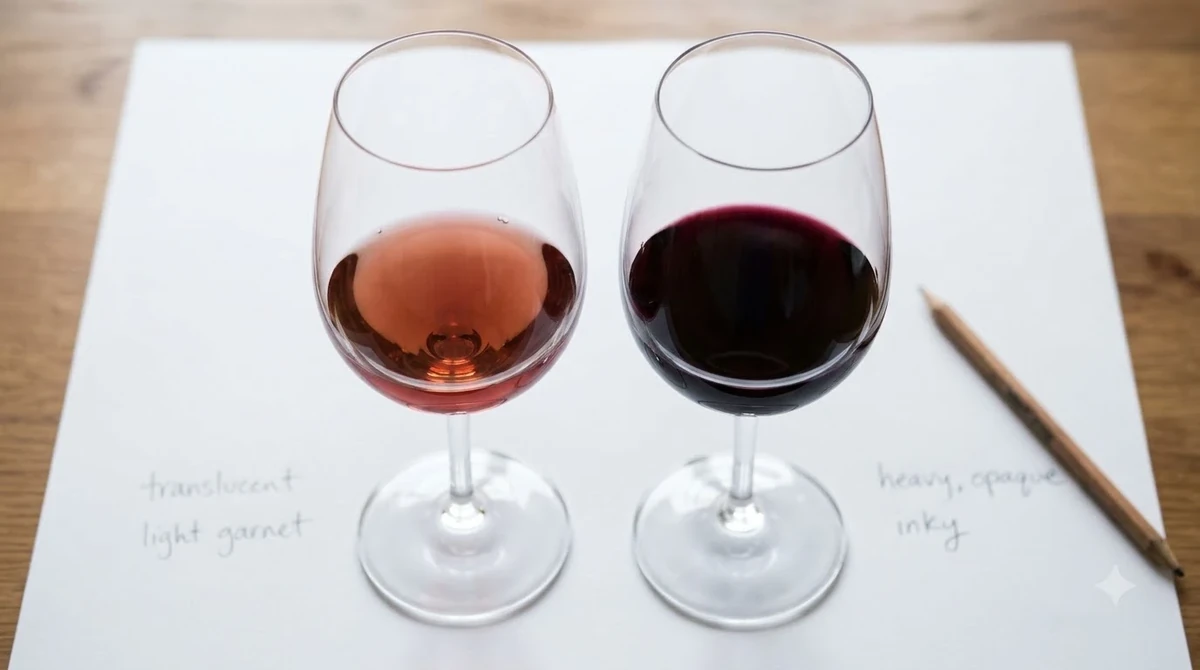
Start with the sweetness designation rather than relying on the grape variety alone. Riesling can produce everything from bone-dry wines to intensely sweet dessert bottles. Dr. Loosen’s range includes dry wines and off-dry Prädikat expressions, so the name Riesling does not tell you everything about what is inside the bottle.
Acidity is another defining consideration. Mosel Riesling generally has refreshing acidity, which helps balance ripe fruit and residual sugar. That combination can make an off-dry wine feel lively instead of heavy. It also explains why a wine with noticeable sweetness can remain refreshing alongside food.
Alcohol content provides another useful comparison. Some of the estate’s Kabinett wines are relatively low in alcohol. For example, the producer lists its 2024 Ürziger Würzgarten Riesling Kabinett at 8.5% ABV, while Wine Enthusiast lists the 2024 Bernkasteler Lay Kabinett at 8% ABV. These figures demonstrate why checking the individual bottling matters more than assuming every wine from the producer has the same strength.
The following table summarizes the main factors to compare. The figures are examples from identified bottlings, not fixed specifications for the entire Dr. Loosen range.
| Buying factor | Example or characteristic | What it means for buyers |
|---|---|---|
| Grape variety | 100% Riesling for the cited Kabinett | Expect aromatic fruit and refreshing acidity. |
| Region | Mosel, Germany | Look for fresh, cool-climate character. |
| Alcohol | 8% to 8.5% in two cited Kabinett examples | Suitable for drinkers seeking relatively low-alcohol wine. |
| Bottle size | 750 ml | Approximately five standard 5 oz pours. |
| Serving temperature | 46–50°F for the 2024 Ürziger Würzgarten Kabinett | Chilling preserves freshness and aromatic definition. |
| Acidity | 9.3 g/L total acidity in the 2024 Dr. L technical information | Helps balance the wine’s residual sweetness. |
| Residual sweetness | 41.5 g/L in the 2024 Dr. L technical information | Indicates a perceptibly sweet style with balancing acidity. |
| Vineyard character | Blue slate, red slate, and volcanic rock | Different sites provide distinct expressions of Mosel Riesling. |
These details show why comparing labels and technical information is worthwhile. The 2024 Dr. L technical information, for example, gives 8.5% alcohol, 41.5 grams per liter of residual sweetness, and 9.3 grams per liter of total acidity. Those figures describe that particular wine, not every Dr. Loosen Riesling.
Another important distinction is the difference between estate wines and vineyard-designated wines. The producer identifies its classified vineyard bottlings separately from its general estate wines. A single-vineyard designation can offer more information about the wine’s origin, which is useful when exploring the differences between individual Mosel sites.
For an individual bottle, look at the vintage, sweetness designation, alcohol percentage, and vineyard name together. These details provide a more reliable buying picture than the producer’s name alone.
Step-by-Step: How to Choose a Dr. Loosen Riesling
Choosing the right bottle becomes easier when you follow a consistent process. Begin with your preferred sweetness level, then narrow the options by alcohol, vineyard character, food pairing, and occasion.

-
Decide whether you want dry or sweet wine.
If you usually drink Sauvignon Blanc, Pinot Grigio, or dry Chardonnay, begin with a dry Dr. Loosen Riesling. If you prefer a touch of sweetness, explore Kabinett or other off-dry Prädikat wines. Do not assume that all German Riesling is sweet; the producer offers several clearly differentiated styles.
-
Look for the appropriate wine designation.
Terms such as Trocken, Kabinett, and Grosses Gewächs provide useful clues. Trocken identifies a dry style. Kabinett is a Prädikat category associated with relatively light, delicate wines, although the finished wine can retain noticeable sweetness. Grosses Gewächs, commonly abbreviated GG, identifies a top dry wine from a classified Grosse Lage vineyard.
-
Compare alcohol percentages.
Check the specific bottle rather than relying on a general assumption about German Riesling. The 2024 Bernkasteler Lay Kabinett listed by Wine Enthusiast has 8% ABV, while the producer’s 2024 Ürziger Würzgarten Kabinett has 8.5% ABV. These examples show how two wines in the same broad category can differ slightly.
-
Consider the vineyard and its soil.
For a more distinctive expression, look at the vineyard name. Ürziger Würzgarten is associated with red volcanic rock and exotic, spicy fruit character. Bernkasteler Lay is associated with blue slate and a more focused mineral impression. These differences can make side-by-side comparisons especially rewarding.
-
Think about the food you intend to serve.
Dry Riesling is a natural choice for seafood, white fish, shellfish, and lighter vegetable dishes. Off-dry Kabinett can be particularly effective with aromatic Asian food, dishes containing ginger, and moderately spicy preparations. The slight sweetness can soften heat while the acidity refreshes the palate.
-
Choose according to the occasion.
An estate Riesling or Dr. L can work for an informal dinner or casual gathering. A single-vineyard wine is more appropriate if you want to examine the character of a particular Mosel site. A sweeter Prädikat wine can be reserved for fruit desserts or served as a dessert-course companion.
-
Check the vintage and bottle information.
Vintage conditions affect ripeness, acidity, and the final balance. Compare the technical information for the exact wine and vintage, especially if alcohol content or residual sweetness is an important consideration. This final step prevents confusion between different bottlings carrying the same producer name.
Tip: If you are buying your first bottle, choose one clearly identified style rather than selecting by the Dr. Loosen name alone. A dry Riesling and an off-dry Kabinett can taste quite different. Starting with the sweetness level you already enjoy makes it easier to decide which vineyard expression to explore next.
For buyers who want to understand the strength and sweetness of individual bottles in greater detail, our guide to Dr. Loosen Riesling alcohol content explains why ABV figures can vary between bottlings.
Types and Styles of Dr. Loosen Riesling Explained
Dr. Loosen offers several expressions of Riesling, ranging from straightforward dry wines to delicate Kabinett and more concentrated sweet wines. Understanding the terminology is essential because the different categories indicate different approaches to sweetness, vineyard origin, and wine structure.
Dry Riesling
Dry Riesling is the most suitable starting point for drinkers who prefer crisp white wines without perceptible sweetness. These wines emphasize citrus, orchard fruit, acidity, and mineral character. They can be especially enjoyable with grilled fish, roast chicken, salads, and shellfish.
The Dr. Loosen Red Slate Riesling Dry is a useful example of the estate’s dry-wine approach. According to Loosen Bros USA, its fruit comes from red-slate vineyards in Ürzig, Erden, Lösnich, and Kinheim. The wine is fermented in neutral oak casks with a capacity of 3,000 liters and remains on its full lees for 12 months.
That production approach gives buyers a specific example of how the estate develops texture and balance without relying on obvious new-oak flavors. It is a good style to investigate if your preference is for dry white wine with a recognizable regional identity.
Dr. L Riesling
Dr. L is an accessible Mosel Riesling associated with Loosen Bros rather than a single-vineyard estate bottling. It is designed to express a fresh, fruit-driven interpretation of the region, with lively acidity and a relatively modest alcohol level.
The 2024 technical information lists 8.5% ABV, 41.5 grams per liter of residual sweetness, and 9.3 grams per liter of total acidity. This combination creates a noticeably fruit-forward style with sweetness balanced by acidity. Its technical figures are especially helpful for buyers who want to understand the relationship between sweetness and freshness.
According to Loosen Bros USA, the 2024 wine is fermented in stainless steel without malolactic fermentation. The producer describes its character as crisp, juicy, vibrant, and refreshing, with a drying finish. It can suit informal meals, appetizers, and gatherings where a versatile aromatic white wine is appropriate.
Kabinett Riesling
Kabinett is among the most recognizable German Riesling classifications. It generally refers to lighter wines made from grapes harvested at relatively modest ripeness compared with more concentrated Prädikat categories. Depending on the producer and bottling, Kabinett can be dry, off-dry, or noticeably sweet.
Dr. Loosen’s 2024 Ürziger Würzgarten Kabinett is a particularly interesting example. The producer lists 8.5% alcohol and describes aromas of peach, apricot, mango, pineapple, citrus, and mandarin. Its combination of fruit, lively acidity, and mineral character gives it an expressive but delicate profile.
Another example is the 2024 Bernkasteler Lay Kabinett, which Wine Enthusiast lists at 8% ABV. Its review highlights orchard fruit, stone fruit, mineral character, balanced acidity, and a clean finish. The two wines illustrate how different vineyard sites can produce distinct expressions within the same broad classification. Read Wine Enthusiast’s review of the 2024 Dr. Loosen Bernkasteler Lay Kabinett for an independent assessment of this particular bottling.
Grosses Gewächs and Single-Vineyard Dry Riesling
Grosses Gewächs, abbreviated GG, is a designation for top dry wines from classified Grosse Lage vineyards. These wines are different from off-dry Kabinett because their defining characteristic is a dry finish combined with vineyard expression and greater structural depth.
Dr. Loosen produces GG Rieslings from sites including Graacher Domprobst, Graacher Himmelreich, and Wehlener Sonnenuhr. The producer describes its Graacher Domprobst GG as a complex, concentrated dry wine made from the choicest part of the vineyard slope. Its production includes indigenous yeast fermentation and a year of maturation on the full lees.
These wines are worth considering if you already enjoy Riesling and want to explore more detailed vineyard differences. They are also useful for understanding how the grape can produce wines with substantial texture and complexity without requiring residual sweetness.
More Concentrated Sweet Riesling
Dr. Loosen also produces more concentrated sweet Prädikat wines, including Auslese, Beerenauslese, and Trockenbeerenauslese. These categories represent different levels of grape selection and concentration, with noble rot playing an important role in some of the wines.
According to the estate, the cool nights and misty mornings of the Mosel provide conditions that can encourage Botrytis cinerea, commonly known as noble rot. This process contributes to the distinctive character of its more concentrated sweet wines.
These bottles are better suited to drinkers seeking a dessert wine or a special occasion selection. Their intensity and sweetness make them quite different from a refreshing estate Riesling or a dry GG.
For more detailed descriptions of fruit character, acidity, and vineyard differences, see our article on Dr. Loosen Riesling tasting notes.
Common Mistakes When Buying Dr. Loosen Riesling
The biggest buying mistakes involve confusing sweetness classifications, assuming every bottle has the same alcohol content, and overlooking vineyard differences. A little label knowledge helps prevent disappointment and makes comparisons between different Dr. Loosen wines more meaningful.
Assuming All Riesling Is Sweet
Riesling is capable of producing dry, off-dry, and sweet wines. Dr. Loosen’s range demonstrates this variety particularly well, with dry Red Slate Riesling and GG wines alongside Kabinett and more concentrated Prädikat expressions.
Someone who expects a dry white wine may be surprised by an off-dry bottle. Conversely, a drinker who enjoys sweeter wines might find a dry GG too austere. The solution is to identify the intended sweetness before purchasing.
Confusing Kabinett With a Sweetness Level
Kabinett is a German Prädikat classification, not a guarantee that a wine will taste sweet. Its designation relates to grape ripeness at harvest, and finished sweetness depends on the winemaking decisions made afterward.
For example, the 2024 Ürziger Würzgarten Kabinett is described by the producer as having residual sweetness. However, other Kabinett wines can be made in dry styles. This distinction matters if you are choosing a bottle based on a specific food pairing.
Ignoring Alcohol and Residual Sugar Together
Alcohol percentage alone cannot tell you whether a Riesling is sweet or dry. A relatively low-alcohol wine can retain considerable residual sugar, while a dry Riesling may have a higher alcohol level.
The 2024 Dr. L technical figures illustrate this relationship with 8.5% ABV, 41.5 grams per liter of residual sweetness, and 9.3 grams per liter of acidity. Reading all three figures together gives a better understanding of the wine’s balance than looking at alcohol alone.
Choosing by Producer Name Without Considering Origin
The name Dr. Loosen appears across wines with different vineyard sources and production approaches. An estate wine, a Red Slate Riesling Dry, and a single-vineyard GG are not necessarily intended for the same drinker.
For a more specific comparison, consider the vineyard. Ürziger Würzgarten is associated with red volcanic rock, while the blue-slate sites around Graach and Bernkastel have different expressions. Buyers interested in terroir should pay attention to these distinctions rather than treating the whole range as one style.
Serving the Wine Too Warm
Temperature changes how aromatic and refreshing Riesling feels. A bottle served too warm can seem softer and less focused, while excessive chilling can suppress the aromas that make the grape interesting.
Light off-dry Riesling generally benefits from a serving temperature around 45–50°F. More concentrated dry whites can be served slightly warmer, around 50–55°F, to allow their aromas and texture to develop.
Care and Storage Tips for Dr. Loosen Riesling
Proper storage and serving make a noticeable difference to the experience of Mosel Riesling. Keep unopened bottles cool and away from direct light, serve them at an appropriate temperature, and refrigerate any remaining wine after opening.
For long-term storage, a consistent temperature close to 55°F is a useful target. Avoid places where temperatures fluctuate frequently, such as a kitchen cabinet near an oven or a sunny countertop. If the bottle has a natural cork, horizontal storage helps keep the cork from drying out.
For bottles intended to be enjoyed soon, a standard refrigerator is a practical option. Move the wine out shortly before serving so it does not become excessively cold. The producer recommends 8–10°C, approximately 46–50°F, for its 2024 Ürziger Würzgarten Kabinett.
Serving and Glassware
A medium-sized white wine glass is suitable for most Dr. Loosen Rieslings. It provides enough room for citrus, stone-fruit, floral, and mineral aromas to develop without requiring an oversized glass.
Pour approximately 5 oz per serving. A standard 750 ml bottle therefore provides around five glasses. For a tasting involving several wines, smaller pours are useful because they allow guests to compare dry, off-dry, and sweeter expressions without committing to full servings.
Dry Riesling can be served around 45–50°F when light and refreshing, while fuller or more concentrated examples may benefit from a slightly warmer serving temperature. Avoid serving every bottle directly from an extremely cold refrigerator without allowing it to warm briefly in the glass.
Food Pairing
Food pairing is one of the strongest reasons to keep Mosel Riesling available. Its acidity makes it a natural partner for dishes that contain citrus, herbs, vegetables, and seafood.
Dry Dr. Loosen Riesling works well with grilled white fish, shrimp, oysters, roast chicken, and vegetable dishes. Its crisp character can cut through moderate richness without overwhelming delicate ingredients.
Off-dry Kabinett can be especially useful with Asian food. Thai dishes containing ginger, aromatic herbs, lime, and moderate chili heat can complement the wine’s fruit and acidity. The slight sweetness can soften spicy flavors, although very high alcohol and tannin can amplify chili heat in other wine styles.
The producer specifically recommends its Ürziger Würzgarten Kabinett with Asian cuisine, Japanese cuisine, and salads containing mango, citrus, and avocado. These combinations make sense because the wine’s fruit character can complement sweet and aromatic ingredients while its acidity keeps the pairing lively.
For richer meals, consider roast pork, lightly spiced poultry, or dishes with creamy sauces. Riesling’s acidity can refresh the palate between bites. However, highly acidic dishes are best paired with wines that have equal or greater acidity so the wine does not seem flat.
Storing Opened Bottles
Once opened, reseal the bottle and store it in the refrigerator. Most still wines, including Dr. Loosen Riesling, are best enjoyed within approximately three to five days after opening, although the exact period depends on the wine, storage conditions, and exposure to oxygen.
Use a suitable wine stopper to limit air contact. When serving again, allow the wine to warm slightly if necessary. A chilled Riesling can still offer attractive fruit and acidity on the second day, making it a practical option for people who do not finish a bottle in one sitting.
Long-term cellaring is a separate consideration. Some well-made Mosel Rieslings, particularly selected single-vineyard and Prädikat wines, can develop additional complexity over time. The producer specifically describes aging potential for its Ürziger Würzgarten Kabinett. However, not every estate or everyday bottling should automatically be treated as a long-term cellar candidate.
Frequently Asked Questions
Is Dr. Loosen Riesling vegan?
The producer’s 2024 Dr. L technical information identifies that bottling as vegan. This is useful for buyers with specific production preferences, but it should not automatically be applied to every wine in the broader Dr. Loosen range. Check the information for the individual bottling if vegan certification is important to your purchase.
Does Dr. Loosen Riesling contain sulfites?
Yes, the producer’s information for its 2024 Ürziger Würzgarten Kabinett identifies sulfites as an allergen. Sulfites are commonly present in wine as a result of fermentation and winemaking practices. The specific allergen declaration is provided on the producer’s product information.
Can Dr. Loosen Riesling be used for cooking?
Yes. A dry Dr. Loosen Riesling can be used in seafood sauces, light pan sauces, and dishes that benefit from a little acidity. Avoid using an expensive single-vineyard bottle for routine cooking, and choose the sweetness level carefully because residual sugar can change the balance of a finished sauce.
Does Dr. Loosen make sparkling Riesling?
The wider Dr. Loosen portfolio includes sparkling wines as well as still wines. Sparkling Riesling is a different drinking experience from the estate’s familiar still Mosel bottlings, with carbonation adding freshness and a different texture. Check the individual wine designation to distinguish sparkling selections from conventional Riesling.
What makes Mosel Riesling different from Riesling grown elsewhere?
The Mosel is particularly associated with steep vineyard slopes, cool growing conditions, and slate-rich soils. These conditions help preserve acidity while allowing grapes to develop aromatic character. The region’s traditional range of Prädikat styles also makes it especially important in the history of German Riesling.
Dr. Loosen is a strong producer to explore if you value Riesling’s combination of fruit, acidity, and regional character. Its range offers a meaningful choice between dry wines, approachable Dr. L bottlings, delicate Kabinett, and more concentrated vineyard selections. Start with the sweetness level you enjoy, compare alcohol and vineyard information, and then explore different Mosel sites to discover which expression suits your palate best.
More in Wine Brands
 Louis Latour Wine Price: Compare Bottles by Style and TierUpdated Nov 20, 2026
 Yellow Tail Moscato Price: What to Expect Before You BuyUpdated Nov 20, 2026
 Sutter Home Sweet Red Review: Find the Right Food PairingsUpdated Nov 20, 2026
 Franzia Chillable Red Review: Find the Right Serving StyleUpdated Nov 20, 2026
 Veuve Clicquot Rose Review: Flavor, Food Pairings and Buying AdviceUpdated Nov 20, 2026
 Rombauer Wine Price: Compare Bottles Before You BuyUpdated Nov 20, 2026