


We may earn a commission when you buy through links on this page, at no extra cost to you. Learn more.
Tokaji tasting notes span a dramatic spectrum from razor-sharp, mineral-driven dry whites to intensely honeyed, apricot-and-saffron dessert elixirs anchored by electrifying natural acidity. Originating in northeastern Hungary, these wines rely primarily on the native Furmint grape and the concentrating effects of noble rot (Botrytis cinerea). Even the sweetest bottlings finish clean and lively rather than syrupy because Furmint retains high tartness alongside concentrated residual sugar.
Understanding what to expect in the glass requires looking beyond a single flavor profile, because Tokaj produces several distinct wine styles under one historic appellation. Whether you pour a crisp, bone-dry table white or a rare amber-gold dessert wine aged in neutral Hungarian oak, volcanic soils and indigenous grape varieties shape every sip. Exploring these nuances alongside broader categories in Wine by Type helps clarify why Hungarian bottlings hold a unique place on international tables.
What Is Tokaji Wine?
Tokaji is the protected wine designation for bottlings produced in Hungary’s historic Tokaj region, famous worldwide for pioneering noble-rot sweet wines alongside structured dry whites. Established by noble decree as a closed production district in 1757 following a 1730 vineyard classification, Tokaj stands as one of the world’s oldest demarcated wine regions.

Under regional regulations, a wine may carry the Tokaji name only when crafted from six permitted native white grape varieties. Furmint dominates vineyard plantings at roughly 64 percent, bringing piercing acidity, firm structure, and an affinity for both dry fermentation and botrytis infection. Hárslevelű accounts for about 18 percent of plantings and contributes floral perfume and rounded fruit texture, while Sárgamuskotály (Muscat Blanc) makes up around 12 percent, adding lifted aromatic spice. Less common local grapes—Kabar, Kövérszőlő, and Zéta—round out the approved roster in blends or occasional single-varietal releases.
What separates classic sweet Tokaji from ordinary late-harvest whites is the transformation caused by Botrytis cinerea, a beneficial vineyard fungus known locally as noble rot. During damp autumn mornings followed by dry, sunny afternoons, the fungus microscopically pierces grape skins and evaporates water inside the berries. This dehydration concentrates natural sugars, tartaric acid, and complex aroma compounds, turning healthy grapes into shriveled raisins called aszú berries.
Winemakers harvest these botrytized berries individually by hand and macerate them as a paste in fermenting must or base wine. The resulting liquid is then aged in neutral Hungarian oak barrels inside cool volcanic cellars. Rather than masking the fruit with heavy vanilla or toast, neutral oak imparts subtle textural weight and gentle oxidation that deepens the wine’s signature nutty, spiced complexity.
Flavor Profile and Wine Styles
Core tokaji tasting notes revolve around dried stone fruit, candied citrus peel, wildflower honey, ginger, and saffron, balanced by a firm backbone of mouthwatering acidity. However, the exact balance of fruit, sweetness, and savory earthiness depends entirely on which regional style is in your glass.
At the dry end of the spectrum, Dry Furmint and Dry Hárslevelű offer brisk, mineral-charged profiles comparable to dry Riesling or white Burgundy. According to Wine Folly’s regional overview, these dry bottlings display lean green apple, white peach, lime zest, and wet-stone salinity, with barrel-aged single-vineyard versions developing a slightly fiery, textured mid-palate. Sparkling Tokaji, typically built on Furmint, channels that same vibrant acidity into crisp orchard fruit and brioche notes.
Moving into sweet territory, Tokaji Aszú delivers the quintessential noble-rot experience. In the glass, Aszú reveals layered aromas of dried apricot, tangerine, orange marmalade, beeswax, marzipan, and warm baking spices. Since the 2013 harvest regulations, every bottle labeled Tokaji Aszú must contain at least 120 grams per liter of residual sugar—equivalent to the traditional 5 Puttonyos tier—while 6 Puttonyos bottlings hold at least 150 grams per liter. Despite carrying more than double the sugar threshold of standard sweet wines, Aszú finishes remarkably clean because concentrated grape acidity cuts straight through the richness.
Between dry table wines and Aszú sits Tokaji Szamorodni, a traditional style fermented from whole grape bunches containing a natural mix of healthy and botrytized berries. Sweet Szamorodni echoes Aszú with lighter honeyed apricot and quince notes, whereas Dry Szamorodni matures beneath a protective veil of cellar yeast to develop savory, oxidative flavors of toasted walnuts, dried mushrooms, and salted caramel. At the extreme pinnacle sits Tokaji Eszencia, crafted solely from the free-run juice that drips under the natural weight of piled aszú berries. Holding at least 450 grams per liter of sugar—and frequently reaching 500 to 700 grams per liter—Eszencia ferments over four to five years to rarely more than 3 percent ABV, tasting like pure liquid apricot nectar, saffron, and crystallized honey.
| Tokaji Style | Sweetness Level | Primary Tasting Notes | Body and Texture |
|---|---|---|---|
| Dry Tokaji (Furmint / Hárslevelű) | Bone-dry | Green apple, white peach, lime zest, crushed volcanic rock, subtle flint | Crisp, medium-bodied, brisk acidity |
| Dry Szamorodni | Dry | Toasted walnut, dried mushroom, baked apple, savory yeast, sea salt | Medium-full, nutty, oxidative |
| Sweet Szamorodni | Medium-sweet to sweet | Quince paste, yellow plum, acacia honey, chamomile, light ginger | Silky, bright, balanced sweetness |
| Tokaji Aszú (5 and 6 Puttonyos) | Very sweet (120 to 150+ g/L) | Dried apricot, orange marmalade, saffron, beeswax, marzipan, ginger | Lush, viscous, electric acidity |
| Tokaji Eszencia | Intensely sweet (450+ g/L) | Concentrated apricot nectar, caramelized fig, saffron, candied citrus | Syrup-like, extraordinarily dense, low ABV |
Where It Grows and Terroir
The Tokaj wine region spans roughly 12,710 acres (5,143 hectares) in the foothills of the Zemplén Mountains in northeastern Hungary, where cool continental weather meets ancient volcanic bedrock. This distinct geography provides the exact climatic tension required for both crisp dry wines and slow autumn botrytis development.
Geologically, Tokaj’s hillsides rest on complex volcanic soils composed of rhyolite, basalt, quartz, and weathered volcanic tuff, often capped by windblown loess. In dry Furmint bottlings, these mineral-rich substrates translate on the palate into a distinctive smoky, stony salinity that contrasts sharply with fruit-forward aromatics—a structural grip reminiscent of how terroir shapes sancerre tasting notes in the Loire Valley.
Climate plays an equally decisive role in shaping the harvest. Tokaj experiences a cool continental climate with moderate annual rainfall averaging 500 to 700 millimeters (19.5 to 27.5 inches). Two rivers—the Tisza and the Bodrog—converge at the southern edge of the region, generating heavy morning mists across the valley slopes each autumn. By midday, warm afternoon breezes clear the fog and dry the vineyard canopy, allowing noble rot to desiccate the berries cleanly without triggering destructive gray mold.
How to Serve Tokaji
Serving temperature, glassware, and portion size dramatically influence how Tokaji expresses its aromatics and acidity. Treating a bottle of Aszú like an ordinary table white can mute its citrus lift or exaggerate its sweetness.
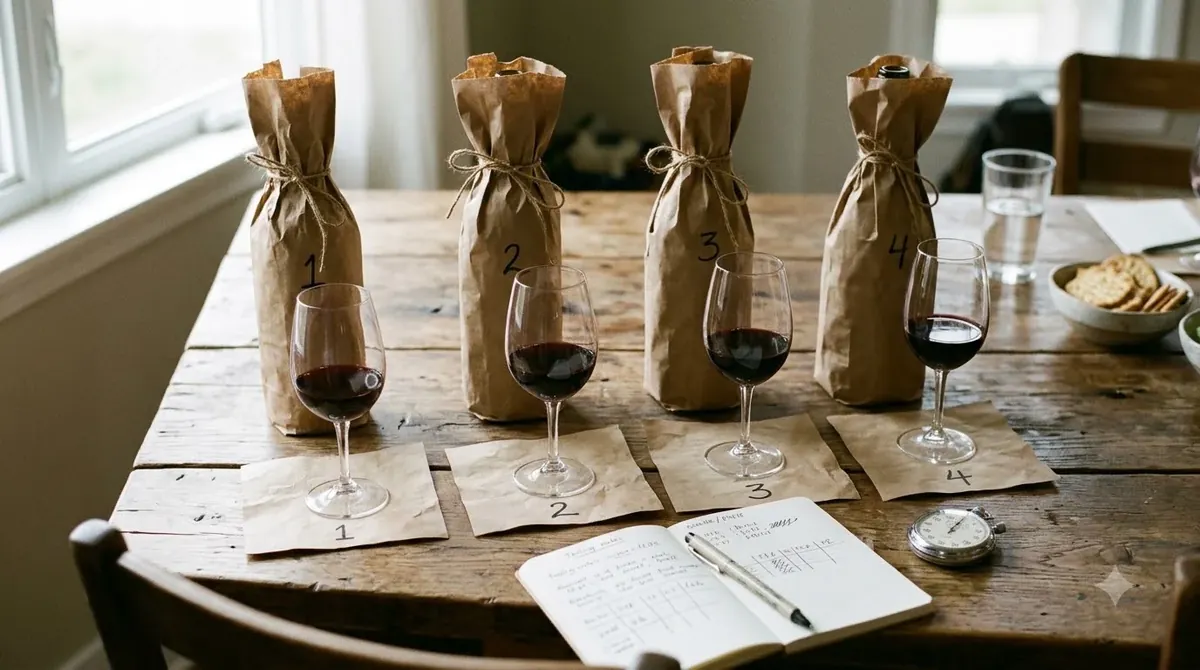
Chill sweet Tokaji styles—including Aszú and Sweet Szamorodni—to between 45°F and 55°F (7°C to 13°C) before pouring. Cold temperatures tighten the perception of residual sugar and bring Furmint’s natural tartness into sharp focus. Removing the bottle from a standard kitchen refrigerator roughly 20 minutes prior to service brings it right into the sweet spot. Dry Furmint performs best slightly warmer than crisp Sauvignon Blanc, around 50°F to 55°F (10°C to 13°C), allowing its mineral and stone-fruit aromatics to open up.
Choose a standard white wine glass or a smaller tulip-shaped dessert glass with a tapered rim to concentrate volatile aromas of saffron, orange blossom, and dried apricot. Because Aszú is richly concentrated, standard pours are modest—typically 2 to 3 ounces (60 to 90 milliliters) per guest. Ultra-rare Eszencia is so dense and syrupy that traditional service often relies on small crystal tasting spoons rather than stemware. Decanting is generally unnecessary for young or moderately aged bottles, though decanting older vintage Aszú for 30 minutes can help blow off bottle-age reduction.
Tip: Unlike dry white wines that oxidize within a couple of days, high sugar and acidity act as natural preservatives in opened Tokaji Aszú—recork the bottle and store it upright in the refrigerator to keep the flavors fresh for one to two weeks.
Food Pairing
Tokaji’s wide range of sweetness and brisk acidity makes it versatile enough to accompany every course of a meal, from raw seafood starters to savory mains and aged cheeses. Matching the weight and sweetness of the dish to the specific style in your glass prevents either element from overwhelming the other.
Dry Furmint and Hárslevelű shine alongside savory, herbaceous, and lightly spiced dishes. Wine reviewers at Wine Enthusiast highlight pairings such as herb-butter roast chicken, whole roasted fish, salmon crudo, and savory dumplings. Oak-aged single-vineyard Furmint carries enough mid-palate weight to stand up to creamy mushroom risotto, pork tenderloin, and roasted root vegetables.
For sweet Tokaji Aszú and Sweet Szamorodni, follow two classic sommelier principles: contrast the wine with salty, rich savory foods, or pair it with a dessert that is slightly less sweet than the wine itself. Pungent blue cheeses such as Roquefort or Stilton create an iconic sweet-and-salty tension, while rich foie gras and duck pâté rely on the wine’s piercing acidity to cleanse the palate between bites. If serving dessert, opt for lightly sweetened apricot tarts, poached pears, or crème brûlée rather than heavily frosted cakes, which can make the wine taste thin.
How to Choose a Bottle
Selecting the right Tokaji comes down to reading the label for style indicators, sweetness tiers, and grape composition rather than assuming every bottle is a dessert wine. Knowing a few Hungarian label terms makes navigating retail shelves straightforward.
Start by checking whether the label specifies a varietal name or a traditional sweet category. Bottles labeled simply with a grape name—most commonly Furmint or Hárslevelű—are almost always dry table wines unless “Late Harvest” (Késői Szüret) appears on the front. If you enjoy crisp, mineral whites with high acidity, look for dry estate Furmint; if you prefer slightly rounder, floral aromatics, seek out Hárslevelű. Just as comparing grenache tasting notes with structured petit verdot tasting notes clarifies red wine weight, distinguishing varietal dry Tokaji from botrytized cuvées sets clear expectations before pulling the cork.
When shopping for classic dessert styles, check the Puttonyos designation on Aszú labels. Historically, winemakers measured sweetness by counting how many 25-kilogram hods (puttonyos) of aszú berry paste were added to a 136-liter barrel of base wine, ranging from 3 to 6 puttonyos. Modern regulations eliminated the 3 and 4 puttonyos tiers starting with the 2013 vintage, meaning every authentic Tokaji Aszú now carries at least 5 Puttonyos sweetness (120 grams per liter). Choose 5 Puttonyos for balanced fruit-and-spice versatility with pâté or fruit tarts, or step up to 6 Puttonyos (150 grams per liter or higher) for deeper marmalade concentration, extended cellar longevity, and bold blue cheese pairings.
Frequently Asked Questions
Is Tokaji wine always sweet?
No, Tokaji is produced in dry, off-dry, sparkling, and lusciously sweet styles. While sweet Tokaji Aszú earned the region its global reputation, dry table wines made from Furmint and Hárslevelű represent a major portion of modern production and taste crisp, mineral-driven, and refreshing.
What do 5 Puttonyos and 6 Puttonyos mean on a Tokaji label?
Puttonyos measures the residual sugar concentration in Tokaji Aszú. Under current Hungarian wine law enacted with the 2013 harvest, 5 Puttonyos indicates a minimum of 120 grams of sugar per liter, while 6 Puttonyos indicates at least 150 grams per liter. Both tiers balance intense sweetness with high natural grape acidity.
How long can you age Tokaji Aszú?
High residual sugar, vibrant acidity, and noble-rot extract make Tokaji Aszú one of the longest-lived wines in the world. Well-stored bottles easily develop over 10 to 20 years or more, evolving from bright apricot and citrus notes into complex layers of toasted nuts, caramel, coffee, and exotic spice.
How does Tokaji Aszú compare to French Sauternes?
Both wines rely on Botrytis cinerea (noble rot) to concentrate sugars and create honeyed, marmalade aromas. However, Tokaji Aszú is built on Hungarian Furmint rather than Sémillon and Sauvignon Blanc, giving it noticeably higher natural acidity, a lighter feel on the palate, and distinct notes of ginger and saffron.
From flinty, citrus-charged dry Furmint to amber-hued Aszú layered with apricot, saffron, and wildflower honey, tokaji tasting notes showcase remarkable balance between richness and razor-sharp acidity. Exploring both the dry and botrytized expressions offers a rewarding look at one of Europe’s oldest and most distinctive wine regions.
More in Wine Types & Grapes
 What Does Mourvèdre Taste Like? Flavor Profile, Regions, and PairingsUpdated Nov 20, 2026
 What Does Marsanne Taste Like? Flavors, Styles, and Food PairingsUpdated Nov 20, 2026
 What Does Malvasia Taste Like? Styles, Flavors, and Food PairingsUpdated Nov 20, 2026
 What Does Grenache Blanc Taste Like? Flavor Profile, Styles, and PairingsUpdated Nov 20, 2026
 What Does Garnacha Taste Like? Key Flavors, Styles, and Pairing TipsUpdated Nov 20, 2026
 What Does Fruit Wine Taste Like? A Complete Flavor and Style BreakdownUpdated Nov 20, 2026