


We may earn a commission when you buy through links on this page, at no extra cost to you. Learn more.
This cakebread wine review finds Cakebread Cellars a strong choice for wine drinkers seeking polished Napa Valley Chardonnay, Cabernet Sauvignon, and distinctive vineyard-driven wines. Founded by Jack and Dolores Cakebread in 1973, the winery has developed a broad portfolio that includes crisp, food-friendly whites and structured, full-bodied reds. Its Chardonnay is a particularly approachable starting point, while its Cabernet Sauvignon and vineyard-designated selections offer more depth for drinkers who prefer concentrated red wines.
Cakebread Cellars has an established reputation in California wine, but choosing a bottle requires more than recognizing the winery name. The grape variety, growing region, vineyard designation, vintage, and intended occasion all influence the experience. Understanding those differences makes it easier to decide whether a familiar Napa Valley Chardonnay, a Cabernet Sauvignon, or a more distinctive estate selection belongs in your wine collection.
Who This Is For: Understanding the Cakebread Wine Buyer
Cakebread is worth considering for drinkers who appreciate recognizable varietal character, balanced winemaking, and wines designed to accompany food. Its portfolio covers several occasions, from casual seafood dinners with Chardonnay to celebratory meals featuring Napa Valley Cabernet Sauvignon.
The winery began with a relatively modest property in Rutherford. Jack and Dolores Cakebread purchased a 22-acre ranch in 1972 and founded Cakebread Cellars the following year. Its first released wine was a 1973 Chardonnay, produced in an initial quantity of 157 cases. Cabernet Sauvignon followed, with the first wine from the 1974 vintage released in 1976. That early emphasis on both white and red wine remains relevant to the winery’s identity.
Today, Cakebread’s vineyard holdings extend across Napa and Anderson Valleys. The winery describes a portfolio of 17 estate vineyards covering approximately 1,600 acres, with more than 700 acres planted to vines. This geographical diversity helps explain why its wines are not all interchangeable. Cool Carneros conditions favor Chardonnay, while warmer Napa Valley vineyard locations provide suitable conditions for Cabernet Sauvignon and other red varieties.
Different buyers can approach the range in different ways:
- Chardonnay drinkers: Consider the Napa Valley Chardonnay if you enjoy ripe orchard fruit, citrus, moderate richness, and a food-friendly finish.
- Cabernet Sauvignon fans: Explore the Napa Valley Cabernet Sauvignon for dark-fruit flavors, noticeable tannin, and a fuller structure.
- White wine enthusiasts: Sauvignon Blanc provides another direction, particularly if you prefer brighter citrus character and more pronounced freshness.
- Collectors and enthusiasts: Vineyard-designated wines offer an opportunity to explore the differences between specific Napa Valley growing sites.
- Gift buyers: A recognizable producer and a grape variety suited to the recipient’s preferences make a more reliable combination than choosing solely by label appearance.
Cakebread may be less suitable for shoppers whose primary objective is finding the least expensive everyday wine. Its established Napa Valley identity and estate-focused portfolio make it more relevant to buyers prioritizing recognizable regional character, consistency, and food compatibility.
Key Factors to Compare Before Buying Cakebread
The most useful comparisons involve grape variety, vineyard origin, wine structure, and drinking occasion. Start with the difference between cool-climate Chardonnay from Carneros and the more structured red wines associated with Napa Valley’s Cabernet-growing areas.
| Factor | What to Look For | Best Starting Point |
|---|---|---|
| Grape variety | White or red wine preference | Chardonnay or Cabernet Sauvignon |
| Growing region | Cool Carneros or warmer Napa Valley sites | Chardonnay or Cabernet Sauvignon |
| Body | Medium-bodied or full-bodied structure | Chardonnay or Cabernet Sauvignon |
| Acidity | Refreshing freshness or softer richness | Sauvignon Blanc or Chardonnay |
| Tannin | Low, moderate, or pronounced grip | Pinot Noir or Cabernet Sauvignon |
| Food pairing | Seafood, poultry, beef, or cheese | Match the grape to the dish |
| Serving temperature | 45–50°F for lighter whites; 60–65°F for full reds | Depends on the wine style |
| Standard bottle | 750 ml, approximately five 5 oz servings | Suitable for a small gathering |
Grape variety is the first important decision. Chardonnay typically offers medium acidity and a fuller mouthfeel than Sauvignon Blanc. Depending on the winemaking approach, it can show apple, pear, citrus, oak, spice, or creamy textures. Sauvignon Blanc generally provides more pronounced acidity and brighter citrus or herbal characteristics.
For reds, Cabernet Sauvignon is the more structured option, with high tannin and dark-fruit character. Merlot generally offers softer, medium tannins, while Pinot Noir tends to have lower-to-medium tannin and higher acidity. These differences matter at the dinner table: a Cabernet can work particularly well with a grilled steak, while a softer red may be more flexible with poultry or dishes featuring mushrooms.
Vineyard origin is another useful comparison. Cakebread’s Carneros vineyards benefit from cooling influences associated with San Pablo Bay. The winery identifies this region’s shallow loam soils, cool winds, and longer growing conditions as important contributors to its Chardonnay style. By contrast, its Suscol properties in the Vaca mountain range provide a different environment for Cabernet Sauvignon, Merlot, and Syrah.
Independent reviews can help establish a more specific expectation. Wine Enthusiast’s review of the 2023 Napa Valley Chardonnay awarded 90 points and identified citrus, buttered brioche, baked apple, pear, spice, and a smoky accent. The review also records 13.6% alcohol by volume in a 750 ml bottle. These details provide a useful reference point for buyers comparing vintages rather than assuming every bottle will taste identical.
For another perspective, the Wine Enthusiast Cakebread Chardonnay review provides professional tasting observations and technical details that help explain the wine’s style.
Tip: Choose the grape before choosing the vineyard designation. A buyer who prefers refreshing white wines will generally be happier starting with Chardonnay or Sauvignon Blanc than purchasing a prestigious Cabernet Sauvignon simply because it carries a well-known Napa Valley name.
Step-by-Step: How to Choose the Right Cakebread Bottle
A practical buying process starts with the meal or occasion, then narrows the selection by grape, structure, and vineyard origin. Following these steps helps prevent a mismatch between the wine and the people who will drink it.
-
Decide whether you want red or white wine.
Start with the main preference of the person drinking the bottle. Chardonnay and Sauvignon Blanc are sensible white wine choices, while Cabernet Sauvignon, Merlot, Syrah, and Pinot Noir offer different red wine experiences.
-
Identify the food pairing.
For grilled fish, roasted chicken, or creamy pasta, consider Chardonnay. For a leaner seafood preparation or a fresh salad with citrus dressing, Sauvignon Blanc may be more suitable. Cabernet Sauvignon is a stronger candidate for grilled beef, lamb, or dishes with substantial savory flavors.
-
Choose the desired body and structure.
Consider whether the wine should feel light, medium-bodied, or full-bodied. A Chardonnay generally provides more body than many Sauvignon Blanc wines. Cabernet Sauvignon offers a more substantial tannic structure than Pinot Noir.
-
Consider the vineyard origin.
Look at the difference between Carneros Chardonnay and wines from other Napa Valley locations. For red wine, consider whether a standard Napa Valley bottling or a vineyard-designated Cabernet better matches your interest in regional expression.
-
Compare vintage-specific descriptions.
Do not assume that a 2023 Chardonnay and a 2024 Chardonnay will have identical aromas, texture, or alcohol levels. Independent reviews and producer information can help identify the characteristics associated with the particular vintage being considered.
-
Plan the serving temperature.
Prepare lighter whites at approximately 45–50°F, fuller whites at 50–55°F, and full-bodied reds at 60–65°F. Serving temperature can make a noticeable difference to aroma, perceived alcohol, freshness, and tannin.
-
Consider how quickly the bottle will be consumed.
A 750 ml bottle provides approximately five standard 5 oz servings. For a small dinner, one bottle may be sufficient for a modest pour per guest, while a longer gathering may require additional bottles or a selection of different varieties.
For a buyer specifically interested in the winery’s signature white wine, the dedicated Cakebread Chardonnay overview is a useful next step. It keeps the decision focused on the grape variety rather than requiring a comparison of every wine in the portfolio.
The same process works for gifts. If the recipient regularly drinks California Chardonnay, choosing a recognizable bottle in that category is generally safer than selecting a highly tannic red without knowing their preferences. If the recipient is an experienced Cabernet enthusiast, a more structured red selection may be the better match.
Types or Styles Explained: Cakebread White and Red Wines
Cakebread’s range covers several grape varieties, with Chardonnay and Cabernet Sauvignon serving as useful reference points for understanding the producer. The differences in grape, climate, acidity, and tannin create distinct drinking experiences rather than one uniform house style.
Chardonnay: The Natural Starting Point
Chardonnay has a particularly important place in the winery’s history because the first released Cakebread wine was the 1973 Chardonnay. The winery sources Chardonnay from Carneros, where the proximity of San Pablo Bay creates cool, windswept conditions that help maintain acidity.
Expect the general style of Napa Valley Chardonnay to combine orchard fruit with citrus and a degree of richness. Depending on the vintage and winemaking, aromas and flavors can include golden apple, pear, white peach, lemon, vanilla, baking spice, and subtle oak. The 2023 wine reviewed by Wine Enthusiast showed mixed citrus, buttered brioche, baked apple, pear, spice, and a smoky finish.
This style makes Chardonnay particularly flexible at the table. It can accompany roast chicken, grilled seafood, lobster, creamy pasta, and moderately rich cheeses. Serve it around 50–55°F when the wine has a fuller body, allowing enough time for its aromas to become expressive without letting it become excessively warm.
For more focused selection advice, the Cakebread wine overview provides another route into the producer’s wider collection.
Sauvignon Blanc: A Fresher White Wine Direction
Sauvignon Blanc is a useful alternative for drinkers who prefer brighter acidity and a less overtly rich white wine. Its characteristic flavor profile can include grapefruit, lime, lemon, green fruit, fresh herbs, and mineral impressions.
Cakebread’s vineyard information identifies Sauvignon Blanc plantings at several locations, including Carneros and Suscol properties. This geographic spread means the grape is not limited to a single vineyard environment. For buyers who enjoy crisp white wine with seafood, salads, grilled vegetables, and goat cheese, it is a sensible variety to investigate.
Serve a lighter Sauvignon Blanc around 45–50°F. Excessive warmth can make a fresh white seem heavy, while serving it extremely cold can suppress its aromatic character.
Cabernet Sauvignon: The Structured Red
Cabernet Sauvignon is the obvious direction for drinkers who prefer full-bodied Napa Valley reds. Its typical structure includes high tannin, dark fruit, noticeable concentration, and a firm finish. Depending on the wine, blackcurrant, blackberry, plum, cedar, and spice may feature prominently.
Cakebread’s vineyard portfolio includes several locations suitable for red varieties. Its Suscol Springs property, for example, has rocky, well-draining soils and cooler conditions that the winery associates with Cabernet Sauvignon, Merlot, and Syrah. Suscol Mountain is higher in elevation and produces later-ripening fruit with concentrated flavor and tannin.
Cabernet Sauvignon is particularly suitable for grilled steak, roast beef, lamb, and aged hard cheeses. Serve a full-bodied bottle around 60–65°F. Young, structured reds may also benefit from 30–60 minutes of decanting to encourage aromatic development.
Other Red Varieties and Vineyard Selections
Merlot, Pinot Noir, and Syrah offer alternatives to Cabernet Sauvignon for buyers interested in different tannin levels and flavor profiles. Merlot generally has medium tannin and a softer texture, while Pinot Noir usually offers lower-to-medium tannin and higher acidity. Syrah typically has medium-plus to high tannin, with dark fruit and savory characteristics.
Cakebread’s Anderson Valley vineyards are particularly relevant to Pinot Noir. Annahala Ranch and Apple Barn sit near Boonville, and the winery describes differences between their growing conditions. Annahala receives more coastal fog, producing delicate fruit with floral impressions, while Apple Barn receives longer periods of sunlight and develops a bolder fruit profile.
These differences provide an interesting reason to explore vineyard-specific selections. Instead of treating all California Pinot Noir or Napa Cabernet as identical, buyers can compare the geographical origins and understand how the site influences the finished wine.
Common Mistakes When Buying Cakebread Wine
The biggest purchasing mistakes involve assuming that every Cakebread wine has the same structure, choosing a red solely by reputation, or ignoring the relationship between acidity, tannin, and food. A little attention to grape variety and serving style can make the experience considerably more satisfying.
Assuming Every Bottle Is Full-Bodied
Cakebread is strongly associated with Napa Valley, but its portfolio includes white wines with different levels of body and freshness. Chardonnay is generally richer than Sauvignon Blanc, while Pinot Noir offers a substantially different structure from Cabernet Sauvignon.
Buyers who dislike heavy red wine should not assume that a well-known Napa producer only makes powerful Cabernet. Exploring white wines or lighter red varieties can reveal options that better suit their preferences.
Choosing Cabernet Without Considering Tannin
Cabernet Sauvignon typically has high tannin, which creates a drying sensation on the gums and palate. This structure can work beautifully with protein-rich foods, particularly beef and lamb, but it may feel overly firm alongside delicate seafood or lightly seasoned vegetable dishes.
Fat and salt can soften the perception of tannin. That is one reason a well-seasoned grilled steak or an aged hard cheese can work so well with Cabernet. A delicate white fish preparation, however, is generally better served with a white wine or a lighter red.
Serving White Wine Too Cold
Very cold Chardonnay can seem muted because low temperatures suppress aromas and make its texture harder to appreciate. A fuller Chardonnay is generally more expressive around 50–55°F than directly from an extremely cold refrigerator.
Light whites such as Sauvignon Blanc usually work better around 45–50°F. Allowing a chilled bottle a short period outside the refrigerator before pouring can help the wine show more of its character.
Ignoring the Difference Between Vintages
Vintage differences can affect fruit ripeness, acidity, alcohol, texture, and aromatic expression. The 2023 Cakebread Napa Valley Chardonnay reviewed by Wine Enthusiast was listed at 13.6% alcohol by volume, while Wine.com lists the 2024 bottling at 13.8%.
Those figures are useful examples of why buyers should avoid treating one vintage’s technical details as permanent specifications for every future release. A tasting note from an earlier vintage can provide context, but it should not be treated as a guaranteed description of a newer bottle.
Pairing Wine With Food Without Considering Acidity
Acidic food can make a low-acidity wine seem flat. For tomato-based dishes, vinaigrettes, and preparations with lemon, look for a wine with enough freshness to remain lively alongside the food.
Chardonnay can work with moderately acidic preparations, but Sauvignon Blanc may be more suitable for particularly sharp citrus-based sauces. Also avoid pairing highly tannic reds with oily fish, which can produce an unpleasant combination. Matching the wine’s structure to the meal is more useful than selecting by label recognition alone.
Care and Storage Tips for Preserving Cakebread Wine
Proper storage and serving help preserve the qualities that make a bottle enjoyable. Keep unopened wine away from excessive heat and sunlight, maintain a relatively stable environment, and use appropriate temperatures when serving different styles.
Store Unopened Bottles Correctly
A storage temperature near 55°F is a useful target for wine, provided the environment remains reasonably consistent. Avoid placing bottles next to ovens, heating equipment, windows with direct sunlight, or other locations subject to frequent temperature changes.
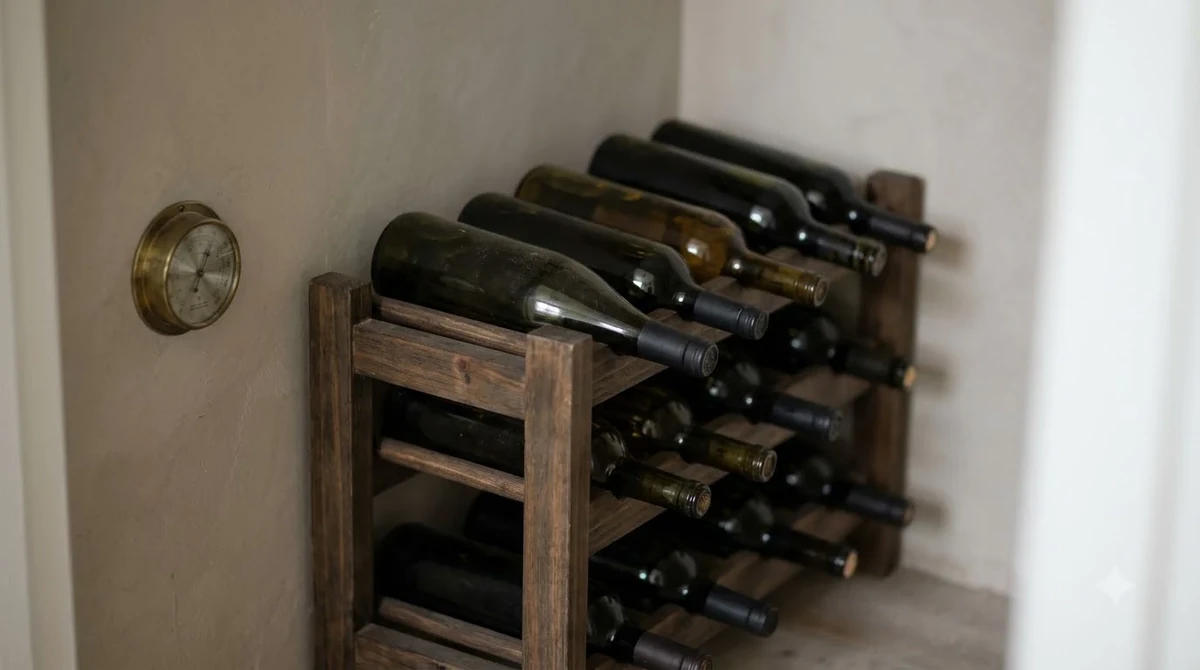
Traditional cork-sealed bottles are generally stored on their sides to keep the cork in contact with the wine. This helps prevent the cork from drying out. A dark, stable wine cabinet or dedicated cellar is preferable to a kitchen shelf where heat and light fluctuate.
Use Appropriate Serving Temperatures
- Light white wines: 45–50°F.
- Fuller Chardonnay: 50–55°F.
- Light red wines: 55–60°F.
- Full-bodied Cabernet Sauvignon: 60–65°F.
These ranges are practical starting points rather than rigid requirements. A wine served slightly cooler can warm gradually in the glass, releasing additional aromas as its temperature rises.
Decant Structured Red Wines When Appropriate
A young, full-bodied Cabernet Sauvignon may benefit from 30–60 minutes in a decanter. This gives the wine an opportunity to open aromatically and can make a structured red more expressive at the table.
Decanting is not mandatory for every bottle. A lighter Pinot Noir may need less time, while an older wine may require gentler handling to avoid excessive exposure to air. The decision should depend on the wine’s age and structure rather than the producer’s name alone.
Preserve Opened Bottles
Refrigerate opened still wines and aim to consume them within approximately three to five days. A stopper helps limit oxygen exposure, although it cannot completely prevent the wine from changing after opening.
Even red wine benefits from refrigeration after opening. Allow it to warm toward its preferred serving temperature before pouring again. Keep sparkling wines sealed with an appropriate sparkling-wine stopper and generally aim to finish them within one to three days.
Plan Bottle Quantities for Gatherings
A standard 750 ml bottle provides approximately five 5 oz servings. For a dinner with four guests, one bottle allows a modest pour for everyone, while a longer meal with several courses may justify a second bottle or a different variety.
Offering Chardonnay before Cabernet Sauvignon is a practical sequence for a meal featuring seafood followed by beef. The progression from lighter, fresher wine to fuller, more tannic wine helps preserve the contrast between the two styles.
Frequently Asked Questions
Is Cakebread Cellars a family-owned winery?
Cakebread Cellars was founded by Jack and Dolores Cakebread, and its history includes several generations of family involvement. The winery’s history records that Jack and Dolores stepped back from active winery leadership in 2005. Its current organizational structure should be distinguished from its historical family origins.
Where is the Cakebread Cellars winery located?
The winery is located in Rutherford in Napa Valley, California. Its original property was the 22-acre ranch purchased by Jack and Dolores Cakebread in 1972. Rutherford is within the Napa Valley wine-growing region and is closely associated with the winery’s beginnings.
Does Cakebread make wines outside Napa Valley?
Yes. Cakebread’s vineyard portfolio includes Anderson Valley properties in Mendocino County, in addition to its Napa Valley vineyards. These Anderson Valley sites provide cooler growing conditions suited to Pinot Noir and other varieties, creating a broader geographical range than the winery’s Napa Valley identity alone might suggest.
Can Cakebread wine be used for cooking?
Yes. Dry Chardonnay can be useful in cream sauces, seafood preparations, and chicken dishes, while Cabernet Sauvignon can contribute depth to certain beef braises and pan sauces. Choose a wine that is pleasant enough to drink, rather than relying on heavily oxidized or unpleasant leftover wine for cooking.
Does Cakebread offer winery visits and wine tastings?
Yes. Cakebread Cellars promotes visitor experiences at its Napa Valley winery, including tastings and wine-and-food pairing experiences. Its official visitor information provides the current reservation details and experience options, so prospective visitors can arrange an appointment before traveling to Rutherford.
Cakebread Cellars offers a compelling range for buyers who appreciate Napa Valley wine, with Chardonnay providing an approachable introduction and Cabernet Sauvignon offering a more structured alternative. Its vineyards across Carneros, Rutherford, Suscol, and Anderson Valley also give enthusiasts several opportunities to explore how grape variety and growing location shape the finished wine. Start with the style you enjoy most, compare individual vintages, and choose a bottle that complements the food and occasion.
More in Wine Brands
 Louis Latour Wine Price: Compare Bottles by Style and TierUpdated Nov 20, 2026
 Yellow Tail Moscato Price: What to Expect Before You BuyUpdated Nov 20, 2026
 Sutter Home Sweet Red Review: Find the Right Food PairingsUpdated Nov 20, 2026
 Franzia Chillable Red Review: Find the Right Serving StyleUpdated Nov 20, 2026
 Veuve Clicquot Rose Review: Flavor, Food Pairings and Buying AdviceUpdated Nov 20, 2026
 Rombauer Wine Price: Compare Bottles Before You BuyUpdated Nov 20, 2026