

We may earn a commission when you buy through links on this page, at no extra cost to you. Learn more.
Timorasso food pairing works best with rich, savory, and earthy dishes—such as truffle pasta, aged Piedmontese cheeses, roasted poultry, veal, and buttery seafood—that balance the wine’s full body, brisk acidity, and subtle phenolic grip. Because this Piedmontese white carries the weight and structure of a light red wine alongside sharp citrus and mineral tension, it cuts through butter, cream, and fat without getting overwhelmed. Youthful bottlings excel alongside fresh shellfish and herb-roasted fish, while bottle-aged Derthona wines match braised white meats, wild mushrooms, and nutty risottos.
Often called the “white Barolo” by sommeliers and Italian wine collectors, Timorasso brings an unusual combination of waxy texture, high natural acidity, and cellar-worthy complexity to the dinner table. Knowing how to match its structural power with the right ingredients makes all the difference between a pleasant sip and a memorable meal.
What Is Timorasso?
Timorasso is an ancient, indigenous white grape variety from southeastern Piedmont in northwestern Italy that behaves more like a structured red wine than a typical crisp Italian white. According to Wine Enthusiast, the grape was established in Piedmont by the 14th century and covered 2,000 hectares before phylloxera and high-yielding varieties pushed it to the brink of extinction in the late 20th century.
In the 1980s, local winemaker Walter Massa rescued the grape from oblivion starting with fewer than 400 vines, proving it could produce age-worthy, terroir-driven wines. Massa also coined the term Derthona—the ancient Roman name for the town of Tortona—as a sub-designation for wines made from 100 percent Timorasso aged for at least one year before release. Today, more than 500 hectares are planted across the region, drawing renowned Barolo estates like Vietti, Borgogno, and La Spinetta to invest in the grape.
For cooks and hosts exploring different Wine by Type options, Timorasso sits in a rare middle ground. It avoids the featherweight neutrality of Pinot Grigio while steering clear of heavy new-oak flavors, relying instead on naturally thick grape skins and high extract to build presence on the palate.
Flavor Profile and Winemaking Styles
Young Timorasso delivers sharp green apple, white peach, lemon pith, and crushed chalk, whereas bottle-aged examples evolve into honey, beeswax, toasted hazelnuts, and savory herbal spice. Reviewers at Wine Folly note that the wine can feel bone dry and even slightly astringent on the first sip before opening into a palate-coating creaminess with a lightly tannic finish.
Most producers ferment Timorasso in temperature-controlled stainless steel or concrete tanks and age the wine on its fine lees for six to twelve months. Avoiding heavy oak barrels preserves the grape’s distinct flinty minerality and white blossom aromatics while lees stirring builds a supple, waxy mid-palate. A smaller group of winemakers experiments with extended skin contact or neutral wooden casks, yielding deeper golden hues and firmer tannic traction.
Because the grape concentrates high levels of sugars and phenolic compounds while keeping its tart acid spine, finished wines routinely reach 13.5 to 15 percent ABV. That combination of alcohol warmth, dry extract, and electric acidity gives Timorasso the stamina to evolve for ten to fifteen years in bottle, gaining tertiary aromas of ginger, dried apricot, and petrol similar to mature Riesling or white Burgundy.
Where It Grows
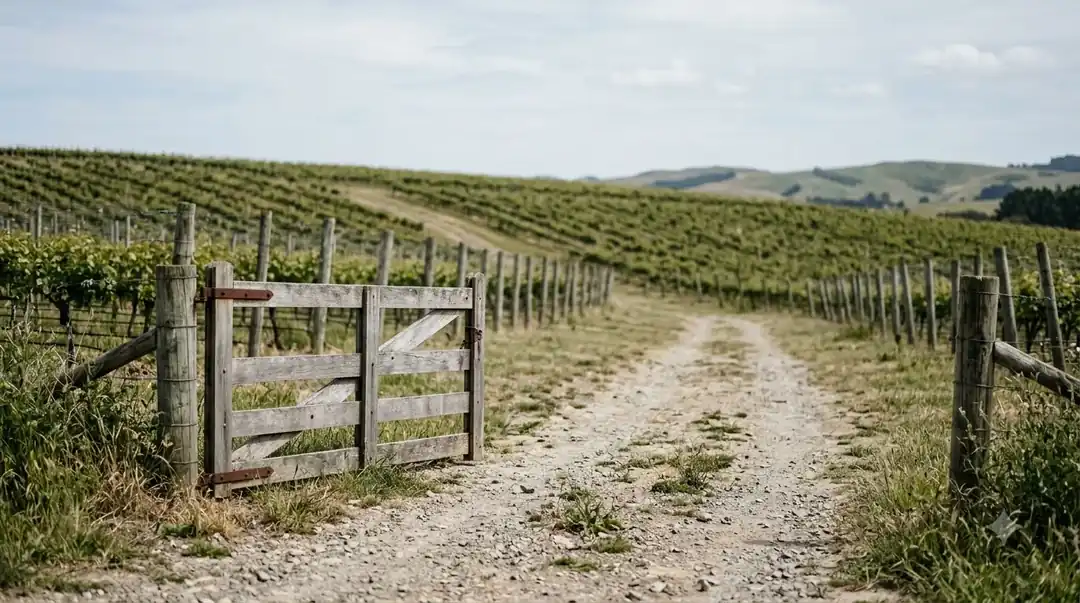
Timorasso thrives almost exclusively in the Colli Tortonesi DOC, a hilly agricultural zone in the province of Alessandria tucked into the southeastern corner of Piedmont. Situated near the 45th parallel where Ligurian sea breezes meet cooler air from the Po Valley, these rolling hills sit around 350 to 400 meters above sea level.
The vineyards grow on sandy, chalky marl soils—locally known as Sant’Agata fossil marl—that drain well and impart a distinct saline, stony character to the finished wines. Warm days allow this late-ripening grape to achieve full phenolic maturity, while cool night temperatures lock in the vibrant acidity that defines authentic Derthona bottlings.
While tiny experimental plantings exist outside Italy, Colli Tortonesi remains the undisputed benchmark. Within the appellation, producers bottle both entry-level Colli Tortonesi Timorasso meant for earlier drinking and structured Derthona or single-vineyard Riserva selections built for long-term cellaring.
How to Serve Timorasso
Serve youthful Timorasso chilled to 50–54°F (10–12°C) in a medium-sized white wine glass, and pour mature or Riserva bottles slightly warmer at 55–58°F (13–14°C) in a wider Burgundy-style bowl. Over-chilling straight from the refrigerator mutes the wine’s delicate floral, herbal, and nutty aromatics while exaggerating its natural phenolic grip.
Unlike light, aperitif-style whites, young Derthona benefits dramatically from aeration. Wine Enthusiast notes that decanting bottles under three to five years old for thirty to sixty minutes softens their youthful tightness and unlocks layers of acacia, hay, and orchard fruit. For bottles with seven or more years of age, pouring slowly into a large glass without vigorous swirling preserves fragile tertiary notes.
Tip: Pull your bottle from the fridge 20 minutes before dinner and splash young Derthona into a decanter while you plate the first course to tame its brisk, stony edge.
Core Principles of Timorasso Food Pairing
Successful Timorasso food pairing relies on matching the wine’s three defining traits—rich body, high acidity, and subtle tannic structure—with dishes that feature fat, umami, or gentle sweetness. Think of it as the white wine equivalent of pairing structured reds: just as blaufrankisch food pairing thrives on savory herbs and gamey richness, Timorasso needs food with weight and texture so the wine does not overpower the plate.
First, pair the wine’s palate-coating creaminess with butter, olive oil, egg yolks, or aged dairy. Creamy sauces, brown butter, and melted alpine cheeses round out Timorasso’s sharp citrus backbone, while the wine’s brisk acidity cleanses the palate between bites. Second, lean into earthy, umami-rich ingredients from Timorasso’s Piedmontese homeland, such as white and black truffles, porcini mushrooms, and roasted hazelnuts.
Third, use Timorasso’s mild phenolic grip—a rare tactile sensation in white wine—to stand up to protein textures that flatten lighter whites. Veal, roasted chicken, pork loin, and meaty fish like turbot or monkfish find an ideal partner here. Like a versatile grenache blanc food pairing, Timorasso bridges the gap between seafood and white meat, though it brings sharper mineral tension than southern Rhône whites. Avoid fiery chili heat, which clashes with the wine’s 14 percent alcohol, and skip sugary glazes that make bone-dry Timorasso taste tart.
| Dish Category | Best Specific Dishes | Wine Style & Age | Why the Pairing Works |
|---|---|---|---|
| Pasta & Risotto | Tajarin with butter and white truffle; porcini mushroom risotto; meat-filled ravioli with sage | 3–6 year old Derthona | Egg pasta, butter, and earthy fungi mirror the wine’s waxy texture and nutty, savory evolution. |
| Seafood & Shellfish | Butter-poached lobster; seared sea scallops; baked sea bass with herbs and lemon | Young Colli Tortonesi Timorasso (1–3 years) | Crisp green apple acidity lifts sweet shellfish while saline minerality echoes ocean flavors. |
| Poultry & White Meat | Herb-roasted chicken; vitello tonnato; veal chop with wild mushrooms; pork tenderloin | Structured Derthona (3–7 years) | Phenolic grip and full body match meaty textures and savory pan sauces without heavy red tannins. |
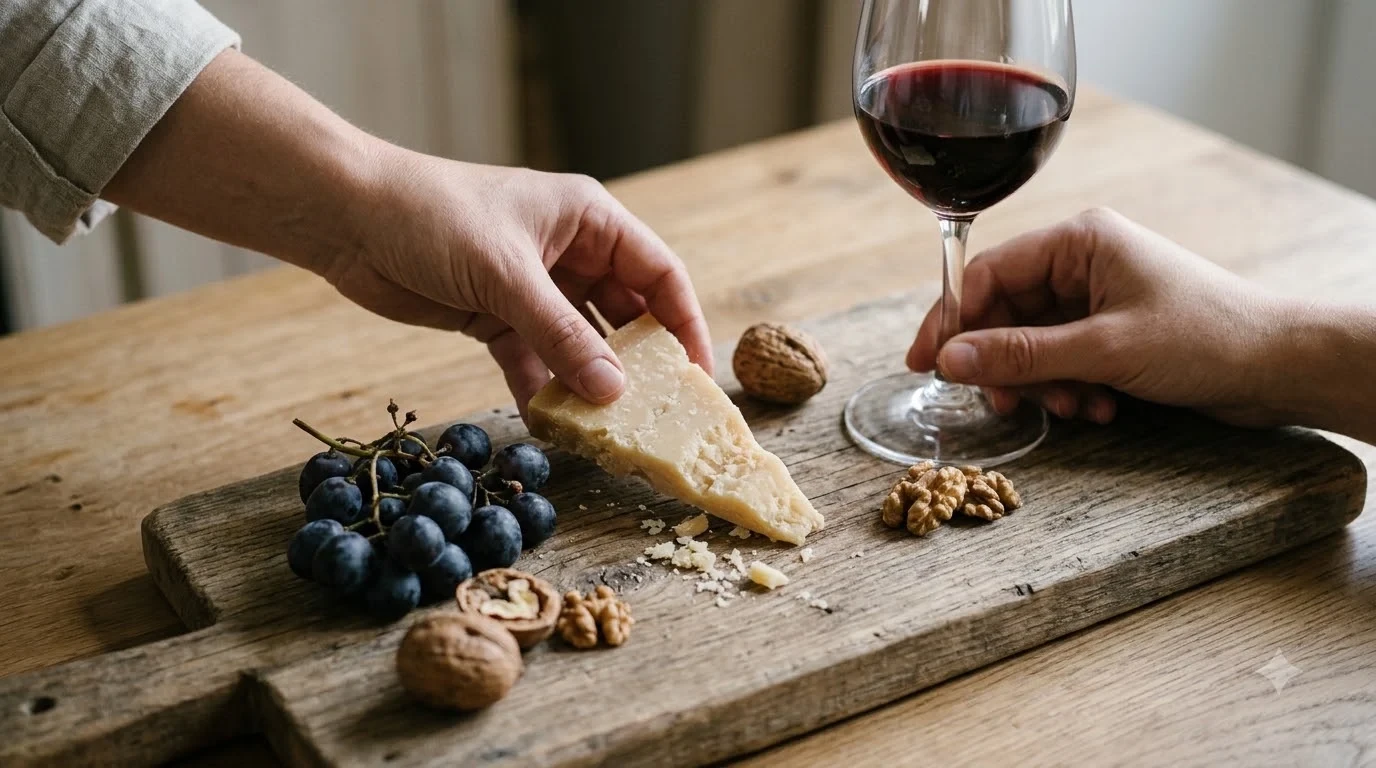
| Cheese & Charcuterie | Aged Montebore, Castelmagno, Parmigiano-Reggiano, prosciutto crudo | Mature Derthona (5+ years) | Salt, fat, and crystalline umami in aged cheese tame brisk acidity and highlight honeyed notes. |
| Vegetarian Mains | Roasted squash with hazelnuts; artichoke and olive oil tart; grilled king oyster mushrooms | Lees-aged Timorasso (2–5 years) | Caramelized sweetness and roasted nuts complement beeswax, chamomile, and flinty depth. |
How to Choose a Bottle for Dinner
Check the front label for the word Derthona alongside Colli Tortonesi DOC to ensure you are getting a 100 percent Timorasso wine aged at least a year before release. Entry-level bottles labeled simply Colli Tortonesi Timorasso are often released earlier with brighter citrus and green apple fruit, making them ideal for weeknight seafood, salads, and fresh goat cheese.
When planning a richer dinner featuring roasted meats, truffles, or aged cheeses, look for single-vineyard Derthona bottlings or Riserva releases, which require longer aging and deliver deeper concentration. Checking the vintage date also guides your menu: bottles one to three years past harvest feel lively and mineral-driven, while bottles with four or more years of age offer plush, honeyed complexity ready for hearty autumn and winter cooking.
Frequently Asked Questions
Is Timorasso sweet or dry?
Timorasso is fermented completely dry, with virtually no residual sugar. Its ripe stone fruit, acacia honey, and beeswax aromas come from low-yielding, late-harvested grapes and lees aging rather than sweetness, so it pairs cleanly with savory main courses.
Can Timorasso pair with red meat?
Timorasso works very well with lighter red meats such as veal chops, pork loin, and rabbit, especially when prepared with cream, white wine, mushrooms, or sage. For heavily marbled beef steaks or smoky grilled lamb, a structured red like a carignan food pairing will handle the char and iron richness more comfortably.
How long should you decant Timorasso before serving?
Young Timorasso under four years old benefits from 30 to 60 minutes in a decanter to soften its tight, stony acidity and release floral and orchard-fruit aromatics. Older bottles with five to ten years of bottle age only need 15 to 20 minutes of gentle breathing in a wide-bowled glass.
What is the difference between Timorasso and Derthona?
Timorasso is the name of the white grape variety, while Derthona is the official sub-designation used within Piedmont’s Colli Tortonesi DOC for wines made entirely from Timorasso and aged for at least 12 months prior to release. A bottle labeled Derthona signals stricter production rules and greater aging potential.
Whether you uncork a vibrant young bottle alongside seared scallops or pour an aged Derthona next to truffle-laced pasta, Timorasso rewards thoughtful cooking with remarkable depth and balance. Treat it at the table like a fine white Burgundy or a light-bodied red, and it will anchor everything from coastal seafood feasts to rustic autumn roasts.
More in Wine Types & Grapes
 What Does Mourvèdre Taste Like? Flavor Profile, Regions, and PairingsUpdated Nov 20, 2026
 What Does Marsanne Taste Like? Flavors, Styles, and Food PairingsUpdated Nov 20, 2026
 What Does Malvasia Taste Like? Styles, Flavors, and Food PairingsUpdated Nov 20, 2026
 What Does Grenache Blanc Taste Like? Flavor Profile, Styles, and PairingsUpdated Nov 20, 2026
 What Does Garnacha Taste Like? Key Flavors, Styles, and Pairing TipsUpdated Nov 20, 2026
 What Does Fruit Wine Taste Like? A Complete Flavor and Style BreakdownUpdated Nov 20, 2026