

We may earn a commission when you buy through links on this page, at no extra cost to you. Learn more.
The best white wine at total wine depends on the flavor you want: choose Sauvignon Blanc for a crisp, dry bottle, Chardonnay for a fuller pour, Pinot Grigio for light refreshment, or Riesling for a touch of sweetness. Total Wine’s white-wine section makes those familiar grapes easy to compare and also gives shoppers a route into Sancerre and other styles. The smartest choice is the one that matches your preferred sweetness, the meal, and how much body you want in the glass.
A large retailer can make the white-wine aisle feel complicated. Start with a style, then narrow the choice by grape, region, and winemaking approach. This guide explains what to look for and how to serve the bottle well.
Who This Is For
Total Wine is a useful stop for shoppers who want several recognizable white-wine styles in one place, from clean, crisp bottles to richer or sweeter choices. It suits first-time buyers, hosts planning a meal, and experienced drinkers comparing regional expressions of familiar grapes.
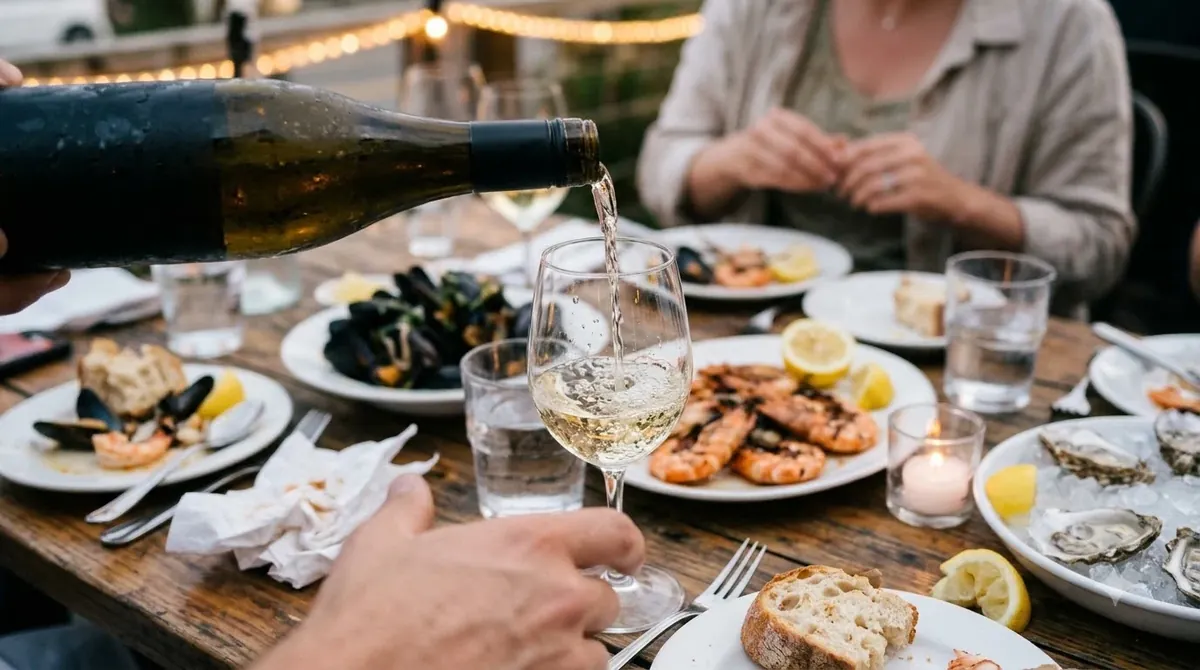
For a first bottle, Pinot Grigio and Sauvignon Blanc are practical starting points because they are usually dry and refreshing. Pinot Grigio tends to be lighter and more neutral, while Sauvignon Blanc usually has more pronounced acidity and herbal or citrus notes. Those differences help a new buyer make a choice without needing to know individual producers or appellations.
Chardonnay is a better place to start if the goal is a white wine with more weight, especially alongside roast chicken, creamy pasta, or richer seafood. The grape can be crisp and restrained when made without much oak, or broader and creamier when oak and malolactic fermentation shape the wine. Riesling is the flexible alternative for anyone who enjoys perfume, bright acidity, or a little residual sweetness.
The store’s white-wine landing page separates Chardonnay, Sauvignon Blanc, Pinot Grigio, and Sancerre into clear shopping paths, with a broader white-wine category behind them. Selection can change by location and stock, so use the selected store or pickup location when checking availability rather than assuming every bottle shown online is on every shelf. Shoppers comparing retailers can also consult our guides to best white wine at trader joes and best white wine at costco.
Key Factors to Compare
Compare sweetness, acidity, body, oak influence, and serving temperature before choosing a bottle. Those five details usually tell you more about whether a white wine will suit your taste and dinner than a front-label phrase or a high score.
| Style | Typical profile | Sweetness and acidity | Serving temperature | Good starting pairing |
|---|---|---|---|---|
| Sauvignon Blanc | Light to medium body; citrus, herbs, sometimes tropical fruit | Usually dry; high acidity | 45–50°F | Goat cheese, herbs, shellfish |
| Pinot Grigio | Light body; lemon, apple, pear | Usually dry; high acidity in the crisp Italian style | 45–50°F | Shrimp, salads, light pasta |
| Chardonnay | Medium to full body; apple and citrus, or richer vanilla notes | Usually dry; medium acidity | 50–55°F | Roast chicken, creamy dishes |
| Riesling | Light to medium body; lime, apple, peach, floral notes | Dry to sweet; high acidity | 43–50°F when sweet; 45–50°F when dry | Spicy dishes, pork, fruit desserts |
| Albariño | Light to medium body; citrus, green apple, saline notes | Usually dry; high acidity | 45–50°F | Grilled fish, oysters, calamari |
| Moscato | Light body; floral, peach, and orange notes | Usually sweet; low to medium acidity | 43–50°F | Fruit desserts, spicy food |
Sweetness is the first filter. “Dry” means that fermentation has used almost all the grape sugar, not that the wine has a rough or drying texture. A dry wine can smell of ripe peach or tropical fruit and still taste dry. Off-dry wines retain a little sweetness, while sweet styles such as Moscato and some Rieslings have a more obvious sugary impression.
Acidity is the next useful clue. Sauvignon Blanc, Riesling, and many crisp Pinot Grigios feel lively because their acidity makes the mouth water; Chardonnay is generally rounder, particularly in richer styles. Body describes weight rather than sweetness: a light Pinot Grigio can be dry, and a full-bodied Chardonnay can also be dry.
Tip: Choose the wine to match the dish, not just the main ingredient. Lemon, vinegar, and tomato need a white wine with enough acidity to keep it from tasting flat, while a creamy sauce can welcome a Chardonnay with more body.
Oak is another decision point, especially with Chardonnay. Unoaked or lightly oaked examples tend to emphasize apple, pear, and citrus, while oak-aged bottles may show vanilla, toast, spice, or a creamier texture. Total Wine’s comparison of Chardonnay, Pinot Grigio, and Sauvignon Blanc is a useful reference when you are deciding between the three.
Step-by-Step: How to Choose a Bottle
A quick, repeatable process makes a broad shelf easier to shop. Use the meal and your preferred sweetness to narrow the field, then compare two bottles in the same style rather than jumping between unrelated grapes.
- Start with the food. For oysters, shrimp, or a green salad, look first at Sauvignon Blanc, Pinot Grigio, or Albariño. For roast chicken, pork, or pasta with cream, compare Chardonnay with a rounder Pinot Gris.
- Choose the sweetness level. If you want no noticeable sweetness, start with a dry Pinot Grigio, Sauvignon Blanc, or dry Riesling. If you enjoy a softer edge, look for off-dry Riesling or Gewürztraminer; for a clearly sweet glass, consider Moscato or a dessert-style white.
- Decide how much body you want. Light-bodied wines suit delicate food and casual sipping. Medium- to full-bodied Chardonnay can stand up to butter, cream, roast poultry, or richer seafood without getting lost.
- Look for a region or production clue. Marlborough Sauvignon Blanc often emphasizes bright citrus and fresh herbs, while Loire examples can feel lean and mineral. For Chardonnay, “unoaked” signals a fresher style, while oak-related words such as vanilla or toast point toward a richer profile.
- Compare like with like. Read the back labels of two Sauvignon Blancs or two Chardonnays and compare grape, region, vintage, alcohol level, and oak notes. This gives a more useful comparison than choosing one bottle based on a shelf tag alone.
When shopping online, use the category and grape filters as a first pass, then review the producer description for details about sweetness and winemaking. A rating can help identify a bottle that has drawn attention, but it cannot tell you whether you prefer grassy Sauvignon Blanc or buttery Chardonnay. The retailer’s selected pickup store is also important because inventory can vary from one market to another.
For a multi-course dinner, choose for the main dish and consider any citrus or sharp vinaigrette. A 750 ml bottle gives about five 5 oz pours. For a broader label and region checklist, use the wine-buying guide.
Types or Styles Explained
Total Wine’s main white-wine categories are a good starting point, but the best selection often comes from understanding the style inside each grape. Light and zesty, rich and rounded, aromatic and off-dry, and distinctly sweet wines serve different tastes and meals.
Light, crisp, and dry
Choose Sauvignon Blanc when you like grapefruit, lime, fresh-cut herbs, or a sharp, clean finish. It is especially useful with goat cheese, green vegetables, pesto, oysters, and grilled fish. Pinot Grigio is often more understated, with apple, lemon, and pear; it works well as an aperitif or with shrimp, calamari, and simple salads. Albariño brings another crisp option, often with citrus and a saline edge that suits seafood.
Rounder and fuller-bodied
Chardonnay covers a wide range, so the grape name alone does not guarantee a buttery or oaky taste. Unoaked examples emphasize orchard fruit and citrus, while oak-aged Chardonnay can have more weight, vanilla, and a creamy impression. It is a natural match for roast chicken, creamy soup, buttery fish, or pasta with a mild cream sauce. Viognier is another fuller-bodied white to consider when you want peach, apricot, and floral aromas.
Aromatic and off-dry
Riesling is one of the most versatile grapes on the shelf because it can be made bone-dry, off-dry, or sweet. Its naturally high acidity keeps the wine lively, even when there is a noticeable touch of sweetness. Gewürztraminer is more overtly perfumed, with floral and lychee-like aromas, while Chenin Blanc can range from crisp and dry to honeyed and gently sweet. These are good options for drinkers who want more aroma than a neutral Pinot Grigio.
Sweet and dessert-friendly
Moscato is a familiar choice for a floral, fruit-forward wine with clear sweetness. Late-harvest whites and other dessert styles can be richer, with honey, dried fruit, or concentrated peach flavors. Pair the wine with a dessert that is no sweeter than the wine itself; otherwise, the wine can taste thin or sharp beside the food. A small pour also makes sweet white wine a sensible finish rather than a replacement for a dry dinner wine.
Wine Folly’s basic guide to white wine styles groups grapes by body, acidity, and sweetness. Total Wine also gives Sancerre its own shopping route for shoppers who enjoy crisp, citrus-and-herb whites. Prefer red? Compare with our best pinot noir at total wine guide to see whether a lighter red suits the meal better.
Common Mistakes
The most common mistake is assuming that every bottle made from one grape tastes the same. Chardonnay can be lean and citrusy or broad and creamy; Sauvignon Blanc ranges from restrained and mineral to intensely grassy or tropical; and Riesling can be bone-dry or richly sweet. Treat the grape as a starting point, then check the region and producer description for the style you actually want.
Another mistake is confusing fruit flavor with sugar. A dry Sauvignon Blanc may smell of passion fruit or ripe peach, but those aromas do not mean it is sweet. The word “dry” refers to residual sugar, while “fruity” describes aromas and flavors. If a wine’s sweetness level is not clear from the front label, look for a producer description or ask a store associate rather than guessing from the grape alone.
Food pairing can also go wrong when acidity and sweetness are ignored. A very tart salad dressing can make a low-acid white seem dull, so choose a wine with equal or higher acidity for lemon or vinegar-heavy dishes. For spicy food, a lightly sweet Riesling can soften the perception of heat; a high-alcohol wine can make chili feel hotter. A sweet dessert needs a wine at least as sweet as the dessert, or the wine may taste sour by comparison.
Do not buy a rich white solely because the bottle says Chardonnay, or a sweet white solely because it smells floral. Look for clues such as “unoaked,” “off-dry,” or “late harvest,” and compare the producer’s notes with your preference. The back label gives a more dependable clue than the grape name alone.
Care and Storage Tips
White wine should be cool enough to feel refreshing but not so cold that its aromas disappear. As a practical guide, serve light whites and rosé at 45–50°F, fuller-bodied whites at 50–55°F, and sweet whites at 43–50°F. If a bottle is too cold, let it sit in the glass for a few minutes; if it warms too much, return it to the refrigerator briefly.
For longer storage, keep bottles away from direct sunlight, heat, and frequent temperature changes. A steady spot near 55°F is a useful target for storing wine, and bottles with natural corks are generally kept on their sides so the cork does not dry out. Most everyday white wines are purchased for freshness rather than decades of cellaring, so there is little benefit in keeping a simple, fresh Pinot Grigio for years.
After opening, close the bottle promptly and refrigerate it. Most still whites keep their best character for about 3–5 days in the refrigerator, although delicate aromas may fade before the wine becomes undrinkable. Sparkling wine usually keeps for about 1–3 days with a proper sparkling-wine stopper. Write the opening date on the bottle if several wines are in use, and smell and taste a small pour before serving leftovers.
For a gathering, a 750 ml bottle provides about five standard 5 oz glasses. Chill bottles before guests arrive rather than freezing them; an ice-and-water bucket cools wine more evenly than ice alone. A quick temperature check is better than serving every white straight from a very cold refrigerator.
Frequently Asked Questions
Is Pinot Gris the same grape as Pinot Grigio?
Yes. Pinot Gris and Pinot Grigio are two names for the same grape, but the naming often signals a different regional style. Italian Pinot Grigio is commonly lean and crisp, while Pinot Gris from Alsace or Oregon is often rounder, with more pear, peach, and texture.
What do Kabinett and Spätlese mean on a Riesling label?
They are German Prädikat terms that refer to the ripeness of the grapes at harvest, not a guaranteed sweetness level in the finished wine. A Kabinett Riesling can be dry or off-dry, so look for a separate sweetness description or producer note if you have a firm preference.
Why can Chardonnay taste buttery?
Winemakers may use malolactic fermentation, a process that converts sharper malic acid into softer lactic acid and can create buttery aromas. Oak aging can add separate notes such as vanilla or toast, so “buttery” and “oaky” are related clues but they do not mean exactly the same thing.
How much alcohol is usually in Sauvignon Blanc?
Wine Folly gives a typical range of 11.5–13.5% alcohol by volume for Sauvignon Blanc. The exact level depends on the growing region and winemaking choices, so two bottles of the same grape can feel different in warmth and weight.
What is Vinho Verde?
Vinho Verde is a wine region in northern Portugal, not a grape variety. Its white wines are often light and crisp, and some have a gentle spritz that makes them especially refreshing as an aperitif or alongside seafood.
The best white wine at Total Wine is the bottle that fits your preferred sweetness, the dish, and the amount of body you enjoy—not necessarily the most familiar label. Start with Sauvignon Blanc, Pinot Grigio, Chardonnay, or Riesling, then branch out to Albariño, Chenin Blanc, or a sweeter style as your taste becomes clearer.
More in Wine Buying Guides
 Riesling Gift: Choose a Bottle They’ll LoveUpdated Nov 21, 2026
 Sweet Red Wine Gift: Choose a Bottle They’ll LoveUpdated Nov 21, 2026
 Malbec Gift: How to Choose a Memorable Bottle for Any OccasionUpdated Nov 21, 2026
 Sherry Gift Ideas That Match Every Wine LoverUpdated Nov 21, 2026
 Moscato Gift: How to Choose a Sweet Wine They’ll LoveUpdated Nov 21, 2026
 Merlot Gift: How to Choose a Bottle They’ll AppreciateUpdated Nov 21, 2026