

We may earn a commission when you buy through links on this page, at no extra cost to you. Learn more.
The 14 hands cabernet price typically falls around $10 to $15 for a standard 750 ml bottle at US retailers, making it an accessible option for shoppers seeking an everyday Washington Cabernet Sauvignon. Individual stores may list bottles outside that range depending on location, inventory, and vintage. The wine offers dark cherry, black currant, coffee, and subtle spice, with refined tannins and 13.5% ABV according to the producer.
14 Hands Cabernet Sauvignon is a recognizable supermarket and wine-shop option for people who enjoy approachable red wines without moving into premium Cabernet pricing. Its Columbia Valley origin, familiar dark-fruit profile, and moderate alcohol level make it useful for casual dinners, weekend meals, and informal gatherings. Understanding typical retail pricing, bottle sizes, and differences between retailers can help shoppers decide whether a particular listing represents reasonable value.
Who This Wine Is For
14 Hands Cabernet Sauvignon suits shoppers who want a dry, fruit-forward red wine at an accessible everyday price. Its Columbia Valley origin and medium-bodied character offer a practical introduction to Washington Cabernet Sauvignon without requiring a large spending commitment.
The wine is particularly relevant to people who enjoy black currant, dark cherry, coffee, and gentle spice. These are the principal characteristics highlighted by the producer, alongside refined tannins and a touch of oak. The combination gives the wine a familiar Cabernet profile while keeping its presentation approachable rather than aggressively tannic. The official 14 Hands Cabernet Sauvignon description provides the producer’s tasting notes and technical information.
Its 13.5% alcohol by volume also provides a useful reference point when comparing it with other bottles. The figure appears on the official 14 Hands product page and the Marketview Liquor listing. Shoppers who want more information about this specification can consult our separate guide to 14 hands cabernet alcohol content.
This bottle can work well for several occasions:
- Weeknight dinners: A straightforward red wine for meals featuring tomato sauce, roasted vegetables, or grilled meat.
- Casual entertaining: A familiar Cabernet style that does not require extensive wine knowledge to appreciate.
- New Cabernet drinkers: A fruit-forward introduction for people who prefer moderate tannins over particularly firm, structured reds.
- Everyday wine shoppers: A practical option for people who want to keep a bottle available without buying a premium-priced wine.
However, shoppers looking for a highly complex, age-worthy Cabernet with detailed vineyard information or a prominently documented barrel-aging program may prefer a different category. The standard 14 Hands Cabernet is positioned around accessible fruit, approachable structure, and everyday food compatibility rather than elaborate cellar specifications.
Key Factors That Affect the 14 Hands Cabernet Price
The 14 Hands Cabernet price depends primarily on bottle size, retailer pricing, geographic location, and the particular vintage available. Comparing these details is more useful than assuming every shop should charge the same amount for the same wine.
Retail listings provide a practical picture of the US market. Total Wine lists a 750 ml bottle, while Marketview Liquor also provides a standard-size listing. Their displayed prices illustrate how the same wine can have different shelf prices across retailers and locations. The following table summarizes the main buying considerations and typical price expectations.
| Buying factor | Typical information | What shoppers should consider |
|---|---|---|
| Standard bottle | 750 ml | The most useful size for comparing regular retail listings. |
| Typical retail range | About $10 to $15 (based on Total Wine and Marketview Liquor listings) | Compare the final local shelf price with other stores. |
| Lower-priced listings | About $8 to $10 (retailer-dependent) | Availability and retailer-specific pricing can affect this range. |
| Higher-priced listings | About $15 to $20 (retailer-dependent) | Check whether the difference reflects location, inventory, or vintage. |
| Alcohol content | 13.5% ABV | A useful specification when comparing similar Cabernet wines. |
| Wine region | Columbia Valley, Washington | Confirms the stated regional origin of the wine. |
| Grape variety | Cabernet Sauvignon | Expect dark-fruit flavors and noticeable varietal structure. |
| Standard bottle volume | 750 ml, approximately 25.4 fl oz | Use the same volume when comparing retailer prices. |
The typical range of about $10 to $15 for a 750 ml bottle is supported by the retailer listings reviewed: Total Wine displays a bottle-specific price, and Marketview Liquor lists its own 750 ml offering. Prices vary by state and retailer, so these examples should not be treated as guaranteed national prices. Taxes, distribution costs, local competition, and inventory can all affect what appears on a particular store’s shelf.
Retailer pricing
Different retailers use different pricing strategies. A supermarket may position an everyday wine competitively within its grocery department, while a dedicated wine retailer may emphasize selection, shipping options, or regional availability. Neither approach guarantees that one store will consistently offer the lowest price.
Geography matters as well. A bottle available at a particular price in New York may cost more or less in California, Texas, or Washington. Local alcohol distribution arrangements, state regulations, transportation costs, and retailer operating expenses contribute to these differences.
For a useful real-world comparison, Total Wine’s 14 Hands Cabernet Sauvignon listing identifies the 750 ml format and explicitly notes that price, vintage, and availability may vary by store. That makes it a useful example of why a national product page does not necessarily represent the price at every local outlet.
Vintage and inventory
Vintage information is another consideration. Marketview’s listing identifies a 2022 vintage, while other retailer listings may not display the same vintage information. This does not automatically mean that one bottle is better or more expensive than another, but it is a reason to compare product details before purchasing.
Retailers may also change their listed prices when their inventory changes. A shop with limited stock may have a different price from a larger retailer carrying more bottles. Consequently, a single online listing should be treated as an example rather than a definitive national benchmark.
Step-by-Step: How to Compare Bottle Prices
A reliable price comparison starts with the same bottle size and wine identity, followed by a check of local availability and the final checkout cost. A few simple steps can prevent misleading comparisons between different listings.
-
Start with the standard 750 ml bottle.
Most readily comparable retail listings feature the regular 750 ml format. Confirm the volume before comparing prices, since a larger bottle or multipack changes the amount of wine included.
-
Check the wine name and regional origin.
Look for 14 Hands Cabernet Sauvignon from Columbia Valley, Washington. The brand also produces other wines, so a similarly named red blend or a different grape variety is not an equivalent comparison.
-
Compare at least two retailers.
Look at a dedicated wine retailer and a grocery or general retailer. Total Wine and Marketview Liquor provide useful examples of product-specific listings, although availability and delivery eligibility depend on the shopper’s location.
-
Compare the displayed price with the final cost.
Shipping charges, applicable taxes, and pickup fees can change the amount paid. A bottle with a slightly higher shelf price may be less expensive overall if it is available for local pickup.
-
Review the vintage information.
Some stores identify the vintage clearly, while others display a general product listing. Compare the available details instead of assuming that every listing represents an identical bottle.
-
Check local availability.
A national retailer’s website may show a bottle without confirming that it is available in a particular store. Use the store’s local inventory information before making a trip.
-
Make a value decision.
Compare the final price with the usual retail range of about $10 to $15 for 750 ml bottles, using the Total Wine and Marketview Liquor listings as references. Consider whether the wine’s style, food-pairing flexibility, and price suit the occasion.
Tip: Compare the same 750 ml Columbia Valley Cabernet Sauvignon at two or three retailers before purchasing. Include shipping and taxes in the comparison, and do not treat a temporary store listing as the permanent market price.
It is also helpful to keep a note of the retailer and location associated with a price you find attractive. This makes future comparisons more meaningful, particularly if you regularly buy the same wine for household dinners or entertaining. The objective is not necessarily to find the lowest advertised number, but to find a bottle at a fair local price with convenient availability.
Types and Styles Explained
Understanding the style of 14 Hands Cabernet Sauvignon helps explain what buyers receive for the money. The wine is a Columbia Valley Cabernet with a dark-fruit profile, 13.5% ABV, and refined tannins according to the producer.
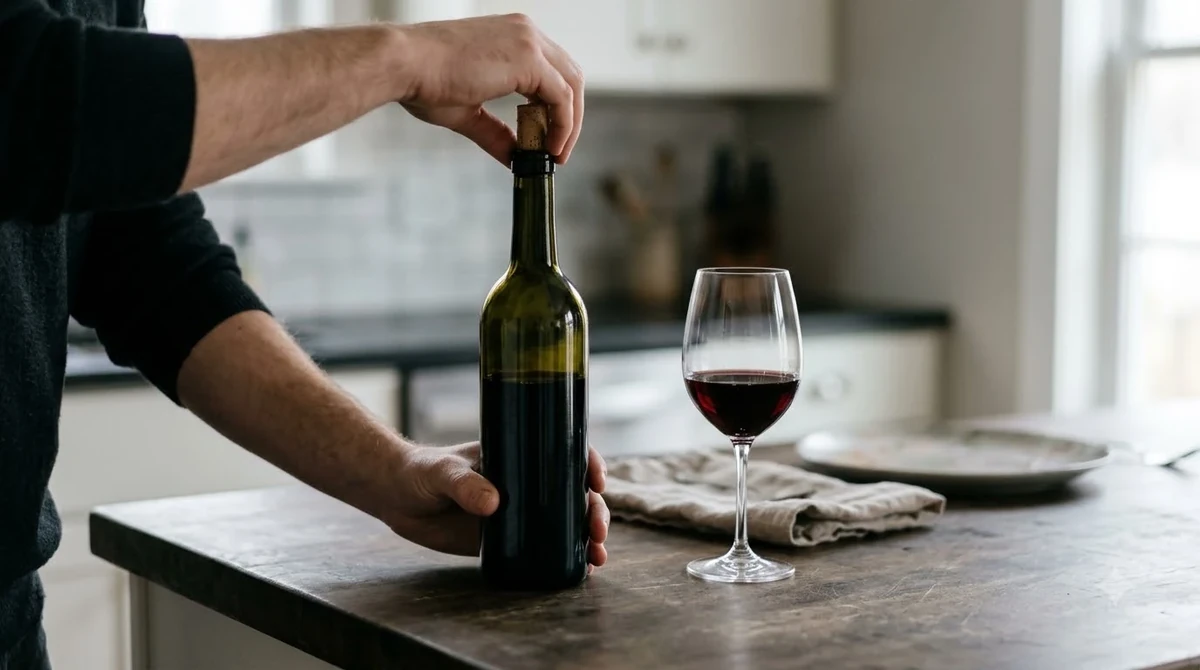
Cabernet Sauvignon is generally associated with relatively high tannin, dark fruit, and enough structure to accompany substantial foods. The 14 Hands interpretation emphasizes approachable fruit and a softer presentation than particularly firm, heavily structured Cabernet styles. Its official description highlights dark cherry, black currant, coffee, and subtle spice.
Fruit character
Dark cherry and black currant are the most consistent reference points in the producer’s description. These flavors are typical of Cabernet Sauvignon and help establish the wine’s recognizable red-wine character.
Marketview Liquor adds another perspective, identifying red currant, raspberry, spiced cherry, plum, and cocoa in its listing. Differences between tasting descriptions are normal because retailers may use different language to communicate the same wine’s aromatic and flavor characteristics.
Body and tannins
The producer describes the Cabernet as rich and juicy, with refined tannins. Marketview classifies its listing as full-bodied and dry, while the official description emphasizes its approachable character. These descriptions provide useful context, although individual impressions can differ according to serving temperature, glassware, and food.
Cabernet Sauvignon typically has more tannin than varieties such as Pinot Noir or Merlot. Tannin contributes a drying sensation around the gums and inside the cheeks. In a food pairing, salt and fat can soften that sensation, which is one reason Cabernet Sauvignon frequently works with grilled meats and rich cheeses.
Oak and spice
The producer mentions a touch of oak rather than presenting oak as the central feature of the wine. Subtle spice also appears in the official tasting description. These details help explain why the wine can accompany grilled foods and savory dishes without requiring a particularly elaborate meal.
Buyers who enjoy pronounced vanilla, toasted wood, or very smoky barrel characteristics should avoid assuming that this bottle will deliver an intensely oak-driven experience. The producer’s description emphasizes fruit, coffee, subtle spice, and refined tannins instead.
How it compares with other Cabernet styles
Not every Cabernet Sauvignon offers the same balance of fruit, acidity, tannin, and oak. Some premium examples emphasize concentrated fruit and firm structure, while other affordable bottles favor straightforward fruit expression and immediate drinkability.
14 Hands fits the latter shopping purpose. Its Columbia Valley origin gives it a recognizable Washington wine identity, while its tasting profile makes it suitable for people who want a conventional Cabernet experience without pursuing a particularly expensive bottle. Buyers who want more background on the brand can explore our overview of 14 Hands wine.
Common Mistakes When Comparing Prices
Several common shopping mistakes can make a normal bottle appear unusually expensive or inexpensive. The most important are comparing different bottle sizes, overlooking regional availability, and confusing different wines within the same brand.
Comparing different bottle volumes
A 750 ml bottle should be compared with another 750 ml bottle, not a larger format or a multipack. The total displayed price alone does not tell shoppers how much wine they are receiving.
For a straightforward comparison, use the bottle volume and calculate the cost per milliliter when necessary. A 750 ml bottle contains approximately 25.4 US fluid ounces. Keeping the volume consistent eliminates one of the most obvious sources of confusion.
Confusing Cabernet Sauvignon with a red blend
14 Hands sells more than one wine style. A bottle carrying the same brand name is not necessarily the same product as its Cabernet Sauvignon. Red blends may contain different grape varieties and offer different flavor profiles.
Always distinguish the Cabernet Sauvignon from other red wines in the range. The specific grape variety matters because Cabernet generally has more tannin and a different structure from softer varieties such as Merlot.
Assuming every retailer has identical stock
Retail inventory changes, and product listings do not always update at the same time. One store may have a particular vintage available while another displays a different release or temporarily has no stock.
Online product pages are useful for comparisons, but local store availability should be verified before traveling or arranging delivery. Total Wine specifically warns that its displayed price, vintage, and availability may vary by store.
Judging value from the price alone
A lower shelf price is not automatically a better purchase. The wine should also suit the buyer’s preferred style, intended meal, and occasion. Someone looking for a straightforward fruit-forward Cabernet may find 14 Hands a sensible purchase, while someone seeking more complex structure may prefer a different bottle.
It is also a mistake to assume that a more expensive listing necessarily represents a superior vintage or a more carefully made wine. Retail prices reflect business and distribution conditions as well as the product itself. Compare the actual specifications and tasting profile rather than treating price as a quality score.
Care, Serving, and Storage Tips
Proper storage and serving temperature can make an everyday Cabernet more enjoyable. Store the bottle away from heat and direct sunlight, and serve it slightly cooler than typical warm room temperature.
Serving temperature
A full-bodied red wine is generally best served around 60 to 65 degrees Fahrenheit. This range helps preserve the wine’s fruit expression while keeping alcohol aromas from becoming overly prominent. Serving Cabernet too warm can make the alcohol feel more noticeable and the wine seem heavier.
If the bottle has been stored in a warm kitchen or dining area, a short period of refrigeration can help bring it into a more suitable serving range. Avoid serving it excessively cold, because low temperatures can mute aromas and make tannins seem firmer.
Decanting and aeration
Decanting is not essential for every bottle of 14 Hands Cabernet Sauvignon. However, young, full-bodied red wines can benefit from approximately 30 to 60 minutes of aeration when their aromas seem closed or their structure feels particularly firm.
Pouring a small amount into a glass and allowing it to sit for several minutes is another simple approach. This lets the aromas develop without requiring a separate decanter. For casual meals, opening the bottle shortly before dinner is often sufficient.
Food pairing
The producer recommends barbecue pork, grilled portobello mushrooms, lasagna, and hearty cheeses. These suggestions make sense because the wine’s dark fruit and refined tannins can complement savory foods and richer textures.
Other suitable options include grilled steak, roasted lamb, and tomato-based pasta. The acidity in tomato sauces is an important consideration: a wine with enough acidity is generally a better match for acidic dishes. Salt and fat can also soften Cabernet’s tannins, which makes aged cheddar and other substantial cheeses useful companions.
Spicy dishes require more care. Alcohol and tannin can amplify chili heat, so heavily spiced food may overwhelm the wine’s fruit. If the meal includes substantial chili or hot sauce, a less tannic wine may provide a more comfortable match.
Storing an opened bottle
After opening, close the bottle securely and refrigerate it. Most opened still wines remain in reasonable drinking condition for approximately three to five days, although freshness depends on oxygen exposure, storage temperature, and the wine’s condition.
For unopened bottles intended for longer storage, a cool, dark location near 55 degrees Fahrenheit is a useful target. Bottles with natural cork closures are generally stored horizontally to keep the cork from drying out. Avoid areas near ovens, radiators, sunny windows, or appliances that generate heat.
14 Hands Cabernet Sauvignon is primarily an accessible everyday purchase, so there is little reason to treat a regular bottle as a long-term cellar investment. Buying it for an upcoming meal and storing it properly is a practical approach for most shoppers.
Frequently Asked Questions
Does 14 Hands Cabernet Sauvignon contain residual sugar?
Marketview Liquor classifies its listed Cabernet Sauvignon as dry. A dry wine can still taste fruity because fruit aromas and flavors are not the same as residual sugar. The exact residual-sugar figure is not provided on the producer’s standard Cabernet product page.
Is 14 Hands Cabernet Sauvignon suitable for a wine gift?
It can work as a casual wine gift for someone who enjoys approachable Washington Cabernet Sauvignon. Its familiar grape variety and recognizable dark-fruit profile make it relatively straightforward to choose. For a formal milestone or a collector’s gift, a more distinctive regional or reserve bottling may be more appropriate.
How many servings are in a standard bottle?
A standard 750 ml bottle contains approximately five traditional 5 oz wine servings. The actual number of glasses depends on the amount poured and the glass size. Larger restaurant-style pours will produce fewer servings from the same bottle.
Can 14 Hands Cabernet Sauvignon be used for cooking?
Yes. A dry Cabernet can be used in dishes such as beef braises, red-wine pan sauces, and slow-cooked stews. Its dark-fruit character can complement savory ingredients, although reducing wine concentrates its acidity and flavor, so it should be added gradually to the recipe.
Does Columbia Valley have a specific climate influence on Cabernet Sauvignon?
Columbia Valley is a large Washington wine-growing region characterized by relatively dry conditions and substantial seasonal temperature variation. Irrigation is important in much of the region’s viticulture. These growing conditions help explain why Washington Cabernet Sauvignon can develop ripe fruit character while retaining useful structure.
For most US shoppers, 14 Hands Cabernet Sauvignon is a practical everyday red, with a typical 750 ml retail price around $10 to $15 depending on the retailer and location. Its Columbia Valley origin, 13.5% ABV, dark-fruit character, and approachable tannins make it a straightforward choice for casual meals and entertaining. Compare local listings, confirm the bottle size, and choose the retailer that offers the best overall value and availability.
More in Wine Brands
 Louis Latour Wine Price: Compare Bottles by Style and TierUpdated Nov 20, 2026
 Yellow Tail Moscato Price: What to Expect Before You BuyUpdated Nov 20, 2026
 Sutter Home Sweet Red Review: Find the Right Food PairingsUpdated Nov 20, 2026
 Franzia Chillable Red Review: Find the Right Serving StyleUpdated Nov 20, 2026
 Veuve Clicquot Rose Review: Flavor, Food Pairings and Buying AdviceUpdated Nov 20, 2026
 Rombauer Wine Price: Compare Bottles Before You BuyUpdated Nov 20, 2026