


We may earn a commission when you buy through links on this page, at no extra cost to you. Learn more.
The austin hope cabernet price typically falls around $50 to $65 for a standard 750 ml bottle in the United States. Retail listings and vintage differences can move the cost outside that range, while larger formats and Reserve bottlings occupy different price categories. Comparing bottle size, vintage, and retailer pricing helps determine whether a particular offer represents reasonable value.
Austin Hope Cabernet Sauvignon is a recognizable Paso Robles red made in a rich, full-bodied style. Its combination of dark fruit, oak influence, concentrated flavor, and polished tannins places it above many everyday Cabernet Sauvignon choices. However, the price is not fixed across every retailer, and the difference between a standard bottle, a Reserve bottling, and a large-format release can be substantial. This guide explains typical American retail pricing, what influences the cost, and how to make a more informed purchase.
Who This Price Guide Is For
This guide is for shoppers comparing Austin Hope Cabernet Sauvignon against other premium California reds, deciding whether a retailer’s asking price is reasonable, or choosing a bottle for a special dinner. A standard 750 ml bottle is the most useful starting point because it provides a consistent comparison across retailers and vintages.
Austin Hope appeals particularly to drinkers who enjoy concentrated Cabernet Sauvignon with ripe blackberry, black cherry, plum, vanilla, and noticeable oak influence. Its full-bodied character and relatively generous fruit profile make it an appealing option for people who prefer a powerful California red rather than a lighter, more restrained Cabernet style.
It is also useful for shoppers who already know the producer but are uncertain about the difference between the regular Cabernet and its Reserve bottling. These are not interchangeable products. The producer presents Reserve Cabernet as a separate wine, so comparing their prices requires considering the individual bottling rather than assuming that every bottle carrying the Austin Hope name has the same production positioning.
Price-conscious shoppers should pay particular attention to bottle size and vintage. A listing for a 1-liter bottle cannot be compared directly with a 750 ml bottle simply by looking at the displayed total. Similarly, a higher price for an older vintage does not automatically mean better drinking quality or better value.
The guide is also useful for gift buyers. A recognizable Paso Robles Cabernet with a substantial presentation can work well for a steak dinner, a holiday gathering, or a wine-loving host. However, the best purchase depends on whether the recipient enjoys bold, fruit-forward reds and whether the bottle fits the intended occasion.
Key Factors to Compare Before Buying
The most important comparison points are bottle size, vintage, wine category, retailer pricing, and the producer’s style. A typical 750 ml Austin Hope Cabernet sits in the approximate $50 to $65 retail range, but those five factors explain why individual listings can differ.
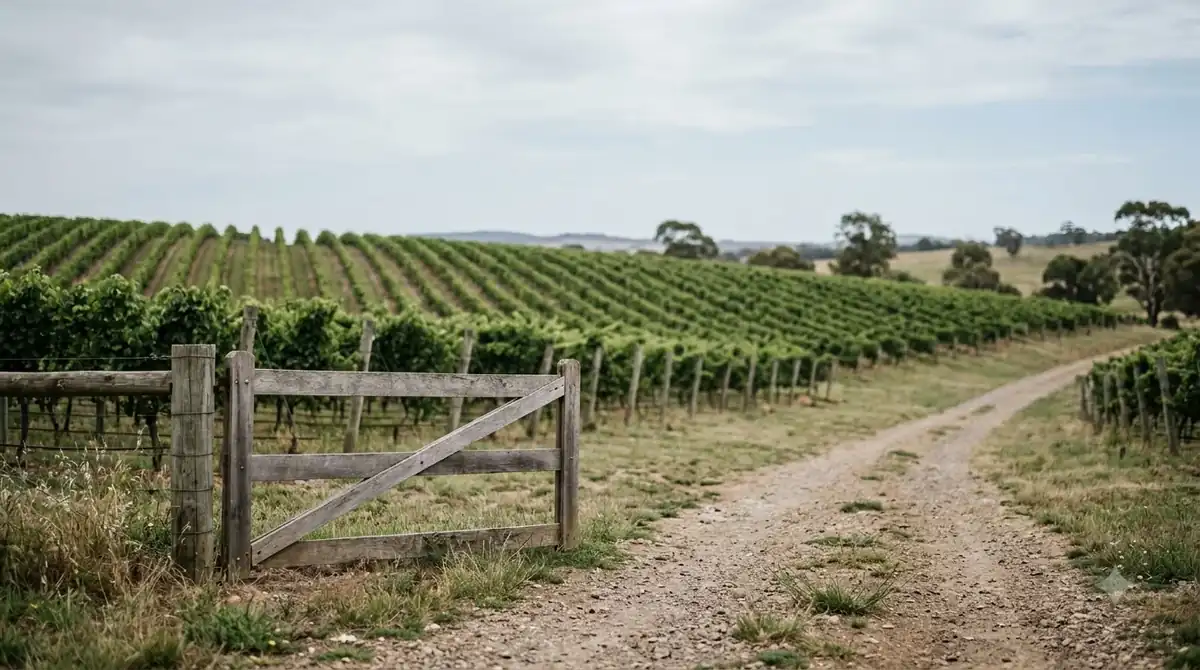
Retail examples provide a useful reference. Total Wine lists a 750 ml bottle at approximately $52.99, while Sam’s Club displays approximately $54.58 for its 750 ml listing. Wine Enthusiast provides a $62 reference price for its reviewed 2023 vintage. Together, these examples support a practical shopping expectation of roughly $50 to $65 rather than one universal shelf price. These are retailer and publication references, not guaranteed nationwide prices. Prices vary by state and retailer.
| Comparison factor | Typical reference | What to consider |
|---|---|---|
| Standard bottle | 750 ml | Best baseline for price comparisons |
| Common retail range | About $50–$65 | Compare the same bottle size and wine category |
| Smaller bottle | 375 ml | Compare cost per 750 ml equivalent |
| Large bottle | 1 liter | Contains 250 ml more than a standard bottle |
| Magnum | 1.5 liters | Equivalent to two standard 750 ml bottles |
| Jeroboam | 3 liters | Equivalent to four standard 750 ml bottles |
| Alcohol in reviewed vintage | 15% ABV | Wine Enthusiast’s reviewed 2023 bottling |
| Oak aging in retailer description | 16 months | Sam’s Club listing specifies 75% new French oak |
Vintage is another important factor. Different growing seasons can affect grape ripeness, concentration, balance, and the character of the finished wine. A retailer may carry multiple vintages at different prices, and the producer may release different bottle formats at the same time. Comparing two bottles requires confirming that they represent the same wine category and a reasonably comparable vintage.
Retailer pricing also reflects distribution, location, inventory, and local alcohol regulations. Total Wine explicitly notes that its price, vintage, and availability can vary by store. Sam’s Club similarly notes that online and club prices can differ. A displayed national or online listing therefore provides a reference, not a promise that every store will charge the same amount.
For a useful external reference, consult Wine Enthusiast’s Austin Hope Cabernet review. It provides a vintage-specific price reference and describes the wine’s aromas, flavors, alcohol level, and texture. Those details help explain what the retail cost is buying rather than reducing the decision to a number alone.
Tip: Compare the cost per 750 ml equivalent before deciding that a larger bottle is better value. A 1.5-liter magnum contains twice as much wine as a standard 750 ml bottle, but its total price should still be compared with the combined cost of two standard bottles.
Step-by-Step: How to Find a Reasonable Bottle Price
A reliable purchase begins with identifying the exact Austin Hope bottling and then comparing equivalent listings. A few simple checks can prevent confusion between regular Cabernet Sauvignon, Reserve Cabernet, different vintages, and larger formats.
-
Confirm the wine name.
Start with Austin Hope Cabernet Sauvignon rather than searching only for Austin Hope wine. The producer offers several wines under the Austin Hope name, including Cabernet Sauvignon, Chardonnay, Sauvignon Blanc, and Reserve Cabernet. A search that does not specify the wine can return unrelated products with very different prices.
-
Identify the bottle size.
Use 750 ml as the standard comparison. A 375 ml bottle contains half that volume, while a 1-liter bottle contains one-third more. A 1.5-liter magnum contains twice as much as the standard bottle. This simple check prevents an apparently expensive large bottle from being compared unfairly with a smaller one.
-
Compare the vintage.
Record the vintage shown on each listing. A 2023 bottle and a 2024 bottle may have different availability and retailer pricing. The producer’s official collection and retailer descriptions can help distinguish individual releases. Avoid assuming that a difference in price is caused only by quality or age.
-
Separate regular Cabernet from Reserve.
Reserve Cabernet is a distinct product in the producer’s collection. Check the full product name before comparing prices. A Reserve listing should not be treated as a standard Cabernet listing simply because both bottles carry the Austin Hope label.
-
Check several retailers.
Compare a wine specialist, a large grocery or general retailer where alcohol sales are permitted, and a warehouse retailer. Total Wine and Sam’s Club provide useful examples of how listings can differ. Availability, local regulations, and delivery eligibility may vary.
-
Calculate the volume-adjusted cost.
Divide the displayed bottle price by the bottle’s volume in milliliters, then multiply by 750. This gives a standardized 750 ml equivalent. For example, a 1-liter bottle should be compared using 750 divided by 1,000 multiplied by its displayed price.
-
Consider the drinking occasion.
A standard bottle is practical for a dinner for two or a small gathering. A magnum is more suitable for a larger celebration. If the bottle is intended as a gift, the presentation and wine style may matter more than finding the lowest listed price.
-
Make the final comparison.
Choose the bottle that offers the best combination of matching vintage, correct format, reliable retailer information, and preferred wine style. A modest difference between two comparable listings may not justify choosing a less convenient seller or a bottle with uncertain storage history.
These steps are particularly useful when online search results display multiple Austin Hope wines together. The regular Cabernet, Reserve Cabernet, and other wines in the collection should each be evaluated separately.
Types and Bottle Styles Explained
Austin Hope Cabernet pricing becomes easier to understand once the different products and formats are separated. The standard Cabernet Sauvignon is the main reference point, while Reserve Cabernet and larger bottles require their own comparisons.
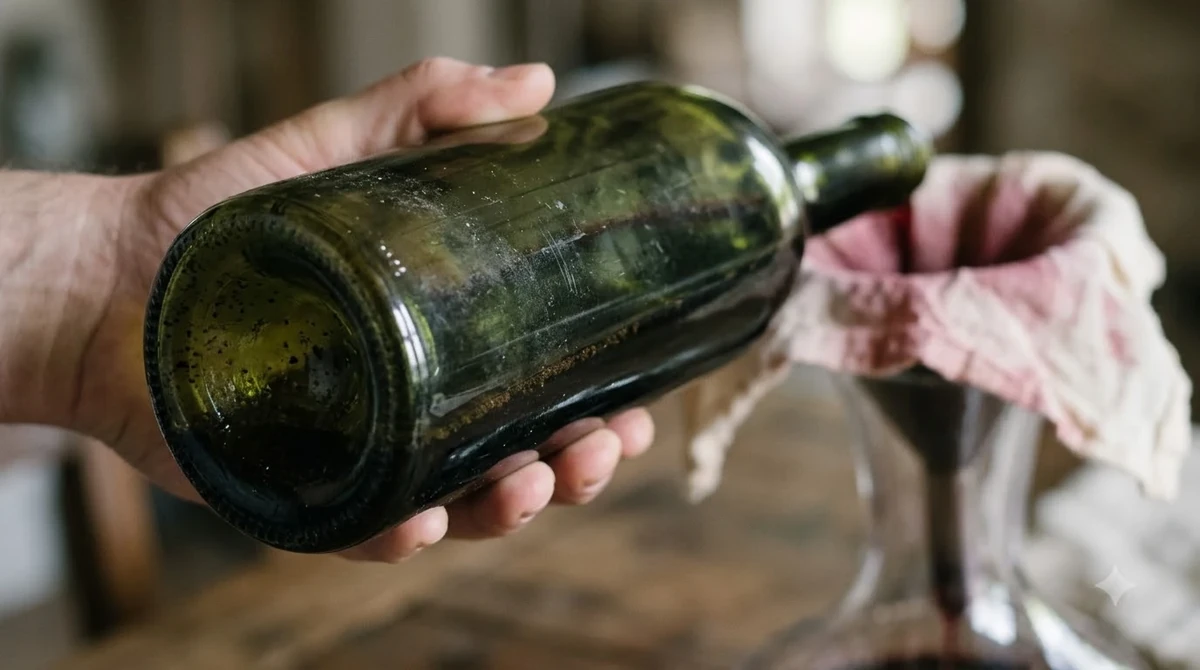
Standard Austin Hope Cabernet Sauvignon
The standard Cabernet Sauvignon is the most relevant bottle for shoppers searching for the usual Austin Hope retail price. It is a Paso Robles red characterized by ripe dark fruit, substantial body, and polished tannins. Total Wine describes plum, blackberry, cherry, and velvet tannins, while the producer emphasizes dark fruit, warm spice, cocoa, and a balanced but generous overall style.
The standard 750 ml bottle is the sensible starting point for most buyers. Retail references from Total Wine, Sam’s Club, and Wine Enthusiast place comparable standard-bottle listings around the low-to-mid-$50s through the low-$60s. Actual prices vary by state and retailer.
Austin Hope Reserve Cabernet Sauvignon
Reserve Cabernet Sauvignon is a separate wine rather than another name for the standard Cabernet. The producer lists it independently, and its description emphasizes additional layers of ripe fruit, cocoa, earthy character, and structured tannins.
Retail listings also illustrate the difference in positioning. Total Wine’s broader Austin Hope collection lists Reserve Cabernet at a substantially higher level than its standard Cabernet listing. That difference makes it important to confirm whether a listing is for Reserve before treating it as an ordinary comparison.
Buyers considering Reserve should focus on the specific vintage, bottle format, and the intended drinking occasion. It may make more sense for someone specifically seeking the Reserve expression than for a shopper simply looking for the familiar Austin Hope Cabernet style.
Large-Format Bottles
The producer’s collection includes Austin Hope Cabernet in 1-liter, 1.5-liter, and 3-liter formats. These sizes can be attractive for parties, celebrations, and gifting, although the total purchase price will naturally be higher than for a standard bottle.
A 1.5-liter magnum contains two standard bottles, while a 3-liter bottle contains four. Large formats can provide an impressive presentation and reduce the number of bottles required for a gathering. However, the purchase decision should still account for the actual volume and whether the wine will be consumed within a suitable period after opening.
Vintage Differences
Vintage is important because Cabernet Sauvignon reflects the growing conditions of its particular harvest. Temperature patterns, rainfall, fruit development, and picking decisions influence the balance between fruit concentration, acidity, alcohol, and tannin.
Wine Enthusiast’s reviewed 2023 bottling is listed at 15% ABV, with aromas of black plum, fig, vanilla cookie, and spicecake. Its description also identifies black cherry, milk chocolate, and creamy tannins. These are useful vintage-specific details, but they should not automatically be applied to every bottle carrying the Austin Hope name.
For readers wanting a closer look at the wine itself, the austin hope cabernet tasting notes provide a useful next step. Understanding the wine’s fruit, oak, body, and tannin profile helps determine whether the price matches personal preferences.
Common Buying Mistakes
Several mistakes can make a normal Austin Hope listing appear unusually expensive or make a seemingly attractive offer less useful. The biggest problems involve confusing different wines, overlooking bottle sizes, and comparing different vintages without accounting for their differences.
Confusing Austin Hope With AUSTIN
One particularly important distinction is the difference between Austin Hope Cabernet Sauvignon and AUSTIN Paso Robles Cabernet Sauvignon. They are separate wine products, not simply different spellings of the same label. Retail listings show that AUSTIN Cabernet can occupy a much lower price category than the standard Austin Hope Cabernet.
Buyers should therefore search using the full product name. A search result for AUSTIN Cabernet Sauvignon is not a valid price comparison for Austin Hope Cabernet Sauvignon, even though both are associated with Paso Robles and the Hope Family Wines portfolio.
Comparing Different Bottle Sizes
A 1-liter bottle contains more wine than a 750 ml bottle, while a magnum contains twice the standard volume. Comparing total prices without adjusting for volume can produce a misleading conclusion.
Use the cost-per-750-ml calculation whenever a retailer lists an unusual size. It is particularly useful when the producer’s collection includes 1-liter and 1.5-liter formats alongside its standard 750 ml offering.
Assuming Every Vintage Costs the Same
Vintage availability changes as retailers sell through existing stock and receive newer releases. A store with an older vintage may list a different price from a store carrying a newer release. Wine Enthusiast’s vintage-specific review is a good example of why price references should be associated with the actual wine reviewed.
Do not assume that an older vintage must cost more or that a newer one must be better value. The important comparison is between the specific bottle, its provenance, its condition, and the price being requested.
Ignoring the Reserve Label
Reserve Cabernet is a separate product. A buyer who expects the standard Cabernet price may be surprised by a Reserve listing. Conversely, someone specifically seeking Reserve could accidentally order the standard bottling if the product name is shortened in a retailer’s search results.
Read the complete product name and distinguish the wine category before purchasing. This matters particularly when several Austin Hope wines appear together on the same retailer page.
Judging Value Only by Price
A lower price is not automatically the better purchase. A retailer may offer a different vintage, bottle format, or wine category. Storage conditions and seller reliability also matter, particularly for bottles intended for longer-term cellaring.
A reasonable purchase balances price, the intended occasion, bottle condition, and the wine’s flavor profile. For a dinner featuring grilled steak, a full-bodied Cabernet may be a more suitable choice than a less expensive wine with a completely different structure.
Serving and Storage Tips
Good serving and storage practices help preserve the qualities that make a premium Cabernet appealing. For Austin Hope, a temperature around 60–65°F, appropriate glassware, and careful bottle storage are practical starting points.
Serve at the Right Temperature
Full-bodied red wines generally show well around 60–65°F. Serving Austin Hope too warm can make its alcohol seem more prominent and its flavors feel heavier. Serving it slightly cooler helps maintain freshness and makes the wine’s fruit, tannin, and oak more balanced.
A bottle stored at ordinary room temperature may benefit from a short period in the refrigerator before serving. The goal is not to make the wine cold, but to avoid serving it excessively warm.
Allow the Wine to Breathe
Young, full-bodied Cabernet Sauvignon can benefit from decanting for approximately 30–60 minutes. Exposure to air can help the wine open up and make its aromas more expressive. This is particularly useful when serving a rich Paso Robles Cabernet with concentrated fruit and noticeable oak influence.
A decanter is helpful but not essential. Pouring a small glass and allowing the wine to develop in the glass is another practical approach. The ideal amount of aeration depends on the individual bottle and its condition.
Choose Suitable Food Pairings
Austin Hope’s fruit concentration and Cabernet structure make it a natural match for rich foods. Grilled steak, roasted lamb, beef short ribs, and smoked meats provide substantial flavors that work well with the wine’s tannins and dark-fruit character.
Hard cheeses and aged cheddar can also complement a full-bodied Cabernet. Salt and fat soften the perception of tannin, which helps explain why a structured red can work particularly well with rich meat dishes.
For a simpler meal, try mushroom dishes, roasted vegetables, or a hearty beef stew. Avoid extremely spicy preparations if the wine’s alcohol and tannin feel prominent, as chili heat can intensify those sensations.
Store Unopened Bottles Properly
Keep unopened bottles in a cool, dark location with a reasonably stable temperature. Around 55°F is a useful long-term storage target. Avoid direct sunlight, frequent temperature changes, and locations near ovens or other heat sources.
For cork-finished bottles intended for longer storage, horizontal positioning keeps the cork in contact with the wine. A dedicated wine refrigerator or cellar offers more consistent conditions than an ordinary kitchen cabinet.
Preserve Leftovers
Once opened, reseal the bottle and refrigerate the remaining wine. Most opened still wines are best consumed within approximately three to five days, depending on the wine and storage conditions. Bring the remaining Cabernet closer to its serving temperature before pouring another glass.
For a full-bodied wine like Austin Hope, a vacuum stopper can help reduce oxygen exposure. Smaller storage bottles can also reduce the amount of air remaining above the wine. These measures will not preserve an opened bottle indefinitely, but they can help maintain its flavor over several days.
Remember that a 750 ml bottle provides approximately five standard 5 oz pours. This is a useful planning figure for a dinner party and helps determine whether a standard bottle or larger format is more appropriate.
Frequently Asked Questions
Is Austin Hope Cabernet Sauvignon a Paso Robles wine?
Yes. The standard Austin Hope Cabernet Sauvignon is identified with Paso Robles in California’s Central Coast region. Paso Robles has a diverse collection of wine-growing districts and is known for both Bordeaux varieties and Rhône-style grapes.
Is Austin Hope Cabernet made entirely from Cabernet Sauvignon?
The wine is presented and marketed as Cabernet Sauvignon, but the exact grape composition can depend on the particular vintage and production specifications. A varietal wine name does not necessarily establish that the bottle contains exactly 100% of that grape under US labeling rules.
Does Austin Hope Cabernet need to be aged before drinking?
No extended home-aging period is required to enjoy a bottle. The wine can be served upon purchase, although individual bottles may develop additional complexity with suitable cellar storage. Vintage, storage history, and personal preference all influence whether additional aging is worthwhile.
How many servings are in a standard Austin Hope bottle?
A 750 ml bottle contains approximately five standard 5 oz servings. A 1-liter bottle provides approximately 6.7 such servings, while a 1.5-liter magnum provides approximately ten.
Can Austin Hope Cabernet be given as a wine gift?
Yes. Its recognizable producer name, Paso Robles origin, and full-bodied Cabernet style make it a suitable gift for someone who enjoys substantial California reds. A magnum or larger format can be particularly appropriate for a group celebration, while a standard bottle is easier to present as an individual gift.
For most shoppers, the standard Austin Hope Cabernet Sauvignon is best evaluated against a typical US retail expectation of approximately $50 to $65 for 750 ml, with vintage, format, and retailer explaining the differences. Compare equivalent bottles, confirm the Reserve distinction, and consider the wine’s rich Paso Robles style before making a decision. For more information about the producer’s broader range, explore Austin Hope wine or browse our wider Wine Brands resources.
More in Wine Brands
 Louis Latour Wine Price: Compare Bottles by Style and TierUpdated Nov 20, 2026
 Yellow Tail Moscato Price: What to Expect Before You BuyUpdated Nov 20, 2026
 Sutter Home Sweet Red Review: Find the Right Food PairingsUpdated Nov 20, 2026
 Franzia Chillable Red Review: Find the Right Serving StyleUpdated Nov 20, 2026
 Veuve Clicquot Rose Review: Flavor, Food Pairings and Buying AdviceUpdated Nov 20, 2026
 Rombauer Wine Price: Compare Bottles Before You BuyUpdated Nov 20, 2026