

We may earn a commission when you buy through links on this page, at no extra cost to you. Learn more.
Sutter Home wine is an American brand known for approachable, fruit-forward bottles, especially its White Zinfandel and Moscato. The label, now run by Trinchero Family Estates, offers a wide range of varietals, from crisp whites to soft reds, at everyday prices. Most bottles are made for easy drinking and casual meals rather than long cellaring.
This guide explains where Sutter Home came from, what the lineup includes, how the wines taste, and how to serve and pair them. It is written for shoppers who see the name on a store shelf and want to know what they are actually buying.
Where Sutter Home Came From
The winery’s own “Our Roots” page traces the property back to 1890. It notes that the operation closed during Prohibition and that the Trinchero family reopened it in 1948. The family name is still tied to the brand, and the company now operates as Trinchero Family Estates.
Much of the brand’s modern identity comes from one happy accident in the 1970s. According to the same company history, the first White Zinfandel was made in 1972 from the runoff juice of a concentrated Amador County Zinfandel, and that early batch was dry. A stuck fermentation in the 1974 vintage left the wine light pink with about 2 percent residual sugar, and customers liked the sweeter, rosy style so much that it became the house signature.
The Sutter Home Lineup
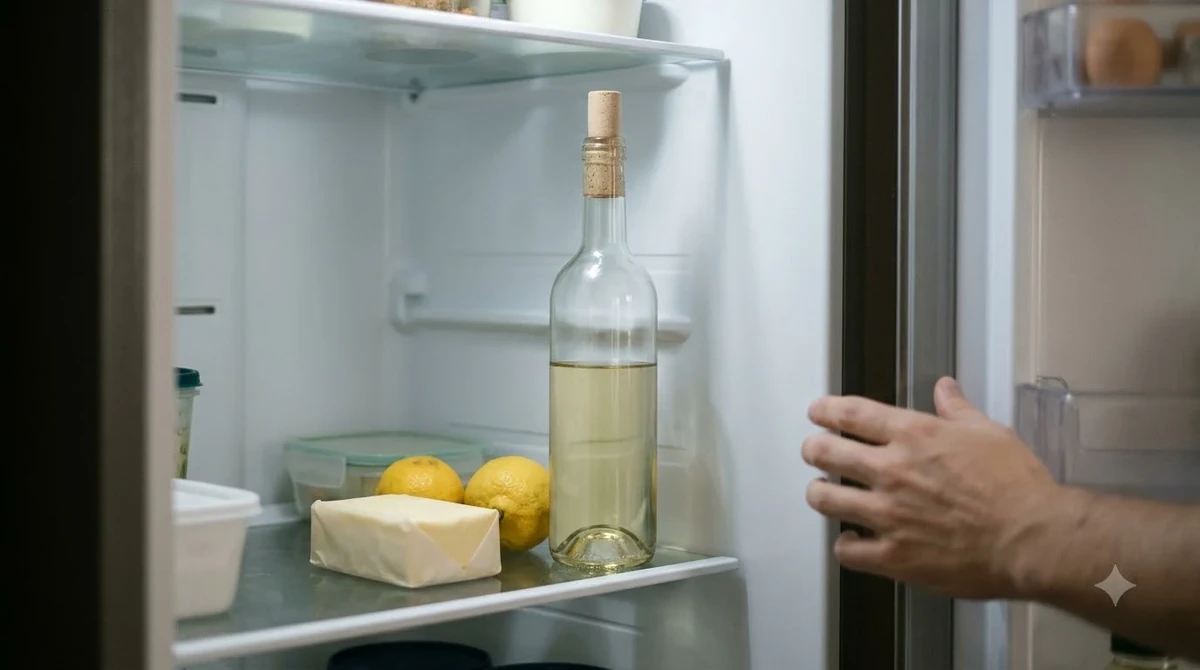
The range is broad. The company describes more than 20 varieties, including Chardonnay, Cabernet Sauvignon, Merlot, Moscato and Sangria. Each family has its own sweetness level, so a shopper can move from a fruity, sweet pink to a dry red without leaving the brand.
The sweeter bottles, especially White Zinfandel and Moscato, are the best-known part of the line. The reds and Chardonnay tend to be less sweet, although the exact feel depends on the specific bottling. The label on each bottle is the best guide to sweetness, because a single varietal name can cover several styles.
| Style | What to expect | Sweetness | Good with |
|---|---|---|---|
| White Zinfandel | Light pink, berry and melon notes, easy to sip | Clearly sweet | Spicy takeout, fruit desserts |
| Moscato | Floral, aromatic, lightly fruity | Sweet | Fresh fruit, soft cheeses |
| Chardonnay | Round, with ripe orchard fruit | Varies by bottling | Roast chicken, creamy pasta |
| Cabernet Sauvignon | Dark fruit with soft tannin | Dry | Burgers, hearty stews |
How the Wines Taste
Sutter Home is built around fruit. Sweet styles lean toward strawberry, cherry and tropical notes, while the dry reds show plum and dark berry flavors with a mild, rounded finish. The wines are designed to be easy on the palate, so they rarely have the sharp acidity or heavy oak that some wine enthusiasts look for.
That approach suits people who are new to wine or who prefer a sweeter glass. It may feel too simple for someone who wants layered complexity, and that is fine. The brand is judged best on whether it does what it promises: a consistent, pleasant bottle at a familiar price point.
Texture also changes the experience. Sweeter whites and pinks feel smooth and round, while dry reds leave a slight grip on the gums from their tannin. Shoppers who want a softer red can look for lighter-bodied varieties in the lineup, and those who want more structure should choose the Cabernet Sauvignon.
How to Serve Sutter Home Wine
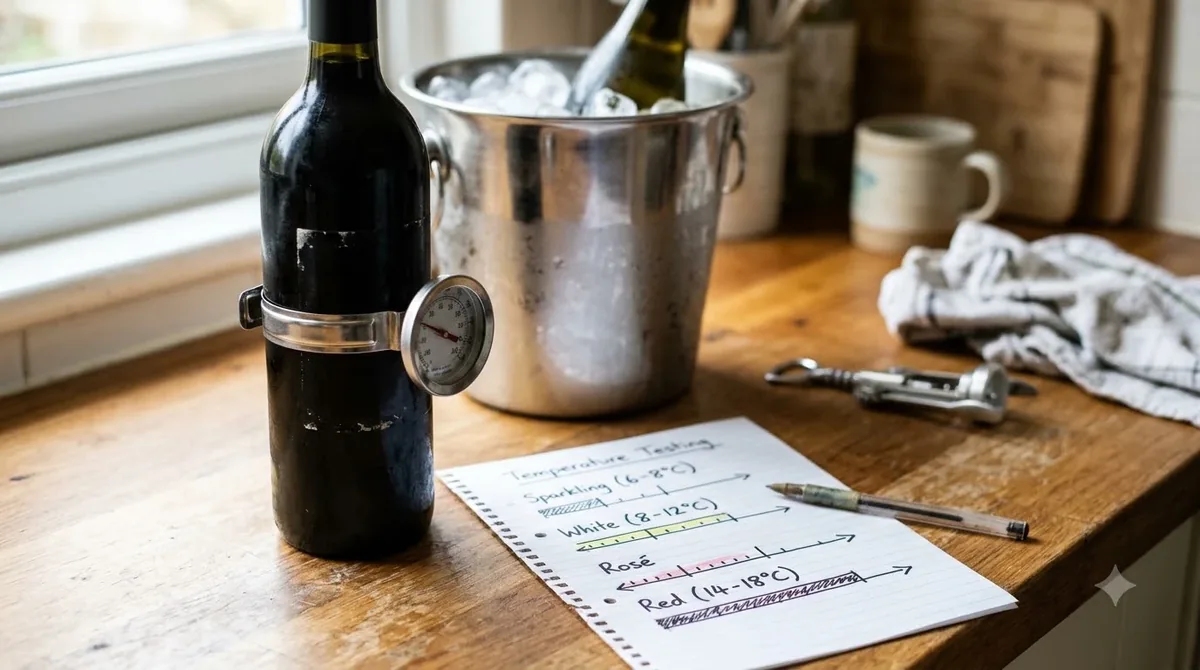
Serve the whites and pinks well chilled. A cold glass keeps the sweetness in balance and brings out the fresh fruit. A short time in the refrigerator before dinner is usually enough, and an ice bucket works well for a party.
Reds taste better when they are slightly cooler than the room, not warm. A short rest in the refrigerator before pouring can soften a red that has been sitting on a warm counter. Standard wine glasses are fine for every style, although a larger bowl lets the aroma open up in the sweeter whites.
Once a bottle is open, recork it, keep it cold if it is a white or pink, and finish it within a few days. Sweeter wines tend to hold their flavor a little longer than delicate dry whites, but none of them improve after opening.
Food Pairings That Fit the Style
The easiest rule is to match sweetness with heat and richness. A sweet pink or Moscato cools down spicy dishes, so it pairs well with Thai takeout, mild curries or barbecue with a sweet glaze. Fruit desserts such as berry crumbles or peach cobbler also work with the sweeter styles.
A sweet pink also works as a bridge for guests who are curious about red wine but not yet sure they like tannin. Serving a chilled White Zinfandel with a light cheese plate and some sliced fruit gives a relaxed start to the evening, and a dry red can follow once the table is ready for the main course.
The dry reds fit simple, savory meals. Burgers, grilled sausages and a weeknight pot of beef chili all match the soft fruit and tannin in a Cabernet Sauvignon. Keep the red lighter for fish or chicken, where a heavy wine would overpower the food.
How to Choose the Right Bottle
Start with the goal for the evening. If the wine is for a crowd that includes people who rarely drink wine, a sweeter pink or Moscato tends to win over the most guests. If the bottle is for a dinner where the food is the main event, a dry red or a crisp white usually works better, because it leaves room for the meal.
Read the front label first for the variety and the back label for the producer. The variety tells you the grape, and the bottling notes tell you whether the wine is sweet, dry or somewhere in between. Those two details prevent most surprises at the table.
Price is usually a sign of volume rather than quality in this category, so a good choice is the bottle that matches your taste. Buying two or three different styles in one trip is a practical way to find out which family you prefer before you commit to a case.
Tip: If a bottle tastes too sweet, pour it over ice with a squeeze of lime. The acid and dilution make the fruit feel brighter and less cloying.
Frequently Asked Questions
Is Sutter Home wine sweet?
Some of it is. White Zinfandel and Moscato are the sweetest and most widely known styles. The dry reds and many whites are less sweet, so checking the variety and bottling on the label helps you choose.
Is White Zinfandel the same as Zinfandel?
No. Zinfandel is usually a bold red. White Zinfandel is made from the same grape but is pressed so that very little skin color transfers, which gives a pale pink, lighter wine. The sweeter style is what made the Sutter Home version famous.
Does Sutter Home make dry wine?
Yes. The lineup includes dry options such as Cabernet Sauvignon, Merlot and some whites. Shoppers who prefer dry wine should look for those varieties and read the label for sweetness.
How long does an opened bottle last?
Most opened table wines keep for only a few days when they are resealed and stored cold. Whites and pinks should go in the refrigerator, and reds are best kept cool and out of direct sunlight.
Sutter Home is a practical starting point for anyone who wants a familiar, easy bottle. If you are exploring more brands in the same price range, the wine brands guide compares other names, and the Barefoot wine page covers a similar budget label. For a sweeter pick, the Sutter Home Moscato guide explains that style in more detail.
More in Wine Brands
 Underwood Wine Price: Compare Bottles, Cans, and Pack SizesUpdated Nov 21, 2026
 Zenato Wine Price: Compare Styles and Choose the Right BottleUpdated Nov 21, 2026
 Zuccardi Wine Price: Compare Bottles and Find the Right RangeUpdated Nov 21, 2026
 Yellow Tail Moscato Review: Taste, Sweetness and Serving TipsUpdated Nov 21, 2026
 Wolf Blass Yellow Label Review: Choose Your Best StyleUpdated Nov 21, 2026
 Wolffer Estate Rose Review: Choose the Right Bottle for Your TableUpdated Nov 21, 2026