

We may earn a commission when you buy through links on this page, at no extra cost to you. Learn more.
The best sherry brands include González Byass, Lustau, Valdespino, Hidalgo-La Gitana, Barbadillo, Sandeman, and Bodegas Tradición, with each offering distinctive expressions of Spain’s famous fortified wine. González Byass is an excellent starting point for classic Fino, while Lustau provides an especially broad selection of styles. Valdespino and Hidalgo-La Gitana deserve attention for distinctive dry wines, and Bodegas Tradición is worth exploring for mature, complex bottles. The right choice depends less on a producer’s reputation alone than on whether you prefer crisp, bone-dry Sherry, nutty oxidative wines, or concentrated dessert styles.
Sherry has a much wider range than many American wine shoppers realize. Its selection stretches from pale, refreshing wines served with seafood to dark, intensely sweet bottles poured alongside chocolate and ice cream. Several historic producers make excellent examples, but their strengths differ. Understanding those differences makes it easier to choose a bottle that suits your food, budget, and familiarity with fortified wine. This guide explains the producers to know, the styles to compare, and the practical details that make buying Sherry simpler.
Who This Is For
The best Sherry producers appeal to several different types of wine drinkers, from newcomers looking for an approachable aperitif to experienced collectors searching for mature, distinctive bottles. Start with your preferred flavor profile and drinking occasion rather than choosing a famous label without understanding its style.
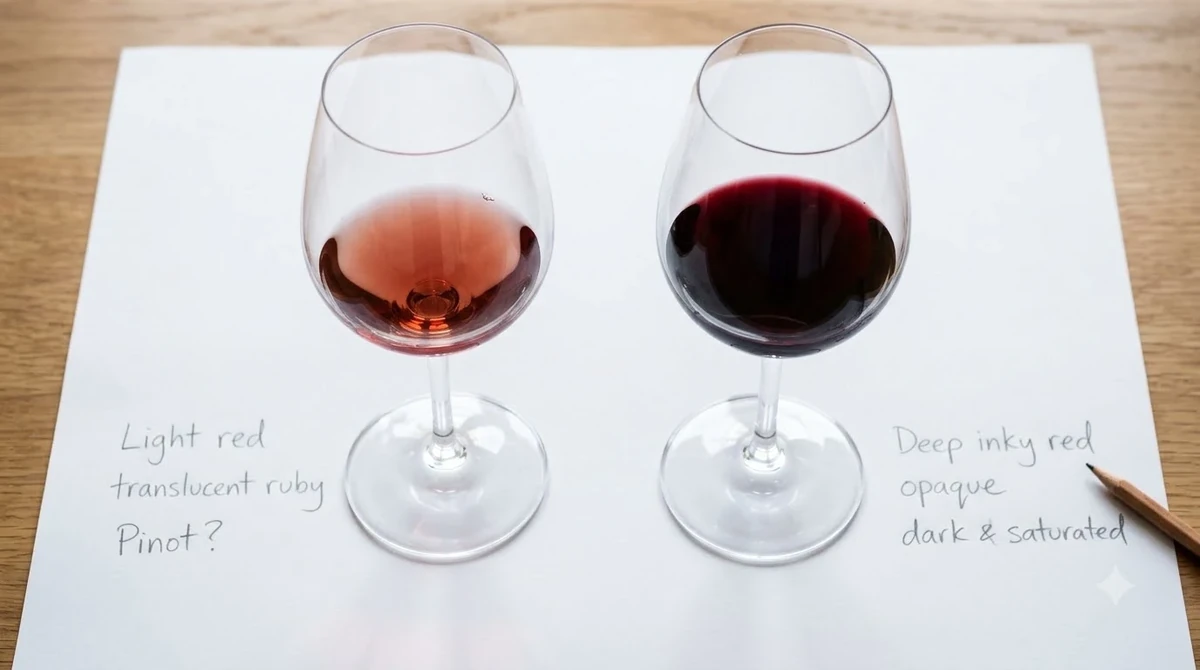
Newcomers should consider González Byass, especially its Tío Pepe Fino, or Hidalgo-La Gitana’s Manzanilla. Both provide useful introductions to dry Sherry. These wines are pale, refreshing, and designed to be served chilled. Their savory, nutty, and saline characteristics are quite different from the sweet, fruit-forward flavors many people associate with dessert wine.
Drinkers who already enjoy dry white wine, olives, seafood, and salty snacks may find Fino or Manzanilla particularly appealing. Those who prefer richer wines with roasted nuts, dried fruit, and deeper flavors should investigate Amontillado and Oloroso. Lustau is a useful producer to explore because its range covers several major categories rather than concentrating on one particular style.
Sweet-wine enthusiasts have another group of options. Pedro Ximénez, commonly shortened to PX, offers concentrated raisin, caramel, and dark-fruit characteristics. Producers such as González Byass and Lustau have recognizable PX bottlings, while Bodegas Tradición is a name worth considering for mature Sherry. These wines can accompany dessert, although they are also satisfying in small pours without food.
Collectors and experienced wine enthusiasts may want to look beyond widely distributed introductory labels. Valdespino, El Maestro Sierra, and Bodegas Tradición offer opportunities to explore distinctive production choices and more mature expressions. The important distinction is that a premium producer does not automatically make every bottle suitable for every occasion. A mature Oloroso and a young Fino serve different purposes, even when both come from highly regarded cellars.
Sherry is also a practical choice for people who enjoy experimenting with food pairings. Its range includes very dry, medium-sweet, and intensely sweet wines, so a single producer can sometimes supply bottles for different courses of a meal. Readers learning how to choose bottles across categories can also consult this wine-buying guide for broader shopping principles.
Key Factors to Compare
Compare Sherry brands by wine style, grape variety, aging method, sweetness, and serving occasion. These five factors provide a more reliable basis for choosing than producer reputation alone.

The first distinction is between biological and oxidative aging. Biological aging takes place under a protective layer of yeast called flor. It helps create the fresh, delicate, and savory character associated with Fino and Manzanilla. Oxidative aging exposes the wine to oxygen, developing deeper colors and flavors associated with walnuts, toasted nuts, leather, and dried fruit.
Grape variety is another useful consideration. Palomino is the principal grape for traditional dry Sherry. Pedro Ximénez and Moscatel are important for naturally sweet expressions. A PX bottle is generally a very different drinking experience from a Fino, even though both belong to the wider Sherry category.
Sweetness also deserves attention. Fino and Manzanilla are dry, while Amontillado, Oloroso, and Palo Cortado are commonly available as dry wines. Cream and medium styles are blended fortified wines, and PX is a naturally sweet category. A label’s style designation is therefore a useful first clue when comparing bottles.
| Buying factor | What to look for | Useful examples |
|---|---|---|
| Producer | Range and house style | González Byass, Lustau |
| Grape | Palomino for dry styles | Fino, Manzanilla |
| Sweet grape | Pedro Ximénez or Moscatel | PX, Moscatel |
| Biological aging | Flor protection | Fino, Manzanilla |
| Oxidative aging | Exposure to oxygen | Oloroso |
| Two-stage aging | Flor followed by oxygen | Amontillado |
| Serving temperature | Approximately 45–50°F | Fino, Manzanilla |
| Serving glass | Generous-bowled wine glass | All styles |
Producer breadth can make shopping easier. Drinks International’s survey of 106 internationally recognized bars identified González Byass as its leading Sherry brand, with Lustau in second place. The report also highlighted Sandeman, La Gitana, and Valdespino. These findings provide useful evidence of professional recognition, although they should not be treated as a universal ranking of every bottle or vintage.
Individual bottlings deserve separate consideration. The Wall Street Journal highlighted Hidalgo La Gitana Manzanilla, Lustau Dry Amontillado Los Arcos, Valdespino Inocente Fino, and El Maestro Sierra Fino among its recommended dry Sherries. That selection illustrates why a producer’s particular wine can matter more than the size or visibility of its overall brand.
For shoppers interested in the detailed differences between dry bottlings, this guide to dry Sherry provides a useful next step. It helps clarify why two bottles from the same producer can offer quite different experiences.
Tip: Buy according to the style designation first and the producer second. A dry Fino from a respected producer is a better starting point for someone seeking crisp aperitif wine than an expensive bottle of sweet PX, regardless of the producer’s reputation.
Step-by-Step
A straightforward buying process helps narrow the selection to a bottle that matches your taste. Follow these five steps before choosing between established Sherry producers.
-
Decide whether you want dry or sweet wine. This is the most important starting point. Choose Fino or Manzanilla for bone-dry, refreshing wine; Amontillado or Oloroso for richer dry wine; and PX for concentrated sweetness. If you enjoy traditional dessert wines, PX is a natural place to begin.
-
Choose the occasion. For an aperitif before dinner, consider Tío Pepe Fino or La Gitana Manzanilla. For a meal involving smoked foods, aged cheese, or roasted poultry, investigate Amontillado. For a richer main course, Oloroso can provide the structure needed to accompany strongly flavored dishes.
-
Shortlist two or three producers. González Byass and Lustau are practical starting points because their portfolios cover multiple styles. Add Valdespino if you are interested in distinctive Fino, or Hidalgo-La Gitana if Manzanilla is your priority. This keeps the initial search manageable.
-
Compare the individual bottlings. Look at the wine’s style, sweetness, alcohol content, and bottle size. A 375 ml bottle may be sufficient for a first exploration, while a 750 ml bottle makes more sense if several people will be sharing it. Do not assume that two wines from the same house have the same character.
-
Plan the serving conditions. Chill Fino and Manzanilla thoroughly, and serve richer oxidative wines slightly warmer. Use a suitable wine glass and prepare complementary food. A bottle that is served at the right temperature with appropriate food is easier to appreciate than one poured too warm or paired with unsuitable dishes.
For a first purchase, a simple two-bottle comparison can be more educational than buying several unrelated styles. Choose one Fino, such as Tío Pepe, and one Manzanilla, such as La Gitana. Taste them side by side with olives, almonds, and seafood to understand the differences between these related categories.
A second comparison can involve Amontillado and Oloroso. Both can be dry, but their aging methods create different structures and flavor profiles. This exercise is especially useful for shoppers who enjoy fuller-bodied white wines and want to understand what makes traditional Sherry distinctive.
Types or Styles Explained
Sherry’s main styles range from crisp, pale wines to deeply concentrated sweet expressions. Knowing the basic categories makes it easier to identify which producers are strongest for your preferred type of wine.
Fino: Fresh and Dry
Fino is one of the most useful entry points for someone exploring dry Sherry. Made primarily from Palomino, it develops under flor, producing a pale wine with fresh dough, almond, and sometimes saline characteristics. It is dry, refreshing, and generally best served cold.
González Byass is particularly recognizable in this category through Tío Pepe. The brand is associated with a classic Fino style and is a sensible starting point for shoppers who want a familiar producer. Valdespino is another important name. Its Inocente Fino is a distinctive single-vineyard expression that the Wall Street Journal described as light, saline, and tangy.
El Maestro Sierra is worth investigating for a richer interpretation of Fino. Its Fino was described in the Wall Street Journal as deeply colored and concentrated, with at least six years of aging under flor reported by the importer’s representative. This illustrates how production and aging choices can influence the expression of a wine within the same broad category.
Manzanilla: Saline and Refreshing
Manzanilla is closely related to Fino but comes specifically from Sanlúcar de Barrameda. Its coastal origins and biological aging give it a distinctive fresh, savory character. It is especially appealing with shellfish, olives, and other salty foods.
Hidalgo-La Gitana is one of the most recognizable producers in this category. Its La Gitana Manzanilla is known for a brisk, dry, saline character. Barbadillo is another important producer to investigate, particularly for shoppers interested in classic Manzanilla and en rama expressions.
Manzanilla works particularly well as an aperitif. Serve it at approximately 45–50°F with grilled shrimp, anchovies, oysters, or marinated olives. Its refreshing profile can also complement dishes containing lemon and fresh herbs.
Amontillado: Nutty and Complex
Amontillado combines two aging stages. It begins under flor and subsequently develops through oxidative aging, producing a wine with more depth and structure than a typical young Fino. Common characteristics include hazelnut, almond, herbs, and seasoned wood.
Lustau is a particularly useful name for this category. Its Dry Amontillado Los Arcos is an established example, described by the Wall Street Journal as full-bodied, dry, and marked by almond notes. It is a suitable choice for shoppers who want a dry Sherry with more weight than Fino.
González Byass is also worth considering for Amontillado. Its range includes more mature expressions for people interested in greater concentration and complexity. Pair this style with smoked foods, cured cheese, consommé, or roasted chicken.
Oloroso: Full and Oxidative
Oloroso is aged oxidatively from the beginning, without the initial biological aging stage associated with Fino and Amontillado. The result is generally fuller-bodied, with walnut, spice, leather, and wood characteristics. Although it can taste rich and rounded, traditional Oloroso is dry.
Lustau and González Byass are sensible producers to investigate. Both offer opportunities to explore more structured Sherry. Sandeman is another established fortified-wine name worth considering for shoppers interested in traditional Oloroso and related styles.
Oloroso is particularly useful at the dinner table. Its structure can accompany roasted meat, game, mushrooms, and hearty stews. Serve it slightly chilled rather than ice cold so its aromatic complexity remains apparent.
Palo Cortado: A Distinctive Middle Ground
Palo Cortado combines the aromatic delicacy associated with Amontillado and the structure and depth associated with Oloroso. It is an interesting category for experienced drinkers who want something more unusual than the familiar dry styles.
Lustau is a useful producer to explore because its portfolio includes Palo Cortado. Bodegas Tradición is another name for shoppers interested in mature, traditional bottlings. These wines can offer a more concentrated experience, making them particularly appropriate for a special meal or a focused tasting.
Pedro Ximénez and Cream: Sweet Choices
Pedro Ximénez, usually called PX, is a naturally sweet Sherry made from the Pedro Ximénez grape. Its dark color and concentrated raisin character make it one of the most recognizable dessert-wine styles from Spain. It can be intensely sweet, so small pours are generally sufficient.
González Byass and Lustau are useful starting points for PX. Both are recognized producers with established sweet-wine offerings. Bodegas Tradición is another name worth investigating for mature examples. PX is excellent with blue cheese, bitter chocolate, and vanilla ice cream.
Cream Sherry is a different category. It is a blended fortified wine, typically combining an oxidative base such as Oloroso with sweet wine. It is generally less intensely concentrated than some PX bottlings and offers a familiar option for people who prefer softer sweetness.
For readers who also enjoy sparkling wine, the contrast between fortified and sparkling categories can be interesting. Our guide to the best Prosecco brands explains another approach to choosing wine by style, producer, and occasion.
Common Mistakes
The most common Sherry-buying mistakes involve confusing sweetness with aging, assuming all Sherry tastes alike, and overlooking the importance of serving temperature. A little knowledge about production and style prevents most disappointing purchases.
The first mistake is assuming that all Sherry is sweet. Fino, Manzanilla, Amontillado, Oloroso, and Palo Cortado are commonly available as dry wines. PX and Moscatel are naturally sweet categories, while Cream and other blended styles offer different levels of sweetness. Sherry is a broad family of wines, not a single flavor profile.
The second mistake is choosing a producer without considering the particular bottling. Lustau, for example, produces several different styles. Its dry Amontillado is not interchangeable with its PX or Cream. The same principle applies to González Byass, where a classic Fino and a mature sweet Sherry offer very different experiences.
Another mistake is serving every Sherry at refrigerator temperature. Fino and Manzanilla benefit from substantial chilling, but Amontillado, Oloroso, and Palo Cortado need slightly warmer serving conditions to show their aromas. Excessive chilling can make richer wines seem muted.
Some shoppers also mistake the solera system for a conventional vintage-aging process. Traditional Sherry is commonly aged through a fractional blending system in which wine moves between different tiers of barrels. Younger wines replenish older wines, helping preserve the house’s intended style. Consequently, many Sherries are non-vintage blends rather than bottles representing a single harvest.
Finally, avoid pairing every style with the same food. Fino and Manzanilla generally suit seafood and salty snacks, while Oloroso is more appropriate for substantial dishes such as roasted meat. PX can accompany dessert, but its sweetness can overwhelm delicate savory food.
It is also a mistake to judge a bottle entirely by its color. Darker Sherry is not necessarily sweeter, and pale Sherry is not necessarily less complex. Aging method, grape variety, and sweetness designation are much more useful indicators of what to expect.
Care or Storage Tips
Proper storage and serving help preserve Sherry’s distinctive character after purchase. The most important considerations are temperature, bottle closure, exposure to air, and the difference between biologically aged and oxidatively aged wines.
Store unopened bottles away from direct sunlight and major temperature fluctuations. A cool, dark storage area is preferable to a warm kitchen shelf or a cabinet beside an oven. For bottles with traditional cork closures, horizontal storage is a practical approach for long-term storage when appropriate for the closure. Keep bottles away from heat sources and strong vibrations.
Once opened, Sherry’s keeping potential varies by style. Fino and Manzanilla are particularly sensitive to oxygen and are best enjoyed relatively soon after opening. Refrigerate them with a secure closure. More mature Amontillado and Oloroso are generally more tolerant of air exposure, although freshness still matters.
Sweet PX and some blended styles can also be more forgiving after opening, but their storage requirements depend on the wine and bottling. Refrigeration and a well-sealed bottle help preserve quality. Avoid leaving an opened bottle on a dining table for several days.
Serving temperature makes a substantial difference. The Sherry regulatory council recommends serving Fino and Manzanilla between 5 and 7°C, while oxidatively aged wines and blends are generally served between 12 and 14°C. VOS and VORS wines are recommended at approximately 15°C. The council’s Sherry serving and conservation recommendations provide additional guidance on glassware, temperature, and preserving opened bottles.
| Sherry category | Serving temperature | Suggested pairing |
|---|---|---|
| Fino | 41–45°F | Olives, oysters, almonds |
| Manzanilla | 41–45°F | Shellfish, anchovies |
| Amontillado | 54–57°F | Smoked foods, cured cheese |
| Oloroso | 54–57°F | Roasted meat, mushrooms |
| Palo Cortado | 54–57°F | Game, mature cheese |
| Pedro Ximénez | 54–57°F | Chocolate, blue cheese |
A generous-bowled white wine glass with a long stem is a good choice for most Sherry styles. The larger bowl gives the wine room to release its aromas, while the stem helps prevent the wine from warming in your hand. Traditional small copita glasses are recognizable, but a suitable wine glass is often more useful for enjoying Sherry alongside a full meal.
Food pairing should follow the wine’s weight and sweetness. Fino and Manzanilla are natural partners for seafood and tapas. Amontillado suits soups, smoked ingredients, and cured cheese. Oloroso can accompany heavier meat dishes, while PX works with desserts and blue cheese. For the strongest match, choose food that has comparable flavor intensity rather than letting a delicate dish disappear behind a powerful wine.
For a simple tasting at home, arrange three wines in increasing weight: Manzanilla, Amontillado, and Oloroso. Pour approximately 5 ounces only if serving a full standard wine portion; smaller tasting pours of 1–2 ounces are more practical when comparing several fortified wines. Keep the bottles cool between servings and use separate glasses or rinse glasses between distinctly different styles.
Frequently Asked Questions
Are all Sherry brands produced in Spain?
Authentic Jerez-Xérès-Sherry must meet the requirements of its protected Spanish designation of origin. Other countries produce fortified wines and Sherry-style products, but these are not automatically authentic Sherry from Jerez. Look for the protected designation when specifically seeking the Spanish original.
What does VOS or VORS mean on a Sherry label?
VOS means Very Old Sherry and identifies wines with a certified average age of at least 20 years. VORS means Very Old Rare Sherry and indicates a certified average age of at least 30 years. These classifications are particularly useful when comparing mature oxidative wines and other special bottlings.
Is Sherry made from red grapes?
Traditional Sherry is made from white grape varieties, principally Palomino, Pedro Ximénez, and Moscatel. Its amber, mahogany, or dark brown appearance develops through grape characteristics, aging, and production methods rather than the use of red wine grapes.
Can Sherry be used in cooking?
Yes. Dry Sherry can contribute savory depth to sauces, soups, and braised dishes. Amontillado is especially useful in preparations involving mushrooms, poultry, and smoked ingredients. A drinking-quality bottle is generally preferable to heavily salted products marketed specifically as cooking wine.
What is the difference between Sherry and Port?
Sherry traditionally comes from Andalusia in southern Spain and is made primarily from white grapes. Port originates in Portugal’s Douro region and is generally made from red grape varieties, although white Port also exists. Their production methods, sweetness options, aging systems, and typical flavor profiles are different.
The best Sherry brands are those that consistently deliver the style you actually enjoy, whether that means Tío Pepe Fino, La Gitana Manzanilla, Lustau Amontillado, or a concentrated PX from an established producer. Start with one dry and one richer style, explore the differences, and build your selection around the foods and occasions you enjoy. With producers such as González Byass, Lustau, Valdespino, Hidalgo-La Gitana, and Bodegas Tradición, there are plenty of worthwhile bottles to discover.
More in Wine Buying Guides
 Riesling Gift: Choose a Bottle They’ll LoveUpdated Nov 21, 2026
 Sweet Red Wine Gift: Choose a Bottle They’ll LoveUpdated Nov 21, 2026
 Malbec Gift: How to Choose a Memorable Bottle for Any OccasionUpdated Nov 21, 2026
 Sherry Gift Ideas That Match Every Wine LoverUpdated Nov 21, 2026
 Moscato Gift: How to Choose a Sweet Wine They’ll LoveUpdated Nov 21, 2026
 Merlot Gift: How to Choose a Bottle They’ll AppreciateUpdated Nov 21, 2026